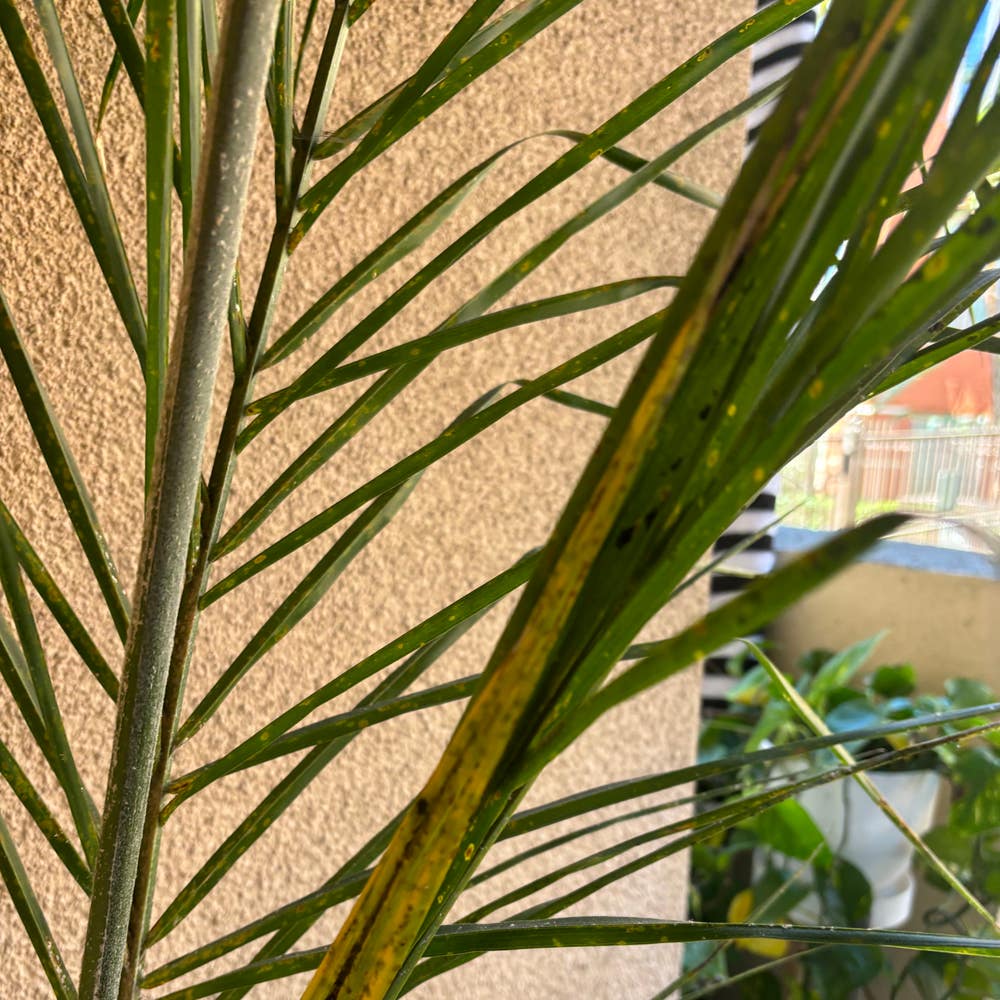
Why Your Cocos Palm Buds Won't Open 🌴
Syagrus comosa
By the Greg Editorial Team
Nov 23, 2024•6 min read
This article was created with the help of AI so we can cover more plants for you. May contain errors. See one? Report it here.
Master essential care tips 🌱 to unlock vibrant blooms on your Cocos Palm and transform your garden!
- 🌡️💧 Warm, moist environments are essential for Cocos Palm buds to open successfully.
- 🌪️ Strong winds and drought stress can hinder flower development and cause bud drop.
- 🌞 At least 6-8 hours of sunlight daily is crucial for optimal blooming in Cocos Palms.
Common Reasons for Failure to Bloom
🌪️ Environmental Stress Factors
High temperatures and humidity levels are crucial for the blooming of Cocos Palms. These palms thrive in warm, moist environments, and any deviation from these optimal conditions can hinder their flowering.
Drought stress is another significant factor. Insufficient water can severely impact flower development, leading to stunted growth and fewer blooms.
Wind exposure also plays a role. Strong winds can damage delicate flower clusters, causing them to drop prematurely or fail to develop altogether.
🍽️ Nutritional Deficiencies
A lack of potassium is a common culprit in poor flowering. This nutrient is essential for both flower and fruit development, and without it, your Cocos Palm may struggle to bloom.
Magnesium deficiency can also affect blooming. Symptoms include yellowing leaves and poor flower formation, signaling that your palm needs a nutrient boost.
Soil quality is equally important. Well-draining sandy soils facilitate better nutrient uptake, ensuring your palm has access to the essential elements it needs to thrive.
☀️ Light Requirements
Cocos Palms require full sun exposure for optimal blooming. Aim for a minimum of 6-8 hours of direct sunlight daily to encourage healthy flower production.
Conversely, reduced light can significantly impact flowering success. If your palm is shaded for extended periods, it may struggle to produce blooms, leading to disappointment in your garden.
Understanding these common reasons for failure to bloom can help you create the ideal conditions for your Cocos Palm. By addressing environmental stressors, nutritional deficiencies, and light requirements, you can encourage vibrant blooms and a thriving palm.
Next, let’s explore the factors that can lead to premature flower drop.
Factors Leading to Premature Flower Drop
🌡️ Environmental Conditions
Sudden temperature fluctuations can wreak havoc on your Cocos Palm's flower retention. When temperatures swing dramatically, it stresses the plant, leading to premature bud drop.
Humidity levels also play a crucial role in keeping those buds intact. Consistent moisture in the air helps prevent stress, allowing your palm to hold onto its flowers longer.
🥦 Nutritional Imbalances
Over-fertilization is a common pitfall for many gardeners. Too much fertilizer can cause nutrient burn, which not only damages the plant but can also lead to flower drop.
Micronutrient deficiencies are another issue to watch for. Specific nutrients, like boron and zinc, are essential for bud retention, and their absence can lead to disappointing results.
🐞 Pest Issues
Common pests can be the unseen culprits behind your palm's flower drop. Aphids, spider mites, and mealybugs can stress the plant, causing it to shed its buds prematurely.
To manage these pests, consider both organic and chemical solutions. Neem oil and insecticidal soaps are effective organic options, while chemical treatments can provide a quick fix if the infestation is severe.
Understanding these factors can help you maintain a healthy Cocos Palm and encourage vibrant blooms. Next, we’ll explore abnormal flower development and its causes, ensuring your palms thrive in every aspect.
Abnormal Flower Development and Its Causes
🧬 Genetic Factors
Certain Cocos Palm varieties are more prone to abnormal flowering. Understanding these varietal differences can help you identify potential issues before they become significant problems.
🌍 Environmental Influences
Soil conditions play a crucial role in flower health. Compacted or poorly draining soil can suffocate roots, leading to stress that affects blooming.
💡 Light Exposure
Inadequate light can severely impact flower morphology. Cocos Palms need sufficient sunlight to develop healthy, vibrant blooms.
🥦 Nutritional Factors
Imbalanced fertilization is another common culprit behind abnormal flower growth. Excess nitrogen, in particular, can lead to lush foliage at the expense of flowers.
🚩 Signs of Nutritional Deficiencies
Identifying symptoms of nutrient deficiencies is essential for maintaining flower structure. Look for signs like leaf discoloration or stunted growth, which can indicate underlying issues affecting your palm's blooms.
Understanding these factors can help you create an optimal environment for your Cocos Palm. By addressing genetic, environmental, and nutritional influences, you can encourage healthy flowering and enjoy the beauty of your palm in full bloom.
Nutritional Needs for Optimal Flowering
🌱 Essential Nutrients for Flowering
To achieve vibrant blooms on your Cocos Palm, focus on two key nutrients: potassium and magnesium. Potassium is crucial for flower and fruit development, while magnesium plays a vital role in chlorophyll production, which is essential for photosynthesis.
When it comes to fertilization, timing is everything. A balanced fertilizer with a higher potassium content should be applied during the growing season, ideally in spring and early summer. This ensures that your palm has the nutrients it needs when it’s most active.
⚠️ Signs of Nutritional Deficiencies Affecting Blooms
Nutritional deficiencies can manifest in various ways, often starting with visual symptoms. Look for leaf discoloration, such as yellowing or browning, which can indicate a lack of essential nutrients.
These deficiencies can significantly impact flowering. When your Cocos Palm lacks the right nutrients, you may notice fewer blooms or even complete flower drop. Keeping an eye on these signs can help you maintain healthy, flourishing palms.
Understanding the nutritional needs of your Cocos Palm is crucial for encouraging optimal flowering. By ensuring your palm receives adequate potassium and magnesium, you can foster a thriving environment for beautiful blooms.
Next, let’s explore how pruning can further enhance the flowering potential of your Cocos Palm.
Pruning and Its Impact on Flowering
Best Practices for Pruning 🌿
Pruning your Cocos Palm is essential for encouraging healthy blooms. Use clean, sharp tools to make precise cuts, ensuring you don’t damage the flower buds.
When pruning, focus on removing dead or damaged fronds first. This helps redirect energy to the healthy parts of the plant, promoting better flowering.
Recommended Tools for Effective Pruning 🔧
Invest in quality pruning shears or loppers for larger cuts. These tools will make your job easier and minimize stress on the plant.
Don’t forget gloves and safety goggles to protect yourself while working. A little preparation goes a long way in ensuring a successful pruning session.
Timing of Pruning to Encourage Blooming ⏰
The best time to prune your Cocos Palm is during the growing season, typically in late spring or early summer. This timing allows the plant to recover quickly and channel energy into blooming.
Be cautious with late pruning, especially in the fall. Cutting too close to the blooming period can disrupt the natural cycle, leading to fewer flowers.
Effects of Late Pruning 🚫
Late pruning can stress the plant, resulting in poor flower development. It’s crucial to respect the plant’s natural growth rhythm to ensure vibrant blooms.
By following these pruning guidelines, you can significantly enhance your Cocos Palm's flowering potential. Next, let’s explore the nutritional needs essential for optimal flowering.
⚠️ Safety First
This content is for general information and may contain errors, omissions, or outdated details. It is not medical, veterinary advice, or an endorsement of therapeutic claims.
Always consult a qualified healthcare professional before using any plant as food, medicine, or supplement.
Never eat any plant (or feed one to pets) without confirming its identity with at least two trusted sources.
If you suspect poisoning, call Poison Control (800) 222-1222, the Pet Poison Helpline (800) 213-6680, or your local emergency service immediately.
Spotted an error? Please report it here.
Unlock the secret to blooming brilliance 🌺 for your Cocos Palm with Greg's tailored care tips and reminders that ensure your plant thrives in its ideal environment!