Managing Direct Sunlight for Your Cocos Palm ☀️
Syagrus comosa
By the Greg Editorial Team
Nov 23, 2024•5 min read
This article was created with the help of AI so we can cover more plants for you. May contain errors. See one? Report it here.
Unlock your Cocos Palm's full potential 🌴 by mastering its sunlight needs for vibrant growth and health!
- 🌞 Cocos Palm thrives in bright, filtered light, avoiding direct sunlight for optimal growth.
- 🔍 Monitor light conditions to prevent leaf burn and ensure healthy growth.
- 🪴 Adjust placement seasonally for ideal sunlight exposure and plant health.
Cocos Palm and Sunlight Tolerance
🌞 Does Cocos Palm Need Direct Sunlight?
Cocos Palm thrives in bright environments but has a preference for indirect sunlight. For optimal growth, aim to provide bright, filtered light that mimics its natural habitat.
🌤️ Can Cocos Palm Tolerate Direct Sunlight?
While Cocos Palm can tolerate some direct sunlight, it should not be exposed to excessive amounts. This plant is adaptable and can adjust to varying light conditions, but it truly flourishes in filtered light.
🔥 Effects of Too Much Direct Sunlight on Cocos Palm
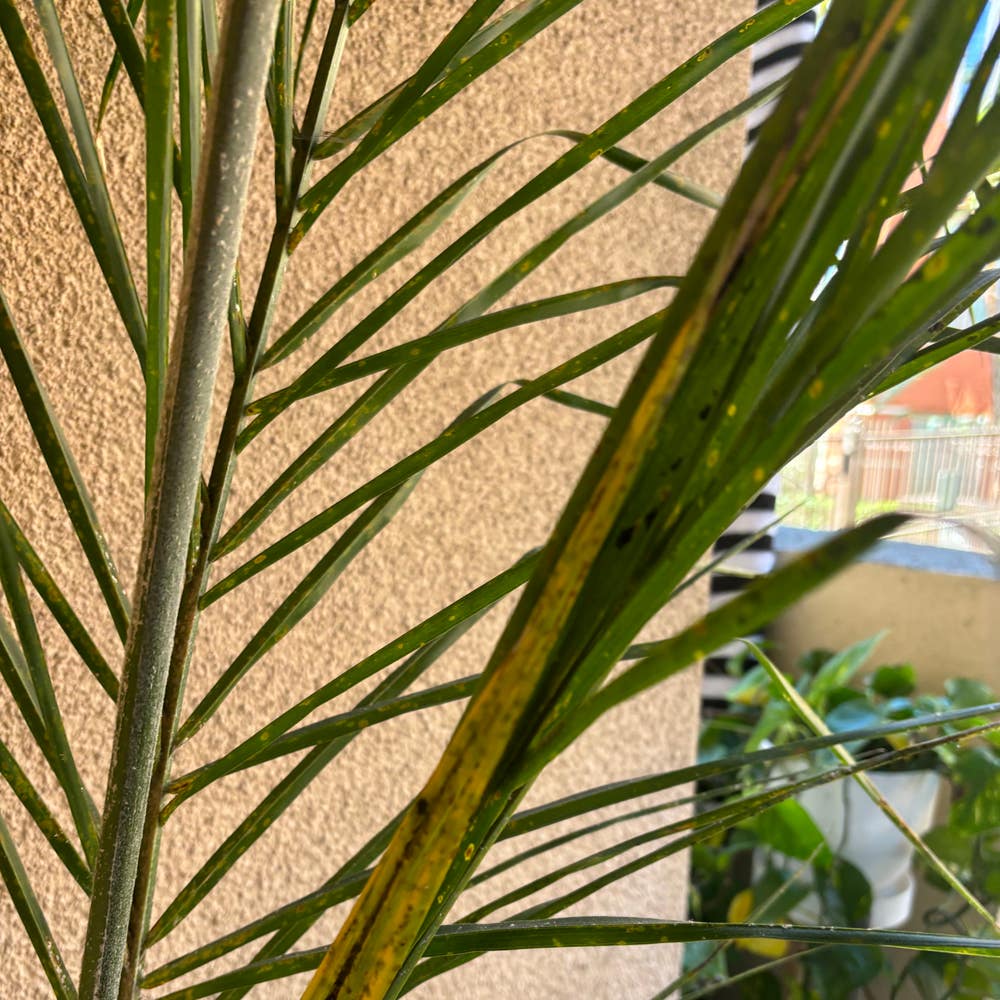
Too much direct sunlight can lead to several symptoms, including leaf burn, discoloration, and stunted growth. Over time, prolonged exposure can weaken the plant and diminish its overall vigor, making it crucial to monitor its light conditions closely.
Understanding the sunlight needs of your Cocos Palm is essential for its health and longevity. Next, we will explore how window direction impacts the light exposure your plant receives.
Window Direction and Sunlight
🌞 Importance of Window Direction for Light Exposure
The direction a window faces plays a crucial role in determining how much sunlight your Cocos Palm receives. Understanding this can help you create the perfect environment for your plant to thrive.
- South-facing windows: These receive the most direct sunlight throughout the day, which can be too intense for your Cocos Palm.
- North-facing windows: These provide indirect light, ideal for maintaining the health of your palm without overwhelming it.
- East-facing windows: These offer gentle morning sunlight, perfect for a gradual light exposure.
- West-facing windows: These provide strong afternoon sun, which can be beneficial but may require some management to prevent leaf burn.
🪴 Best Window Placements for Cocos Palm
For optimal growth, consider the following placements for your Cocos Palm:
- Ideal placement: Position your palm near east or west-facing windows. This allows for balanced light exposure without the harshness of direct midday sun.
- Avoid: Keep your Cocos Palm away from direct south-facing windows during peak sunlight hours. The intensity can lead to stress and damage over time.
By strategically placing your Cocos Palm, you can ensure it receives the right amount of light to flourish. This attention to detail will help your plant thrive and maintain its vibrant appearance.
As you consider window placements, remember that seasonal changes will also affect light exposure, which we’ll explore next.
Seasonal Considerations
🌞 Seasonal Changes in Sunlight Intensity
Sunlight intensity varies significantly with the seasons, which directly impacts how you care for your Cocos Palm.
- Summer: Expect longer days filled with stronger sunlight, making it essential to monitor your palm's exposure.
- Winter: Days are shorter and sunlight is weaker, which can affect the plant's growth and health.
🌱 Adjusting Care Based on Seasons
To keep your Cocos Palm thriving year-round, adjust its placement according to the season.
- Winter: Move your palm closer to light sources to maximize exposure.
- Summer: Keep an eye out for signs of stress, such as leaf burn or drooping fronds, and adjust its position if necessary.
By being mindful of these seasonal changes, you can ensure your Cocos Palm receives the right amount of light throughout the year. This proactive approach will help maintain its health and vibrancy, setting the stage for the next section on common misconceptions about sunlight needs.
Common Misconceptions
Myths About Cocos Palm and Sunlight 🌞
Many people believe that the Cocos Palm requires full direct sunlight all day long. This myth can lead to overexposure, which is detrimental to the plant's health.
Another common misconception is that Cocos Palm can thrive in complete darkness. In reality, this plant needs light to flourish, but it prefers a gentler touch.
Clarifying Facts About Sunlight Needs 💡
The truth is, Cocos Palm thrives best in bright, indirect light. This environment allows the plant to grow strong and vibrant without the risk of sunburn.
Additionally, too much direct sunlight can harm the Cocos Palm, leading to issues like leaf burn and stunted growth. Understanding these facts is crucial for nurturing a healthy palm.
With these clarifications, you can better manage your Cocos Palm's light exposure, ensuring it remains a stunning addition to your space. Next, let’s explore how window direction impacts sunlight exposure for your palm.
Practical Tips for Managing Sunlight
How to Position Cocos Palm for Optimal Light 🌴
To ensure your Cocos Palm thrives, consider using sheer curtains. These will diffuse direct sunlight, providing a gentler light that the plant prefers.
Additionally, rotating your plant regularly is key. This practice promotes even light exposure, helping all sides of the palm grow uniformly.
Signs of Too Much or Too Little Sunlight 🌞
Recognizing the signs of too much sunlight is crucial. Look out for leaf burn, browning tips, and drooping fronds, which indicate your palm is struggling.
On the flip side, if you notice slow growth, yellowing leaves, or a leggy appearance, your Cocos Palm may not be getting enough light.
Solutions for Adjusting Light Exposure 💡
If your plant is not thriving, consider moving it to a different location that better suits its light needs. This simple adjustment can make a significant difference.
For those times when natural light falls short, using grow lights is an effective solution. These lights can supplement your Cocos Palm's light requirements, ensuring it remains healthy and vibrant.
With these practical tips, you'll be well-equipped to manage sunlight for your Cocos Palm. Next, let's explore seasonal considerations that can further enhance your plant care strategy.
⚠️ Safety First
This content is for general information and may contain errors, omissions, or outdated details. It is not medical, veterinary advice, or an endorsement of therapeutic claims.
Always consult a qualified healthcare professional before using any plant as food, medicine, or supplement.
Never eat any plant (or feed one to pets) without confirming its identity with at least two trusted sources.
If you suspect poisoning, call Poison Control (800) 222-1222, the Pet Poison Helpline (800) 213-6680, or your local emergency service immediately.
Spotted an error? Please report it here.
Keep your Cocos Palm thriving 🌴 by mastering its light needs with Greg's tailored tips and reminders for the perfect sunlight exposure!