Best Humidity Levels for Cocos Palm 💧
Syagrus comosa
By the Greg Editorial Team
Nov 23, 2024•4 min read
This article was created with the help of AI so we can cover more plants for you. May contain errors. See one? Report it here.
Unlock the secret to a thriving Cocos Palm 🌴 by mastering humidity management for any climate! 🌧️
- 🌧️ Ideal humidity for Cocos Palm is between 40% and 60% for optimal growth.
- 🌊 Coastal areas typically have higher humidity, impacting care practices for your palm.
- 🌬️ Air circulation prevents mold and root rot, crucial for healthy Cocos Palms.
Local Humidity Considerations
🌧️ Assessing local humidity levels
Understanding your local climate is crucial for the health of your Cocos Palm. Coastal areas typically have higher humidity levels compared to inland regions, which can significantly affect how you care for your plant.
To assess local humidity, utilize tools like local weather stations and online resources. These platforms provide real-time data that can help you make informed decisions about your Cocos Palm's environment.
🌦️ Seasonal variations in humidity and their impact
Humidity levels fluctuate with the seasons, impacting your Cocos Palm's care routine. For instance, summer may bring higher humidity, while winter often results in drier air.
Adjusting your care practices based on seasonal humidity is essential. This might mean increasing watering during dry months or providing additional humidity in the summer.
🌍 Adapting care based on local climate conditions
Indoor growers must tailor humidity management techniques to their specific climate conditions. This could involve using humidifiers in dry areas or ensuring adequate air circulation in more humid environments.
Monitoring and adapting your care throughout the year is vital. Regular checks on humidity levels will help you maintain the ideal environment for your Cocos Palm, ensuring it thrives no matter the season.
Strategies for Managing Humidity
🌧️ Methods to boost humidity for Cocos Palm
Humidifiers and their use
To create the perfect environment for your Cocos Palm, consider using a humidifier. There are two main types: cool mist and warm mist, both effective in raising humidity levels.
For optimal results, set your humidifier to maintain humidity between 40% and 60%. This range is ideal for promoting healthy growth and preventing stress.
Pebble trays and water features
Another simple method to boost humidity is by using pebble trays. To create one, fill a shallow tray with pebbles and add water until it just touches the pebbles, ensuring the plant pot sits above the waterline.
Indoor water features can also enhance humidity. They not only add aesthetic value but also release moisture into the air, benefiting your Cocos Palm.
Grouping plants for humidity retention
Grouping your plants can significantly improve humidity levels. Clustering them together creates a microclimate, where moisture is retained more effectively.
Aim for a spacing of about 2-3 inches between pots to allow for air circulation while maximizing humidity retention. This simple arrangement can make a noticeable difference in your plant's health.
🌬️ Methods to reduce humidity if necessary
Air circulation techniques
If humidity levels become too high, air circulation is key. Using fans can help prevent stagnant air, which can lead to mold growth and other issues.
Position fans to create a gentle airflow around your plants, ideally at a low setting. This will help maintain a balanced environment without causing stress to your Cocos Palm.
Choosing appropriate potting mixes
Selecting the right potting mix is crucial for managing humidity. A well-draining mix prevents excess moisture retention, which can lead to root rot.
Look for potting mixes that include ingredients like perlite or sand, as they enhance drainage. This balance helps keep your Cocos Palm healthy and thriving.
By implementing these strategies, you can effectively manage humidity levels for your Cocos Palm, ensuring it remains vibrant and healthy throughout the year. Next, let’s explore common humidity-related issues and how to address them.
Common Humidity-Related Issues
🌬️ Signs of humidity stress in Cocos Palm
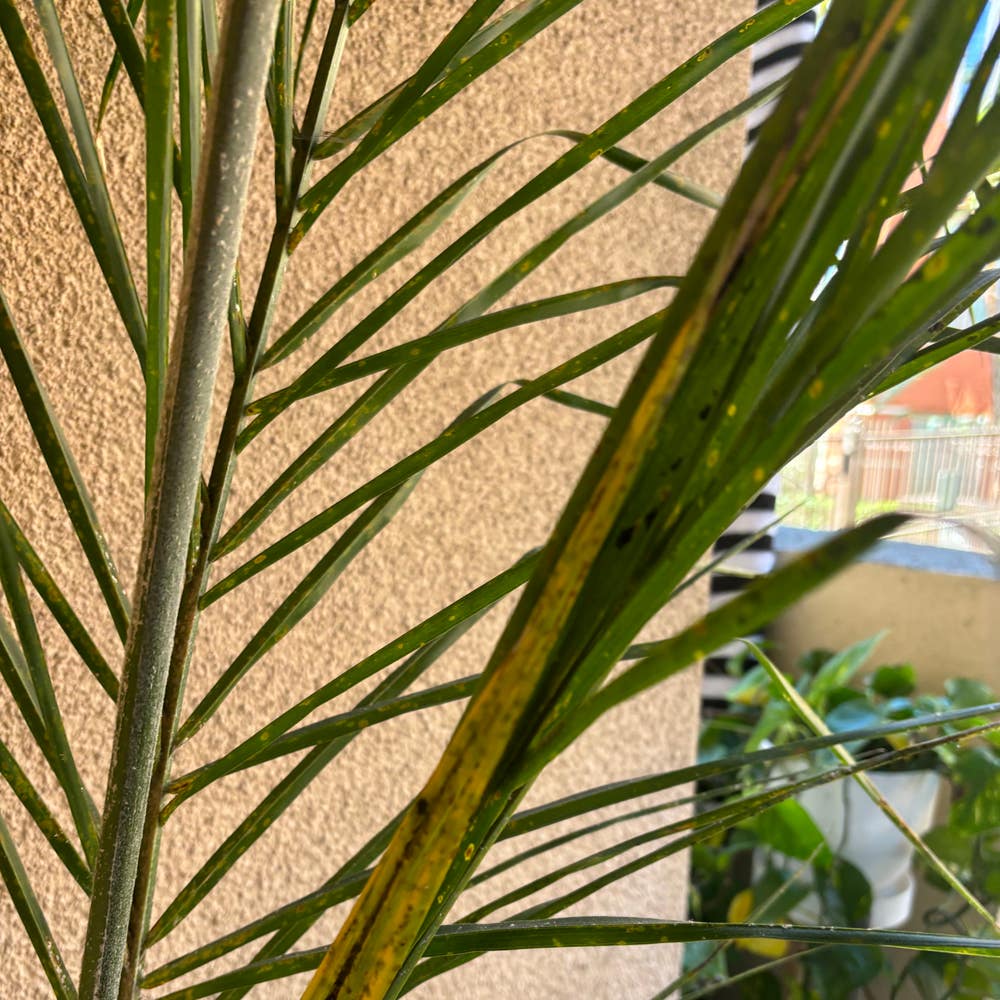
Humidity levels can significantly impact the health of your Cocos Palm. Low humidity often manifests as leaf curling, browning tips, and an uptick in pest activity.
Conversely, high humidity can lead to mold growth, unsightly leaf spots, and even root rot. Recognizing these symptoms early is crucial for effective intervention.
💧 Solutions for humidity-related problems
🌵 Addressing low humidity
If your Cocos Palm shows signs of low humidity, immediate action is essential. Consider using a humidifier to boost moisture levels in the air around your plant.
You can also mist the leaves regularly or place a pebble tray filled with water beneath the pot to enhance humidity. These methods can quickly create a more favorable environment.
🌫️ Addressing high humidity
For high humidity situations, improving air circulation is key. Use fans to promote airflow, which helps prevent stagnant air that can lead to mold and other issues.
Additionally, ensure that your potting mix drains well to avoid excess moisture retention. This combination will help maintain a balanced humidity level.
🛡️ Preventative measures for maintaining ideal humidity
Regular monitoring of humidity levels is vital for your Cocos Palm's health. Invest in a hygrometer to keep track of moisture in the air and make adjustments as needed.
Long-term strategies include seasonal adjustments to your care routine. Be proactive in adapting your humidity management techniques based on the changing climate throughout the year.
By staying vigilant and responsive, you can create an ideal environment for your Cocos Palm to thrive. This attention to detail will ensure your plant remains healthy and vibrant.
⚠️ Safety First
This content is for general information and may contain errors, omissions, or outdated details. It is not medical, veterinary advice, or an endorsement of therapeutic claims.
Always consult a qualified healthcare professional before using any plant as food, medicine, or supplement.
Never eat any plant (or feed one to pets) without confirming its identity with at least two trusted sources.
If you suspect poisoning, call Poison Control (800) 222-1222, the Pet Poison Helpline (800) 213-6680, or your local emergency service immediately.
Spotted an error? Please report it here.
Ensure your Cocos Palm flourishes by mastering humidity levels with Greg's custom care reminders 🌱 that keep your plant in its ideal environment!