🌴 Step-by-Step Guide to Trimming Cocos Palm
Syagrus comosa
By the Greg Editorial Team
Nov 23, 2024•5 min read
This article was created with the help of AI so we can cover more plants for you. May contain errors. See one? Report it here.
Elevate your cocos palm's beauty 🌴 with expert pruning techniques for vibrant growth and health!
- ✂️ Use proper tools like pruning shears and loppers for effective cocos palm trimming.
- 🌱 Assess palm health before pruning to identify diseases or pests needing attention.
- 🌿 Prune at the right time (late winter to early spring) for optimal growth.
Pruning Techniques
🛠️ Tools Needed for Pruning
To effectively trim your cocos palm, you'll need the right tools. Start with pruning shears for smaller fronds and flower spikes, and loppers for thicker fronds and branches.
For larger cuts on the trunk, a handsaw is essential. Don't forget your safety gear—gloves, goggles, and a hard hat are crucial for protection. Lastly, a ladder will help you reach those higher fronds safely.
📏 Step-by-Step Pruning Process
Assessing the Palm for Pruning
Before you start pruning, assess the overall health of your palm. Look for signs of disease or pest infestation, as these can affect your trimming decisions.
Next, determine which fronds need to be removed. This step is vital for maintaining the palm's health and aesthetics.
🔍 Identifying Dead or Damaged Fronds
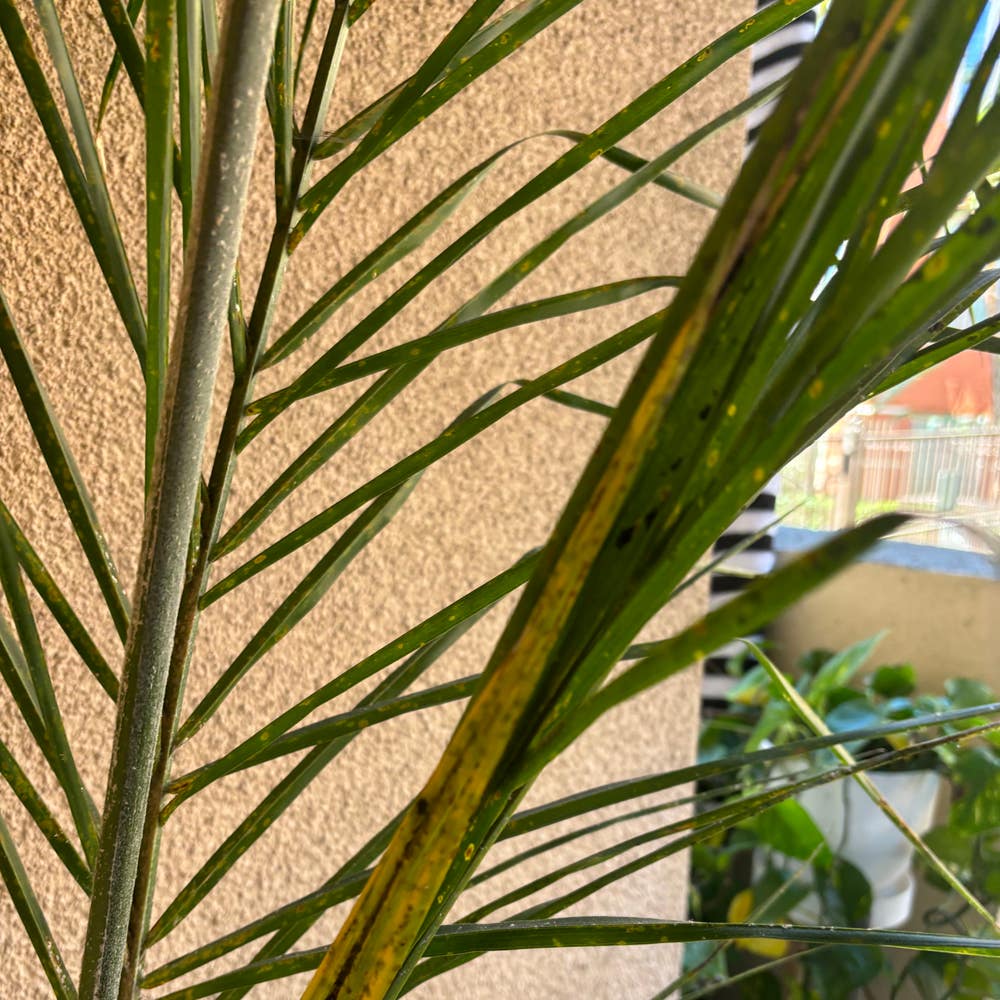
When identifying fronds to cut, focus on those that are yellowing, browning, or completely dead. Typically, you'll want to remove lower fronds first, as they are often the most affected.
This approach not only improves the palm's appearance but also allows for better air circulation.
✂️ Proper Cutting Techniques
When making cuts, always aim for a 45-degree angle. This technique helps prevent water accumulation, which can lead to rot.
Be careful not to cut into the trunk or crown, as this can cause significant damage. Using clean, sharp tools ensures a smooth cut, reducing stress on the plant.
🌸 Removing Flower Spikes and Seed Pods
Identify any flower spikes and seed pods that detract from your palm's aesthetics. Cutting them off at the base prevents unwanted seed production and keeps your palm looking tidy.
Timing is key; it's best to do this after flowering to maintain the palm's appearance and health.
By following these pruning techniques, you'll ensure your cocos palm remains healthy and vibrant. Next, let's explore the best timing for pruning to maximize your efforts.
Timing for Pruning
Best Seasons for Pruning 🌱
The ideal time to prune your cocos palm is late winter to early spring. This timing allows you to prepare the palm for new growth while avoiding the peak growing season in summer.
Signs That Indicate When to Prune 🔍
Look for specific signs that indicate it's time to prune. Dead or damaged fronds are a clear signal, as well as overcrowding that limits light and air circulation. Additionally, flower spikes that have finished blooming should be addressed to maintain the palm's appearance.
Timing Considerations for Different Climates 🌎
Timing can vary based on your climate. In tropical regions, prune during the dry season to minimize stress on the palm. For those in temperate climates, early spring is best, especially after the risk of frost has passed.
Understanding the right timing for pruning is crucial for the health and aesthetics of your cocos palm. With the right approach, you can ensure your palm thrives and looks its best. Next, let’s explore the deadheading process and its benefits.
Deadheading Process
🌼 What is Deadheading and Its Benefits
Deadheading is the practice of removing spent flowers and seed pods from your cocos palm. This simple process not only enhances the plant's appearance but also prevents unwanted seed production and encourages new growth.
✂️ Step-by-Step Deadheading Process
- Identify spent flowers and seed pods: Look for blooms that have wilted or seed pods that are no longer needed.
- Use pruning shears to cut at the base: Make clean cuts to ensure the plant remains healthy.
- Dispose of removed material: Proper disposal helps prevent pest attraction and keeps your garden tidy.
⏰ Timing for Deadheading
The best time to deadhead is immediately after flowering. Keep an eye out for new flower spikes and deadhead as needed to maintain your palm's beauty.
By incorporating deadheading into your routine, you can keep your cocos palm thriving and looking its best. This small effort can lead to a more vibrant and healthy plant, setting the stage for the next phase of care.
Common Mistakes in Pruning
🚫 Over-Pruning and Its Effects
Over-pruning can lead to significant stress on your cocos palm. This stress may manifest as reduced growth and, in severe cases, even death.
Signs that you've over-pruned include excessive yellowing of fronds and stunted growth. If you notice these symptoms, it’s a clear indication that your palm is struggling.
✂️ Incorrect Cutting Techniques
Using improper cutting techniques can also harm your palm. Avoid cutting too close to the trunk or crown, as this can cause irreversible damage.
Always ensure your cuts are clean and precise. This helps prevent disease entry and promotes healthier growth.
🌱 Ignoring Seasonal Changes
Timing is crucial when it comes to pruning. Ignoring seasonal changes can lead to detrimental effects on your palm's health.
Recognizing seasonal growth patterns allows you to optimize your pruning efforts. Prune at the right time to ensure your cocos palm thrives.
By avoiding these common mistakes, you can maintain a healthy and vibrant cocos palm. Next, let’s explore the essential post-pruning care to support your palm's recovery and growth.
Post-Pruning Care
Monitoring the Palm After Pruning 🌴
After pruning, it's crucial to keep a close eye on your palm. Regular checks for signs of stress or disease can help catch any issues early.
Observe new growth patterns as well. Adjust your care routine based on how the palm responds post-pruning.
Fertilization Considerations Post-Pruning 🌱
To support recovery, apply a balanced fertilizer. This will provide the nutrients your palm needs to bounce back.
Timing is key—fertilize about 4 to 6 weeks after pruning for optimal results.
Watering and Care After Trimming 💧
Maintaining consistent moisture levels is essential, but be careful not to overwater. Waterlogging can lead to root rot, which is detrimental to your palm's health.
Adjust your watering frequency based on seasonal changes and the palm's growth needs. This ensures your palm thrives in its post-pruning phase.
With proper care, your palm will flourish, showcasing its beauty for years to come. Next, let’s explore common mistakes in pruning to help you avoid pitfalls in your palm care journey.
⚠️ Safety First
This content is for general information and may contain errors, omissions, or outdated details. It is not medical, veterinary advice, or an endorsement of therapeutic claims.
Always consult a qualified healthcare professional before using any plant as food, medicine, or supplement.
Never eat any plant (or feed one to pets) without confirming its identity with at least two trusted sources.
If you suspect poisoning, call Poison Control (800) 222-1222, the Pet Poison Helpline (800) 213-6680, or your local emergency service immediately.
Spotted an error? Please report it here.
Transform your cocos palm into a stunning centerpiece 🌴 by using Greg's tailored pruning reminders and care tips to keep it healthy and thriving after every trim!