🌴 Signs Your Cocos Palm Has Root Rot and How to Fix It
Syagrus comosa
By the Greg Editorial Team
Nov 23, 2024•5 min read
This article was created with the help of AI so we can cover more plants for you. May contain errors. See one? Report it here.
Save your cocos palm from root rot with these vital signs and expert care tips! 🌿✨
- 🌱 Early detection of root rot prevents severe damage to your cocos palm.
- 🔍 Key signs include yellowing leaves, wilting fronds, and mushy roots.
- 🛠️ Repot in well-draining soil and trim affected roots for recovery.
Identifying Root Rot Symptoms
🧐 Visual Signs of Root Rot
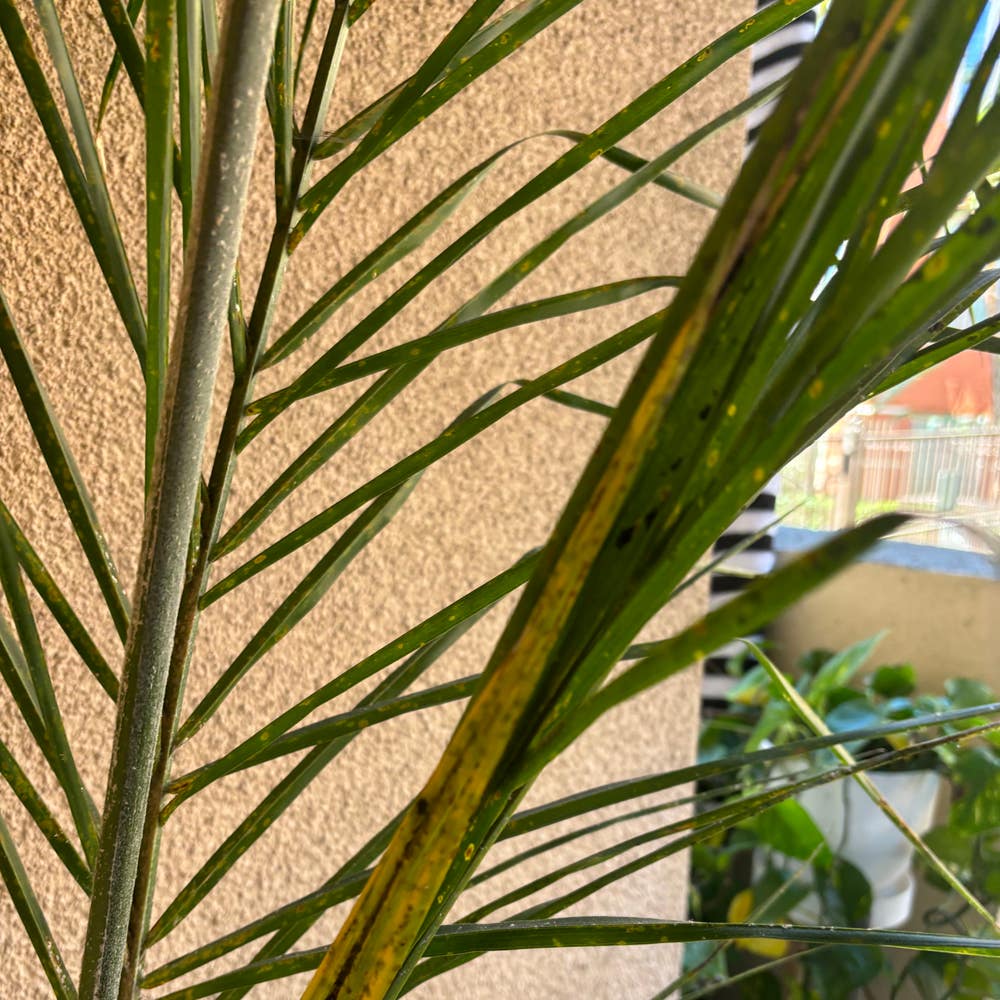
Recognizing root rot early can save your cocos palm from severe damage. Look for yellowing leaves, which often signal nutrient deficiency and stress.
Another telltale sign is wilting fronds. This occurs when the roots lose turgor pressure due to damage, leading to droopy, lifeless leaves.
Finally, inspect the roots themselves. Blackened or mushy roots are clear indicators of decay and should be addressed immediately.
🎨 Changes in Leaf Color and Texture
Pay attention to leaf discoloration patterns. Healthy leaves should be vibrant green, while signs of distress include yellowing and brown tips.
You may also notice texture changes. Softening or drooping fronds can indicate that the plant is struggling, often due to underlying root issues.
🔍 Root Inspection Techniques
To assess root health, you’ll need to safely remove the plant from its pot. This step is crucial; handle the plant gently to minimize stress during inspection.
Once out of the pot, differentiate between healthy and rotting roots. Healthy roots are typically white and firm, while rotting roots appear brown and mushy. Recognizing these differences is key to effective treatment.
With these symptoms and inspection techniques in mind, you’re better equipped to diagnose root rot in your cocos palm. Next, we’ll explore how to diagnose root rot more thoroughly.
Diagnosing Root Rot
How to Check Soil Moisture Levels 🌧️
Understanding soil moisture is crucial for diagnosing root rot. A soil moisture meter is an excellent tool for getting accurate readings, helping you determine if your cocos palm is overwatered or underwatered.
For a more hands-on approach, you can manually check moisture levels by inserting your finger into the soil. If the top inch feels dry, it’s time to water; if it’s soggy, you might be dealing with root rot.
Assessing Root Health Through Inspection 🔍
Inspecting the roots is a vital step in diagnosing root rot. Gently remove the plant from its pot, taking care not to damage the roots further.
Look for signs of healthy roots, which should be firm and white. If you encounter brown or mushy roots, it’s a clear indication of rot.
Differentiating Root Rot from Other Issues 🆚
Not all plant problems stem from root rot. It’s essential to distinguish between nutrient deficiencies and root rot symptoms.
Nutrient deficiencies often present as yellowing leaves but lack the mushy root texture associated with rot. Additionally, pests or diseases can mimic root rot symptoms, so a thorough inspection is necessary to identify the underlying issue.
By understanding these diagnostic techniques, you can effectively address root rot and ensure your cocos palm thrives. Next, we’ll explore how to treat root rot effectively.
Treating Root Rot
Step-by-Step Guide to Treating Root Rot 🌱
Remove the plant from its pot: Start by gently lifting the plant out of its container. Handle it carefully to minimize any additional stress or damage to the roots.
Inspect and trim affected roots: Examine the roots closely for any signs of rot. Use clean scissors to cut away any blackened or mushy roots, ensuring you only leave behind healthy, firm roots.
Disinfect tools: After trimming, it's crucial to disinfect your tools. Use rubbing alcohol to clean your scissors and prevent any potential cross-contamination.
Repot in fresh, well-draining soil: Choose a high-quality potting mix designed for good drainage. This will help prevent future issues and promote healthy growth.
Recommended Fungicides and Treatments 🧪
Types of fungicides: There are two main types of fungicides to consider: systemic and contact. Systemic fungicides are absorbed by the plant, providing internal protection, while contact fungicides act on the surface.
Application methods: When applying fungicides, follow the manufacturer's instructions carefully. Ensure even coverage on the affected areas for the best results.
Repotting Techniques for Affected Plant 🌿
Choosing the right pot: Select a pot that has adequate drainage holes and is appropriately sized for your plant. This will help prevent water from accumulating at the bottom, reducing the risk of root rot.
Soil preparation: For optimal drainage, mix sand and perlite into your potting soil. This combination improves aeration and allows excess water to flow through easily.
By following these steps, you can effectively treat root rot and give your cocos palm a fighting chance at recovery. Next, let’s explore how to prevent root rot from occurring in the first place.
Preventing Root Rot
🌊 Best Practices for Watering
Watering your cocos palm correctly is crucial for preventing root rot. Adjust your watering frequency based on environmental conditions, such as humidity and temperature, to keep the soil consistently moist but not soggy.
Keep an eye out for signs of overwatering. Yellowing leaves, wilting, and a foul smell from the soil can indicate that you’re giving your plant too much water.
🏺 Importance of Soil Drainage and Aeration
Choosing the right potting mix is essential for your cocos palm's health. Opt for sandy, well-draining soil to ensure excess water can escape easily.
To improve soil structure, consider aeration techniques. Mixing in materials like perlite or coarse sand can enhance drainage and promote healthier root growth.
🌧️ Seasonal Care Tips to Avoid Root Rot
Adjusting your care routine during rainy seasons is vital. Monitor moisture levels closely, as increased rainfall can lead to overly saturated soil.
In winter, reduce your watering frequency. Cocos palms enter a dormant phase, requiring less water to thrive, which helps prevent root rot during the colder months.
By following these preventive measures, you can keep your cocos palm healthy and thriving. Next, let’s explore how to diagnose root rot effectively.
⚠️ Safety First
This content is for general information and may contain errors, omissions, or outdated details. It is not medical, veterinary advice, or an endorsement of therapeutic claims.
Always consult a qualified healthcare professional before using any plant as food, medicine, or supplement.
Never eat any plant (or feed one to pets) without confirming its identity with at least two trusted sources.
If you suspect poisoning, call Poison Control (800) 222-1222, the Pet Poison Helpline (800) 213-6680, or your local emergency service immediately.
Spotted an error? Please report it here.
Catch root rot in your cocos palm before it’s too late 🛑 with Greg's tailored watering reminders and expert care tips to keep your plant thriving!