🌴 Cocos Palm - Ultimate Guide to Fertilizing
Syagrus comosa
By the Greg Editorial Team
Nov 23, 2024•6 min read
This article was created with the help of AI so we can cover more plants for you. May contain errors. See one? Report it here.
Transform your Cocos Palm into a lush paradise 🌴 with essential tips on fertilizers and nutrient care! 🌱
- 🌱 Organic and synthetic fertilizers together optimize Cocos Palm health and growth.
- 🌞 Fertilize in spring and summer for best results during active growth periods.
- ⚖️ Monitor nutrient levels to prevent over-fertilization and ensure vibrant, healthy palms.
Types of Fertilizers Suitable for Cocos Palm
🌱 Organic Fertilizer
Organic fertilizers are a fantastic choice for Cocos Palm enthusiasts. They improve soil health and provide a slow, steady release of nutrients.
Common examples include compost, well-rotted manure, and seaweed extract. These options not only nourish your palm but also enhance the overall ecosystem of your garden.
⚡️ Synthetic Fertilizers
On the other hand, synthetic fertilizers offer quick nutrient availability, making them ideal for immediate results.
Granular NPK fertilizers specifically formulated for palms are a popular choice. They deliver essential nutrients rapidly, ensuring your Cocos Palm thrives when it needs a boost.
Incorporating both organic and synthetic fertilizers can create a balanced approach to nurturing your Cocos Palm. This strategy allows you to enjoy the benefits of both types while adapting to your palm's specific needs.
Next, let's explore the nutrient requirements essential for the health and growth of your Cocos Palm.
Nutrient Requirements
🌱 Essential Nutrients for Cocos Palm
Cocos palms thrive on a balanced diet of essential nutrients.
Nitrogen is crucial for growth and leaf development, promoting lush, green foliage that enhances the palm's aesthetic appeal.
Phosphorus plays a vital role in root development and flowering, ensuring strong roots that support the plant's overall health.
Potassium contributes significantly to overall plant health and fruit quality, helping the palm withstand stress and produce vibrant, tasty coconuts.
🧪 Micronutrients
While macronutrients are essential, micronutrients also play a pivotal role in the health of your Cocos palm.
Magnesium is necessary for chlorophyll production, which is essential for photosynthesis and overall vitality.
Manganese supports enzyme function and photosynthesis, ensuring the palm can efficiently convert sunlight into energy.
Other important micronutrients include Iron, Zinc, and Copper, each contributing to various physiological functions that keep your Cocos palm thriving.
Understanding these nutrient requirements will help you provide the best care for your palm, ensuring it grows strong and healthy.
Next, we’ll explore the best fertilizing schedule to meet these nutrient needs effectively.
Fertilizing Schedule
Best Times of Year to Fertilize 🌱
Spring and summer are the prime seasons for fertilizing your Cocos Palm. During these months, the plant is actively growing, making it the perfect time to provide essential nutrients.
In tropical climates, you may need to adjust your fertilization schedule slightly. Monitor local weather patterns, as heavy rainfall can wash away nutrients, necessitating more frequent applications.
Frequency of Fertilization Based on Growth Stages 📅
The fertilization frequency varies depending on the growth stage of your Cocos Palm. For juvenile plants, aim to fertilize every 6 to 8 weeks to support their rapid growth.
As your palm matures, reduce the frequency to every 3 to 4 months. This allows the established roots to absorb nutrients efficiently without overwhelming the plant.
During the blooming phase, increase the fertilization frequency. This ensures your Cocos Palm receives the extra nutrients needed for vibrant flowers and healthy fruit production.
Understanding the right timing and frequency for fertilization is crucial for maintaining a thriving Cocos Palm. With this knowledge, you can ensure your palm gets the nutrients it needs at the right moments, setting the stage for the next section on application methods.
Application Methods
How to Apply Fertilizer 🌱
Applying fertilizer to your Cocos Palm can be straightforward with the right techniques. The three primary methods include broadcasting, the hole method, and liquid feeding.
Broadcasting involves spreading the fertilizer evenly around the base of the palm. This method ensures that nutrients reach the root zone effectively.
The hole method requires digging small holes around the plant and placing fertilizer directly into them. This technique allows for deeper nutrient penetration.
Liquid feeding is another option, where you mix fertilizer with water and apply it directly to the soil. This method provides quick nutrient absorption.
For tools, consider using a spreader for broadcasting, a watering can for liquid feeding, or a hose attachment for convenience. Each tool can make the application process smoother and more efficient.
Recommended Quantities for Different Growth Stages 📏
The amount of fertilizer you use will vary depending on the growth stage of your Cocos Palm.
During the juvenile stage, apply 1/4 to 1/2 pound of fertilizer per application. This helps establish a strong foundation.
For the mature stage, increase the quantity to 1 to 2 pounds per application. Mature palms require more nutrients to sustain their growth.
In the blooming phase, adjust quantities based on the palm's fruiting needs. Increased nutrient demands during flowering can lead to better fruit quality.
Techniques to Avoid Over-Fertilizing 🚫
Over-fertilizing can be detrimental to your Cocos Palm, so it's crucial to take preventive measures. Start with soil testing before applying any fertilizer. This will help you understand the nutrient levels already present in the soil.
Watch for signs of over-fertilization, such as leaf burn or reduced fruit production. These symptoms indicate that your palm is receiving too many nutrients.
To avoid these issues, practice gradual increases in fertilizer amounts. This approach allows you to monitor your palm's response and adjust accordingly.
By following these application methods and guidelines, you can ensure your Cocos Palm thrives without the risk of over-fertilization. Next, we’ll explore how to troubleshoot any fertilization issues that may arise.
Troubleshooting Fertilization Issues
🌱 Addressing Over-Fertilization Problems
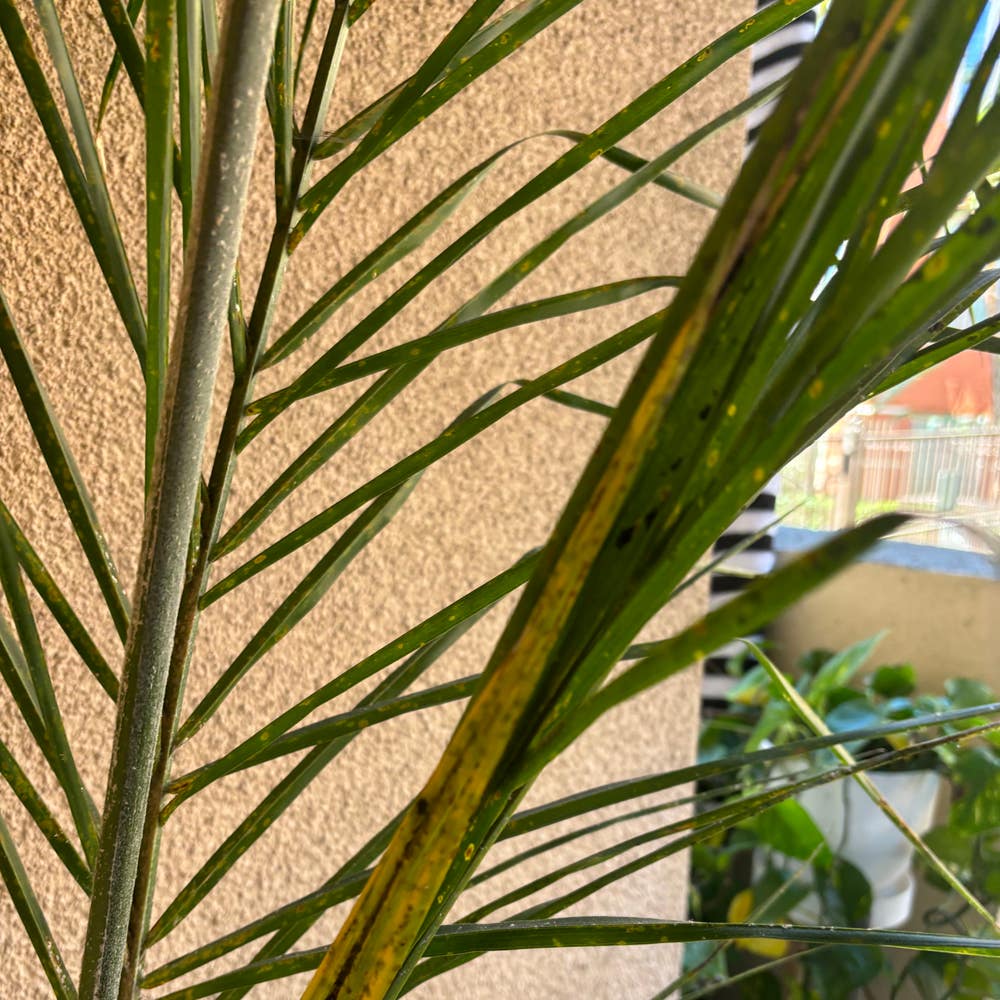
Over-fertilization can lead to several distressing symptoms in your Cocos Palm. Watch for signs like leaf burn, wilting, and reduced growth, which indicate that your palm is overwhelmed by nutrients.
If you suspect over-fertilization, take immediate action. Flushing the soil with water can help dilute excess nutrients, while reducing your fertilizer application will prevent further issues.
🥦 Solutions for Under-Fertilized Cocos Palm
Under-fertilization can stunt your Cocos Palm's growth and vitality. Look for signs of nutrient deficiency, such as yellowing leaves or stunted growth, to identify the problem.
To correct under-fertilization, adjust your fertilizer type and quantity. Opt for a balanced formula that meets the specific nutrient needs of your palm, ensuring it receives the right nourishment.
🌍 Adjusting Fertilization Based on Environmental Factors
Environmental factors play a crucial role in nutrient uptake for your Cocos Palm. Soil type and drainage significantly impact how well your palm absorbs nutrients.
Seasonal adjustments are also vital. Consider rainfall and humidity levels when planning your fertilization schedule. Regularly monitor your plant's health and be ready to adjust your fertilization practices accordingly to keep your palm thriving.
With these troubleshooting tips, you can ensure your Cocos Palm receives the right care, setting the stage for a healthy, vibrant plant. Next, let’s explore the best practices for applying fertilizer effectively.
⚠️ Safety First
This content is for general information and may contain errors, omissions, or outdated details. It is not medical, veterinary advice, or an endorsement of therapeutic claims.
Always consult a qualified healthcare professional before using any plant as food, medicine, or supplement.
Never eat any plant (or feed one to pets) without confirming its identity with at least two trusted sources.
If you suspect poisoning, call Poison Control (800) 222-1222, the Pet Poison Helpline (800) 213-6680, or your local emergency service immediately.
Spotted an error? Please report it here.
Boost your Cocos Palm's health with a balanced fertilization strategy 🌱—let Greg guide you with personalized reminders and nutrient tracking for thriving growth!