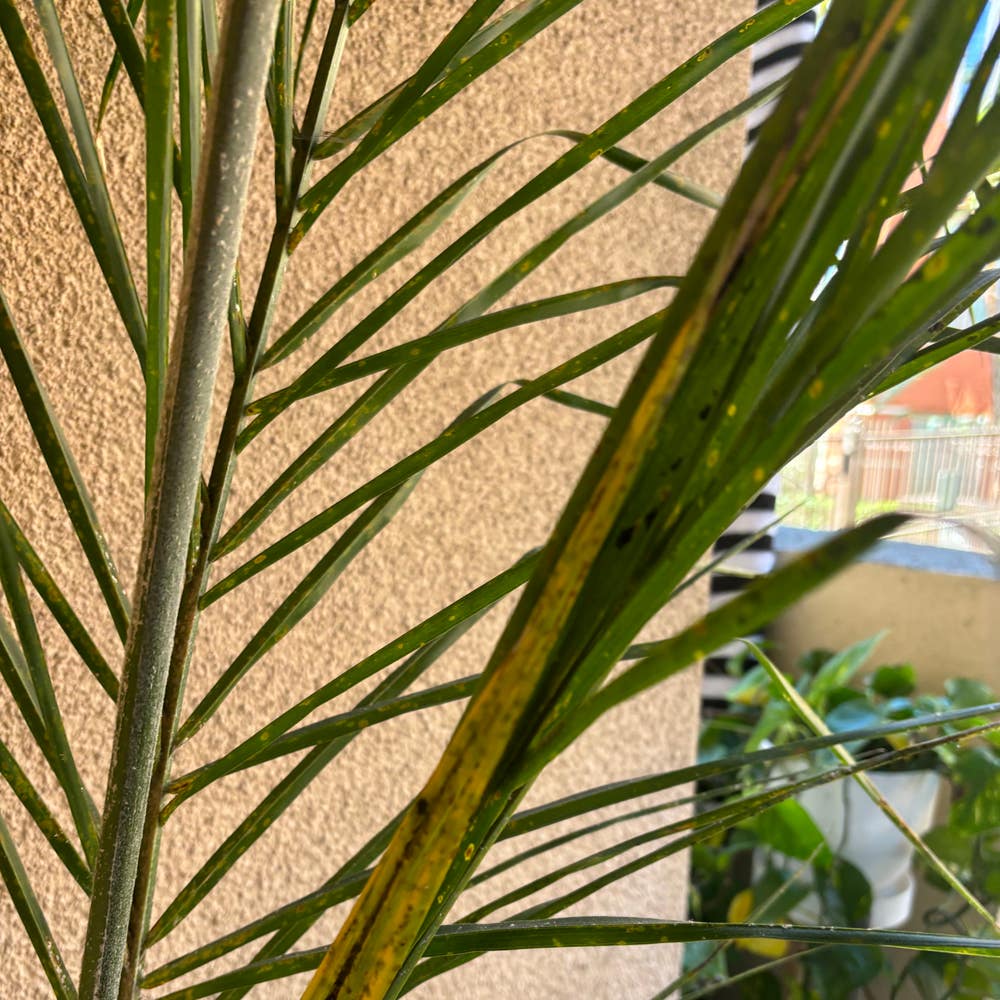
❄️ How to Care for Your Cocos Palm in Winter
Syagrus comosa
By the Greg Editorial Team
Nov 23, 2024•5 min read
This article was created with the help of AI so we can cover more plants for you. May contain errors. See one? Report it here.
Ensure your Cocos Palm thrives this winter with essential care tips for protection and growth! 🌴❄️
- ❄️ Frost protection is vital for Cocos Palms to prevent damage and stunted growth.
- 🌱 Adjust watering every 2-3 weeks in winter to avoid root rot.
- 🌞 Position near south/west windows for optimal sunlight during winter months.
Winter Care Requirements
❄️ Frost Protection Methods
Frost protection is crucial for your Cocos Palm, especially during the colder months. Without proper care, frost can damage the leaves and stunt growth.
Covering with Frost Cloth or Burlap
One of the easiest methods to protect your palm is by covering it with frost cloth or burlap. This simple step can shield your plant from harsh temperatures.
Using Heat Lamps or String Lights
For a more moderate approach, consider using heat lamps or string lights. These can provide additional warmth during particularly chilly nights.
Mulching Around the Base
Mulching around the base of your Cocos Palm helps retain soil heat. This method not only protects the roots but also promotes healthier growth.
🌧️ Adjusting Watering Schedules During Winter
As winter sets in, it's essential to adjust your watering schedule. Reducing the frequency can prevent root rot, which is a common issue during this season.
Signs of Overwatering
Watch for signs of overwatering, such as wilting or yellowing leaves. These indicators suggest that your palm is not thriving in its current watering routine.
Recommended Watering Schedule
Aim to water your Cocos Palm every 2-3 weeks, depending on indoor humidity levels. This schedule helps maintain moisture without overwhelming the roots.
🥶 Fertilizing in Winter: What to Know
During winter, it's important to reduce fertilization as your Cocos Palm enters dormancy. Over-fertilizing can lead to nutrient buildup and harm the plant.
Recommended Fertilizer Type
Opt for low-nitrogen, slow-release fertilizers if you need to fertilize. These types provide nutrients gradually, supporting your palm without overloading it.
Timing of Fertilization
If necessary, apply fertilizer in early winter. This timing ensures your Cocos Palm receives the nutrients it needs without disrupting its natural dormancy.
As you prepare to care for your Cocos Palm this winter, remember that each step you take contributes to its health and vitality. Next, we’ll explore how to transition your palm indoors for the colder months.
Indoor Care
Transitioning indoors for winter 🌨️
Bringing your Cocos Palm indoors is crucial before the first frost hits. Timing is everything; aim to move your palm when temperatures start to dip consistently.
To ensure a smooth transition, follow these steps:
- Gradually acclimate to indoor conditions: Start by bringing your palm inside for a few hours each day, gradually increasing the time it spends indoors.
- Inspect for pests before moving indoors: Check the leaves and soil for any unwanted guests that could hitch a ride.
- Choose a suitable pot if necessary: If your palm has outgrown its pot, select a slightly larger one to give those roots room to breathe.
Light and humidity requirements 💡
Cocos Palms thrive in bright light, so placement is key. Position your palm near south or west-facing windows to maximize sunlight exposure.
If natural light falls short, consider supplementing with grow lights. This can help keep your palm healthy and vibrant during the darker months.
Maintaining humidity levels is also essential. Use a humidifier or place pebble trays filled with water beneath the pot to create a more humid environment. This will help your palm feel right at home indoors.
With these indoor care tips, your Cocos Palm will not only survive but thrive throughout the winter. Next, let’s explore how to prepare for spring growth and recovery from any winter damage.
Spring Preparation and Recovery
🌨️ Signs of winter damage
As winter fades, your Cocos Palm may show signs of distress. Look for browning fronds and stunted growth, which indicate that your palm has endured the cold months.
Assess the extent of the damage by checking for leaf drop versus minor browning. Leaf drop suggests more severe issues, while minor browning may be manageable with proper care.
✂️ Steps for recovery from winter damage
Pruning damaged fronds is essential for recovery. Aim to prune during early spring, removing any dead or severely damaged leaves to encourage new growth.
After pruning, provide extra care by increasing watering and fertilization. This boost helps your palm recover and regain its vigor after the harsh winter.
Keep an eye out for pests that may take advantage of weakened plants. Regular inspections will help you catch any infestations early.
🌱 Preparing for spring growth
Watch for signs of new growth, like green shoots emerging from the trunk. This is a positive indication that your Cocos Palm is ready to thrive again.
Adjust your care routine by gradually increasing watering and fertilization as temperatures rise. This gradual approach helps your palm acclimate to the changing conditions.
If your palm appears root-bound, consider repotting it into a larger container. This will provide the necessary space for healthy root development and support robust growth.
With these steps, your Cocos Palm will be well on its way to flourishing in the spring. Next, let’s explore how geographic considerations can impact your palm care strategies.
Geographic Considerations
🌨️ Cold Hardiness Zones
Understanding cold hardiness zones is crucial for the successful care of your Cocos Palm during winter. These palms thrive best in USDA zones 10-11, where temperatures rarely dip below freezing.
If you live in a colder zone, you'll need to take extra precautions to protect your palm from frost. Knowing your zone helps you tailor your winter care strategies effectively.
🗺️ Regional Differences in Winter Care Practices
Winter care practices can vary significantly based on your geographic location. For instance, areas with milder winters may require less intensive frost protection compared to regions that experience harsh cold.
- Frost Protection Methods: In warmer climates, simple coverings may suffice, while colder areas might need heat lamps or more robust insulation.
- Indoor Care Adjustments: Humidity levels can differ widely; thus, you may need to adapt your indoor care practices accordingly.
Local resources can also be invaluable. Check out nearby nurseries or gardening clubs for tailored advice and support specific to your region. They often provide insights into the best practices for your local climate, ensuring your Cocos Palm thrives even in winter.
As you consider these geographic factors, remember that your palm's health is closely tied to its environment. Understanding these nuances will set you up for success as you transition into the next section on indoor care.
⚠️ Safety First
This content is for general information and may contain errors, omissions, or outdated details. It is not medical, veterinary advice, or an endorsement of therapeutic claims.
Always consult a qualified healthcare professional before using any plant as food, medicine, or supplement.
Never eat any plant (or feed one to pets) without confirming its identity with at least two trusted sources.
If you suspect poisoning, call Poison Control (800) 222-1222, the Pet Poison Helpline (800) 213-6680, or your local emergency service immediately.
Spotted an error? Please report it here.
Keep your Cocos Palm thriving this winter ❄️ with Greg's tailored care reminders and expert tips to protect it from frost and ensure it gets the sunlight it craves!