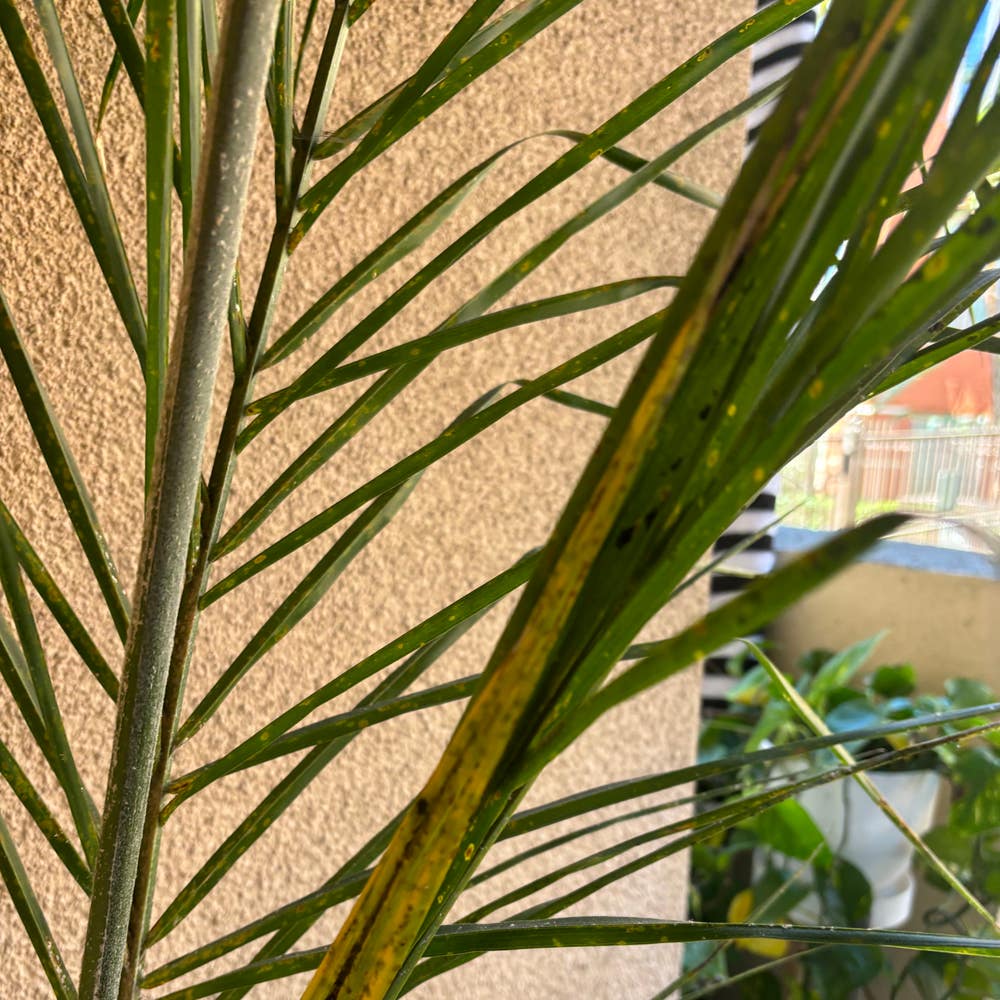
🌴 Cocos Palm Is Not an Annual
Syagrus comosa
By the Greg Editorial Team
Nov 23, 2024•5 min read
This article was created with the help of AI so we can cover more plants for you. May contain errors. See one? Report it here.
Elevate your garden's beauty 🌴 with the resilient Cocos Palm, a long-term investment in tropical paradise and biodiversity!
- 🌴 Cocos Palm lives over 70 years, making it a valuable long-term garden investment.
- 🌞 This palm thrives in tropical climates, ensuring optimal growth and flowering year-round.
- 🌿 Cocos Palm enhances aesthetics and supports wildlife, enriching your garden's ecosystem.
Genetic and Physiological Characteristics
Long-term Lifecycle 🌱
The Cocos Palm is a remarkable species with a lifespan that can exceed 70 years when nurtured in optimal conditions. Its lifecycle consists of distinct growth stages: seedling, juvenile, mature, and senescent phases, each contributing to its longevity and resilience.
Growth Patterns 🌴
This palm features a unique structure characterized by a single trunk topped with a crown of large, feathery leaves. It grows at a moderate rate, often reaching impressive heights of up to 30 meters (98 feet), making it a striking addition to any landscape.
Reproductive Strategies 🌺
One of the most fascinating aspects of the Cocos Palm is its reproductive strategy. It produces flowers year-round, with peak flowering occurring during specific seasons, ensuring a continuous supply of coconuts. These coconuts are not just plentiful; they can float and disperse over water, allowing the species to thrive in coastal regions.
The Cocos Palm's genetic and physiological traits highlight its adaptability and importance in tropical ecosystems. Understanding these characteristics sets the stage for appreciating its role in landscaping and gardening, which we will explore next.
Lifecycle Comparison with True Annuals
Differences in Lifespan and Growth Patterns 🌱
The Cocos Palm is a perennial powerhouse, boasting a lifespan that can exceed 70 years. In stark contrast, true annuals complete their lifecycle in just one season, making the Cocos Palm a long-term investment for any garden.
When it comes to growth and flowering, the Cocos Palm stands out. It flowers continuously throughout the year, while annuals typically have a defined flowering period, blooming once and then fading away.
Implications of Perennial Lifecycle 🌳
This long lifespan means the Cocos Palm allocates resources differently than annuals. It invests in sustained growth and reproduction, ensuring it thrives over decades.
Moreover, the flowering of the Cocos Palm can be influenced by environmental factors. Changes in temperature and rainfall can affect its blooming patterns, showcasing its adaptability to seasonal variations.
Understanding these differences not only highlights the unique characteristics of the Cocos Palm but also sets the stage for effective garden design and care practices. As we explore garden strategies, keep in mind how these lifecycle traits can enhance your landscaping efforts.
Misconceptions and Treatment in Different Regions
🌍 Conditions Leading to Misclassification
Cocos Palm often faces misclassification, particularly in non-tropical environments. When planted outside its ideal climate, it may struggle to thrive, leading to misunderstandings about its true lifecycle.
In cooler regions, the palm can enter a state of seasonal dormancy. This slowdown in growth can mimic the behavior of annual plants, further fueling misconceptions about its perennial nature.
❄️ Care Practices in Harsh Climates
To combat these challenges, adaptation strategies are essential. Gardeners can employ protective measures, such as windbreaks or mulch, to create a more favorable microclimate for the palm.
Indoor cultivation is another effective approach. By bringing Cocos Palm inside during colder months, you can help it maintain its health and extend its lifecycle, ensuring it continues to flourish in your garden.
Understanding these nuances allows for better care and appreciation of the Cocos Palm, regardless of the climate. As we explore the next section, let’s delve into how this palm can enhance garden design and planting strategies.
Garden Design and Planting Strategies
🌳 Advantages in Landscaping
Cocos Palm brings a striking aesthetic to any garden with its tall, feathery leaves that evoke a tropical paradise. This palm not only enhances visual appeal but also provides essential environmental benefits, offering shade and creating habitats for various wildlife.
🌱 Planning for Perennial Growth
When considering placement, Cocos Palm thrives in coastal and tropical gardens, where it can bask in ample sunlight and have enough space to grow.
Companion planting is a fantastic strategy; pairing Cocos Palm with other tropical plants creates a cohesive and vibrant landscape design. This approach not only enhances the beauty of your garden but also promotes biodiversity, making your outdoor space a lively ecosystem.
Incorporating Cocos Palm into your garden design not only elevates its aesthetic but also supports a sustainable environment. As you plan your garden, think about how these palms can flourish alongside other plants, ensuring a thriving, perennial landscape.
Management Tips for Longevity
Best Practices for Perennial Management 🌱
To ensure your Cocos Palm thrives, start with the right soil. A well-draining, sandy loam enriched with nutrients is ideal for promoting healthy growth.
Watering is crucial, especially during dry spells. Regular irrigation helps maintain moisture levels, allowing the palm to flourish.
Maximizing Health and Longevity 🌟
A balanced fertilization schedule can work wonders during the growing season. Applying fertilizers that provide essential nutrients will support robust growth and flowering.
Pest management is equally important. Regularly inspect your palm for pests and diseases, and consider using organic control methods to keep your plant healthy and vibrant.
By following these management tips, you can enjoy the beauty and benefits of your Cocos Palm for many years to come. Next, let’s explore how to incorporate this stunning palm into your garden design effectively.
⚠️ Safety First
This content is for general information and may contain errors, omissions, or outdated details. It is not medical, veterinary advice, or an endorsement of therapeutic claims.
Always consult a qualified healthcare professional before using any plant as food, medicine, or supplement.
Never eat any plant (or feed one to pets) without confirming its identity with at least two trusted sources.
If you suspect poisoning, call Poison Control (800) 222-1222, the Pet Poison Helpline (800) 213-6680, or your local emergency service immediately.
Spotted an error? Please report it here.
Transform your garden with the timeless beauty of the Cocos Palm 🌴, and let Greg guide you with tailored care tips to ensure it flourishes for years to come!