How to Fix Droopy Leaves on Your Cocos Palm
Syagrus comosa
By the Greg Editorial Team
Nov 23, 2024•3 min read
This article was created with the help of AI so we can cover more plants for you. May contain errors. See one? Report it here.
Transform your droopy Cocos Palm 🌴 into a lush beauty with these essential care tips for vibrant leaves!
- 💧 Water when top 2 inches of soil are dry for healthy Cocos Palm leaves.
- 🌿 Maintain humidity levels between 60%-80% to prevent droopy leaves.
- 🌞 Ensure 6 hours of indirect light daily for optimal growth and leaf health.
Solutions for Droopy Leaves
🌊 Watering Techniques
Establishing a proper watering schedule is crucial for your Cocos Palm. Water your plant when the top 2 inches of soil feel dry to the touch.
Deep watering is essential as it encourages robust root growth. This method ensures that water penetrates deeply, promoting a healthier plant overall.
💧 Adjusting Humidity Levels
Cocos Palms thrive in humidity levels between 60% and 80%. Maintaining this range is vital for preventing droopy leaves.
To increase humidity, consider misting the leaves daily or every few days. Alternatively, using a humidifier can be particularly effective in dry climates.
🌱 Fertilization Practices
For optimal growth, use a balanced NPK fertilizer, such as 10-10-10. This provides essential nutrients that support your palm's health.
Fertilize every 4-6 weeks during the growing season to keep your Cocos Palm thriving. Regular feeding helps prevent nutrient deficiencies that can lead to droopy leaves.
🐛 Pest Control Methods
Regular inspection is key to identifying pests that may affect your palm. Look for signs of infestation, such as discolored leaves or webbing.
If you spot pests, treatment options include insecticidal soap or neem oil for organic control. These methods are effective and safe for your plant and the environment.
By implementing these solutions, you can help your Cocos Palm regain its vitality and prevent droopy leaves. Next, let's explore preventative measures to keep your palm healthy in the long run.
Preventative Measures
Ideal Growing Conditions 🌞
To keep your Cocos Palm thriving, start with the right soil. Use sandy, well-draining soil to prevent waterlogging, which can lead to droopy leaves.
Light exposure is equally crucial. Aim for full sun to partial shade, ensuring your palm receives at least six hours of indirect light daily.
Regular Maintenance Tips 🧹
Regular maintenance can make a significant difference in your palm's health. Prune dead or damaged fronds promptly to encourage new growth and maintain a tidy appearance.
Cleaning the leaves is another essential task. Dust accumulation can hinder photosynthesis, so gently wipe the leaves with a damp cloth to keep them clean and vibrant.
Seasonal Care Considerations 🌦️
As seasons change, so should your care routine. In winter, reduce watering frequency since the plant's growth slows down, and it requires less moisture.
Prepare for summer heat by increasing both watering and humidity levels. This adjustment helps your Cocos Palm cope with the warmer temperatures and prevents droopy leaves.
By implementing these preventative measures, you can create an environment where your Cocos Palm flourishes. Next, let’s explore how to monitor and maintain your palm for ongoing health and vitality.
Monitoring and Maintenance
Signs of Healthy vs. Droopy Leaves 🌿
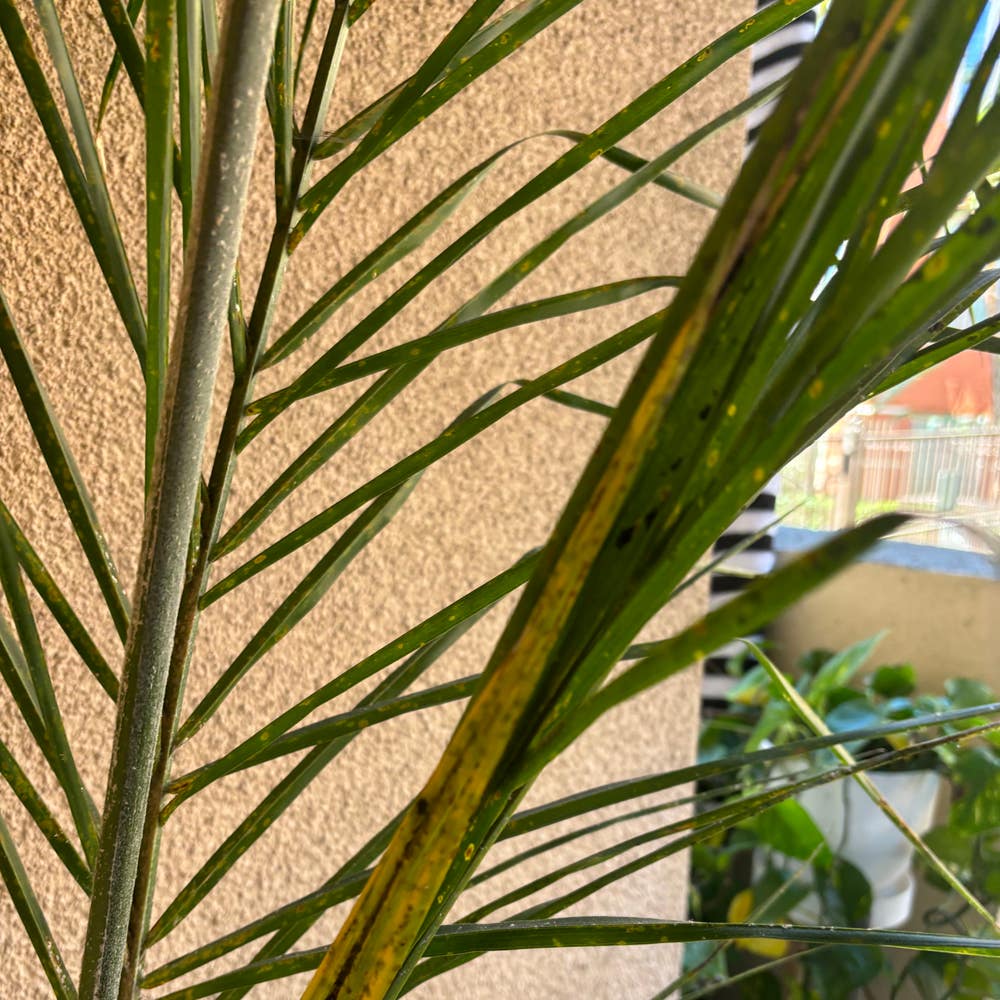
Healthy Cocos palm leaves are a vibrant green and stand upright, showcasing their vitality. In contrast, droopy leaves may exhibit yellowing, curling, or wilting, indicating that your plant needs attention.
Regular Inspection Routines 🔍
Conduct weekly checks on your Cocos palm to catch any signs of stress or pests early. Focus on assessing soil moisture, examining leaf condition, and looking for any pest presence that could affect your plant's health.
When to Seek Professional Help 🆘
If your Cocos palm continues to droop despite your best care efforts, it may be time to consult a professional. Local horticulturists or plant care experts can provide tailored advice and solutions to revive your palm and restore its health.
By keeping a close eye on your plant and knowing when to seek help, you can ensure your Cocos palm thrives beautifully in your space. Next, let’s explore preventative measures to maintain its health and vitality.
⚠️ Safety First
This content is for general information and may contain errors, omissions, or outdated details. It is not medical, veterinary advice, or an endorsement of therapeutic claims.
Always consult a qualified healthcare professional before using any plant as food, medicine, or supplement.
Never eat any plant (or feed one to pets) without confirming its identity with at least two trusted sources.
If you suspect poisoning, call Poison Control (800) 222-1222, the Pet Poison Helpline (800) 213-6680, or your local emergency service immediately.
Spotted an error? Please report it here.
Revive your droopy Cocos Palm and keep it thriving 🌴 with Greg's personalized care reminders for watering, humidity, and pest control!