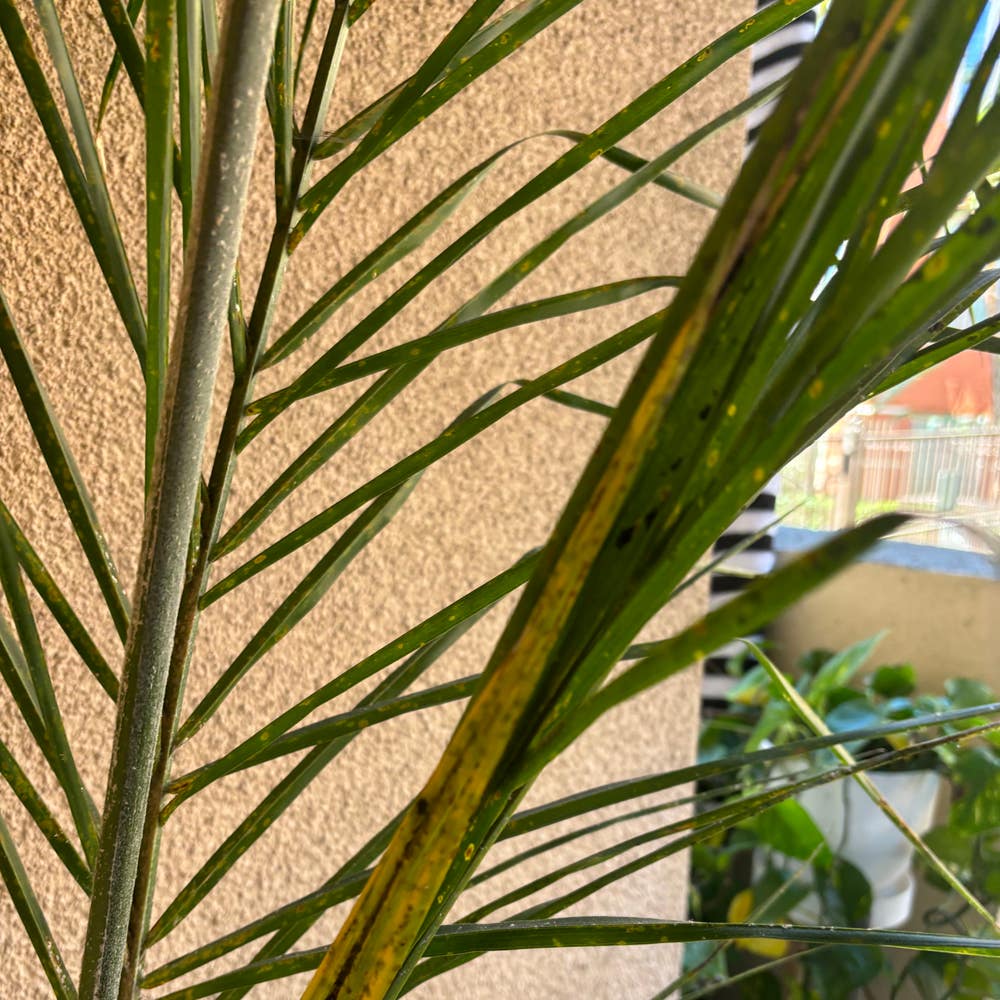
What's Eating Your Cocos Palm? 🐞
Syagrus comosa
By the Greg Editorial Team
Nov 23, 2024•5 min read
This article was created with the help of AI so we can cover more plants for you. May contain errors. See one? Report it here.
Safeguard your Cocos palms from pesky herbivores 🌿 with these simple yet effective protection tips for thriving plants!
- 🦌 Cocos palms face threats from deer, rabbits, squirrels, and more.
- 🚫 Effective deterrents include fencing, repellents, and regular monitoring.
- 🌱 Quick identification of damage is crucial for Cocos palm health.
Common Herbivores Affecting Cocos Palm
🦌 Deer
Signs of presence and damage caused
Deer are often the culprits when it comes to damage to Cocos palms. Look for hoof prints in the soil around the base and fronds that are chewed or stripped, especially the lower leaves.
Beneficial vs. harmful interactions
While deer may seem harmless, their presence is generally detrimental. They can lead to significant frond loss, ultimately weakening the trees.
Deterrent methods
To keep deer at bay, consider using commercial deer repellents that emit strong scents. Alternatively, you can plant deer-resistant companion plants or scatter human hair and soap shavings around the base for a more organic approach.
🐇 Rabbits
Signs of presence and damage caused
Rabbits leave behind small, round droppings near the base of the palm. You may also notice clean cuts on young shoots and fronds, indicating their gnawing habits.
Beneficial vs. harmful interactions
Rabbits are generally harmful to Cocos palms. Their feeding can stunt growth and damage young plants, making them a nuisance.
Deterrent methods
For an easy deterrent, apply bitter-tasting sprays on young shoots. You can also fence the area with chicken wire or use repellents like cayenne pepper to keep them away.
🐿️ Squirrels
Signs of presence and damage caused
Squirrels can be identified by chewed fronds, showing evidence of nibbling on the edges of leaves. Look for nests in the fronds or nearby trees as signs of their presence.
Beneficial vs. harmful interactions
These furry critters are generally harmful as well. They can damage fronds and may even eat immature coconuts, posing a risk to your palm's health.
Deterrent methods
To deter squirrels, use squirrel repellents containing capsaicin. Installing squirrel baffles on nearby trees or hanging reflective objects can also help keep them away.
🐦 Birds
Signs of presence and damage caused
Birds can be spotted by pecking marks on the fronds or fruits. Additionally, nests built in the fronds indicate their presence.
Beneficial vs. harmful interactions
Birds have mixed interactions with Cocos palms. While some may assist with pollination, others can cause damage to the fruits.
Deterrent methods
Non-toxic bird repellents can be effective in keeping birds away. Hanging reflective tape or using decoys can also scare them off.
🐭 Rodents (mice, voles, etc.)
Signs of presence and damage caused
Rodents leave behind burrows, creating holes at the base of the palm or nearby. Chewed roots can lead to significant plant stress.
Beneficial vs. harmful interactions
Rodents are generally harmful, causing extensive damage and weakening the palm. Their presence can be a serious concern for palm health.
Deterrent methods
For a harder approach, consider using rodent bait stations. Alternatively, trapping and relocating them or using natural repellents like peppermint oil can be effective organic methods.
🦡 Groundhogs/Woodchucks
Signs of presence and damage caused
Groundhogs create large burrows near the base of the palm. They also heavily damage fronds and young shoots through browsing.
Beneficial vs. harmful interactions
These animals are generally harmful, as they can cause extensive damage to young palms. Their feeding habits can severely impact growth.
Deterrent methods
To deter groundhogs, use commercial repellents specifically designed for them. Installing fencing at least 3 feet high or using motion-activated sprinklers can also help protect your palms.
As you navigate the challenges posed by these herbivores, understanding their behaviors and implementing effective deterrent methods will be key to maintaining the health of your Cocos palms. Next, we will explore general strategies for protecting these valuable plants from various threats.
General Strategies for Protection
🛡️ Preventive measures for protecting Cocos Palm
To safeguard your Cocos Palm, regular monitoring is essential. Keep an eye out for signs of animal activity, such as tracks or chewed fronds.
Physical barriers can also be effective. Consider installing fencing or netting around young palms to deter herbivores from accessing them.
⚠️ Reactive solutions for managing animal interactions
When damage occurs, an immediate response is crucial. Quickly identify the source of the problem and address it to minimize further harm.
Implementing integrated pest management is a smart approach. This method combines chemical and organic solutions for effective control of animal interactions.
🌱 Seasonal variations in animal attraction to Cocos Palm
Be aware that animal activity increases in spring and summer. During these seasons, young shoots and fruits become particularly attractive to herbivores.
In winter, some animals may seek shelter or food sources near the palm. Understanding these seasonal behaviors can help you anticipate and mitigate potential issues.
Toxicity and Safety
☠️ Discussion of any toxic effects of Cocos Palm on animals
Coconuts have mild toxicity that can lead to digestive issues in some animals if consumed in large quantities. It's important to be aware of this when managing animal interactions.
🏡 Implications for animal interactions and garden safety
Understanding the toxicity of Cocos Palm helps in managing animal interactions effectively. This knowledge ensures a balanced ecosystem while keeping your garden safe and thriving.
By being proactive and informed, you can protect your Cocos Palm from herbivores while fostering a healthy environment. Next, we will explore specific herbivores that commonly affect these palms and how to identify their presence.
⚠️ Safety First
This content is for general information and may contain errors, omissions, or outdated details. It is not medical, veterinary advice, or an endorsement of therapeutic claims.
Always consult a qualified healthcare professional before using any plant as food, medicine, or supplement.
Never eat any plant (or feed one to pets) without confirming its identity with at least two trusted sources.
If you suspect poisoning, call Poison Control (800) 222-1222, the Pet Poison Helpline (800) 213-6680, or your local emergency service immediately.
Spotted an error? Please report it here.
Keep your Cocos palm thriving 🌴 by using Greg's personalized tips and reminders to deter herbivores and protect your precious plant from damage!