Ultimate Guide to What's Eating Your Rice Flower 🐛
Helichrysum teretifolium
By the Greg Editorial Team
Nov 07, 2024•8 min read
This article was created with the help of AI so we can cover more plants for you. May contain errors. See one? Report it here.
Unlock your garden's potential with rice flower, a beauty that attracts wildlife and boosts biodiversity! 🌸
- 🌸 Rice flowers attract pollinators while deterring some herbivores with mild toxicity.
- 🦌 Deer and rabbits threaten rice flowers; use repellents and barriers for protection.
- 🌿 Diverse planting enhances biodiversity, supporting beneficial insects and a healthier garden ecosystem.
Description and Appeal of Rice Flower
Appearance 🌸
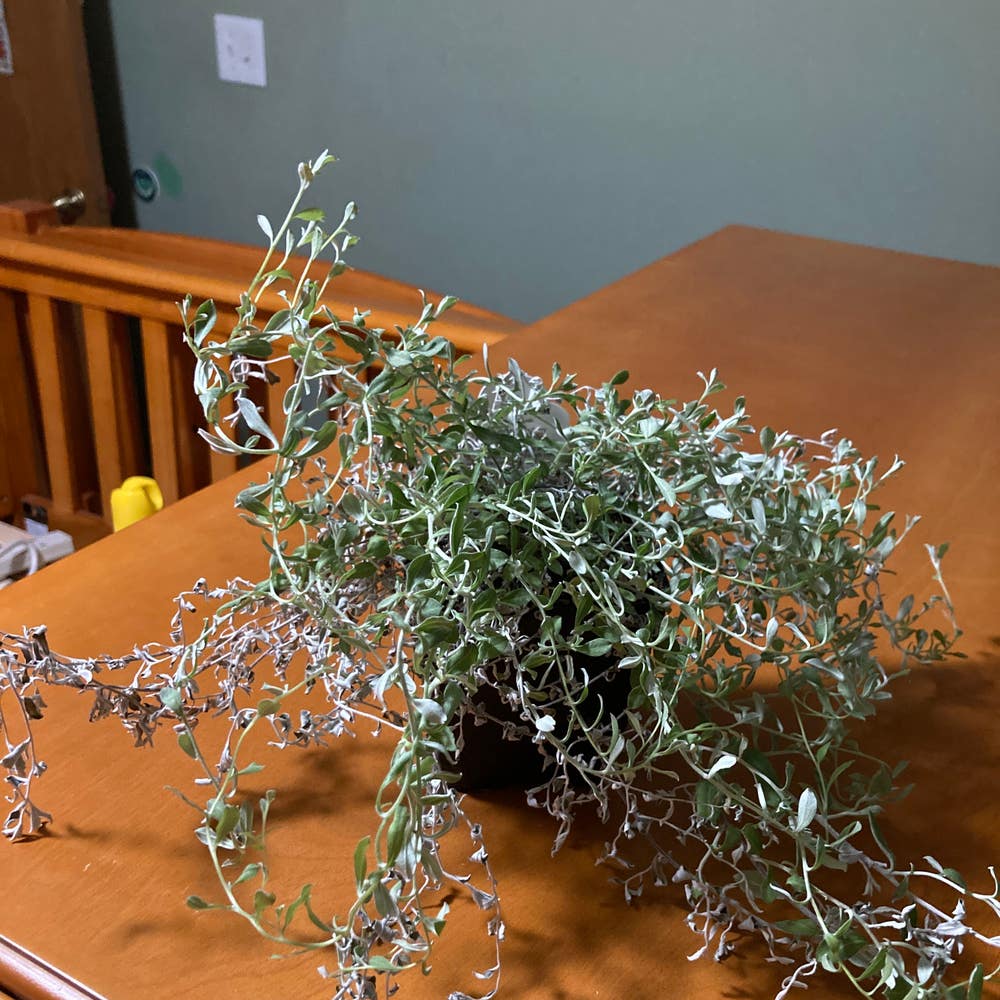
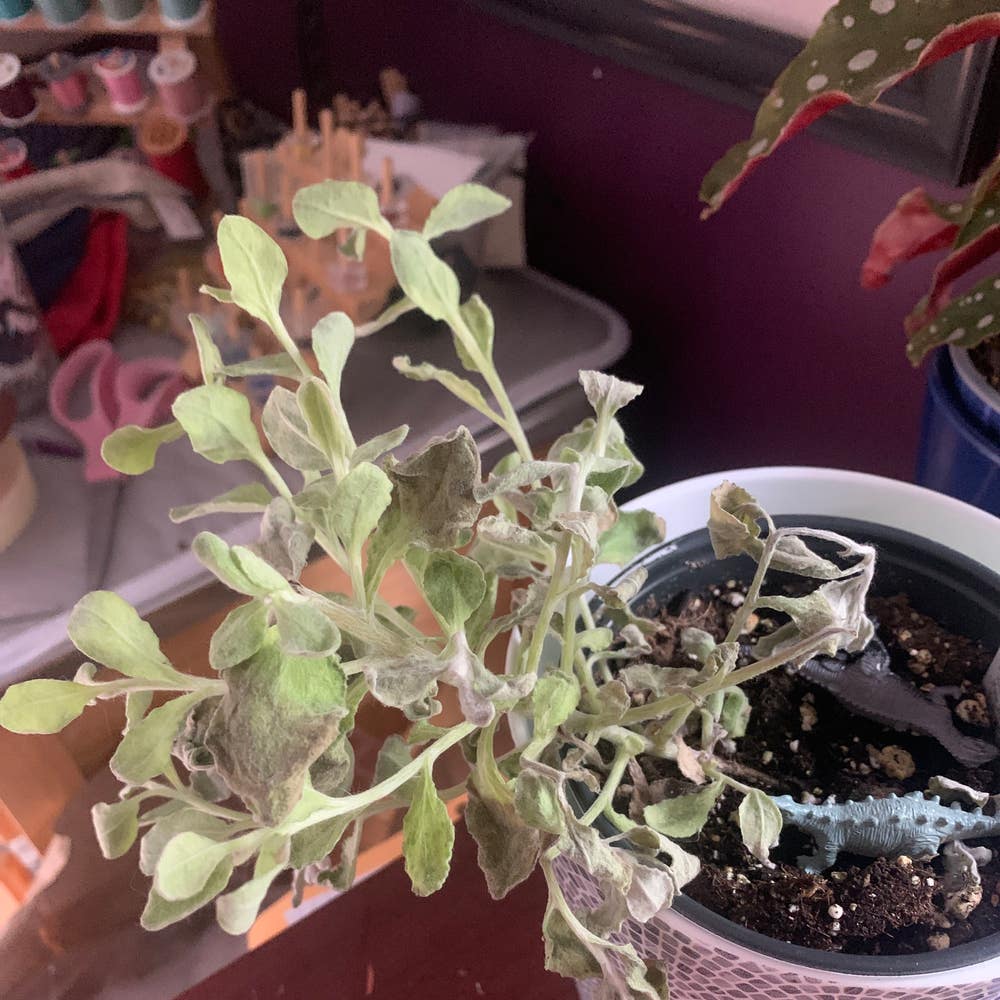
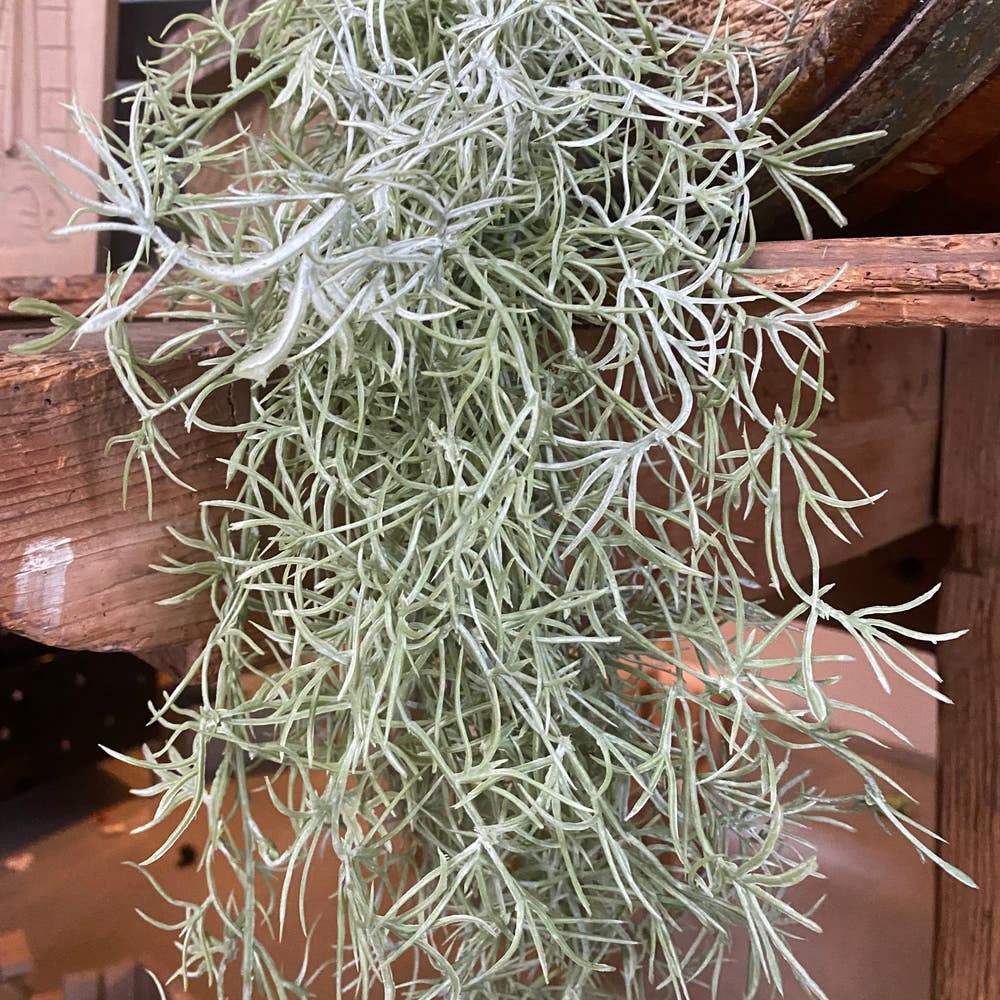
Rice flower captivates with its delicate white to pink flowers that exude a pleasant aroma. This shrubby plant can grow up to 1 meter tall, making it a striking addition to any garden.
Most Appealing Parts to Animals 🐾
The young shoots of the rice flower are particularly enticing due to their tender texture and high nutritional value. Additionally, the flowers attract a variety of pollinators and herbivores, while the nutrient-rich fruits appeal to many garden animals.
This combination of beauty and nutritional appeal makes the rice flower a magnet for wildlife, enhancing the biodiversity of your garden. As you cultivate this plant, you'll not only enjoy its aesthetic charm but also support a vibrant ecosystem.
Common Herbivores Affecting Rice Flower
🦌 Deer
Signs of presence and damage caused
Deer are often the first culprits when it comes to damage to rice flowers. Look for hoof prints in muddy areas and notice if leaves and young shoots are stripped away, leading to stunted growth.
Beneficial vs. harmful interaction
While deer can add a certain charm to the landscape, their impact is generally harmful. Without proper management, they can decimate rice flower populations.
Deterrent methods
To keep deer at bay, consider using commercial deer repellents. Alternatively, erecting 8-foot tall fences or planting deer-resistant species nearby can effectively deter these large herbivores.
🐇 Rabbits
Signs of presence and damage caused
Rabbits leave behind small, round droppings near the base of the plant. Their feeding habits result in cleanly cut stems and leaves, often nibbled down to ground level.
Beneficial vs. harmful interaction
Rabbits are generally harmful to rice flowers, especially young plants. Their appetite can lead to severe damage if left unchecked.
Deterrent methods
For an easy solution, try using rabbit repellents that feature strong scents like garlic. You can also protect your plants with chicken wire or companion plant strong-smelling herbs nearby.
🐿️ Squirrels
Signs of presence and damage caused
Squirrels can be quite destructive, leaving gnaw marks on stems and flowers. You might also notice disturbed soil around the base of the plant from their digging.
Beneficial vs. harmful interaction
These furry creatures are generally harmful, as they can cause significant damage to your rice flowers. Their playful antics can quickly turn into a nuisance.
Deterrent methods
To deter squirrels, apply hot pepper spray on your plants. Motion-activated sprinklers and planting squirrel-resistant varieties can also help keep them away.
🐦 Birds
Signs of presence and damage caused
Birds can be both friends and foes. Look for pecking holes in flowers and leaves, as well as nearby nests indicating their attraction to the area.
Beneficial vs. harmful interaction
Birds present a mixed bag; while some are beneficial pollinators, others can damage your plants. It's essential to identify which birds are visiting your garden.
Deterrent methods
To protect your rice flowers, consider using bird-safe repellents. Scare tactics like reflective tape or decoys can also effectively deter unwanted feathered visitors.
🐭 Rodents (mice, voles, etc.)
Signs of presence and damage caused
Rodents leave telltale signs like burrows near the base of the plant. You may also find gnawed roots and stems, indicating their feeding habits.
Beneficial vs. harmful interaction
Rodents are generally harmful, as they can undermine the health and stability of your rice flowers. Their presence can lead to significant issues in your garden.
Deterrent methods
For a more challenging problem, consider using rodent bait stations. Organic methods like traps or planting deterrent species such as mint can also help manage their populations.
🦡 Groundhogs/Woodchucks
Signs of presence and damage caused
Groundhogs leave large bites taken from leaves and stems, along with burrows near the base of the plant. Their grazing can be quite noticeable.
Beneficial vs. harmful interaction
These animals are generally harmful and can cause extensive damage to your garden. Their burrowing habits can disrupt the root systems of your plants.
Deterrent methods
To deter groundhogs, use commercial repellents specifically designed for them. Fencing that is buried at least 12 inches underground and using strong-smelling plants as barriers can also be effective.
Understanding the herbivores that affect rice flowers is crucial for maintaining a healthy garden. By implementing the right deterrent methods, you can protect your plants while still enjoying the beauty of nature. Next, let’s explore the beneficial animals attracted to rice flowers and how they contribute positively to your garden ecosystem.
Beneficial Animals Attracted to Rice Flower
🐝 Pollinators: Nature's Helpers
Rice flower is a magnet for pollinators like bees and butterflies. Their presence not only adds beauty to your garden but also plays a crucial role in the reproduction of these plants.
🦗 Predatory Insects: Guardians of the Garden
In addition to pollinators, beneficial predatory insects such as ladybugs and lacewings are drawn to rice flower. These insects help keep pest populations in check, ensuring a healthier garden ecosystem.
🌱 Positive Impacts on the Garden Ecosystem
The attraction of these beneficial animals leads to enhanced pollination. This results in better fruit and seed production, which is essential for the sustainability of your garden.
Moreover, the presence of natural pest controllers reduces the need for chemical interventions. By fostering a balanced ecosystem, you create a thriving environment for both plants and wildlife.
🌼 Encouraging Beneficial Wildlife
To maximize the benefits of these animals, consider planting rice flower in a diverse garden. This diversity not only attracts more pollinators but also supports a wider range of predatory insects.
In summary, the rice flower serves as a vital resource for beneficial animals, enhancing both the beauty and productivity of your garden. By nurturing these relationships, you contribute to a healthier ecosystem, making your gardening efforts even more rewarding.
Next, let’s explore general strategies for protecting rice flower from herbivores while maintaining this delicate balance.
General Strategies for Protecting Rice Flower
🛡️ Preventive Measures for Herbivore Damage
To protect your rice flower from herbivores, regular monitoring is essential. Keep an eye out for signs of animal presence, such as tracks or droppings, to catch potential issues early.
Another effective strategy is planting companion plants that deter herbivores. Consider species with strong scents or tough textures that can confuse or repel these unwanted visitors.
⚠️ Reactive Solutions for Managing Animal Interactions
When damage occurs, immediate action is crucial. Remove any damaged parts of the plant to encourage recovery and prevent further harm.
Additionally, using barriers and traps can be effective in managing animal interactions. Fencing or netting can protect your plants, while traps can help control populations of persistent pests.
🌱 Balancing Ecosystem Health While Protecting Rice Flower
It's important to strike a balance between protecting your rice flower and maintaining a healthy ecosystem. Encourage beneficial wildlife, such as pollinators and predatory insects, while managing harmful interactions with herbivores.
By fostering a diverse garden environment, you can create a thriving habitat that supports both your plants and the wildlife that benefits them. This approach not only protects your rice flower but also enhances the overall health of your garden ecosystem.
As we move forward, let's explore the seasonal considerations that can further inform your gardening strategies.
Seasonal Considerations
Seasonal Variations in Animal Attraction to Rice Flower 🌸
As the seasons change, so does the activity around your rice flower. In spring, expect a surge in herbivore activity as the plants begin to emerge, drawing in hungry animals eager for tender young shoots.
By summer, the rice flower reaches its peak flowering stage, attracting not only pollinators like bees and butterflies but also some herbivores that enjoy the blooms. This vibrant period is crucial for both plant reproduction and the local ecosystem.
Timing of Plant Vulnerability ⏰
The young shoots of rice flower are particularly vulnerable in early spring. During this time, their tender texture makes them a prime target for herbivores looking for a nutritious snack.
As the plants mature, they become more resilient and can withstand some herbivore pressure by late summer. This shift is essential for maintaining a healthy garden while balancing the needs of various wildlife.
Understanding these seasonal dynamics helps you protect your rice flower effectively while fostering a thriving garden ecosystem.
Toxicity and Ecological Impact
🐛 Toxic Effects of Rice Flower on Herbivores
Rice flower possesses mild toxicity, which can act as a double-edged sword in the garden. While it may deter some herbivores from munching on its leaves, it can also attract others that are less sensitive to its chemical makeup.
🌍 Role of Rice Flower in the Local Ecosystem
Beyond its toxicity, rice flower plays a vital role in the ecosystem. It provides essential habitat and food for various wildlife, including pollinators like bees and butterflies.
🌱 Contribution to Biodiversity
By supporting diverse species, rice flower contributes significantly to biodiversity. This diversity fosters a balanced ecosystem, enhancing the overall health of your garden.
🦋 Encouraging Wildlife
Incorporating rice flower into your garden can create a welcoming environment for beneficial creatures. These animals not only help with pollination but also assist in natural pest control, reducing the need for chemical interventions.
📚 Conclusion
Understanding the toxicity and ecological impact of rice flower enriches our appreciation of this plant. By nurturing it, we can promote a thriving garden ecosystem that benefits both plants and wildlife alike.
Next, we will explore general strategies for protecting rice flower from herbivores while maintaining a healthy balance in the ecosystem.
⚠️ Safety First
This content is for general information and may contain errors, omissions, or outdated details. It is not medical, veterinary advice, or an endorsement of therapeutic claims.
Always consult a qualified healthcare professional before using any plant as food, medicine, or supplement.
Never eat any plant (or feed one to pets) without confirming its identity with at least two trusted sources.
If you suspect poisoning, call Poison Control (800) 222-1222, the Pet Poison Helpline (800) 213-6680, or your local emergency service immediately.
Spotted an error? Please report it here.
Protect your rice flowers from herbivores while attracting beneficial wildlife 🌼 with Greg's tailored care reminders and expert tips to help you thrive in your gardening journey!