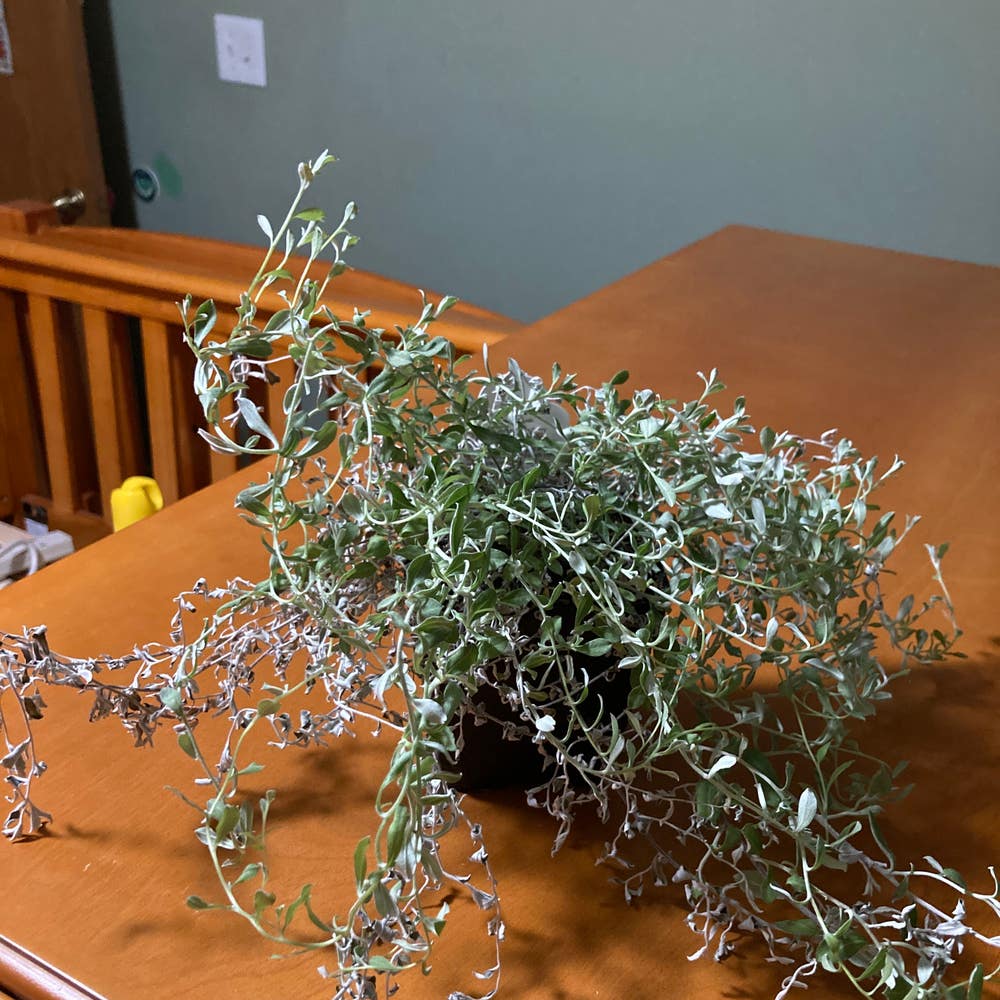
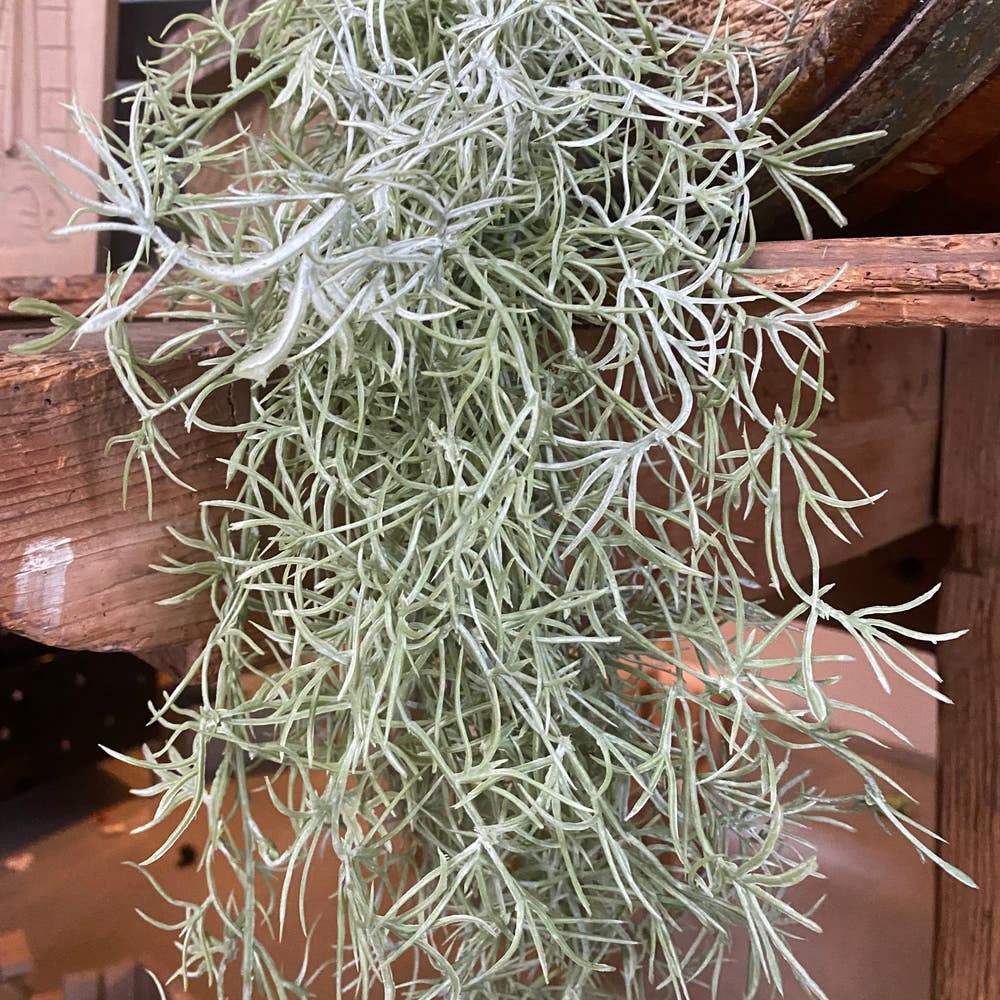
🌸 Ultimate Guide to Fixing Curling Leaves on Rice Flower
Helichrysum teretifolium
By the Greg Editorial Team
Nov 07, 2024•6 min read
This article was created with the help of AI so we can cover more plants for you. May contain errors. See one? Report it here.
Transform your Rice Flower's curling leaves 🌱 into lush greenery with these essential care tips and tricks!
- 🌱 Curling leaves indicate pests or environmental stress; diagnose carefully for effective treatment.
- 💧 Maintain consistent watering and humidity to prevent leaf curl in Rice Flower.
- 🐜 Regularly inspect for pests like aphids and spider mites to ensure plant health.
Diagnosing Curling Leaves
Identifying Symptoms of Leaf Curl 🌿
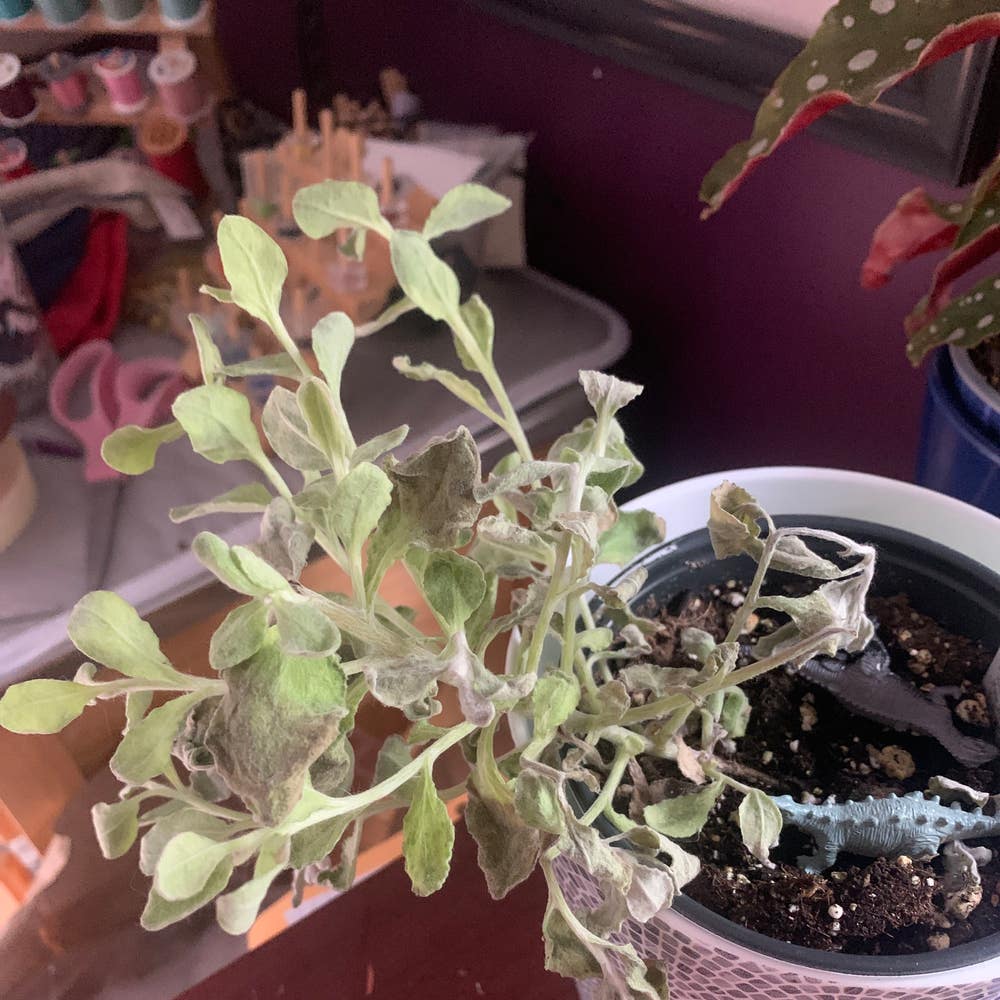
Curling leaves on your Rice Flower can be a distressing sight. The types of curl you might observe include inward curling, outward curling, and twisting, each indicating different underlying issues.
Color changes often accompany these curls. Leaves may turn yellow or exhibit dark spots, signaling that something is amiss with your plant's health.
Differentiating Between Pest Damage and Environmental Stress 🐛
Identifying the cause of leaf curl is crucial. Common pests like aphids can wreak havoc, leaving behind distorted leaves and sticky residue. Look for clusters on the undersides of leaves as a telltale sign of infestation.
Spider mites are another culprit, often leaving fine webbing and stippling on leaves. If you notice these symptoms, it's essential to act quickly to prevent further damage.
Environmental stress can mimic pest damage. Factors like inconsistent watering or extreme temperatures can lead to similar curling symptoms. Comparing the signs can help you pinpoint the root cause.
Assessing Soil and Watering Conditions 💧
Soil moisture plays a significant role in the health of your Rice Flower. You can test moisture levels using a moisture meter for accuracy or the finger test for a quick check.
Overwatering often leads to yellowing leaves and root rot, while underwatering can cause leaves to become crispy and brown. Regularly assessing root health can provide insights into your watering practices.
Solutions for Curling Leaves
🌱 Step-by-Step Guide to Treating Curling Leaves
Assess Watering Practices: Start by checking your watering frequency. Adjust it based on the soil moisture to ensure your Rice Flower is neither overwatered nor underwatered.
Improve Drainage: If your plant's soil retains too much water, consider enhancing drainage. Techniques like adding gravel or creating raised beds can help prevent waterlogging.
Apply Appropriate Fertilizers: Choose fertilizers that suit your Rice Flower's needs. A balanced NPK fertilizer with a ratio of 10-10-10 is often recommended, applied at half the suggested rate to avoid nutrient burn.
🌿 Recommended Fertilizers and Soil Amendments
Types of Fertilizers Suitable for Rice Flower:
- Balanced NPK Fertilizers: Look for a ratio around 10-10-10 for general health.
- Organic Options: Compost and well-rotted manure provide nutrients while improving soil structure.
Soil Amendments to Improve Nutrient Content:
- Adding Perlite or Sand: These materials enhance drainage, preventing root rot.
- Using Peat Moss: It retains moisture without waterlogging, making it ideal for maintaining consistent soil moisture levels.
🐞 Pest Management Strategies
Identifying and Treating Common Pests: Regularly inspect your Rice Flower for pests like aphids and spider mites. Early detection is key to effective management.
Organic Pest Control Methods: Neem oil and insecticidal soap are great options for treating infestations without harsh chemicals. Apply them according to the product instructions for the best results.
Chemical Options: If organic methods fail, consider chemical treatments. Use them sparingly and always follow safety guidelines to protect your plant and the environment.
By following these steps, you can effectively address curling leaves on your Rice Flower. With the right care, your plant will thrive, leading to lush, healthy foliage. Next, let’s explore how to prevent curling leaves in the first place.
Preventing Curling Leaves
🌧️ Best Practices for Watering and Humidity
Maintaining a consistent watering schedule is crucial for the health of your Rice Flower. Aim to water when the top inch of soil feels dry, ensuring you provide enough moisture without over-saturating the roots.
Humidity plays a significant role in preventing leaf curl. Consider using humidity trays filled with water and pebbles or misting your plants regularly to maintain optimal moisture levels. Ideally, indoor humidity for Rice Flower should be around 50-70%.
🌡️ Ideal Temperature Ranges for Rice Flower
Temperature stability is vital for your Rice Flower's well-being. Keep the plant in an environment where temperatures range from 65°F to 75°F (18°C to 24°C) to promote healthy growth.
Avoid drastic temperature fluctuations, as they can stress the plant. Additionally, protect your Rice Flower from frost and extreme heat by relocating it or using protective coverings when necessary.
🍂 Seasonal Care Tips to Avoid Leaf Curl
Spring is the perfect time to prepare your Rice Flower for growth. Ensure it receives adequate sunlight and nutrients to kickstart its development.
In summer, manage heat and moisture carefully. Regularly check soil moisture and provide shade during the hottest parts of the day to prevent stress.
As fall and winter approach, reduce watering and monitor for signs of dormancy. This helps your Rice Flower conserve energy and reduces the risk of leaf curl during colder months.
By following these preventive measures, you can keep your Rice Flower thriving and minimize the chances of curling leaves. Next, let’s explore how to monitor plant health effectively.
Monitoring Plant Health
🕵️ Regular Checks for Pests and Diseases
To keep your Rice Flower thriving, conduct weekly inspections. This routine helps catch any pests or diseases early, preventing further damage.
Look out for signs of common diseases. Root rot is a major concern; symptoms include yellowing leaves and a mushy root system. To prevent this, ensure proper drainage and avoid overwatering.
Fungal infections can also plague your plant. Watch for discolored spots on leaves or a powdery residue. Treat these issues promptly with appropriate fungicides or organic solutions.
🌱 Signs of Recovery from Leaf Curl
As your Rice Flower begins to bounce back, you'll notice several positive changes. New growth patterns, such as fresh leaves unfurling, indicate that your plant is regaining strength.
Additionally, observe the color and texture of the leaves. A return to vibrant green and a healthy, firm texture are great signs that your plant is recovering from leaf curl.
🆘 When to Seek Professional Help
Sometimes, DIY solutions just won't cut it. If your Rice Flower continues to struggle despite your best efforts, it may be time to consult a professional.
Look for local plant care experts or extension services. They can provide tailored advice and support to help your Rice Flower thrive once again.
By staying vigilant and proactive, you can ensure your Rice Flower remains healthy and beautiful. Now, let’s explore how to prevent curling leaves in the first place!
⚠️ Safety First
This content is for general information and may contain errors, omissions, or outdated details. It is not medical, veterinary advice, or an endorsement of therapeutic claims.
Always consult a qualified healthcare professional before using any plant as food, medicine, or supplement.
Never eat any plant (or feed one to pets) without confirming its identity with at least two trusted sources.
If you suspect poisoning, call Poison Control (800) 222-1222, the Pet Poison Helpline (800) 213-6680, or your local emergency service immediately.
Spotted an error? Please report it here.
Keep your Rice Flower curl-free 🌿 by using Greg's tailored watering reminders and pest alerts to ensure it thrives in optimal conditions!