🌸 Why Rice Flower Is Not an Annual
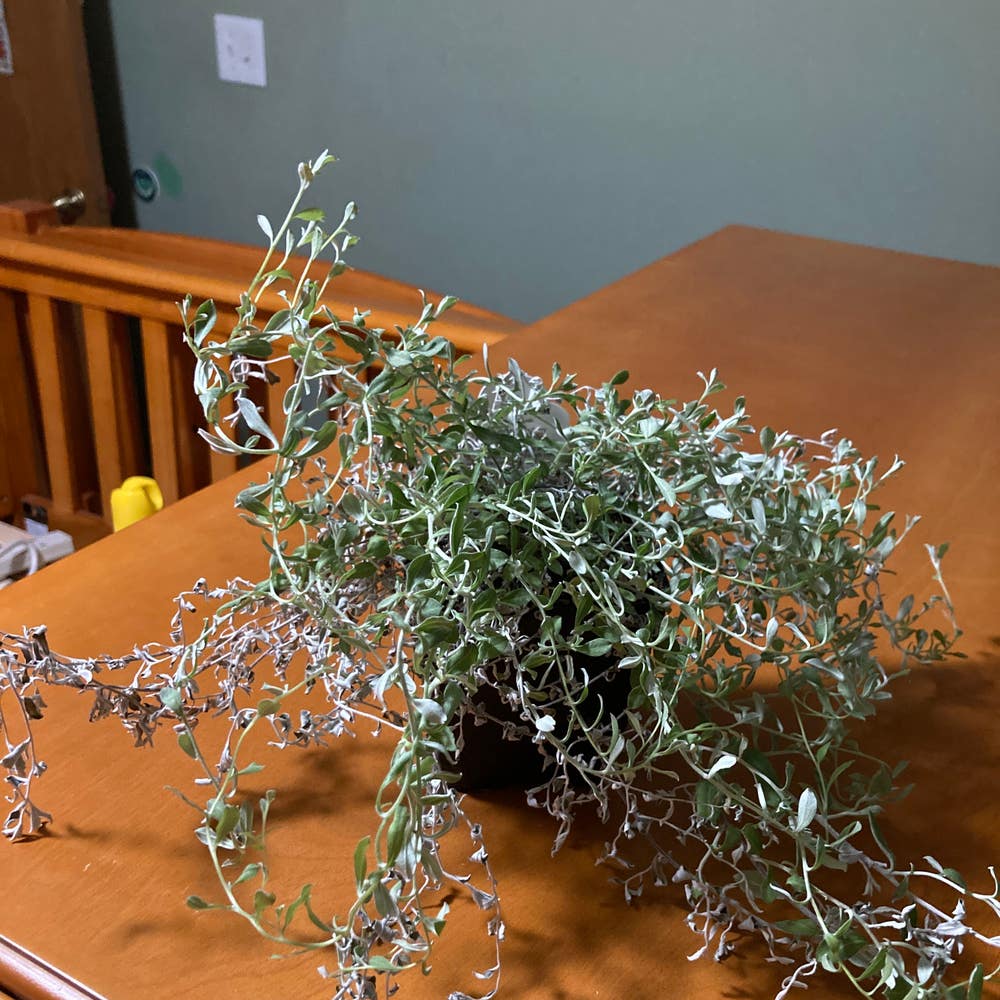
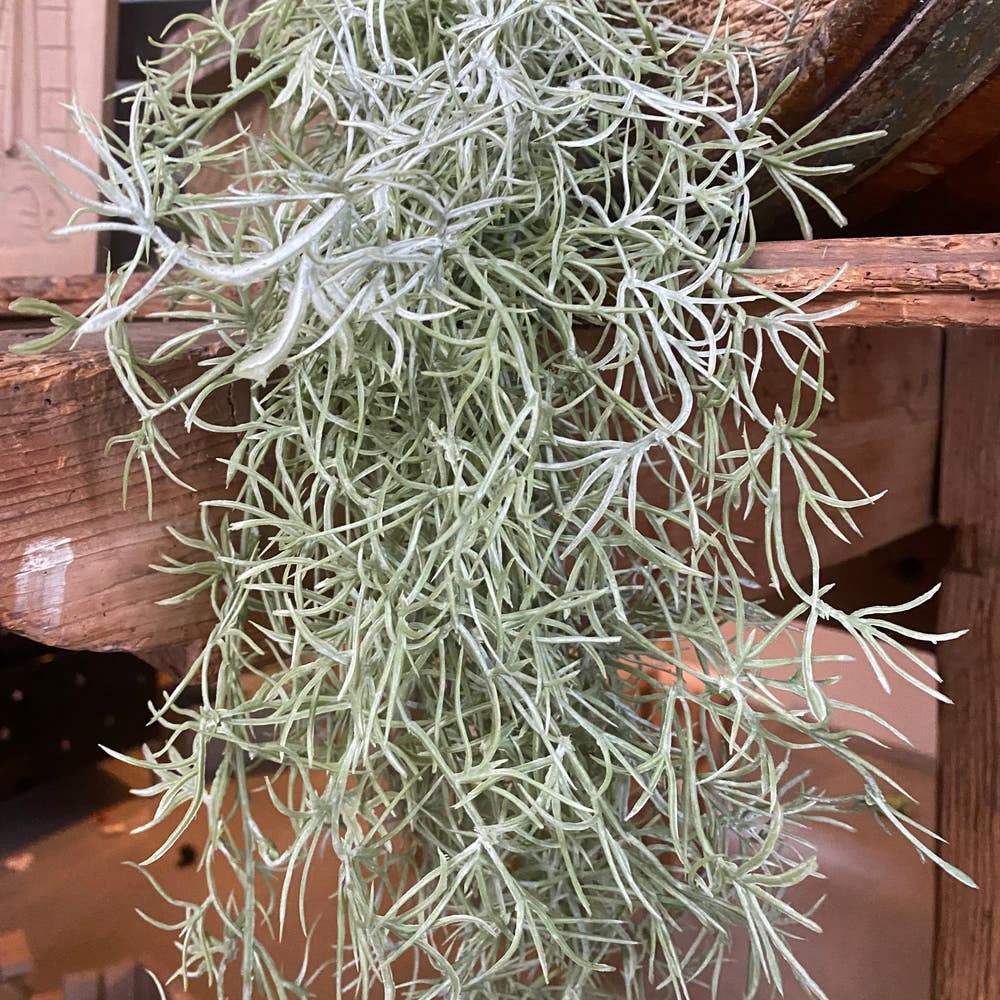
Helichrysum teretifolium
By the Greg Editorial Team
Nov 07, 2024•3 min read
This article was created with the help of AI so we can cover more plants for you. May contain errors. See one? Report it here.
Transform your garden with the vibrant, low-maintenance Rice Flower 🌸 that thrives year after year!
- 🌱 Rice Flower is a perennial, thriving for years unlike short-lived annuals.
- 🌼 It regenerates after adverse conditions, thanks to its robust root system.
- 🌞 Adapted for water retention, its leaves ensure longevity and vibrant displays.
Rice Flower as a Perennial
🌱 Genetic Characteristics
Rice Flower, scientifically known as Ozothamnus diosmifolius, is classified as a perennial plant. Its genetic traits are finely tuned for long-term survival and reproduction, allowing it to thrive in various environments.
🌿 Physiological Traits Supporting Perennial Growth
One of the standout features of Rice Flower is its robust root system, which enables it to regenerate from roots even after harsh conditions. Additionally, its leaf structure is specially adapted for water retention and efficient sunlight absorption, crucial for its longevity.
📈 Long-Term Lifecycle and Growth Patterns
Rice Flower typically enjoys a lifespan of several years, distinguishing it from short-lived annuals. However, it does have a slower initial growth phase, requiring patience as it establishes itself over multiple seasons before reaching its full potential.
🌸 Flowering Cycles and Seed Production
The flowering period of Rice Flower is impressive, extending over several months and providing a vibrant display. While it produces seeds annually, this process contributes to its long-term lifecycle rather than defining it, ensuring ongoing growth and renewal.
🌍 Misconceptions and Regional Variations
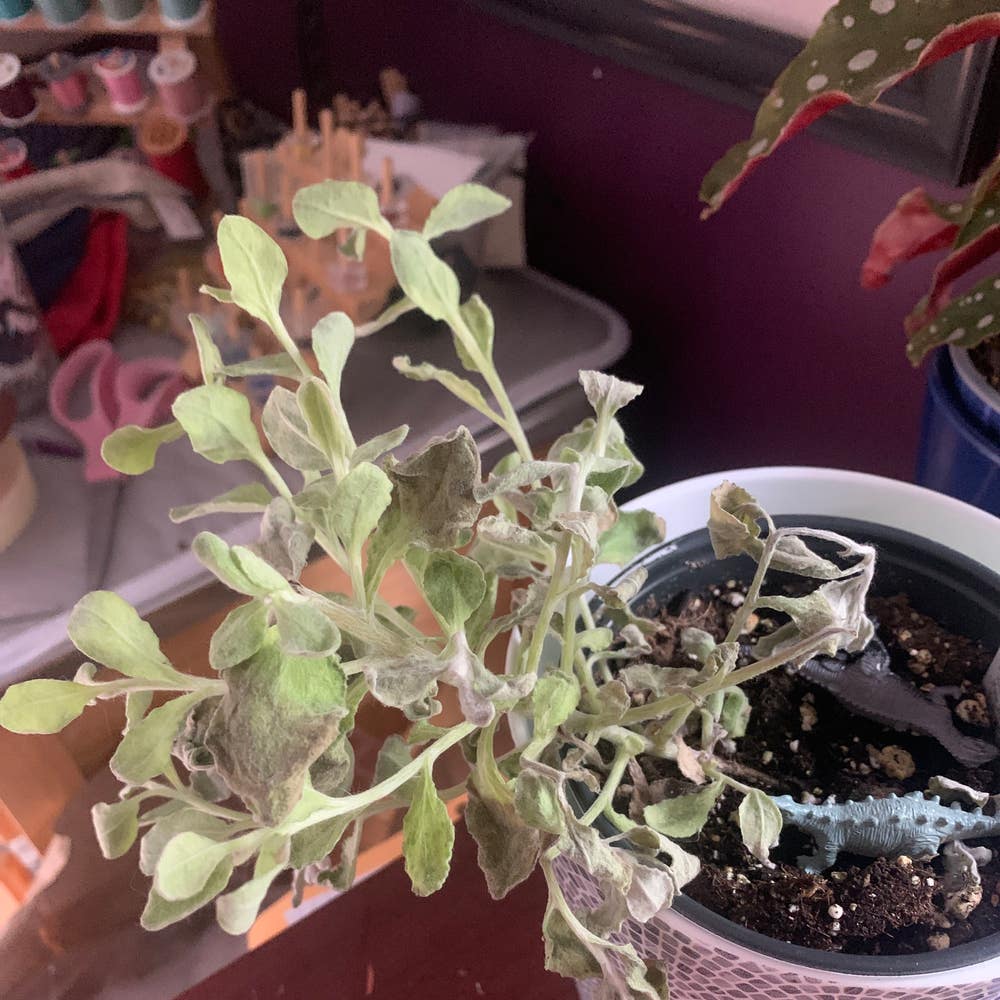
In some cases, Rice Flower may be mistaken for an annual, particularly in poor soil conditions or areas with inadequate sunlight. Local climate conditions also play a significant role in its growth, affecting how it is perceived and cultivated in different regions.
Understanding these aspects of Rice Flower not only highlights its perennial nature but also sets the stage for exploring its implications for gardeners.
Implications for Gardeners
🌾 Benefits of Planting Rice Flower
Planting Rice Flower is a smart long-term investment. With its perennial nature, you’ll find that fewer replacements are needed over time, saving you both effort and money.
Additionally, Rice Flower offers seasonal interest. Its continuous flowering and growth across seasons ensure your garden remains vibrant and engaging throughout the year.
🌼 Garden Design Strategies
Consider companion planting with Rice Flower. Pairing it with other perennials can create a diverse and visually appealing garden aesthetic.
For landscape integration, Rice Flower works beautifully in borders, beds, and as ground cover. Its adaptability makes it a versatile choice for various garden designs.
🌱 Management Tips for Longevity
To keep your Rice Flower thriving, practice regular but not excessive watering. This balance is key to maintaining its health and vigor.
Seasonal care is also important. Light pruning after flowering encourages new growth and keeps the plant looking its best.
Be aware of common challenges. Identifying and controlling pests, along with ensuring good air circulation, will help you maintain a thriving Rice Flower garden.
With these strategies in mind, you can enjoy the beauty and benefits of Rice Flower for years to come. Transitioning into the next section, let’s explore how to maximize the potential of this remarkable plant in your garden.
⚠️ Safety First
This content is for general information and may contain errors, omissions, or outdated details. It is not medical, veterinary advice, or an endorsement of therapeutic claims.
Always consult a qualified healthcare professional before using any plant as food, medicine, or supplement.
Never eat any plant (or feed one to pets) without confirming its identity with at least two trusted sources.
If you suspect poisoning, call Poison Control (800) 222-1222, the Pet Poison Helpline (800) 213-6680, or your local emergency service immediately.
Spotted an error? Please report it here.
Cultivate the stunning Rice Flower, a resilient perennial that rewards patience with vibrant blooms, and let Greg help you thrive with custom watering reminders and expert care tips! 🌼