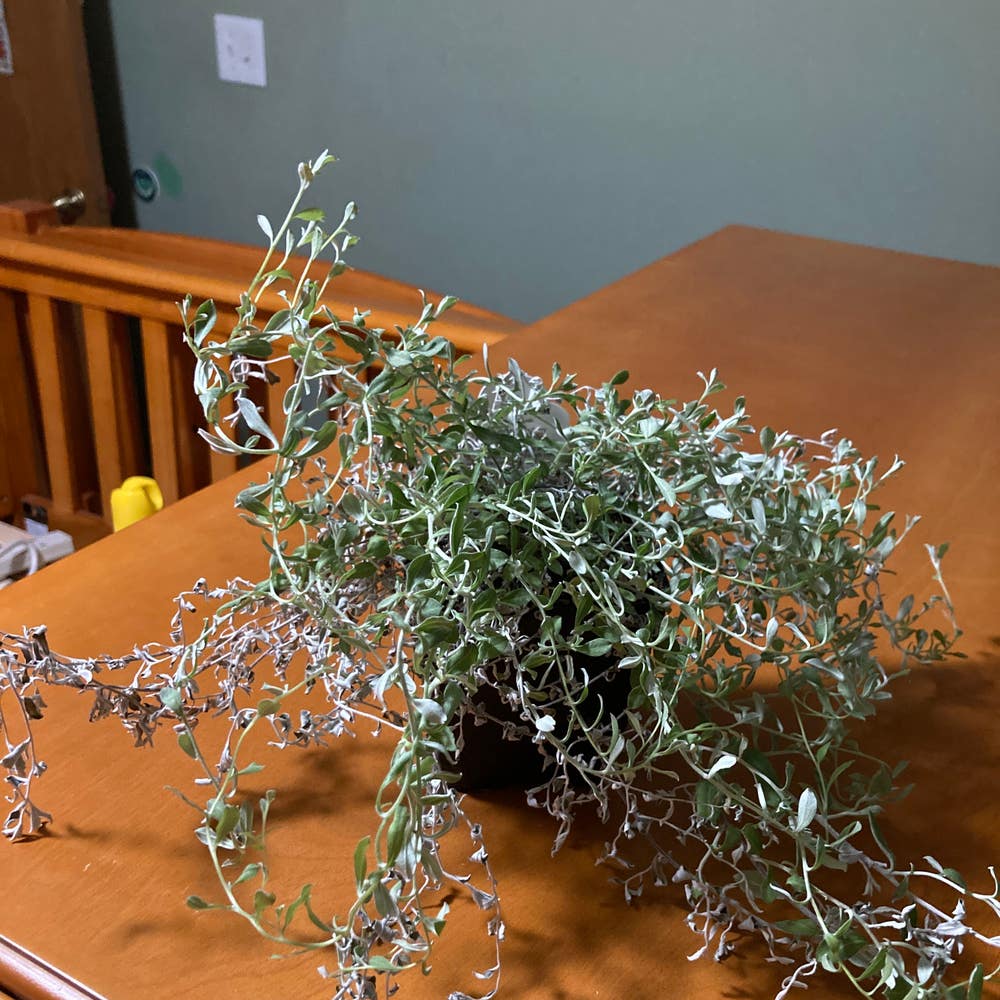
❄️ How to Prepare Your Rice Flower for Winter
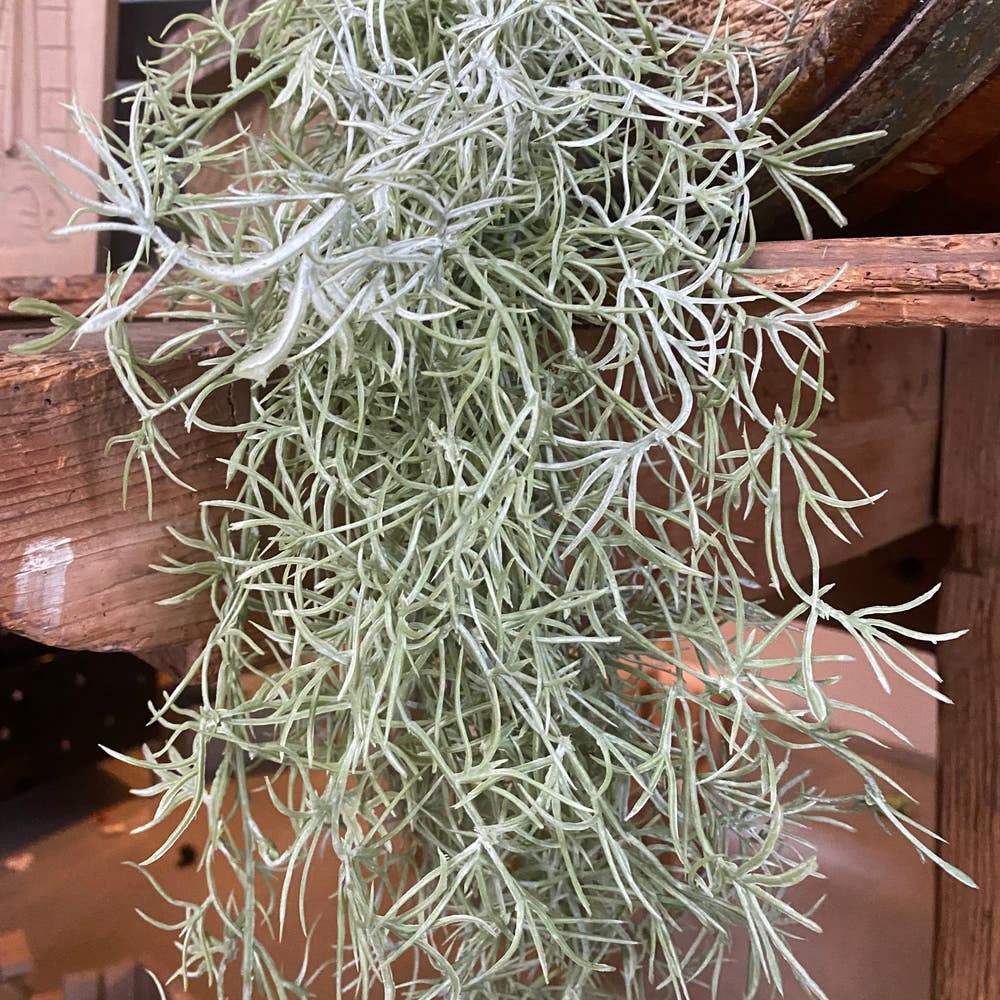
Helichrysum teretifolium
By the Greg Editorial Team
Nov 07, 2024•4 min read
This article was created with the help of AI so we can cover more plants for you. May contain errors. See one? Report it here.
Ensure your Rice Flower survives winter's chill ❄️ with these essential care tips for vibrant blooms in spring!
- ❄️ Frost protection is crucial for Rice Flowers to survive winter damage.
- 🌱 Mulching insulates roots and retains moisture, essential for winter care.
- 🌼 Relocate potted Rice Flowers to sheltered areas for better winter survival.
Winter Care Techniques for Rice Flower
❄️ Frost Protection Methods
Frost protection is crucial for your Rice Flower, as it prevents damage to both foliage and root systems. Implementing effective methods can make a significant difference in your plant's winter survival.
Mulching: Apply a 2-3 inch layer of organic mulch around the base of the plant. This insulates the roots and helps retain moisture.
Covering: During extreme cold spells, use frost cloths or burlap to cover your plants. This extra layer acts as a barrier against harsh temperatures.
Location: If your Rice Flowers are in pots, move them to sheltered areas or position them against walls. These spots provide added warmth and protection from the wind.
💧 Adjusting Watering Schedules for Winter
As temperatures drop, it's essential to adjust your watering schedule to prevent root rot. Checking soil moisture before watering is key to maintaining healthy plants.
Watering Frequency: Reduce watering to every 2-4 weeks, depending on rainfall and temperature. This helps avoid over-saturation.
Soil Drainage: Ensure your soil is well-drained to prevent waterlogging. Good drainage is vital for the health of your Rice Flower during winter.
🌱 Fertilizing During Dormancy
During the dormancy period, your Rice Flower's fertilization needs are minimal. It's important to avoid high-nitrogen fertilizers that can stimulate unwanted growth.
Recommended Practices: Use a slow-release, balanced fertilizer in late fall before dormancy begins. This provides essential nutrients without overwhelming the plant.
Winter Fertilizing: Avoid fertilizing during the winter months. This helps prevent any premature growth that could be damaged by cold weather.
By following these winter care techniques, you can ensure your Rice Flower remains healthy and ready to thrive come spring. Next, we’ll explore how to care for your Rice Flower indoors during the colder months.
Indoor Winter Care for Rice Flower
🌱 Guidelines for Bringing Indoors
To ensure your Rice Flower thrives during winter, timing is crucial. Bring your plants indoors before the first frost hits to protect them from cold damage.
Before moving them inside, take a moment to inspect for pests and diseases. This step is vital to prevent any unwanted guests from hitching a ride into your home.
💡 Light and Temperature Requirements
Once indoors, your Rice Flower needs the right light conditions. Place it in a bright spot with indirect sunlight, steering clear of harsh, direct light that can scorch the leaves.
Temperature is equally important. Aim to maintain indoor temperatures between 60°F to 70°F (15°C to 21°C) for optimal growth and comfort. This range helps your plant stay healthy and prepares it for the upcoming spring season.
As you care for your Rice Flower indoors, keep an eye on its needs and adjust your care routine as necessary. This attention will ensure a smooth transition back to outdoor life when the weather warms up.
Spring Preparation and Recovery
🌨️ Signs of Winter Damage
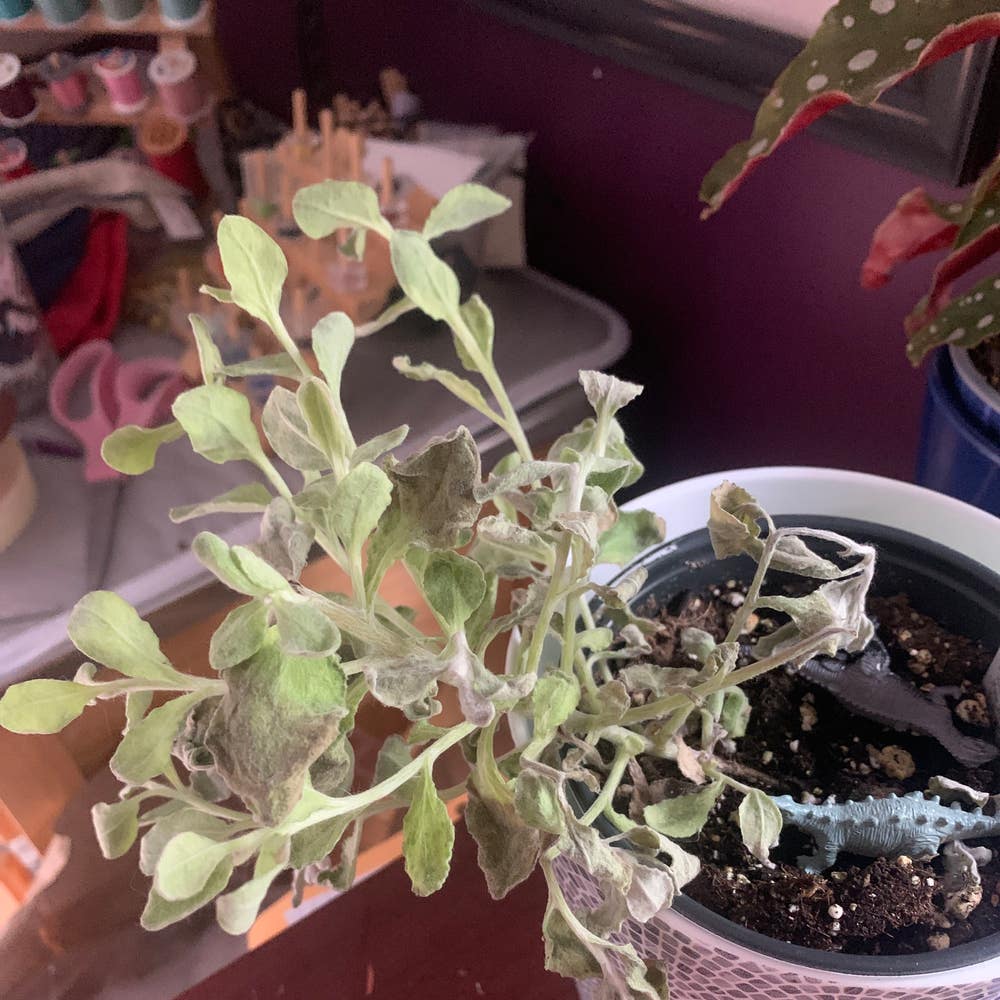
As winter fades, it's crucial to assess your Rice Flower for signs of damage. Look for yellowing leaves, wilting, or dieback of stems, which indicate stress from the cold.
🌱 Assessing Plant Health
Check for new growth as temperatures rise. Healthy plants will show signs of vigor, such as fresh leaves or budding stems, signaling that they are ready to thrive again.
🌼 Steps for Spring Recovery
Pruning: Start by removing any dead or damaged branches. This encourages new growth and helps the plant focus its energy on healthy parts.
Watering: Gradually increase your watering frequency as the weather warms up. This helps rehydrate the plant without overwhelming its roots.
Fertilizing: In early spring, apply a balanced fertilizer to support new growth. This gives your Rice Flower the nutrients it needs to flourish after dormancy.
🌸 Preparing for the Growing Season
Transitioning care is essential as you shift from winter routines to regular maintenance.
🌞 Monitoring Growth Conditions
Ensure your Rice Flower receives optimal sunlight, adequate watering, and the right nutrient levels. This attention will set the stage for a vibrant growing season ahead.
With these steps, your Rice Flower will be well on its way to thriving in the spring. Embrace the change of seasons and enjoy the beauty of your garden as it awakens!
⚠️ Safety First
This content is for general information and may contain errors, omissions, or outdated details. It is not medical, veterinary advice, or an endorsement of therapeutic claims.
Always consult a qualified healthcare professional before using any plant as food, medicine, or supplement.
Never eat any plant (or feed one to pets) without confirming its identity with at least two trusted sources.
If you suspect poisoning, call Poison Control (800) 222-1222, the Pet Poison Helpline (800) 213-6680, or your local emergency service immediately.
Spotted an error? Please report it here.
Keep your Rice Flower thriving this winter ❄️ with Greg's tailored reminders for watering, frost protection, and nutrient management to ensure a vibrant bloom come spring!