🔍 How to Cure Brown Spots on Your Rice Flower
Helichrysum teretifolium
By the Greg Editorial Team
Nov 07, 2024•6 min read
This article was created with the help of AI so we can cover more plants for you. May contain errors. See one? Report it here.
Revive your Rice Flower 🌼 by mastering the art of preventing and treating pesky brown spots!
- 🌱 Brown spots arise from stress, pests, or nutrient deficiencies—identify the cause for effective treatment.
- 💧 Humidity and temperature control (40-60% and 20-25°C) prevent browning in Rice Flowers.
- 🐛 Regular pest monitoring and soil testing ensure healthy plants and reduce brown spots.
Causes of Brown Spots
🌧️ Environmental Stress Factors
Humidity plays a crucial role in the health of your Rice Flower. The ideal range is between 40-60% humidity; anything lower can lead to leaf desiccation and browning.
Temperature fluctuations also significantly impact plant health. Rice Flowers thrive best in temperatures between 20°C to 25°C (68°F to 77°F). Extreme temperatures can cause stress, resulting in unsightly brown spots on the leaves.
🥦 Nutrient Deficiencies
Key nutrients are vital for maintaining vibrant leaf health. A nitrogen deficiency often manifests as yellowing leaves with brown tips, while potassium deficiency leads to browning and scorching along the leaf edges.
To ensure your Rice Flower receives adequate nutrients, soil testing is recommended every 1-2 years. This practice helps maintain balanced fertilization, promoting overall plant vitality.
🍄 Fungal Infections
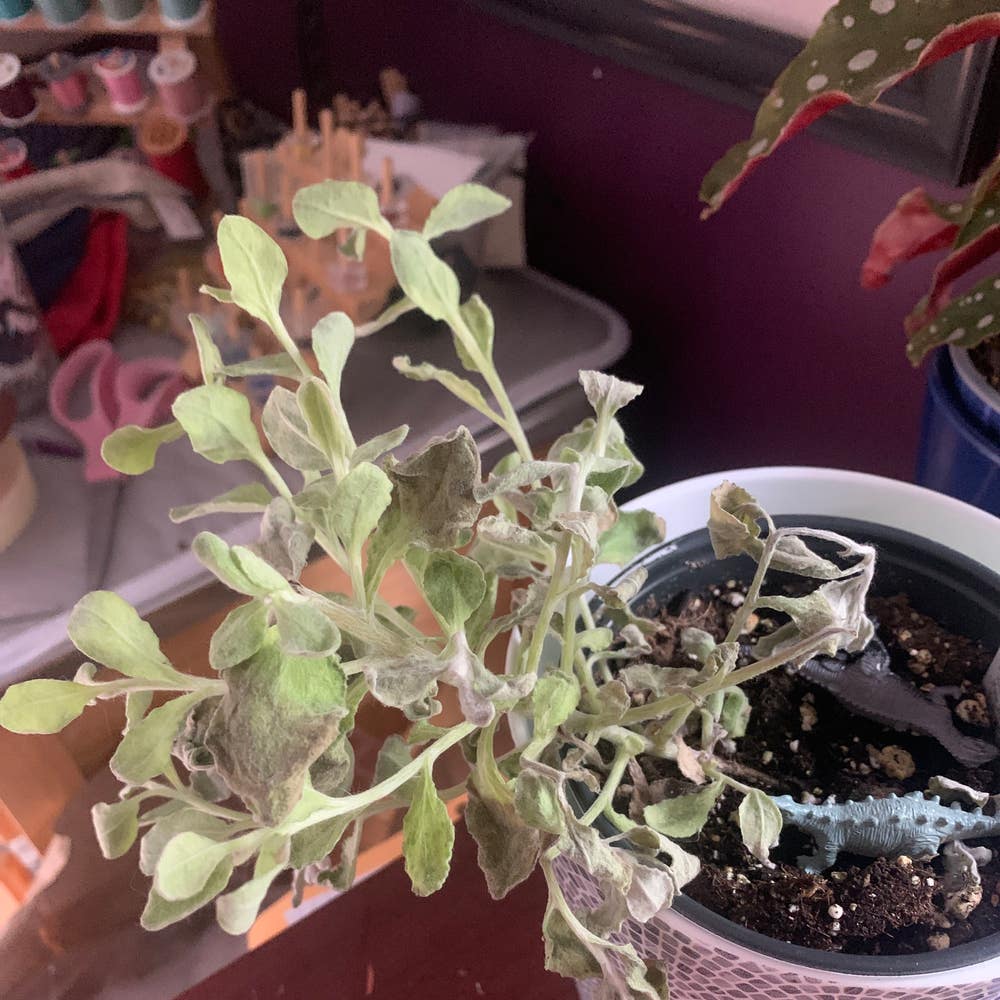
Fungal infections are common culprits behind brown spots on Rice Flowers. Symptoms typically include dark brown spots surrounded by yellow halos, indicating a potential leaf spot disease.
Conditions that favor fungal growth include high humidity and poor air circulation. To prevent these infections, it's essential to adopt proper watering techniques that minimize leaf wetness.
🐛 Pest Infestations
Pests can wreak havoc on your Rice Flower, leading to brown spots and overall decline. Common pests include spider mites, which leave webbing and stippled leaves, and aphids, known for causing curled leaves and sticky residue.
The damage inflicted by these pests can severely impact leaf health. Regular monitoring and prompt action are key to keeping your Rice Flower thriving and free from infestations.
Understanding these causes is the first step toward treating and preventing brown spots on your Rice Flower. Next, we'll explore how to diagnose these issues effectively.
Diagnosing Brown Spots
🕵️ Identifying Symptoms and Patterns
Diagnosing brown spots on your Rice Flower starts with a visual assessment. Pay attention to the size, shape, and distribution of the spots, as these characteristics can reveal a lot about the underlying issue.
Look for patterns that might indicate specific problems. For instance, random spots could suggest pest damage, while uniform browning might point to environmental stress.
🌍 Differentiating Between Environmental and Biological Causes
Next, differentiate between environmental and biological causes of brown spots. Key indicators of environmental stress include the timing of the appearance of spots, which often correlates with seasonal changes or inconsistent watering practices.
On the other hand, biological causes are linked to pests and diseases. If you notice pests or signs of fungal growth on the leaves, it's likely that these are contributing to the brown spots.
🌱 Assessing Plant Health and Growth Conditions
To get a complete picture, assess the overall health of your Rice Flower. Check the leaf color, growth rate, and flowering status, as these factors indicate plant vigor.
Additionally, evaluate the growing conditions. Consider soil moisture levels, light exposure, and temperature, as these elements play a crucial role in the plant's health and can influence the development of brown spots.
With a thorough diagnosis, you can better understand the causes of brown spots and take appropriate action to restore your Rice Flower's health. Next, we’ll explore effective treatment options to tackle these issues head-on.
Treating Brown Spots
🦠 Step-by-Step Treatment for Fungal Infections
Fungal infections can wreak havoc on your Rice Flower, but with the right approach, you can combat them effectively. Start by identifying the type of fungal infection affecting your plant.
Once identified, remove any affected leaves to prevent the spread of the infection. This step is crucial for maintaining overall plant health. Next, apply an appropriate fungicide, whether organic or chemical, based on your preference and the severity of the infection. Finally, adjust your watering practices to minimize leaf wetness, which can encourage further fungal growth.
🌱 Nutrient Supplementation Methods
Nutrient deficiencies can also lead to brown spots, so consider supplementing your Rice Flower with the right fertilizers. Balanced NPK fertilizers are ideal; be sure to follow recommended application rates and timing for optimal results.
After supplementation, monitor your plant closely for signs of improvement. Look for changes in leaf color and growth rate, which indicate that your plant is responding positively to the added nutrients.
🐛 Pest Control Strategies
Pests can be another culprit behind brown spots, so it's essential to have a solid pest control strategy. For organic options, consider using neem oil or insecticidal soap. These methods are effective and less harmful to the environment.
If the infestation is severe, chemical pesticides may be necessary. Follow recommended application guidelines carefully to ensure safety and effectiveness. Remember, integrated pest management (IPM) is key; it combines various strategies for a more sustainable approach to pest control.
💧 Watering and Humidity Adjustments
Proper watering and humidity control are vital for the health of your Rice Flower. Aim to allow the soil to dry between waterings, which helps prevent overwatering and root rot.
When watering, use deep watering techniques to encourage robust root growth. Additionally, consider humidity control methods, such as using humidifiers or pebble trays, to create a more favorable environment for your plant.
By implementing these treatment strategies, you can effectively address brown spots on your Rice Flower and promote a healthier, more vibrant plant. Next, let’s explore how to prevent these issues from arising in the first place.
Preventing Brown Spots
🌱 Best Practices for Care
To keep your Rice Flower thriving, start with the right soil. Opt for well-draining soil types, such as sandy loam or potting mixes designed for flowering plants.
Sunlight is equally crucial. Ensure your Rice Flower receives full sun for 6-8 hours daily to promote healthy growth and prevent brown spots.
🌦️ Seasonal Care Adjustments
Adjusting your care routine based on the seasons is vital. During winter dormancy, reduce watering and fertilization to prevent over-saturation.
In the summer heat, increase your monitoring for signs of stress. This proactive approach can help you catch issues before they escalate.
🔍 Regular Monitoring and Maintenance Tips
Routine inspections are essential for plant health. Regularly check for pests, diseases, and nutrient deficiencies to address problems early.
Consider keeping a care journal. Documenting your plant's health can help you identify patterns and improve your care strategies over time.
🧪 Soil Health and Amendments
Soil testing is a game-changer for maintaining optimal plant health. Regularly test your soil to understand its nutrient levels and make necessary amendments.
Adding organic matter, like compost or mulch, can significantly enhance soil quality. This practice not only improves drainage but also enriches the soil with essential nutrients.
Maintaining the right pH levels is crucial for nutrient uptake. Aim for a pH range of 6.0 to 7.0 to ensure your Rice Flower can absorb nutrients effectively.
By implementing these preventive measures, you can enjoy a vibrant Rice Flower free from brown spots. Next, let’s explore how to diagnose brown spots effectively.
⚠️ Safety First
This content is for general information and may contain errors, omissions, or outdated details. It is not medical, veterinary advice, or an endorsement of therapeutic claims.
Always consult a qualified healthcare professional before using any plant as food, medicine, or supplement.
Never eat any plant (or feed one to pets) without confirming its identity with at least two trusted sources.
If you suspect poisoning, call Poison Control (800) 222-1222, the Pet Poison Helpline (800) 213-6680, or your local emergency service immediately.
Spotted an error? Please report it here.
Keep your Rice Flower vibrant and healthy 🌱 by using Greg's tailored care reminders and soil testing tips to prevent those pesky brown spots from taking over!