💧 Ultimate Guide to Humidity for Rice Flower
Helichrysum teretifolium
By the Greg Editorial Team
Nov 07, 2024•6 min read
This article was created with the help of AI so we can cover more plants for you. May contain errors. See one? Report it here.
Unlock vibrant blooms 🌼 by mastering humidity management for your Rice Flowers! 🌧️
- 🌱 Ideal humidity for Rice Flowers is 60%-80% for optimal growth and health.
- 💧 Low humidity causes leaf curling and stunted growth; monitor levels closely.
- 🌬️ Proper air circulation prevents mold and root rot in high humidity conditions.
Ideal Humidity Levels
Optimal Humidity Range for Rice Flower 🌾
For Rice Flower, maintaining an optimal humidity level is crucial. The ideal relative humidity falls between 60% to 80%.
Importance of High Humidity 💧
High humidity plays a vital role in the health of Rice Flowers. It supports transpiration and nutrient uptake, ensuring the plants thrive.
Additionally, this humidity level mimics the native wetland habitat conditions that Rice Flowers naturally prefer. This connection to their environment enhances their growth and resilience.
Signs of Adequate Humidity 👀
Recognizing adequate humidity is essential for successful cultivation. Healthy leaf appearance and robust growth patterns are clear indicators of sufficient moisture in the air.
When your Rice Flowers exhibit vibrant leaves and steady growth, you can be confident that the humidity levels are on point. Monitoring these signs will help you maintain the ideal conditions for your plants.
As you continue to explore the effects of humidity, understanding how low and high humidity can impact your Rice Flower will be the next step.
Effects of Humidity on Rice Flower
🌵 Low Humidity
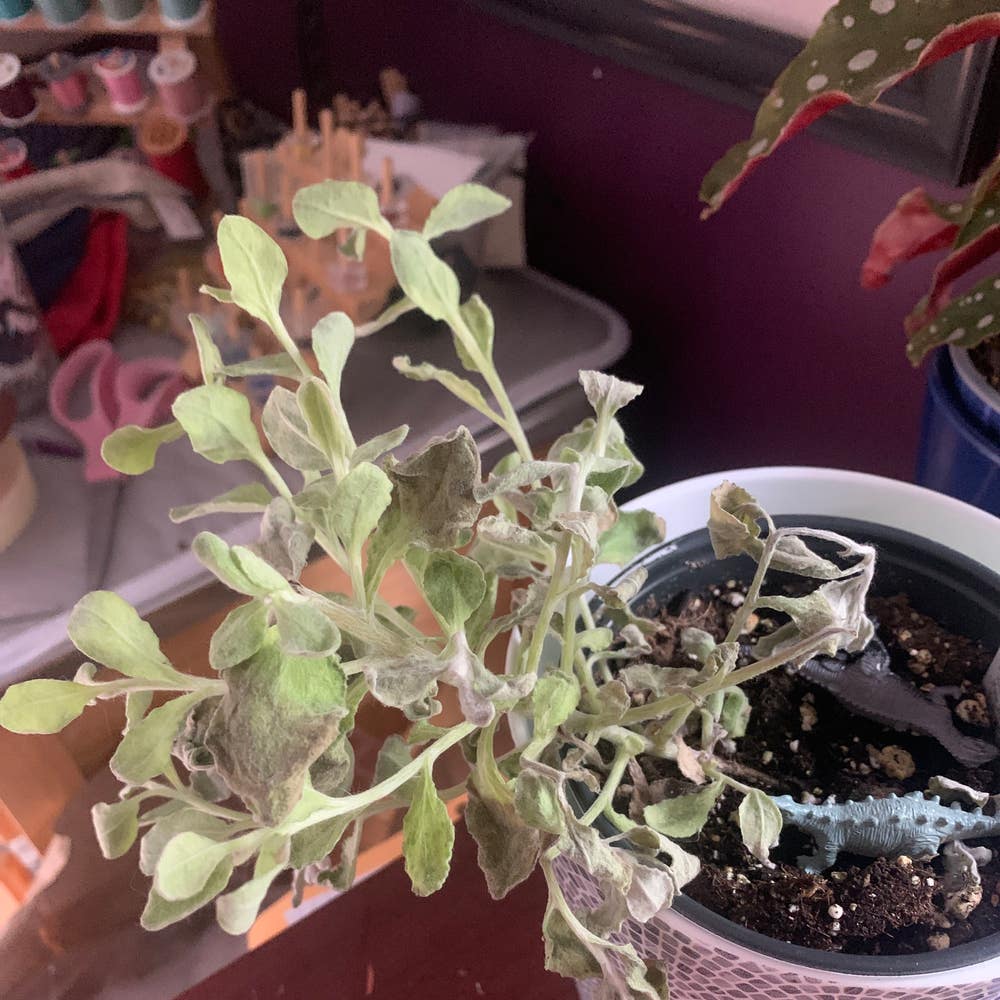
Low humidity can be detrimental to Rice Flower health. Symptoms include leaf curling, browning tips, and stunted growth, which signal that your plant is struggling.
Long-term exposure to low humidity can lead to increased susceptibility to pests and diseases. Additionally, it can reduce flowering and overall vigor, making it crucial to monitor humidity levels closely.
🌧️ High Humidity
On the flip side, excessive humidity poses its own challenges. Symptoms of high humidity include mold and mildew growth on leaves, which can quickly become a serious issue.
Root rot is another common problem associated with poor drainage in high humidity conditions. To combat these issues, ensure proper air circulation around your plants, as this can significantly reduce the risk of fungal problems.
Understanding the effects of humidity is vital for maintaining healthy Rice Flowers. By keeping an eye on both low and high humidity symptoms, you can take proactive steps to ensure your plants thrive.
Next, we’ll explore local humidity considerations and how to assess your environment effectively.
Local Humidity Considerations
🌧️ Assessing Local Humidity
Understanding local humidity is crucial for the health of your Rice Flower. You can determine humidity levels using hygrometers or weather apps, which provide real-time data on your environment.
Knowing your local climate helps you anticipate changes and adjust care practices accordingly. This awareness can make a significant difference in how well your plants thrive.
🍂 Seasonal Variations
Humidity levels fluctuate with the seasons, impacting plant care. Expect higher humidity during summer months, which can benefit your Rice Flower, while winter often brings drier air.
Adjusting your care practices with the seasons is essential. For instance, you might need to increase humidity in winter to compensate for the dry indoor air caused by heating systems.
Strategies for Managing Humidity
🌧️ Boosting Humidity
Maintaining the right humidity levels is crucial for the health of your Rice Flower. Here are some effective strategies to boost humidity in your growing environment.
Using Humidifiers
Humidifiers are a fantastic way to increase moisture in the air. Look for models specifically designed for plant care, as they can maintain consistent humidity without over-saturating the environment.
Placement and Maintenance Tips
Position your humidifier near your plants but not directly on them to avoid waterlogging. Regularly clean the unit to prevent mold and ensure optimal performance.
Grouping Plants
Another simple method to enhance humidity is by grouping your plants together. This creates a microenvironment where moisture can be shared among them, benefiting all.
Pebble Trays and Water Features
Creating a pebble tray is an easy DIY project. Fill a shallow tray with pebbles and add water until it just touches the bottom of the pots. As the water evaporates, it will increase humidity around your plants.
Misting Techniques
Misting can also help deliver moisture directly to your Rice Flower. Use a spray bottle to lightly mist the leaves, ideally in the morning to allow for evaporation throughout the day.
🌬️ Reducing Humidity
While boosting humidity is essential, sometimes you need to lower it to prevent issues. Here are some strategies to consider.
Ventilation Techniques
Good air circulation is vital for reducing excess humidity. Use fans or open windows to promote airflow, which helps prevent mold and mildew.
Dehumidifiers
If humidity levels are consistently high, consider investing in a dehumidifier. Look for models that are suitable for plant care, as they can effectively manage moisture without drying out the air too much.
Choosing the Right Potting Mix
Finally, selecting a well-draining potting mix is crucial. A mix that allows excess water to escape will help prevent root rot and other humidity-related issues.
By implementing these strategies, you can create an optimal environment for your Rice Flower, ensuring it thrives in the right humidity levels. Next, let’s explore how to measure humidity accurately to maintain these ideal conditions.
Measuring Humidity
🛠️ Tools and Readings
To effectively manage humidity for your Rice Flower, having the right tools is essential. Hygrometers are your best friends here, and you can choose between digital and analog options.
Digital hygrometers provide quick and precise readings, making them user-friendly. Analog hygrometers, while sometimes less accurate, can be more affordable and visually appealing.
📊 Interpreting Humidity Levels
Understanding what your hygrometer tells you is crucial for plant health. Ideal humidity levels for Rice Flower range from 60% to 80%.
- Below 60%: Your plant may show signs of stress, like leaf curling or browning tips.
- Above 80%: Excessive humidity can lead to mold and root rot.
🔧 When to Adjust Humidity Levels
Knowing when to make adjustments can save your Rice Flower from potential harm. Look for signs indicating a need for change.
- Dry leaves or stunted growth? It’s time to boost humidity.
- Mold or mildew presence? Reduce humidity levels immediately.
By keeping a close eye on these indicators, you can ensure your Rice Flower thrives in the right environment.
Next, we’ll explore common misconceptions about humidity and how they can impact your plant care practices.
Common Misconceptions
Myths About Humidity 🌫️
When it comes to humidity needs for Rice Flower, several myths can cloud understanding. One common misconception is that humidity and temperature are interchangeable; they are not.
Humidity refers to the amount of moisture in the air, while temperature indicates how hot or cold it is. Both factors influence plant health, but they serve different roles in the growth process.
Another myth is that all plants require the same humidity levels. In reality, Rice Flower thrives in a specific range of 60% to 80% relative humidity. Tailoring care based on individual plant needs is crucial for optimal growth.
Understanding these misconceptions can lead to better care practices. By recognizing the unique humidity requirements of Rice Flower, you can create an environment that promotes healthy growth and vibrant blooms.
With this knowledge, you're better equipped to nurture your plants effectively. Next, let’s explore practical strategies for managing humidity in your growing environment.
⚠️ Safety First
This content is for general information and may contain errors, omissions, or outdated details. It is not medical, veterinary advice, or an endorsement of therapeutic claims.
Always consult a qualified healthcare professional before using any plant as food, medicine, or supplement.
Never eat any plant (or feed one to pets) without confirming its identity with at least two trusted sources.
If you suspect poisoning, call Poison Control (800) 222-1222, the Pet Poison Helpline (800) 213-6680, or your local emergency service immediately.
Spotted an error? Please report it here.
Keep your Rice Flowers thriving 🌿 by using Greg for personalized humidity tips and reminders, ensuring they flourish in their ideal environment!