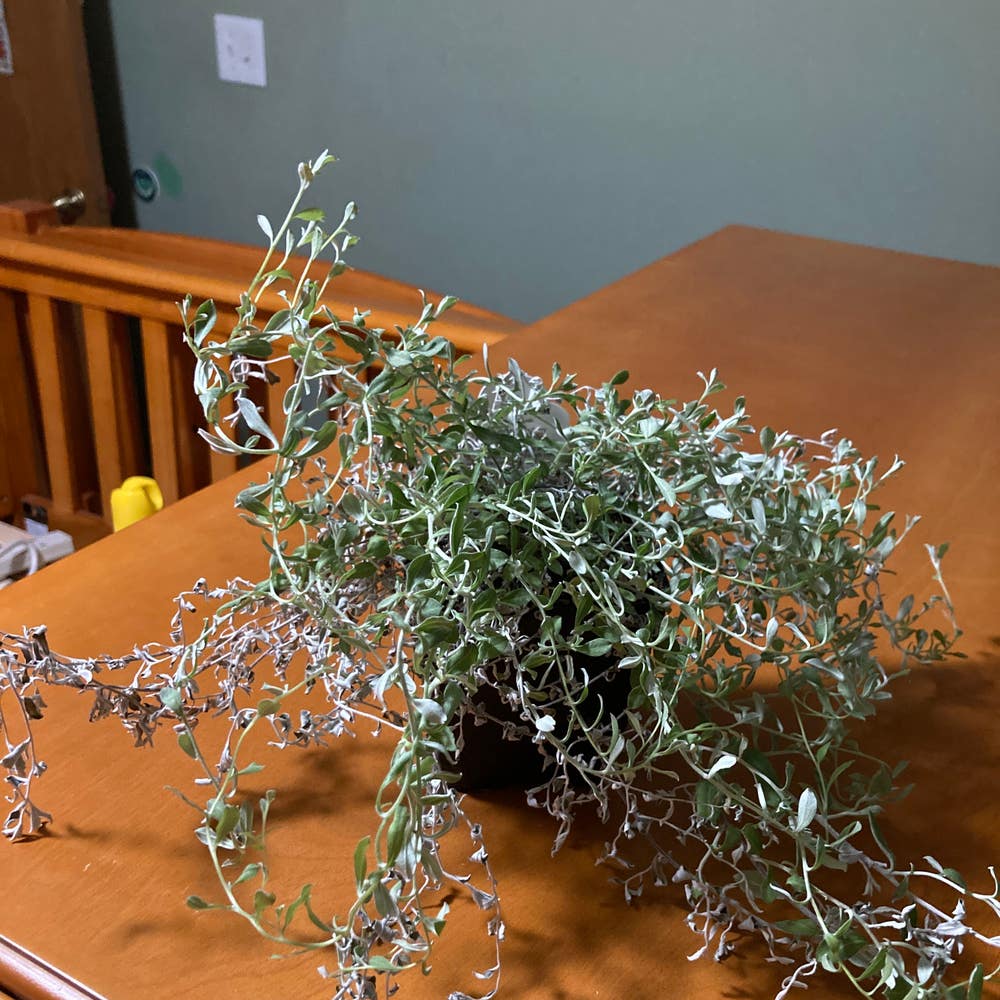
✂️ Step-by-Step Guide to Pruning Rice Flower
Helichrysum teretifolium
By the Greg Editorial Team
Nov 07, 2024•6 min read
This article was created with the help of AI so we can cover more plants for you. May contain errors. See one? Report it here.
Unlock vibrant blooms 🌼 by mastering essential pruning tools and techniques for your rice flowers!
- ✂️ Essential tools like shears and gloves are crucial for effective rice flower pruning.
- 🌱 Prune in late winter to early spring for optimal growth and flowering.
- 🌼 Regular deadheading every 2-3 weeks boosts blooms and keeps plants vibrant.
Tools Needed for Effective Pruning
Essential Pruning Tools 🌿
To get started with pruning your rice flower, having the right tools is crucial. Here’s a quick rundown of the essentials that will make your pruning experience smooth and effective.
Pruning Shears: These are your go-to for clean cuts on stems and branches. A good pair will make all the difference in maintaining plant health.
Loppers: When you encounter thicker branches that are too large for shears, loppers are your best friend. They provide the leverage needed for those tougher cuts.
Hand Saw: For larger, woody stems, a hand saw is indispensable. It allows you to tackle bigger jobs without damaging the plant.
Gloves: Protecting your hands is essential, especially when dealing with thorns and sap. A sturdy pair of gloves will keep you safe and comfortable.
Disinfectant: To prevent the spread of diseases, always clean your tools before and after use. A simple disinfectant can save your plants from potential harm.
Equipping yourself with these tools will set you up for successful pruning. With the right gear in hand, you're ready to dive into the next steps of the pruning process.
Step-by-Step Pruning Process
🌱 Identifying the Right Time to Prune
Timing is crucial when it comes to pruning rice flowers. The best period is late winter to early spring, just before new growth begins.
Look for signs that indicate it's time to prune. Overcrowded growth, dead or damaged branches, and reduced flowering are all clear indicators that your plant needs some attention.
✂️ Techniques for Cutting and Shaping
To achieve a well-shaped rice flower, follow these steps:
- Assess the Plant: Start by evaluating the plant's shape and density.
- Remove Dead or Damaged Branches: Cut back to healthy tissue or the base of the branch.
- Thin Out Crowded Areas: Eliminate branches that cross or rub against each other to improve airflow.
- Shape the Plant: Aim for a balanced, open structure that enhances light penetration.
- Final Touches: Trim back the tips of branches to encourage bushiness and fuller growth.
🪴 How to Handle Damaged or Dead Branches
Identifying damaged branches is essential for maintaining plant health. Look for signs like discoloration, brittleness, or a lack of leaves.
When removing these branches, cut back to the nearest healthy node or branch junction. Always dispose of the removed material properly to prevent the spread of disease.
By following these steps, you'll ensure your rice flower thrives and blooms beautifully. Next, let’s explore the art of deadheading to keep your plants looking their best.
Deadheading Rice Flower
🌼 Explanation of Deadheading and Its Benefits
Deadheading is the process of removing spent flowers from your rice flower plants. This simple act encourages new blooms and keeps your garden vibrant.
The benefits of deadheading are twofold. First, it extends the blooming period, allowing you to enjoy flowers for longer. Second, it prevents the plant from wasting energy on seed production, redirecting that energy into producing more beautiful blooms.
✂️ Step-by-Step Instructions for Deadheading
- Identify spent flowers: Look growth cycleshat have wilted or turned brown.
- Use clean pruning shears to cut:active growth periodsbove the first set of healthy leaves or buds.
- Dispose of dead flowers: This helps prevent pests from taking up residence in your garden.
⏰ Timing for Deadheading Rice Flower
The best time to deadhead is regularly throughout the blooming season. Aim to do this every 2-3 weeks during peak flowering to rice flowersants looking their best.
By incorporating deadheading into your gardening routine, you can ensure your rice flowers remain healthy and vibrant. This practice not only enhances the beauty of your garden but also supports the overall health of your plants.
Next, we will explore the seasonal considerations for pruning rice flowers, ensuring you know when and how to prune effectively throughout the year.
Seasonal Considerations for Pruning
🌱 Bestactive growth phaseg Rice Flower
The optimal time for pruning rice flowers is late winter to early spring. This period is perfect for shaping the plant and removing any dead material before new growth begins.
In addition to the main pruning season, light summer pruning can help maintain the plant's shape. This approach minimizes stress on the plant while promoting healthy growth.
🍂 How Seasonal Changes Affect Pruning Techniques
As the seasons change, so should your pruning techniques. In early spring, focus on shaping the plant and removing any dead wood to encouragerice flowerwth.
During mid-suwilting leaves light trimming to enhancyellowing foliage gentle approach allows the plant to thrive without the shock of heavy pruning.
🔄 Adjuwatering and care practices on Growth Cextra attentionding the plant's growth cycles is crucial for effective pruning. Recognize the difference between active growth periods and dormant phases to tailor your methods accordingly.
Adjust the intensity of your pruning based on the plant's health and growth stage. This ensures that your rice flower remains vibrant and resilient throughout the seasons.
With these seasonal considerations in mind, you're well-equipped to keep your rice flowers healthy and flourishing. Next, let’s explore common pruning mistakes to avoid for optimal plant care.
Common Pruning Mistakes
🧐 Overview of Frequent Errors in Pruning Rice Flower
Pruning rice flowers can be tricky, and common mistakes can hinder their growth. One major error is over-pruning, where too much foliage is removed at once, leading to stress and stunted growth.
Another frequent mistake is incorrect timing. Pruning during the plant's active growth phase can shock the plant, causing it to struggle instead of thrive.
✂️ How to Avoid Over-Pruning
To prevent over-pruning, follow a simple guideline: never remove more than one-third of the plant at a time. This approach allows the rice flower to recover and maintain its health.
Gradual pruning over multiple sessions is also key. This method not only minimizes stress but also gives you a chance to assess the plant's response after each session.
😟 Recognizing Signs of Stress in the Plant Post-Pruning
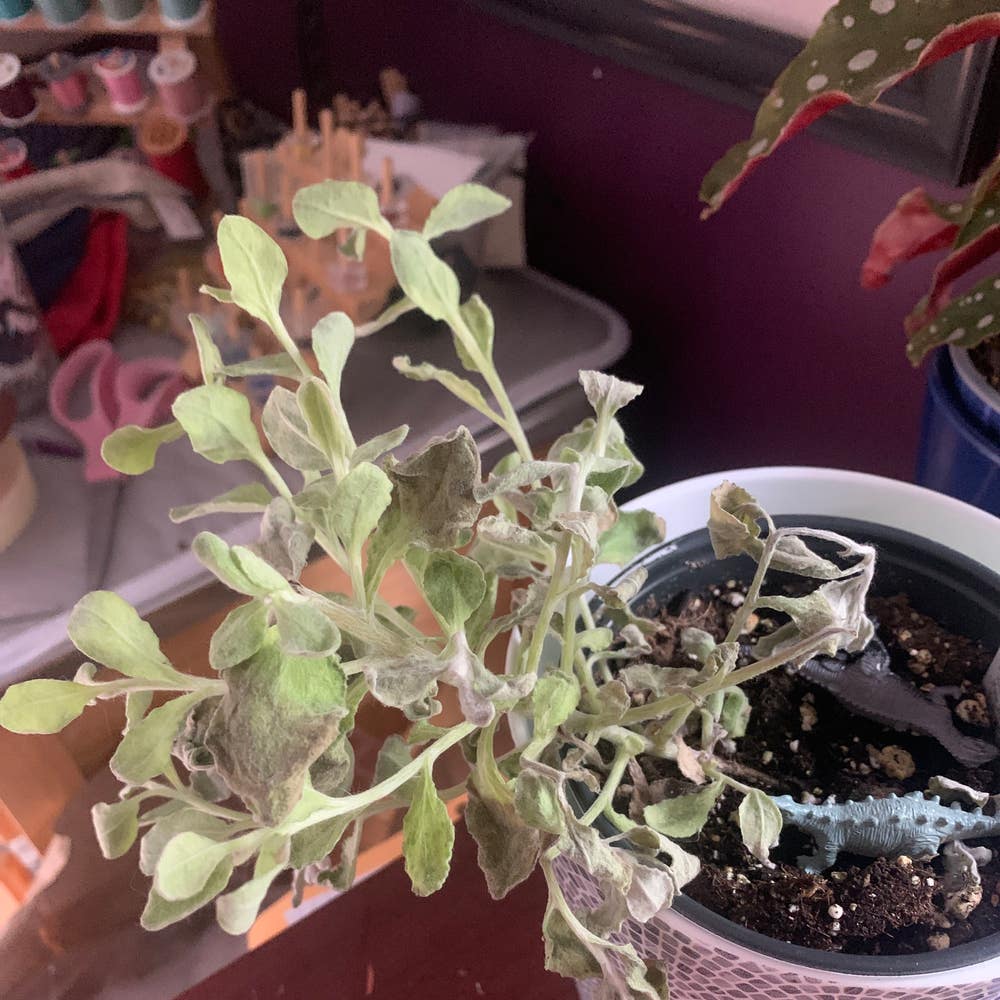
After pruning, watch for signs of stress in your rice flower. Symptoms include wilting leaves, reduced flowering, and yellowing foliage, all indicators that the plant may be struggling.
If you notice these signs, adjust your watering and care practices. Providing extra attention during recovery can help your rice flower bounce back and flourish.
With these tips, you can prune effectively while keeping your rice flowers healthy and vibrant. Next, let’s explore the seasonal considerations for pruning to further enhance your gardening skills.
⚠️ Safety First
This content is for general information and may contain errors, omissions, or outdated details. It is not medical, veterinary advice, or an endorsement of therapeutic claims.
Always consult a qualified healthcare professional before using any plant as food, medicine, or supplement.
Never eat any plant (or feed one to pets) without confirming its identity with at least two trusted sources.
If you suspect poisoning, call Poison Control (800) 222-1222, the Pet Poison Helpline (800) 213-6680, or your local emergency service immediately.
Spotted an error? Please report it here.
Keep your rice flowers thriving and blooming 🌸 with Greg's tailored pruning reminders and expert tips that make plant care a breeze!