🌸 All About Your Rice Flower's Roots
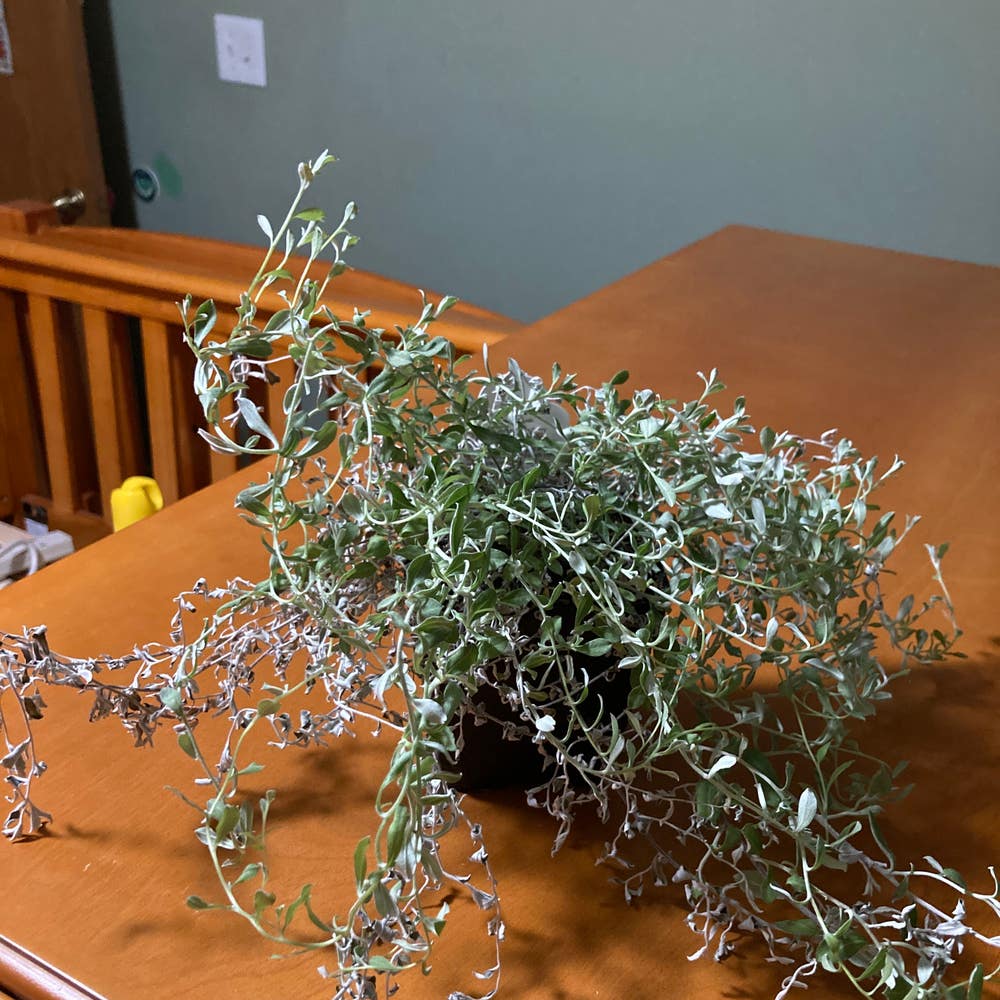
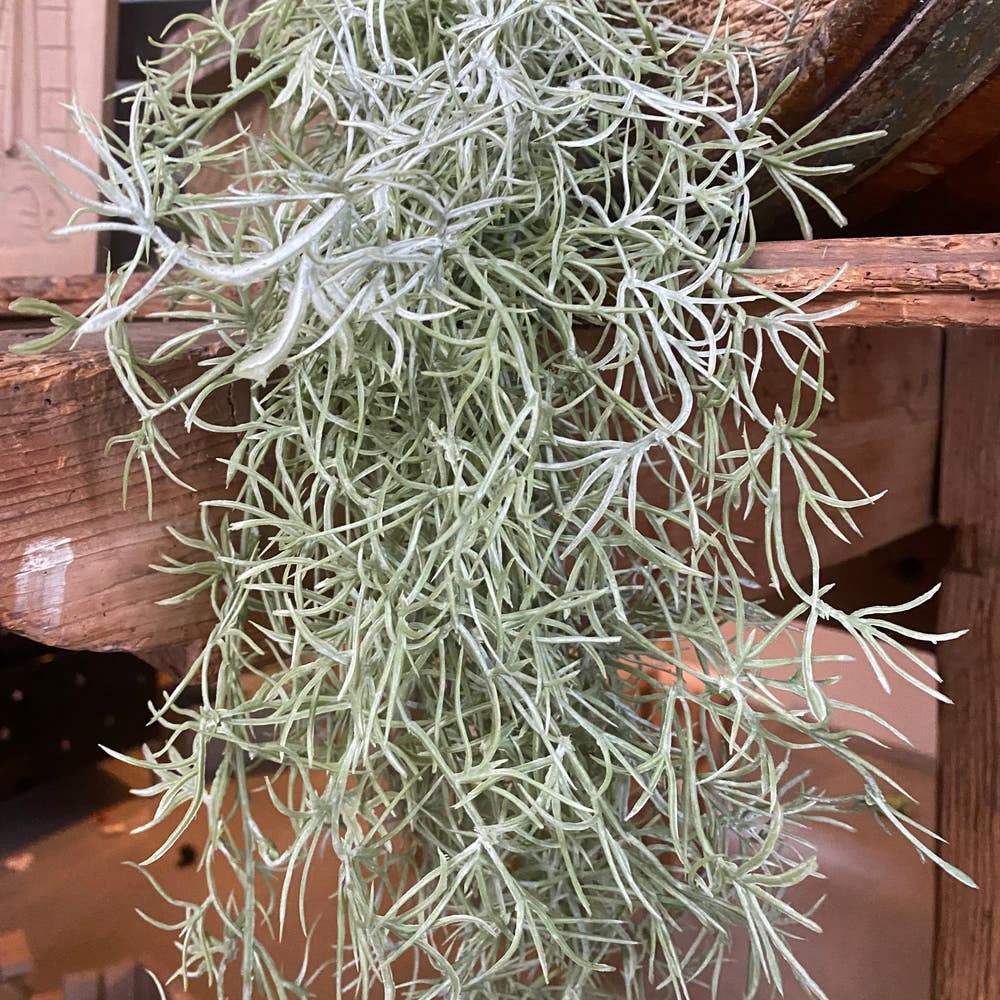
Helichrysum teretifolium
By the Greg Editorial Team
Nov 07, 2024•7 min read
This article was created with the help of AI so we can cover more plants for you. May contain errors. See one? Report it here.
Master rice flower root care 🌾 to ensure vibrant blooms and robust growth in your garden!
- 🌱 Rice flowers have fibrous roots for better nutrient absorption and stability.
- 💧 Consistent moisture is key; avoid overwatering to prevent root rot and yellowing leaves.
- 🌿 Healthy roots are vital for propagation and overall plant vigor.
Characteristics of Rice Flower's Roots
🌱 Type of Root System
Rice flowers boast a fibrous root system, characterized by numerous thin roots that spread out close to the soil surface. This structure allows for efficient nutrient absorption and stability, making it ideal for thriving in various soil conditions.
The advantages of a fibrous root system are significant. These roots can quickly access nutrients and water, which is crucial for the plant's growth. Additionally, their extensive network helps anchor the plant securely, preventing it from toppling over in windy conditions.
🌍 Root Depth and Spread
Typically, rice flower roots exhibit shallow growth patterns, extending only a few inches into the soil. This shallow depth allows them to absorb moisture and nutrients from the top layers of soil, where organic matter is most concentrated.
In terms of root spread, these roots can extend widely, often reaching out several feet from the base of the plant. This wide spread enhances nutrient absorption and helps the plant adapt to varying soil conditions. Over time, rice flower roots develop a robust network, which supports the plant's overall health and resilience.
Understanding the characteristics of rice flower roots is essential for effective care. With this knowledge, you can ensure your rice flowers thrive, setting the stage for the next section on watering and fertilizing.
Watering and Fertilizing
🌱 Impact of Root System on Watering Needs
Understanding the root system of your Rice Flower is crucial for effective watering. With a fibrous root system, these plants thrive on consistent moisture but can be sensitive to extremes.
For optimal health, water your Rice Flower when the top inch of soil feels dry. This frequency can vary based on environmental conditions, so keep an eye on your plant's specific needs.
Signs of Overwatering and Underwatering
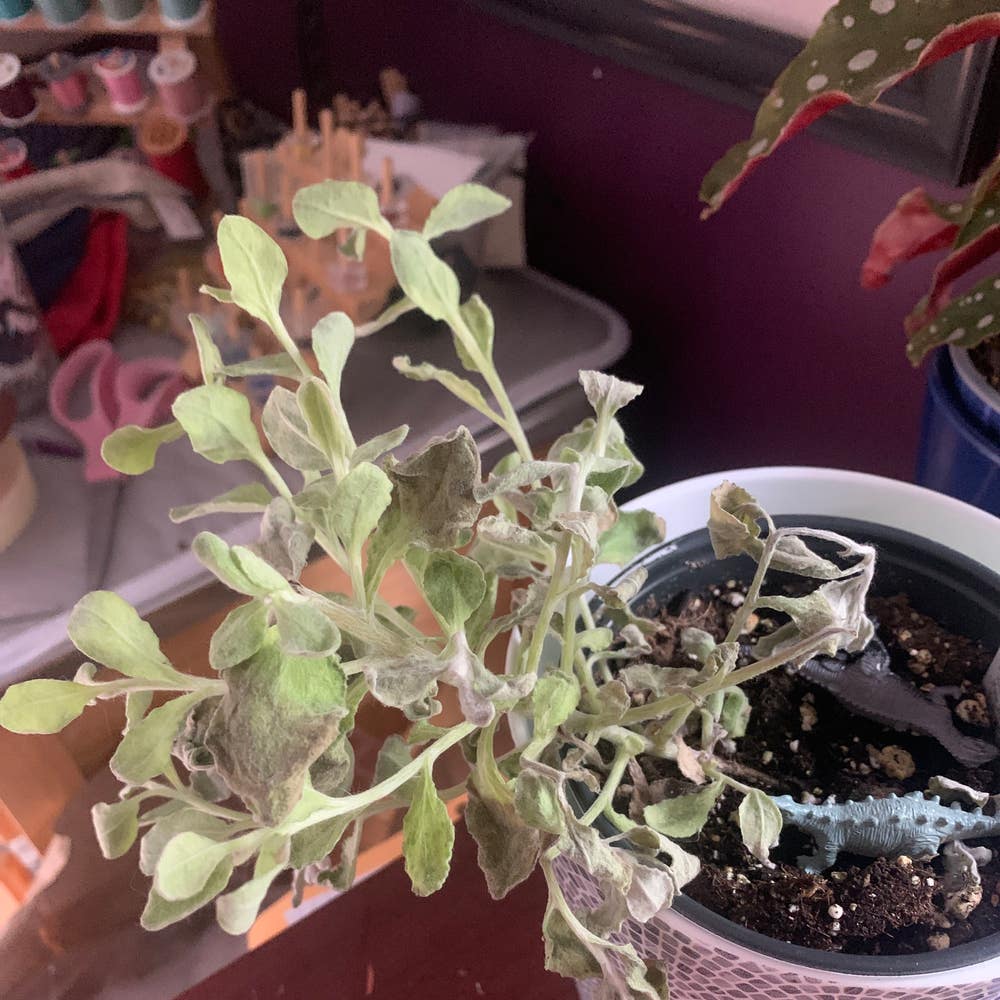
Recognizing the signs of overwatering is essential to maintaining root health. Look for yellowing leaves, a mushy stem, or a foul odor from the soil—these are clear indicators of root rot.
On the flip side, underwatering can lead to wilting leaves and stunted growth. If you notice these symptoms, adjust your watering routine accordingly.
🌿 Fertilization Techniques
Choosing the right fertilizer is key to nurturing your Rice Flower's roots. Opt for a balanced, water-soluble fertilizer that provides essential nutrients without overwhelming the plant.
Timing and Frequency of Fertilization
Fertilize your Rice Flower during the growing season, typically in spring and summer. A monthly application is usually sufficient, but always follow the manufacturer's instructions for best results.
⚖️ Importance of Balanced Nutrients
Balanced nutrients support healthy root development, ensuring your plant can absorb water and minerals effectively. This balance fosters robust growth and vibrant blooms, making your Rice Flower a standout in any garden.
By understanding the watering and fertilizing needs of your Rice Flower, you set the stage for a thriving plant. Next, let’s explore common root issues and how to tackle them effectively.
Common Root Issues
🕵️♂️ Identifying Root-Related Problems
Rice Flower plants can face several root-related issues that hinder their growth. The most common problems include root rot, overwatering, and nutrient deficiencies.
Root rot is particularly concerning, as it can quickly devastate your plant. Look for visual cues such as dark, mushy roots, and a foul odor emanating from the soil. These signs indicate that your plant is suffering and needs immediate attention.
🛠️ Solutions and Prevention Tips
Preventing root rot starts with proper watering practices. Ensure that you allow the soil to dry out between waterings, as consistently soggy soil is a breeding ground for rot.
Soil management is equally important. Use well-draining soil to promote healthy root systems and avoid water accumulation. If you notice any signs of root issues, act quickly.
For treatment, gently remove the plant from its pot and inspect the roots. Trim away any affected areas and repot in fresh, dry soil. This can help restore your Rice Flower to health and vitality.
By being proactive and attentive to your plant's needs, you can prevent many common root issues and ensure a thriving Rice Flower. Next, we will explore how to recognize and address rootbound plants, another crucial aspect of maintaining healthy roots.
Root Health Indicators
👀 Visual Cues of Healthy vs. Unhealthy Roots
Healthy roots are a gardener's delight. They typically appear white and firm, indicating that they are actively absorbing nutrients and water.
In contrast, unhealthy roots show distress. Signs like brown, mushy textures or a foul odor suggest root rot or other issues that can jeopardize your plant's health.
📊 Other Indicators of Root Health
Overall plant vigor is a crucial indicator of root health. When roots are thriving, the above-ground growth flourishes, showcasing lush leaves and vibrant blooms.
Soil moisture levels also play a significant role. Monitoring moisture can reveal a lot about root conditions; overly dry or consistently soggy soil can signal underlying root problems that need attention.
Understanding these indicators empowers you to take proactive steps in maintaining your Rice Flower's health. By keeping an eye on root conditions, you can ensure your plant remains robust and thriving.
Next, we’ll explore how to recognize and address rootbound plants, ensuring your Rice Flower has the space it needs to grow.
Recognizing and Addressing Rootbound Plants
📖 Definition and Recognition
Being rootbound means that a plant's roots have outgrown their container, leading to a cramped and unhealthy environment. This condition can stunt growth and reduce the plant's ability to absorb nutrients and water effectively.
Signs of rootbound plants include roots growing out of the drainage holes, a pot that feels excessively heavy, and poor growth despite adequate care. If you notice these indicators, it’s time to take action.
🛠️ Addressing Rootbound Issues
Intervening promptly is crucial when you suspect your Rice Flower is rootbound. The best time to repot or divide is during the growing season, typically in spring or early summer.
To alleviate rootbound conditions, follow these steps:
- Prepare your tools: Use clean, sharp tools to minimize damage.
- Gently remove the plant: Carefully take the plant out of its pot, loosening the soil around the roots.
- Inspect the roots: Look for any circling or tightly packed roots that need to be pruned.
- Repot or divide: If repotting, choose a larger pot with fresh soil. If dividing, separate the roots carefully, ensuring each section has healthy roots.
By addressing rootbound issues, you can help your Rice Flower thrive and enjoy a healthier, more robust growth. This proactive approach not only enhances root health but also contributes to the overall vitality of your plant.
Propagation and Division
🌱 Importance of Root Health in Propagation
Healthy roots are the backbone of successful propagation. They ensure that new plants can absorb nutrients and water efficiently, setting the stage for robust growth.
Timing is crucial when it comes to propagation. The best practices involve propagating during the growing season, allowing the roots to establish themselves before the plant enters dormancy.
✂️ Techniques for Dividing Rice Flower
Dividing Rice Flower can rejuvenate your plant and promote healthy growth. Here’s a step-by-step guide to help you maintain root integrity during the process.
1. Preparing Tools
Start with clean, sharp tools. This minimizes the risk of infection and ensures a clean cut, which is vital for the plant's recovery.
2. Timing
The ideal time for division is in the spring or early summer. This timing aligns with the plant's natural growth cycle, giving it the best chance to thrive after division.
3. Division Process
Carefully separate the roots without causing damage. Gently tease apart the root ball, ensuring each section has healthy roots attached. This method promotes successful re-establishment in new pots.
By following these techniques, you can ensure that your Rice Flower not only survives but flourishes after division. With a little care and attention, your plants will thrive, showcasing their beauty and resilience.
As you delve into the next section, keep in mind that understanding root health is essential for overall plant care and success.
⚠️ Safety First
This content is for general information and may contain errors, omissions, or outdated details. It is not medical, veterinary advice, or an endorsement of therapeutic claims.
Always consult a qualified healthcare professional before using any plant as food, medicine, or supplement.
Never eat any plant (or feed one to pets) without confirming its identity with at least two trusted sources.
If you suspect poisoning, call Poison Control (800) 222-1222, the Pet Poison Helpline (800) 213-6680, or your local emergency service immediately.
Spotted an error? Please report it here.
Unlock the secret to thriving rice flowers 🌾 with Greg's tailored watering alerts and fertilization tips that keep their roots healthy and happy!