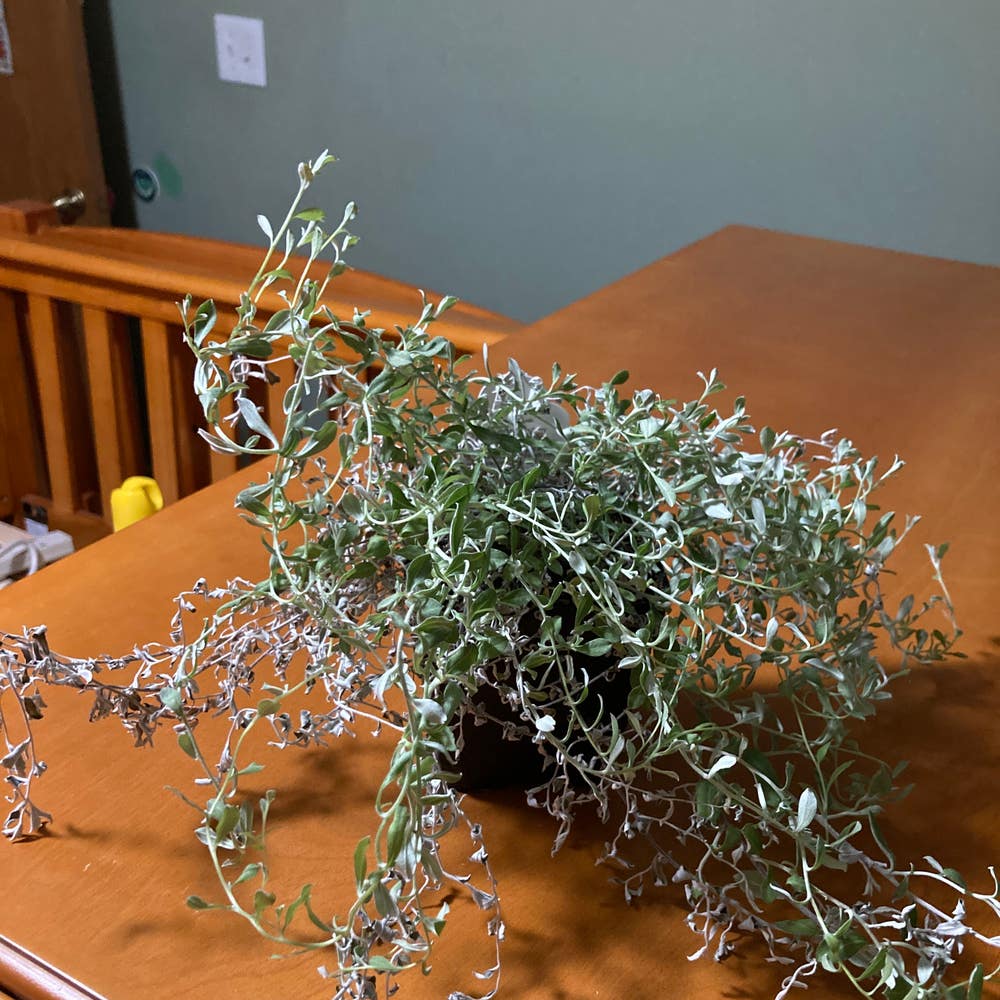
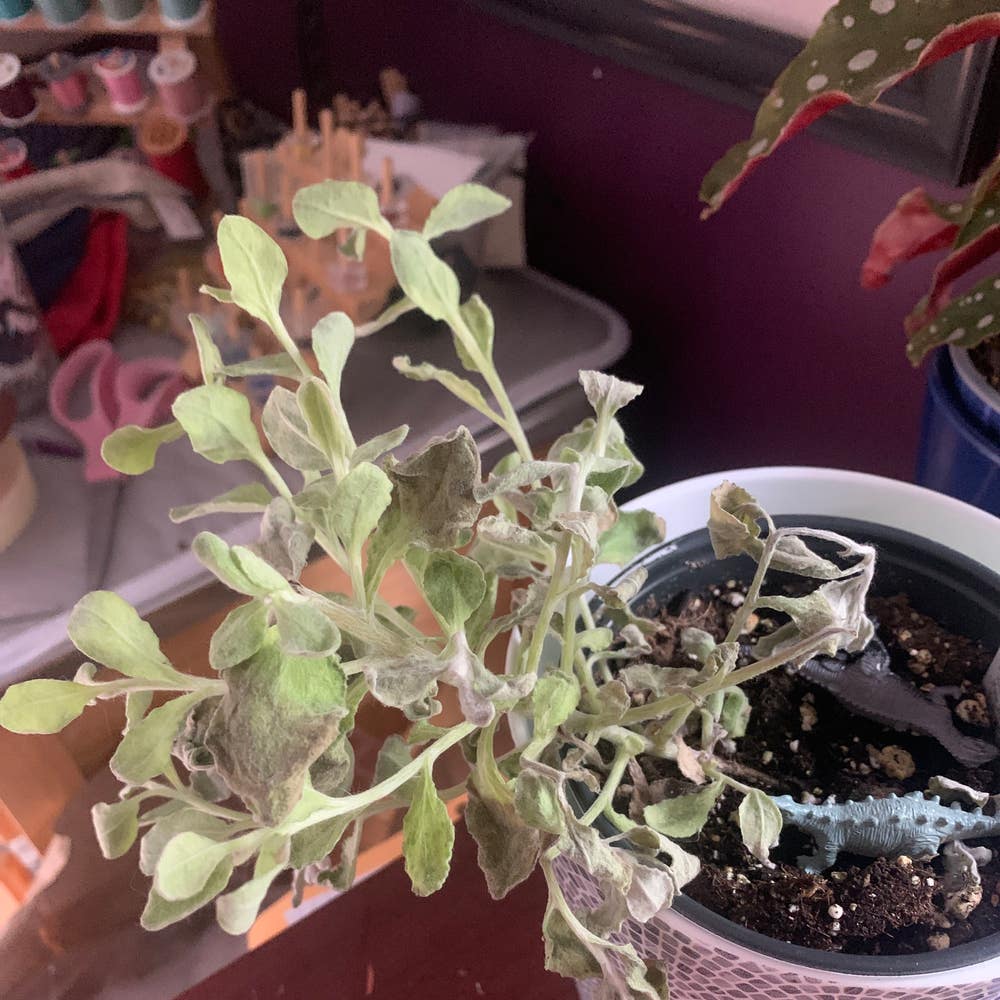
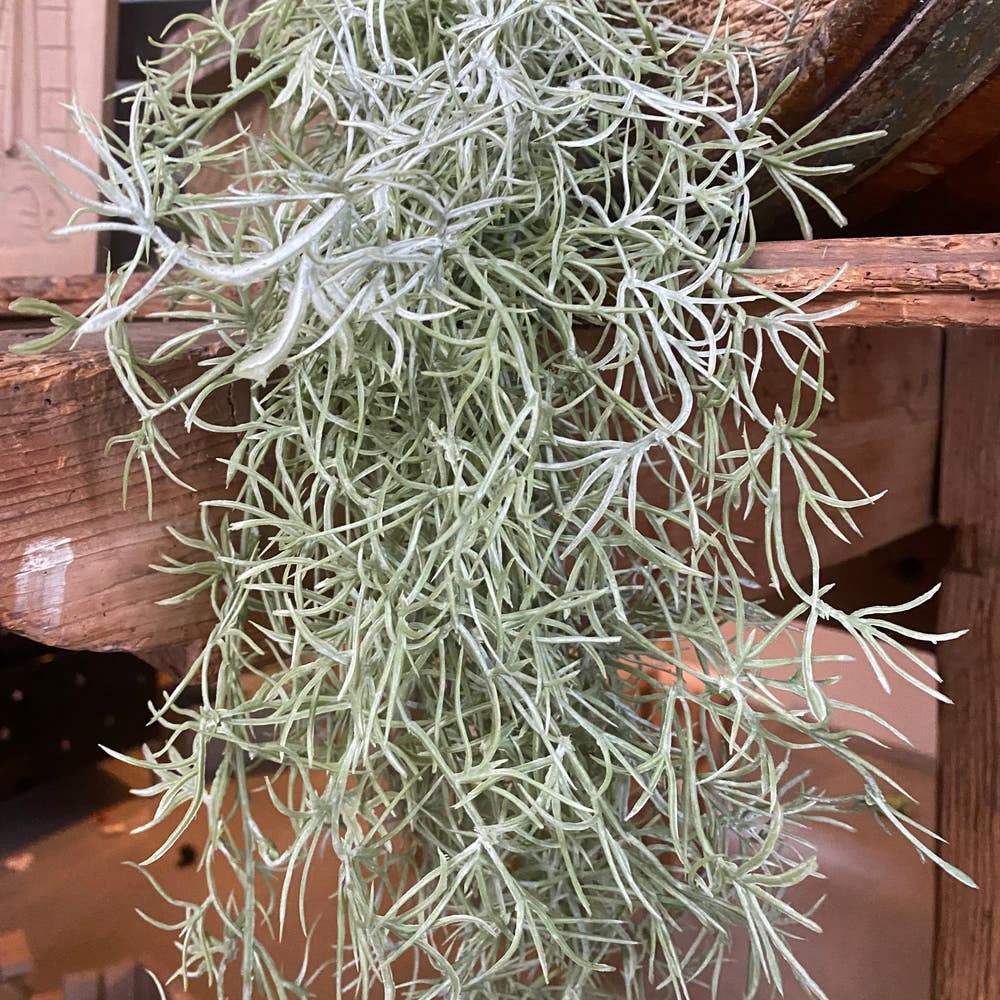
🌸 Dealing with Droopy Leaves on Your Rice Flower
Helichrysum teretifolium
By the Greg Editorial Team
Nov 07, 2024•6 min read
This article was created with the help of AI so we can cover more plants for you. May contain errors. See one? Report it here.
Revive your droopy rice flower 🌱 with essential tips on watering, nutrients, and pest control for vibrant growth!
- 💧 Droopy leaves result from overwatering, underwatering, or nutrient deficiencies.
- 🌱 Regularly check soil moisture to maintain healthy rice flowers and prevent droopiness.
- 🐛 Monitor for pests like aphids; they can worsen droopy leaves and plant stress.
Causes of Droopy Leaves
💧 Overwatering and Its Effects
Overwatering is a common culprit behind droopy leaves in rice flowers. Symptoms include yellowing leaves, mushy stems, and even root rot, which can severely impact plant health.
Maintaining proper soil moisture levels is crucial. Well-drained soil prevents waterlogging, ensuring that roots receive the oxygen they need to thrive.
🚰 Underwatering and Dehydration
On the flip side, underwatering can also lead to droopy leaves. Signs of dehydration include crispy, dry leaves and wilting, indicating that the plant is in distress.
To maintain consistent soil moisture, establish a regular watering frequency. This helps prevent stress on the plant, which can result in droopiness.
🌱 Nutrient Deficiencies
Nitrogen Deficiency
A lack of nitrogen can manifest as pale green leaves and stunted growth. Nitrogen is vital for leaf health and overall growth, making it essential for a thriving rice flower.
Potassium Deficiency
Potassium deficiency often presents as leaf tip burn and yellowing along the edges. This nutrient plays a key role in water regulation and helps plants resist stress.
🐛 Pest Infestations
Common Pests
Pests can wreak havoc on your rice flower, leading to droopy leaves. Aphids are notorious for curling leaves and leaving a sticky residue, while spider mites can be identified by fine webbing and stippled leaves.
The presence of these pests weakens the plant, contributing to droopiness. Regular monitoring and prompt action can help keep your rice flower healthy and vibrant.
Diagnosing Droopy Leaves
🌊 Visual Signs of Overwatering vs. Underwatering
Identifying whether your rice flower is drooping due to overwatering or underwatering is crucial. Overwatering typically manifests as soft, yellowing leaves and can lead to root rot, which is a serious issue for your plant's health.
In contrast, underwatering presents itself through dry, crispy leaves and wilting. Recognizing these signs early can help you take corrective action before your plant suffers further.
🥦 Identifying Nutrient Deficiency Symptoms
Nutrient deficiencies can also cause droopy leaves. A nitrogen deficiency is often indicated by pale leaves and stunted growth, signaling that your plant isn't getting the nutrients it needs to thrive.
On the other hand, a potassium deficiency can be recognized by leaf tip burn and yellowing along the edges. Both deficiencies can stress your plant, leading to droopiness if not addressed promptly.
🐛 Recognizing Pest Damage
Pests can wreak havoc on your rice flower, causing droopy leaves as a secondary effect. Aphids are notorious for curling leaves and leaving behind a sticky residue, which can be a telltale sign of their presence.
Spider mites can be identified by fine webbing and stippled leaf surfaces. If you notice these signs, it’s essential to act quickly to prevent further damage to your plant's health.
Understanding these visual cues is the first step in diagnosing the issue with your rice flower. By addressing the underlying causes, you can help restore your plant to its vibrant self. Next, let’s explore effective solutions for droopy leaves.
Solutions for Droopy Leaves
🌊 Adjusting Watering Practices
To revive your rice flower, start by adjusting your watering schedule. Water the plant when the top inch of soil feels dry to the touch.
You can check soil moisture using simple techniques like the finger test or a moisture meter. This ensures your plant receives just the right amount of water, preventing both overwatering and underwatering.
🌱 Fertilizing for Nutrient Balance
Next, consider the nutrients your plant needs. Using balanced NPK fertilizers can significantly improve overall health and vitality.
Apply fertilizer every 4-6 weeks during the growing season to keep your rice flower thriving. This regular feeding helps address any nutrient deficiencies that may contribute to droopy leaves.
🐞 Pest Control Methods
Organic Solutions
If pests are the culprit, start with organic solutions. Neem oil and insecticidal soap are effective for controlling aphids and spider mites without harming beneficial insects.
Additionally, introducing beneficial insects like ladybugs can help keep pest populations in check naturally. These little allies are great for maintaining a healthy garden ecosystem.
Chemical Solutions
For severe infestations, you might need to resort to chemical solutions. Systemic insecticides can be effective, but it's crucial to follow label instructions carefully to ensure safe application.
Always take precautions when using chemicals to protect your plants and the surrounding environment. With the right approach, you can tackle pest issues while keeping your rice flower healthy.
By implementing these solutions, you can help your rice flower recover from droopiness and thrive once again. Next, let’s explore preventative measures to keep your plant healthy in the long run.
Preventative Measures
🌊 Best Practices for Watering
Establishing a consistent watering routine is crucial for your rice flower's health. Adjust your schedule based on seasonal changes to ensure your plant receives the right amount of moisture.
Drainage is equally important. Always ensure that pots have drainage holes to prevent water from pooling, which can lead to root rot.
🌱 Soil Selection and Drainage Tips
Choosing the right soil type can make a significant difference. Opt for a well-draining potting mix or sandy loam to promote healthy root growth.
Consider adding soil amendments like perlite or sand. These materials improve drainage and aeration, helping to keep your rice flower's roots happy.
🐛 Regular Monitoring for Pests and Diseases
Routine inspections are key to early detection of pests. Make it a habit to check the undersides of leaves, where pests often hide.
Addressing issues promptly can prevent them from escalating. Early intervention is your best defense against potential infestations.
🌦️ Seasonal Care Adjustments
Be prepared to adjust your care practices with the seasons. In summer, your rice flower may need more frequent watering, while in winter, you can cut back.
Also, consider temperature fluctuations. Moving your plants indoors during extreme weather can protect them from stress and damage.
By implementing these preventative measures, you can help ensure your rice flower remains vibrant and healthy, ready to thrive in any season.
Post-Recovery Care
🌱 Signs of Recovery
After addressing the droopiness of your rice flower, look for clear indicators of improvement. New growth, firm leaves, and vibrant color are all positive signs that your plant is bouncing back.
Regular monitoring is essential during this recovery phase. Keep an eye on your plant's progress to ensure it continues to thrive.
🔧 Continued Maintenance After Droopiness
To support your rice flower's recovery, maintain consistent watering and fertilization practices. This ongoing care is crucial for restoring the plant's health.
Patience is key during this time. Allow your plant to recover without over-correcting, as too much intervention can lead to further stress.
🩺 When to Seek Professional Help
Sometimes, despite your best efforts, droopiness may persist. If you notice ongoing issues, it might be time to seek professional intervention.
Look for signs that indicate a need for expert advice, such as persistent droopiness despite care adjustments. Consulting local horticulturists or extension services can provide valuable insights and solutions tailored to your plant's needs.
Transitioning into a proactive care routine will not only help your rice flower recover but also enhance its resilience against future challenges.
⚠️ Safety First
This content is for general information and may contain errors, omissions, or outdated details. It is not medical, veterinary advice, or an endorsement of therapeutic claims.
Always consult a qualified healthcare professional before using any plant as food, medicine, or supplement.
Never eat any plant (or feed one to pets) without confirming its identity with at least two trusted sources.
If you suspect poisoning, call Poison Control (800) 222-1222, the Pet Poison Helpline (800) 213-6680, or your local emergency service immediately.
Spotted an error? Please report it here.
Transform your rice flower's droopy leaves into vibrant growth 🌿 by using Greg's tailored watering reminders and nutrient tips to keep your plant thriving!