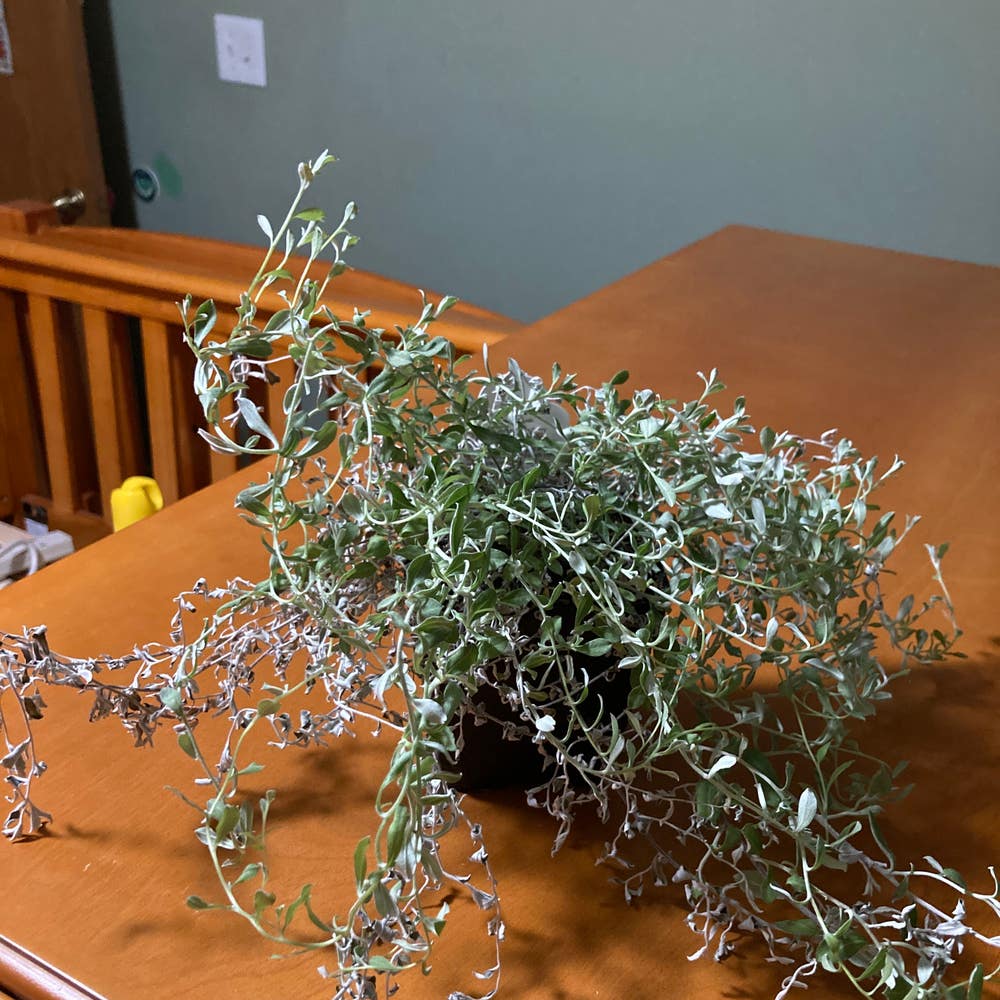
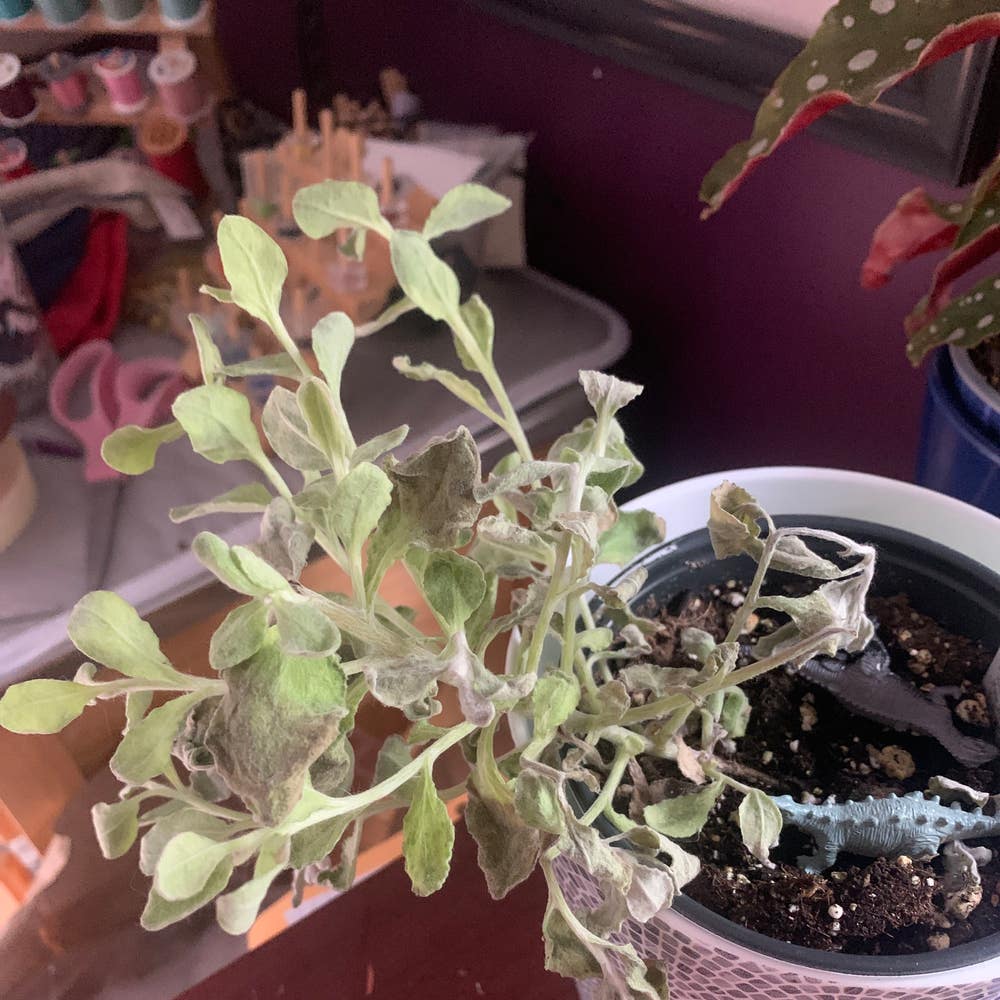
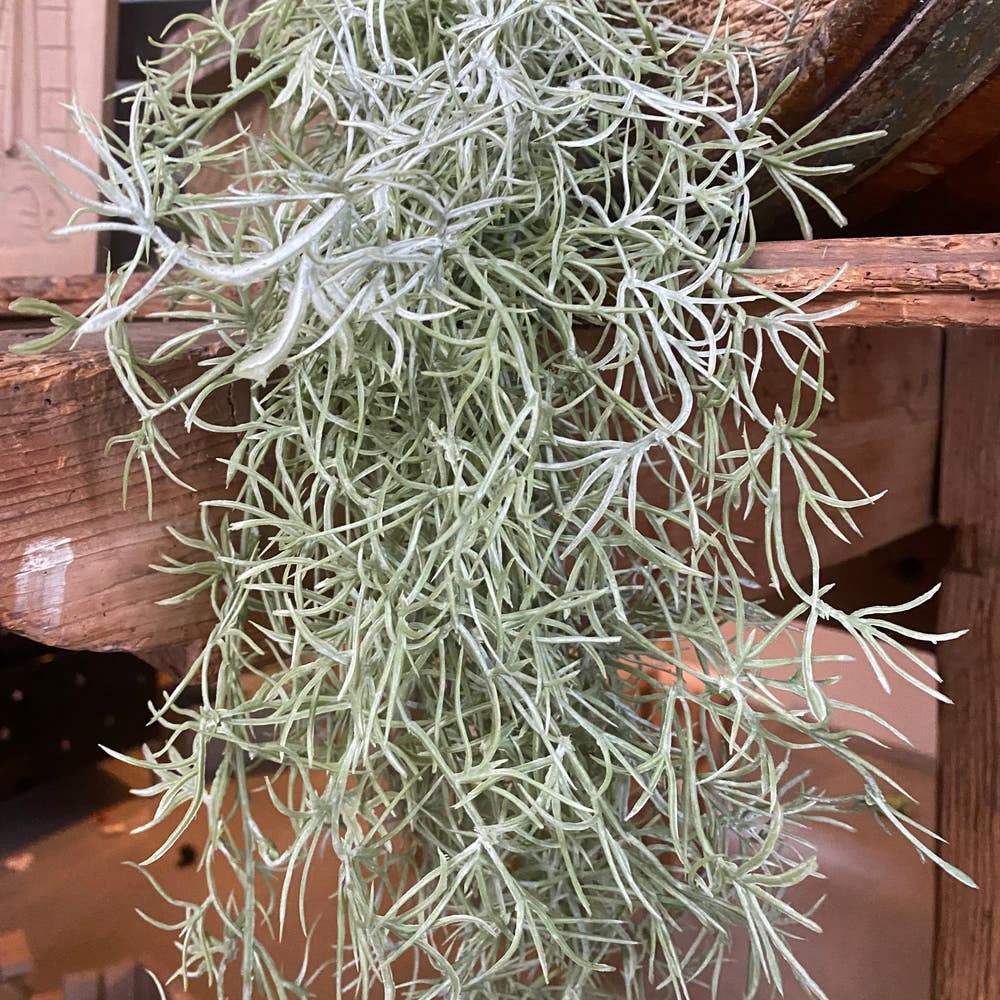
Understanding Why Your Rice Flower Has Yellow Leaves 🍂
Helichrysum teretifolium
By the Greg Editorial Team
Nov 07, 2024•6 min read
This article was created with the help of AI so we can cover more plants for you. May contain errors. See one? Report it here.
Transform your rice flower's health by mastering the causes of yellow leaves! 🌱
- 🌱 Yellow leaves indicate issues like nutrient deficiencies, pests, or watering problems.
- 💧 Overwatering suffocates roots, while underwatering causes crispy leaf edges.
- 🔍 Regular monitoring and soil tests help maintain healthy rice flowers.
Common Causes of Yellow Leaves
Yellow leaves on your rice flower can be a sign of various underlying issues. Understanding these causes is crucial for restoring your plant's health.
🌱 Nutrient Deficiencies
Nitrogen Deficiency
Nitrogen is essential for plant growth, and a deficiency often manifests as general yellowing of older leaves. You may also notice stunted growth, indicating that your rice flower is not getting the nutrients it needs.
Iron Deficiency
Iron deficiency presents differently, with yellowing occurring between the leaf veins while the veins themselves remain green. This condition can hinder photosynthesis, affecting overall plant vitality.
💧 Watering Issues
Overwatering
Overwatering is a common mistake that leads to yellowing leaves, wilting, and even root rot. If your rice flower's roots are sitting in soggy soil, it can suffocate and decay.
Underwatering
Conversely, underwatering can also cause yellowing leaves, often accompanied by dry and crispy edges. It's essential to find a balance in your watering routine to keep your plant hydrated without drowning it.
🐛 Pest Infestations
Aphids
Aphids are small pests that can wreak havoc on your rice flower. Look for curling leaves, sticky residue, and the presence of ants, which often accompany these sap-sucking insects.
Spider Mites
Spider mites are another threat, identifiable by fine webbing on the plant and stippled leaves that may also turn yellow. These tiny pests can quickly multiply, so early detection is key.
🍄 Fungal Diseases
Root Rot
Root rot is a serious condition characterized by wilting, yellowing leaves, and mushy roots. This fungal disease thrives in overly wet conditions, making it vital to monitor your watering habits.
Leaf Spot
Leaf spot manifests as dark spots on leaves, with yellowing around the affected areas. This fungal issue can spread quickly, so addressing it promptly is essential for your plant's health.
Understanding these common causes of yellow leaves is the first step in diagnosing and treating your rice flower's issues. Next, we’ll explore how to effectively diagnose the problem and take corrective action.
Diagnosing the Problem
🕵️♂️ Identifying Symptoms and Signs
Diagnosing the issue with your Rice Flower starts with a careful visual inspection. Look for color changes in the leaves, noting any yellowing or patterns that could indicate specific problems.
Next, assess the soil moisture levels and drainage conditions. Soil that retains too much water or is overly dry can lead to yellowing leaves, so understanding your plant's environment is crucial.
🧪 Conducting a Soil Test
A soil test is essential for determining nutrient availability. The pH level of your soil directly affects how well your Rice Flower can absorb nutrients.
For optimal growth, aim for a soil pH range of 6.0 to 7.5. This range ensures that essential nutrients are accessible, helping to prevent yellow leaves and other issues.
By identifying symptoms and conducting a soil test, you can effectively pinpoint the underlying causes of yellowing leaves. This proactive approach sets the stage for implementing the right solutions and treatments.
Solutions and Treatments
🌊 Adjusting Watering Practices
Proper watering is crucial for the health of your Rice Flower. Aim to water when the top inch of soil feels dry, ensuring you don’t let it sit in soggy conditions.
Recognizing the signs of overwatering is essential. Look for yellowing leaves and wilting, which often indicate root rot, while dry, crispy edges suggest underwatering.
🌱 Fertilization Tips
Choosing the right fertilizer can make a significant difference. Opt for balanced fertilizers that cater to the specific needs of Rice Flowers.
For nutrient deficiencies, a fertilizer with an NPK ratio of 10-10-10 or 20-20-20 can be effective. This ensures your plant receives adequate nitrogen, phosphorus, and potassium for optimal growth.
🐛 Pest Control Methods
Pest infestations can wreak havoc on your Rice Flower. For aphids and spider mites, both organic and chemical treatments are available.
Early detection is key. Regularly inspect your plants for signs of pests, such as curling leaves or fine webbing, to intervene before the problem escalates.
🍄 Managing Fungal Infections
Fungal diseases like root rot and leaf spot require prompt action. If you notice wilting or dark spots on leaves, consider using fungicides specifically designed for these issues.
Improving air circulation and reducing humidity can also help prevent fungal infections. Ensure your plants have enough space and avoid overcrowding to promote healthy growth.
By implementing these solutions and treatments, you can effectively address the issues causing yellow leaves in your Rice Flower. Next, let’s explore preventative measures to keep your plant thriving year-round.
Preventative Measures
🌱 Best Practices for Rice Flower Care
To keep your Rice Flower thriving, establish a regular watering schedule that aligns with environmental conditions. This means checking the soil moisture regularly and adjusting your watering frequency based on factors like temperature and humidity.
Using well-draining soil and pots is crucial. Good drainage prevents water from pooling, which can lead to root rot and other issues that cause yellowing leaves.
🌦️ Seasonal Care Tips to Prevent Yellowing
As seasons change, so should your care practices. In warmer months, your Rice Flower may need more frequent watering, while cooler months might require less.
Additionally, consider adjusting light exposure. During the summer, ensure your plant gets enough sunlight without being scorched, and in winter, provide adequate light to prevent stress.
🔍 Monitoring Plant Health Regularly
Routine inspections are key to catching early signs of stress. Look for changes in leaf color, texture, and overall growth.
Regular monitoring allows you to address issues before they escalate. This proactive approach helps maintain the health and vibrancy of your Rice Flower, ensuring it remains a beautiful addition to your space.
By implementing these preventative measures, you can significantly reduce the risk of yellowing leaves and keep your Rice Flower flourishing. Next, let’s explore when it might be time to seek professional help for your plant.
When to Seek Professional Help
🚩 Signs That Indicate a Serious Issue
If your rice flower is showing persistent yellowing despite your best efforts to correct the issue, it may be time to consider professional help. This ongoing problem could indicate deeper underlying issues that require expert intervention.
Another red flag is a sudden decline in overall plant health. If your rice flower goes from vibrant to wilting in a short period, it’s crucial to act quickly.
🩺 Why Professional Help Matters
Consulting with a plant specialist can provide insights that you might not have considered. They can diagnose complex problems, recommend specific treatments, and help you understand the root causes of your plant's distress.
Don’t hesitate to reach out for help if you notice these signs. Your rice flower deserves the best care, and sometimes that means bringing in the experts.
🔄 Transition to Next Steps
Once you’ve assessed the situation and determined whether professional help is necessary, you can explore preventative measures to keep your rice flower thriving. Understanding how to care for your plant effectively will minimize future issues and promote healthy growth.
⚠️ Safety First
This content is for general information and may contain errors, omissions, or outdated details. It is not medical, veterinary advice, or an endorsement of therapeutic claims.
Always consult a qualified healthcare professional before using any plant as food, medicine, or supplement.
Never eat any plant (or feed one to pets) without confirming its identity with at least two trusted sources.
If you suspect poisoning, call Poison Control (800) 222-1222, the Pet Poison Helpline (800) 213-6680, or your local emergency service immediately.
Spotted an error? Please report it here.
Keep your rice flower's leaves vibrant and green 🌿 by using Greg's tailored reminders for watering and nutrient checks to tackle yellowing issues before they escalate!