🌸 4 Key Phases of Rice Flower Development
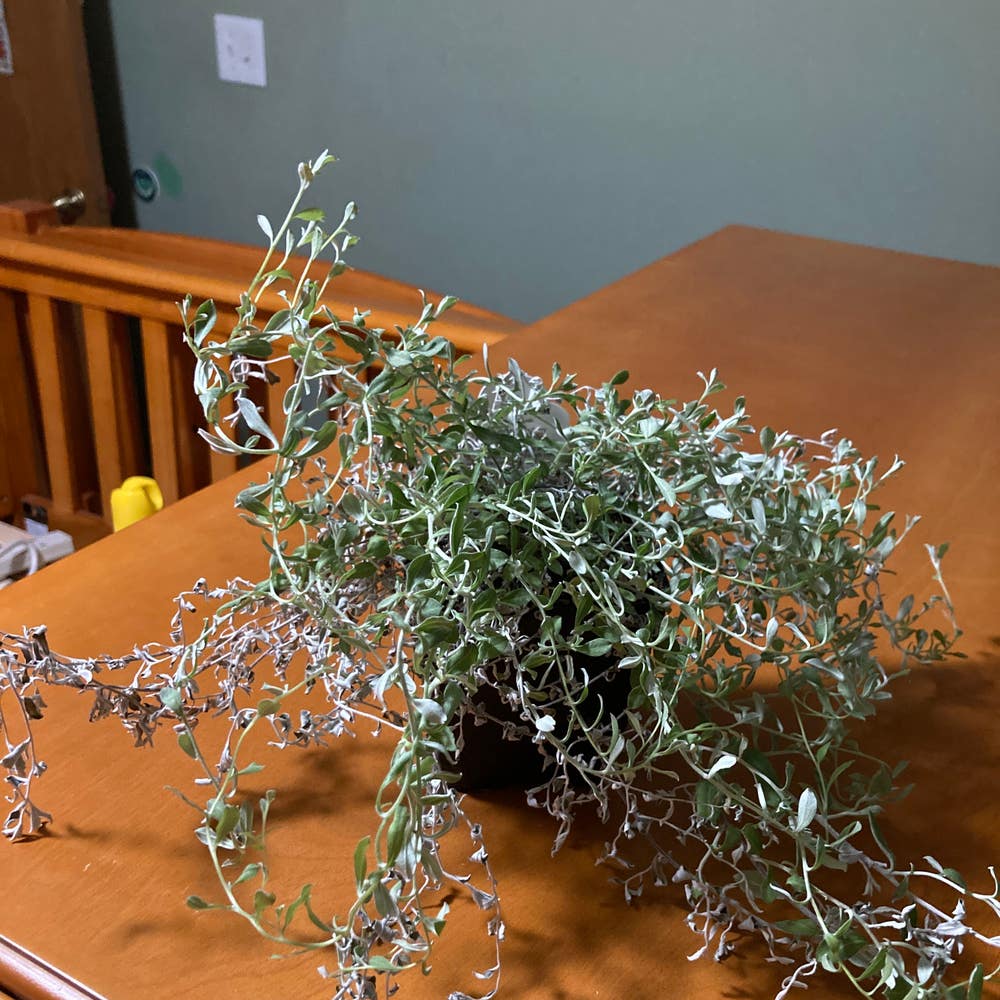
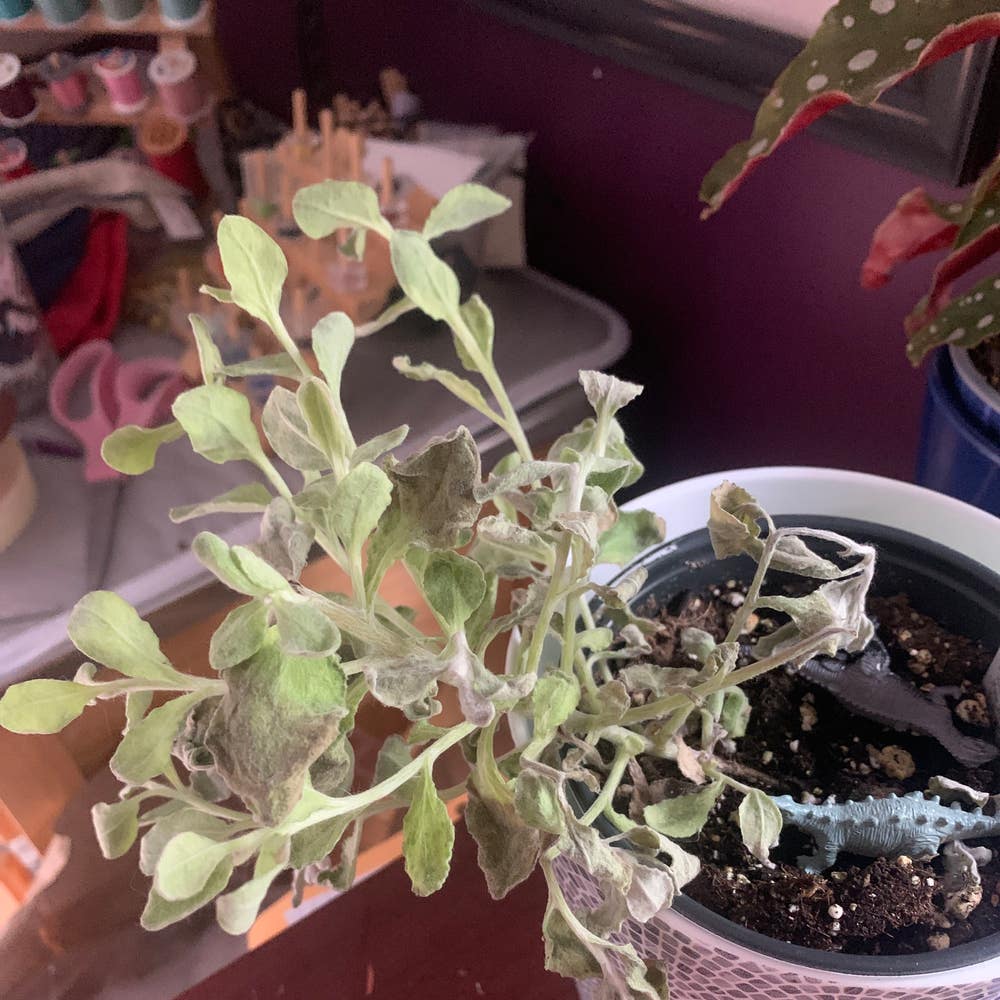
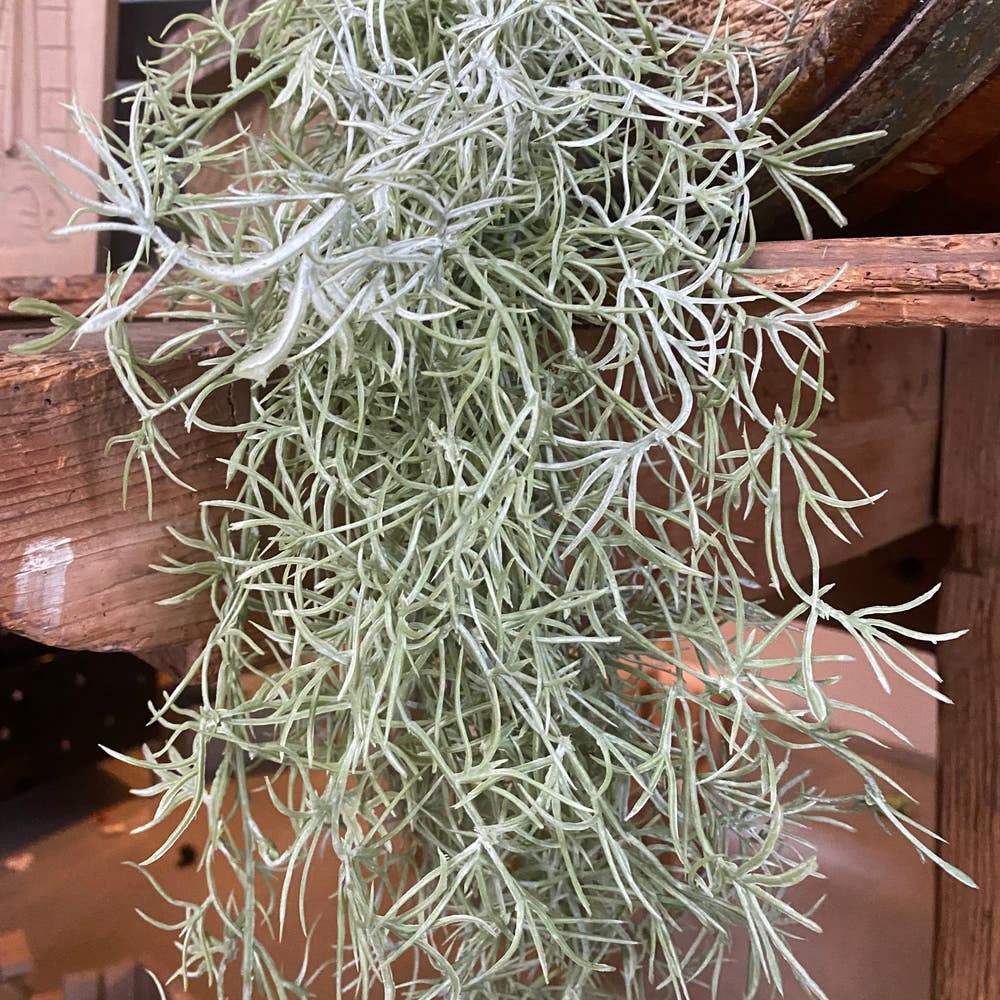
Helichrysum teretifolium
By the Greg Editorial Team
Nov 07, 2024•6 min read
This article was created with the help of AI so we can cover more plants for you. May contain errors. See one? Report it here.
Unlock the secrets of rice growth stages 🌾 for a thriving harvest and robust crops!
- 🌱 Rice flower development has 4 key phases: germination, seedling, vegetative, and flowering.
- 🌡️💧 Optimal germination requires 20-30°C temperatures and moist soil for best results.
- 🌾 Nutrient management is crucial during flowering for maximizing seed yield and quality.
Germination Stage
⏳ Duration of Germination
The germination stage is a crucial first step in rice flower development, typically lasting between 5 to 10 days. This period can vary based on several factors, including temperature, moisture levels, and the quality of the seeds used.
🌱 Conditions for Successful Germination
For successful germination, maintaining the right conditions is essential. The optimal temperature range is between 20°C to 30°C (68°F to 86°F), which promotes healthy seed sprouting.
Soil moisture plays a vital role as well; it should be consistently wet but not waterlogged. Planting seeds at a depth of 1 to 2 inches in well-prepared soil ensures they have the best chance to thrive.
Additionally, pre-soaking seeds before planting can significantly enhance germination rates. This simple step helps to kickstart the process, making it easier for seeds to break through the soil and begin their journey toward becoming robust rice plants.
With the germination stage complete, the rice plants are ready to transition into the seedling stage, where they will continue to grow and develop.
Seedling Stage
⏳ Duration of Seedling Growth
The seedling stage lasts about 2 to 4 weeks after germination. This duration can vary based on environmental conditions and the specific seed variety used.
🌱 Key Characteristics of Seedlings
During this stage, rice seedlings develop long, slender leaves that are crucial for photosynthesis. A robust root system also establishes, which is vital for nutrient and water uptake.
By the end of the seedling stage, seedlings typically reach a height of 10 to 20 cm (4 to 8 inches). This growth sets the foundation for the plant's future development and overall health.
As the seedlings progress, they become more resilient, preparing for the next phases of growth. Understanding this stage is essential for ensuring a successful transition to the vegetative growth phase.
Vegetative Growth Stage
🌱 Duration of Vegetative Growth
The vegetative growth stage of rice lasts between 4 to 8 weeks. This duration can vary based on the rice variety and environmental conditions.
🚀 Growth Rate
During this phase, rice plants experience a rapid increase in biomass and leaf area. This growth is crucial for establishing a strong foundation for future development.
🌿 Changes in Plant Structure and Health
Leaf Development
As the plant grows, it develops multiple leaf blades. These leaves are essential for photosynthesis, allowing the plant to harness sunlight effectively.
Stem Elongation
The stem elongates significantly during this stage, often reaching heights of up to 1 meter (3 feet) or more. This height is vital for maximizing light exposure.
Nutrient Uptake
With increased growth comes a higher demand for nutrients, particularly nitrogen and potassium. These nutrients are critical for healthy leaf and stem development.
Importance of Water Management
Effective water management is essential during the vegetative stage. Maintaining optimal flooding levels ensures that the plants receive adequate moisture without becoming waterlogged.
This stage sets the stage for the flowering process, where the plant will transition into its reproductive phase. Understanding these growth dynamics is key to optimizing rice production and ensuring a healthy crop.
Flowering Stage
Duration of Flowering 🌼
The flowering stage of rice development lasts about 2 to 3 weeks. This critical phase typically occurs 70 to 100 days after planting, marking a pivotal moment in the plant's life cycle.
Pollination Process and Its Importance 🌬️
Rice primarily relies on self-pollination, although wind can assist in this process. Timing is crucial; synchronization with environmental conditions ensures optimal seed set.
Successful pollination significantly impacts yield. When pollination occurs effectively, it leads to higher seed production, which is essential for a fruitful harvest.
Understanding these dynamics can help farmers optimize their practices, ensuring that their crops thrive during this vital stage. As we move forward, let's explore the seed production stage and its significance in the rice cultivation process.
Seed Production Stage
Duration of Seed Production 🌱
The seed production stage lasts between 30 to 45 days after flowering. This period is crucial, as it directly influences the quantity and quality of the rice yield.
Factors Affecting Seed Yield 📈
Several factors play a significant role in determining seed yield.
Environmental Factors
- Temperature: Optimal temperatures promote healthy growth.
- Humidity: Adequate humidity levels are essential for seed development.
- Water Availability: Consistent water supply is critical during this stage.
Nutrient Management
Proper fertilization during flowering and seed filling is vital. Nutrients like nitrogen, phosphorus, and potassium support robust seed development.
Pest and Disease Management 🐛
Protecting plants from pests and diseases is crucial for maximizing yield. Regular monitoring and timely interventions can safeguard the crop's health.
Understanding these factors can enhance your rice production efforts. By managing environmental conditions, nutrients, and potential threats, you can significantly improve seed yield.
As we transition to the next phase, let's explore the growth rate and maturation of rice flowers, highlighting how long it takes for these plants to reach their full potential.
Growth Rate and Maturation
🌱 How Long Until Rice Flower is Fully Grown?
The journey from planting to harvest for rice flowers typically spans 3 to 6 months. This timeline can vary significantly between varieties, with Indica rice generally maturing faster than Japonica rice.
⚡️ How Fast Does Rice Flower Grow?
During the vegetative stage, rice plants can grow impressively, reaching heights of up to 1 meter (3 feet). Several factors influence this growth rate, including soil fertility, water management, and climatic conditions.
🌿 Notable Changes Throughout Life Cycle
Physical Changes in the Plant
As rice transitions from seedling to mature plant, you'll notice a marked increase in both height and leaf number. Additionally, the development of flowering structures, known as panicles, becomes evident as the plant prepares for reproduction.
Changes in Nutrient Requirements
Nutrient needs shift throughout the rice plant's life cycle. In the seedling stage, there's a high demand for nitrogen to support leaf development. As the plant enters the flowering stage, it requires more phosphorus and potassium to ensure reproductive success.
Environmental Adaptations During Growth Stages
Rice plants are remarkable in their ability to adapt to varying environmental conditions. For instance, they develop aerenchyma to facilitate oxygen transport when submerged in water. Conversely, during drought conditions, rice exhibits altered growth patterns and enhanced stress tolerance mechanisms.
Understanding these growth rates and adaptations not only highlights the resilience of rice plants but also underscores the importance of proper management practices throughout their life cycle. As we move forward, let’s explore the next phase: the intricacies of seed production.
⚠️ Safety First
This content is for general information and may contain errors, omissions, or outdated details. It is not medical, veterinary advice, or an endorsement of therapeutic claims.
Always consult a qualified healthcare professional before using any plant as food, medicine, or supplement.
Never eat any plant (or feed one to pets) without confirming its identity with at least two trusted sources.
If you suspect poisoning, call Poison Control (800) 222-1222, the Pet Poison Helpline (800) 213-6680, or your local emergency service immediately.
Spotted an error? Please report it here.
Master the four phases of rice flower growth 🌱 with Greg's personalized care tips and reminders, ensuring your plants thrive from germination to harvest!