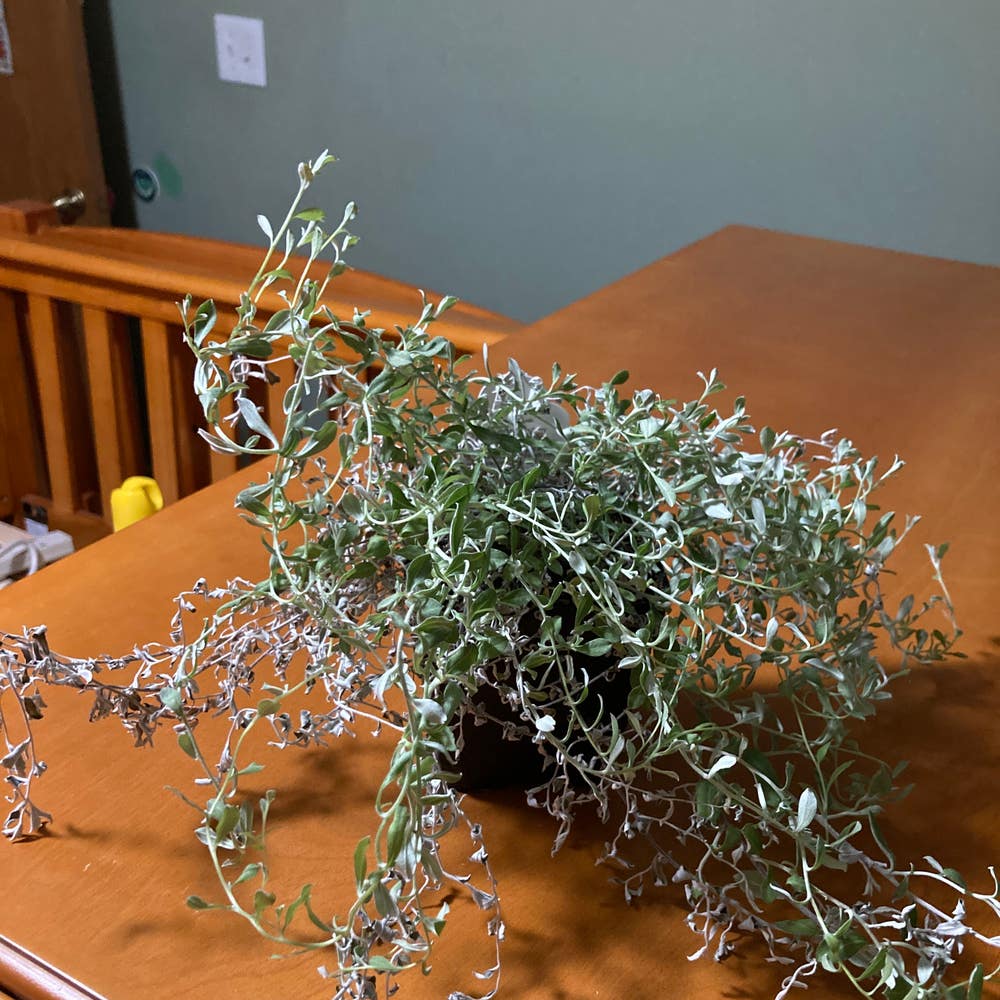
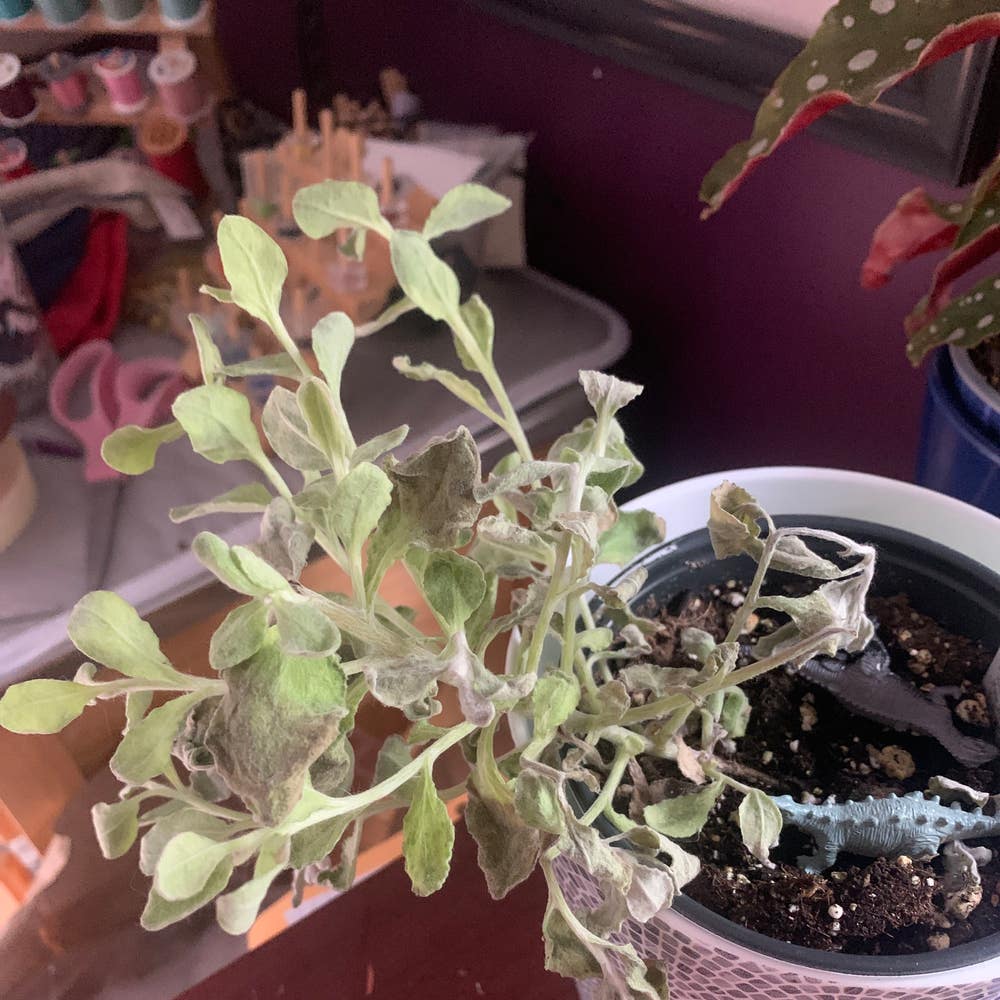
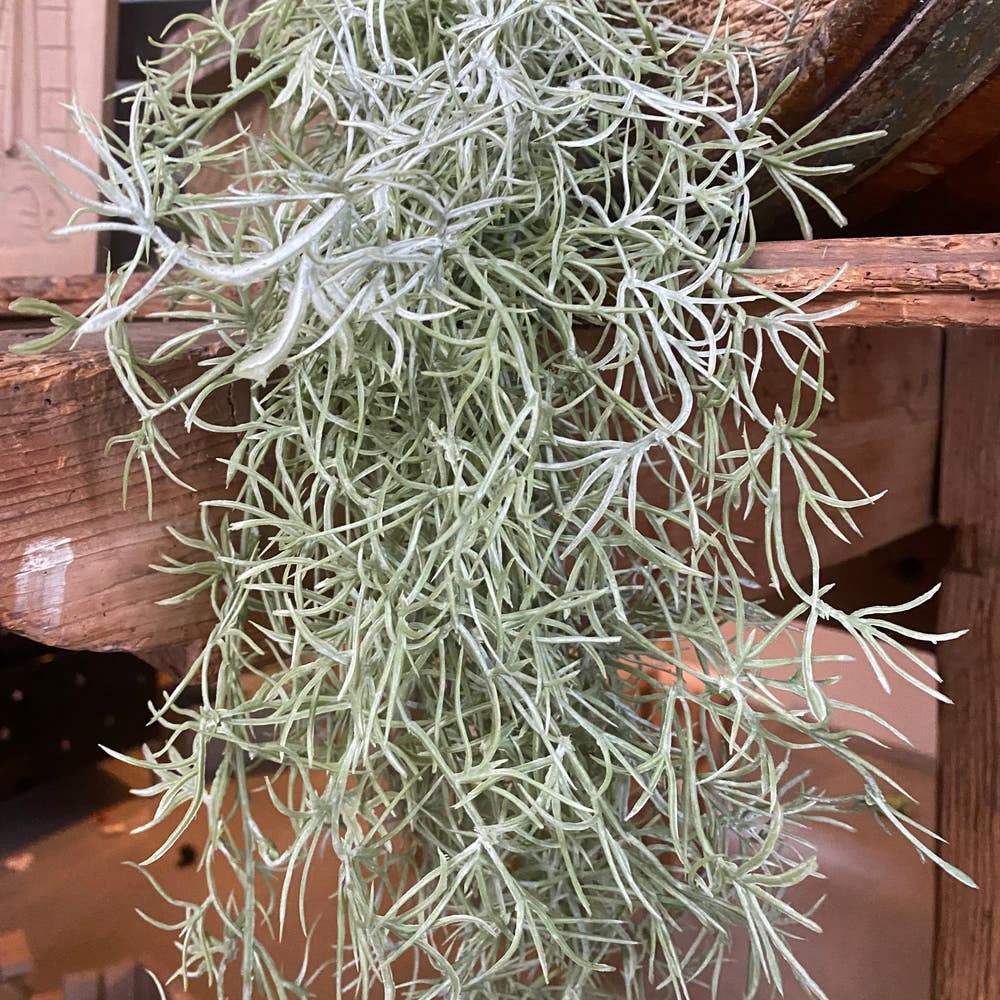
🌾 Ultimate Guide to Soil for Rice Flower
Helichrysum teretifolium
By the Greg Editorial Team
Nov 07, 2024•5 min read
This article was created with the help of AI so we can cover more plants for you. May contain errors. See one? Report it here.
Cultivate vibrant rice flowers 🌾 with the perfect soil mix and essential care tips for thriving blooms!
- 🌱 Well-draining soil prevents root rot, ensuring healthy rice flowers thrive.
- 🧪 Maintain soil pH between 6.0-7.0 for optimal nutrient uptake in rice flowers.
- 🌿 Incorporate organic matter like compost for enriched soil and robust growth.
Soil Composition for Rice Flower
Ideal Soil Composition 🌱
To cultivate healthy rice flowers, start with well-draining soil. This is crucial for preventing root rot, which can devastate your plants.
Next, focus on nutrient-rich components. Incorporate organic matter, compost, and peat moss to enrich the soil and support robust growth.
The texture of your soil is equally important. Aim for a loamy mix that balances sand, silt, and clay, providing both aeration and moisture retention.
Recommended Soil pH Levels for Optimal Growth ⚗️
For optimal nutrient uptake, maintain a soil pH between 6.0 and 7.0. This range ensures that your rice flowers can access essential nutrients effectively.
Testing your soil pH is straightforward. Use a soil pH meter or a test kit to get accurate readings.
If adjustments are needed, you can easily modify the pH. Incorporate sulfur to lower the pH or lime to raise it, ensuring your soil remains in the ideal range for growth.
With the right soil composition and pH levels, your rice flowers will thrive, setting the stage for a vibrant garden. Next, let’s explore how to identify and resolve unhealthy soil conditions.
Identifying and Resolving Unhealthy Soil
🕵️♂️ Signs of Unhealthy Soil
Recognizing unhealthy soil is crucial for maintaining the health of your rice flowers. Look for moldy soil, which appears as white or gray mold growth on the surface, indicating excess moisture or poor air circulation.
Another red flag is soil compaction. If the soil feels hard and dense, it restricts root growth and water absorption. Lastly, poor drainage is evident when water pools on the surface after watering, signaling that the soil isn't allowing for proper drainage.
🛠️ Solutions for Common Soil Problems
Addressing these soil issues can rejuvenate your rice flowers. For moldy soil, improve air circulation by spacing plants appropriately and reducing watering frequency to prevent excess moisture.
If you encounter compaction, aerate the soil using a garden fork or tiller. This will help break up the dense layers and promote healthier root growth. For nutrient deficiencies, consider using organic fertilizers to replenish essential nutrients, ensuring your rice flowers thrive.
By staying vigilant and proactive, you can create a healthy environment for your rice flowers to flourish. Next, we’ll explore how to create a homemade soil mix tailored specifically for their needs.
Creating a Homemade Soil Mix for Rice Flower
Step-by-Step Guide to Making a Rice Flower Soil Mix 🌾
Creating the perfect soil mix for your rice flower is a straightforward process. Start by gathering essential materials: peat moss, perlite, compost, and garden soil.
Next, focus on the mix ratios. Combine 40% peat moss, 30% perlite, 20% compost, and 10% garden soil. This blend ensures a well-draining, nutrient-rich environment for your plants.
Once you have your materials, blend them thoroughly. This step is crucial for achieving an even distribution of ingredients, which promotes healthy growth.
Tips for Adjusting Soil pH and Texture ⚗️
Before planting, it's vital to test your soil's pH. A soil pH meter is an excellent tool for this task, helping you determine if adjustments are necessary.
If your soil needs texture adjustments, consider adding sand for improved drainage or clay to enhance moisture retention. Regular monitoring of soil pH and texture every growing season will keep your rice flowers thriving.
With these steps, you'll create a homemade soil mix that supports robust growth and vibrant blooms. Now, let’s explore how to enhance your soil further with amendments and enhancements.
Soil Amendments and Enhancements
🌱 Types of Amendments Beneficial for Rice Flower
To cultivate healthy rice flowers, incorporating the right soil amendments is crucial. Organic matter such as compost, well-rotted manure, and leaf mold enriches the soil, improving its structure and nutrient content.
Additionally, consider using nutrient boosters like bone meal and fish emulsion. These amendments provide essential phosphorus and nitrogen, promoting robust growth and vibrant blooms.
🛠️ How to Incorporate Organic Matter into the Soil
Incorporating organic matter effectively enhances soil health. Use mixing techniques to blend organic materials into the top 6-12 inches of soil, ensuring even distribution.
Timing is also key. Amend the soil before planting or during the growing season to maximize benefits and support your rice flowers as they thrive.
🍂 Benefits of Using Mulch and Compost
Using mulch and compost offers numerous advantages for rice flower cultivation. Mulch retains moisture, suppresses weeds, and helps regulate soil temperature, creating a stable environment for growth.
Compost further enhances soil fertility and boosts microbial activity. This not only nourishes your plants but also fosters a healthy ecosystem in your garden.
Incorporating these amendments and enhancements will set the stage for thriving rice flowers. As you prepare your soil, remember that healthy plants start with a solid foundation. Next, let’s explore seasonal soil care practices to keep your garden flourishing year-round.
Seasonal Soil Care for Rice Flower
Adjusting Soil Care Practices with Changing Seasons 🌦️
Caring for your rice flower soil is a year-round commitment. In spring, start by testing your soil and amending it as needed to ensure it's ready for planting.
During the summer, keep a close eye on moisture levels. Adjust your watering frequency to prevent both drought stress and overwatering.
As fall approaches, it's time to think about maintenance. Adding organic matter now will prepare your soil for the winter months ahead.
Preparing Soil for Planting and Post-Harvest Care 🌱
Before planting, clear away any debris from the previous season. Testing your soil again will help you identify any necessary amendments.
After harvest, don’t neglect your soil. Incorporating cover crops can significantly improve soil health and prevent erosion, setting you up for success in the next growing season.
By following these seasonal soil care practices, you’ll create a thriving environment for your rice flowers, ensuring they flourish year after year.
⚠️ Safety First
This content is for general information and may contain errors, omissions, or outdated details. It is not medical, veterinary advice, or an endorsement of therapeutic claims.
Always consult a qualified healthcare professional before using any plant as food, medicine, or supplement.
Never eat any plant (or feed one to pets) without confirming its identity with at least two trusted sources.
If you suspect poisoning, call Poison Control (800) 222-1222, the Pet Poison Helpline (800) 213-6680, or your local emergency service immediately.
Spotted an error? Please report it here.
Cultivate thriving rice flowers 🌾 by enriching your soil with organic matter and let Greg provide you with personalized reminders and tips for success!