Managing Direct Sunlight for Your Rice Flower ☀️
Helichrysum teretifolium
By the Greg Editorial Team
Nov 07, 2024•5 min read
This article was created with the help of AI so we can cover more plants for you. May contain errors. See one? Report it here.
Master Rice Flower sunlight needs 🌞 for vibrant blooms and healthy growth in your home garden!
- 🌞 Rice Flower thrives in direct sunlight, ensuring optimal growth and blooming.
- 🌱 Gradually acclimatize Rice Flower to full sun to prevent stress and leaf burn.
- 🏡 Ideal placements include south and east-facing windows for balanced sunlight exposure.
Rice Flower and Sunlight Tolerance
🌞 Does Rice Flower Need Direct Sunlight?
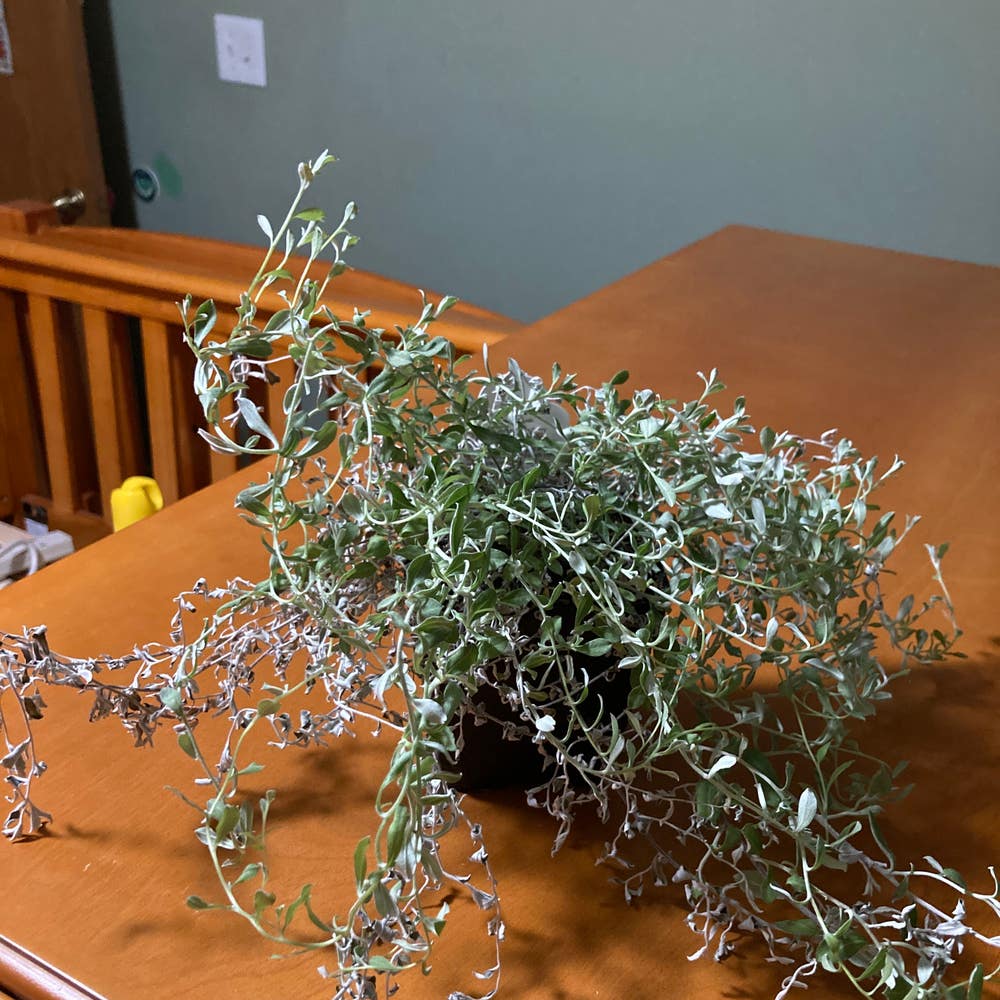
Rice Flower thrives in bright, sunny environments, showcasing its preference for direct sunlight. This vibrant plant flourishes when basked in natural light, making it an excellent choice for sunlit spaces.
☀️ Can Rice Flower Tolerate Direct Sunlight?
Yes, Rice Flower can tolerate direct sunlight, but it requires acclimatization to prevent stress. Gradually introducing the plant to full sun helps it adapt without suffering from shock.
🔥 Effects of Too Much Direct Sunlight on Rice Flower
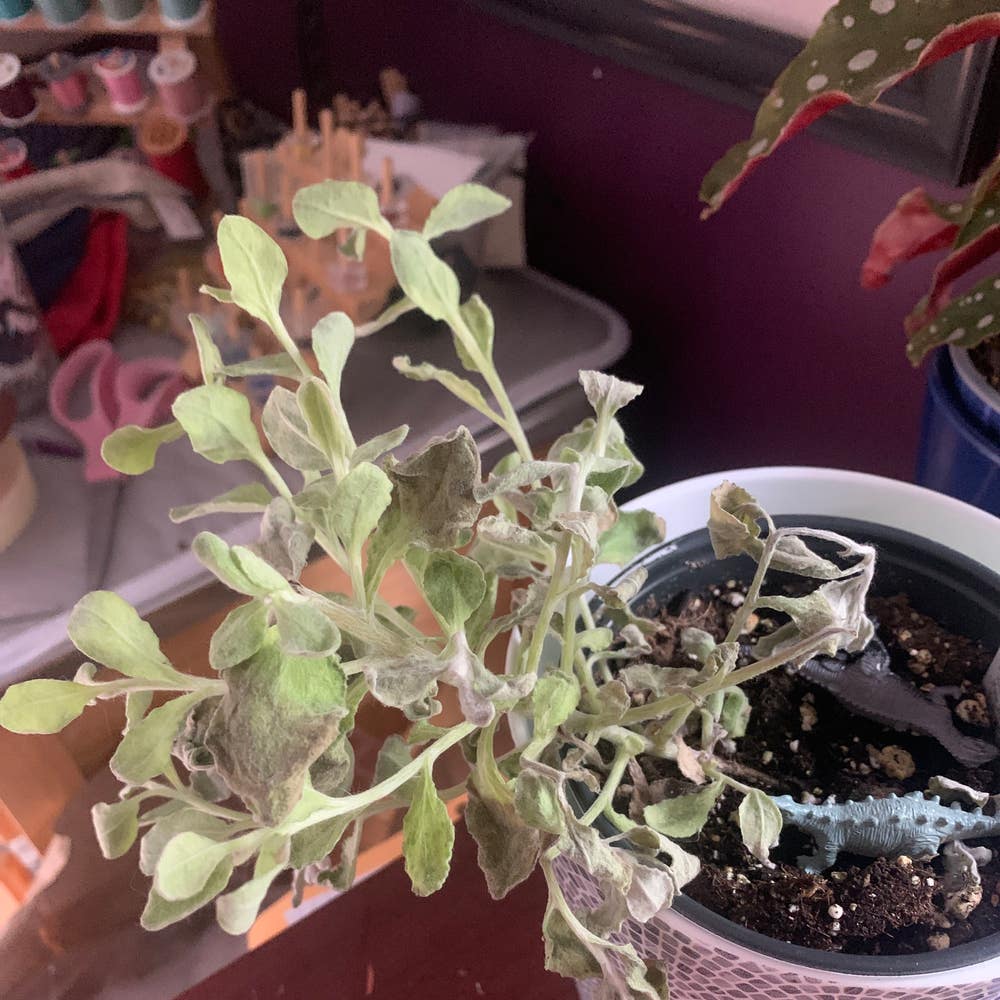
While Rice Flower enjoys sunlight, too much can lead to leaf burn and wilting. Overexposure may also reduce blooming and negatively impact overall plant health.
😟 Signs of Stress in Rice Flower from Sunlight Exposure
Watch for wilting leaves, which may appear droopy or limp. Leaf burn manifests as brown, crispy edges or spots, while reduced flowering results in fewer or smaller blooms than expected.
Understanding these signs can help you maintain a healthy Rice Flower, ensuring it thrives in its sunny environment. As we explore window direction next, you'll learn how to optimize sunlight exposure for your plant's needs.
Window Direction and Sunlight
🌞 Best Window Directions for Rice Flower
When it comes to sunlight, Rice Flower loves a good soak. South-facing windows are the champions here, providing the most direct sunlight throughout the day. If you have an east-facing window, that’s a great option too, as it offers gentle morning sunlight that can be particularly beneficial for your plant.
☀️ How Window Direction Affects Sunlight Intensity
Understanding how window direction impacts sunlight intensity is crucial for your Rice Flower's health. South-facing windows deliver the most intense sunlight, while north-facing windows primarily offer indirect light, which may not be sufficient. West-facing windows can also be a bit tricky; they receive intense afternoon sun, so keep an eye on your plant to prevent any stress.
🪴 Recommendations for Placing Rice Flower Based on Window Orientation
For optimal growth, aim to place your Rice Flower in a south or east-facing window. This positioning ensures it gets the right amount of light. However, be cautious with north-facing windows; they generally don’t provide enough light unless you supplement with additional sources. Your Rice Flower deserves the best, so choose wisely!
With the right window orientation, your Rice Flower will thrive beautifully. Next, let’s explore how geographic considerations can further influence your plant's sunlight exposure.
Geographic Considerations
How Hemisphere Affects Sunlight Exposure 🌍
The hemisphere you’re in plays a significant role in how much sunlight your Rice Flower receives. In the Northern Hemisphere, the sun hangs lower in the sky during winter, which can reduce light intensity and affect plant growth.
Conversely, in the Southern Hemisphere, the sun is higher in the sky during summer, resulting in increased direct sunlight exposure. This difference can impact how you care for your Rice Flower throughout the year.
Seasonal Variations in Sunlight Intensity ☀️
As seasons change, so does the intensity of sunlight. During summer, days are longer and sunlight is stronger, which means you need to keep an eye on your Rice Flower for signs of stress.
In winter, shorter days may lead to insufficient light, making supplemental lighting a good idea. This can help maintain healthy growth during those darker months.
Adjusting Care Based on Geographic Location 🗺️
Your local climate should guide how you care for your Rice Flower. Adjust watering and light exposure based on the specific conditions in your area.
If you live in a region with limited sunlight during winter, consider using grow lights. This can ensure your Rice Flower gets the light it needs to thrive, regardless of the season.
Understanding these geographic considerations will help you provide the best care for your Rice Flower, ensuring it flourishes all year round. Next, let’s explore practical tips for managing sunlight exposure effectively.
Practical Tips for Managing Sunlight
🌞 How to Measure Sunlight Exposure for Rice Flower
To ensure your Rice Flower thrives, measuring sunlight exposure is crucial. You can use a light meter or a smartphone app to gauge light intensity effectively.
Additionally, pay attention to your plant's behavior. If it seems to be stretching or leaning, it may need more light or a different position.
🌤️ Tips for Adjusting Light Conditions
Adjusting light conditions can make a significant difference in your Rice Flower's health. Consider using sheer curtains to diffuse harsh sunlight while still allowing beneficial light to filter through.
Don't hesitate to move your plant around periodically. Finding the perfect spot can take some trial and error, but it's worth it for a flourishing plant.
🔄 Best Practices for Rotating Rice Flower for Even Light Exposure
Rotating your Rice Flower is essential for even growth. Aim to rotate the plant every 1-2 weeks to ensure all sides receive equal sunlight exposure.
Keep an eye on the growth direction. If you notice one side growing faster, adjust the rotation frequency to promote balanced growth.
By following these practical tips, you can create an optimal environment for your Rice Flower, ensuring it receives the right amount of sunlight for vibrant blooms and healthy foliage.
Common Misconceptions
🌞 Myths About Rice Flower and Sunlight
One common myth is that Rice Flower needs constant direct sunlight to thrive. In reality, while it prefers bright light, it can adapt to a variety of lighting conditions.
🔍 Clarifying the Need for Light vs. the Risk of Sunburn
It's crucial to understand the importance of acclimatization. Gradually introducing Rice Flower to direct sunlight helps prevent stress and potential damage.
💧 Understanding the Balance Between Light and Water Needs
Overexposure to sunlight can increase the plant's water requirements. It's essential to monitor soil moisture closely and ensure well-drained soil to prevent root rot, especially when the plant is in direct sunlight.
By addressing these misconceptions, you can better care for your Rice Flower and create an environment where it can flourish. Next, we’ll explore how window direction impacts sunlight exposure for your plant.
⚠️ Safety First
This content is for general information and may contain errors, omissions, or outdated details. It is not medical, veterinary advice, or an endorsement of therapeutic claims.
Always consult a qualified healthcare professional before using any plant as food, medicine, or supplement.
Never eat any plant (or feed one to pets) without confirming its identity with at least two trusted sources.
If you suspect poisoning, call Poison Control (800) 222-1222, the Pet Poison Helpline (800) 213-6680, or your local emergency service immediately.
Spotted an error? Please report it here.
Maximize your Rice Flower's growth with smart sunlight management ☀️—let Greg guide you with tailored care tips and light monitoring to keep your plant thriving!