🌸 Understanding Why Rice Flower May Not Flower
Helichrysum teretifolium
By the Greg Editorial Team
Nov 07, 2024•5 min read
This article was created with the help of AI so we can cover more plants for you. May contain errors. See one? Report it here.
Transform your garden with vibrant blooms 🌼 by mastering the common causes of non-flowering plants!
- 🌡️ Extreme temperatures and poor air circulation hinder rice flower blooming.
- 💧 Soil moisture balance is crucial; both over and underwatering prevent flowering.
- 🌞 Rice flowers need 6-8 hours of sunlight daily for optimal blooms.
Common Causes of Non-Flowering
🌪️ Environmental Stress
Environmental stress refers to conditions that negatively impact plant health and inhibit flowering. Two major factors contribute to this stress: extreme temperatures and poor air circulation.
Extreme temperatures, whether scorching heat or unexpected frost, can significantly hinder blooming. Additionally, poor air circulation can create a breeding ground for fungal diseases, further affecting the plant's ability to flower.
💧 Soil Moisture Issues
Soil moisture plays a crucial role in a plant's health and flowering potential. Both overwatering and underwatering can lead to significant issues.
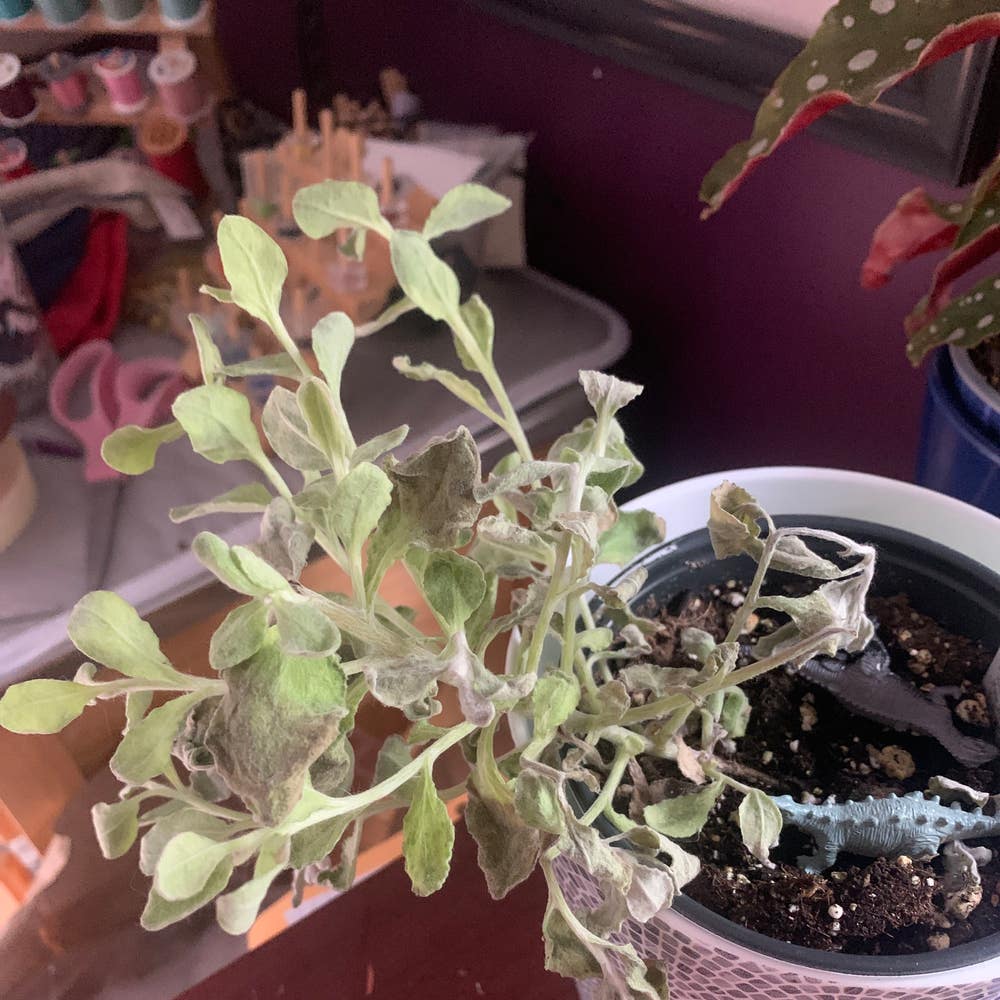
Overwatering often results in yellowing leaves and root rot. To combat this, ensure your soil is well-drained and allow the topsoil to dry out between watering sessions.
On the other hand, underwatering can cause wilting leaves and stunted growth. Regularly check soil moisture levels and aim to water deeply but infrequently to maintain balance.
🍽️ Nutritional Deficiencies
Nutritional deficiencies can also prevent flowering, with key nutrients playing vital roles. Nitrogen is essential for healthy foliage, but too much can inhibit blooms.
Phosphorus is crucial for flower development; a deficiency here can lead to non-flowering plants. To address these issues, use a balanced fertilizer that includes adequate phosphorus levels and conduct soil tests to determine your plant's specific nutrient needs.
Understanding these common causes of non-flowering can help you take proactive steps to encourage your rice flower to bloom beautifully. Next, let’s explore the environmental factors affecting flowering, including light requirements and seasonal changes.
Environmental Factors Affecting Flowering
🌞 Light Requirements
Optimal light conditions are crucial for rice flower blooming. Ideally, these plants need 6-8 hours of direct sunlight daily to thrive.
Inadequate light can lead to sparse flowering and leggy growth. If you notice these symptoms, consider relocating your plants to sunnier spots or trimming surrounding vegetation to improve light access.
🍂 Seasonal Changes
Seasonal variations significantly impact flowering. Changes in temperature and day length can trigger blooming, making it essential to understand these cycles.
Timing is everything when it comes to flowering. By familiarizing yourself with local climate patterns, you can better predict when your rice flowers will bloom, ensuring you’re ready to enjoy their beauty.
Understanding these environmental factors can help you create the ideal conditions for your rice flowers to flourish. Next, we’ll explore effective pruning techniques to encourage optimal blooming.
Pruning Techniques for Optimal Blooming
🌿 Pruning Methods
Pruning is essential for encouraging healthy blooms in rice flowers. Two primary techniques stand out:
Deadheading
This method involves removing spent flowers. By doing so, you stimulate the plant to produce new blooms, enhancing overall flowering.
Structural Pruning
Shaping the plant through structural pruning improves air circulation and light penetration. This practice not only promotes blooming but also helps prevent diseases.
⏰ Timing of Pruning
Timing is everything when it comes to pruning.
Best Practices
Always prune after flowering to avoid cutting off potential blooms. This ensures that you’re not sacrificing future flowers for immediate aesthetics.
Seasonal Pruning
Conduct light pruning in early spring before new growth begins. This prepares the plant for a robust blooming season ahead.
By mastering these pruning techniques, you can significantly enhance the blooming potential of your rice flowers. Proper care and timing will lead to a vibrant display that showcases the beauty of your plants.
Next, let’s explore how environmental factors, such as light and seasonal changes, can further influence flowering.
Premature Flower Drop and Bud Drop
🌡️ Causes of Premature Flower Drop
Premature flower drop can be frustrating for gardeners. Environmental stressors like sudden temperature changes or drought conditions can trigger this issue.
Nutritional imbalances also play a significant role. Excess nitrogen may lead to lush foliage but fewer flowers, causing disappointment when blooms fail to appear.
🛠️ Solutions to Prevent Premature Flower Drop
To combat premature flower drop, regular monitoring of environmental conditions is essential. Keep an eye on temperature fluctuations and moisture levels to ensure your plants thrive.
Adjusting watering and fertilization practices can help maintain balance. This proactive approach supports healthy growth and encourages blooming.
🔍 Identifying Bud Drop
Bud drop is another common issue that can leave gardeners puzzled. Symptoms include flower buds falling off before they have a chance to bloom.
Common causes of bud drop often stem from stress, particularly from overwatering or nutrient deficiencies. Recognizing these signs early can help you take action.
🩹 Remedies for Bud Drop
To remedy bud drop, start by adjusting your watering practices. Ensuring that your plants are not overwatered can prevent root stress, which is crucial for healthy blooming.
Additionally, consider fertilizing with a bloom-boosting formula. This can provide the necessary nutrients to support flower development and enhance your plant's overall health.
Understanding these factors can significantly improve your gardening experience. With the right care, your plants can flourish and produce beautiful blooms.
Abnormal Flower Development: Causes and Solutions
🌼 Identifying Abnormal Flower Development
Abnormal flower development can manifest in various ways, primarily through deformed flowers or a complete lack of blooms. These issues often stem from underlying problems such as pest infestations or diseases that disrupt the plant's ability to form flowers properly.
🐛 Common Causes of Abnormal Flower Development
Pests like aphids or spider mites can sap the plant's vitality, leading to distorted blooms. Additionally, diseases such as powdery mildew can hinder flower formation, making it crucial to monitor your plants regularly for any signs of distress.
🛠️ Remedies for Abnormal Development
To combat these issues, consider implementing integrated pest management strategies. This approach combines biological control, habitat manipulation, and careful monitoring to keep pests at bay.
🌱 Ensuring Proper Nutrition and Environmental Conditions
Proper nutrition is vital for healthy flower development. Ensure your plants receive balanced fertilizers and maintain optimal environmental conditions, including appropriate light and moisture levels.
🌸 Conclusion
By identifying the symptoms of abnormal flower development and addressing the potential causes, you can help your plants thrive. With a little attention and care, you can encourage vibrant blooms and enjoy the beauty they bring to your garden.
Next, we will explore the causes of premature flower drop and bud drop, which can also hinder your flowering plants' performance.
⚠️ Safety First
This content is for general information and may contain errors, omissions, or outdated details. It is not medical, veterinary advice, or an endorsement of therapeutic claims.
Always consult a qualified healthcare professional before using any plant as food, medicine, or supplement.
Never eat any plant (or feed one to pets) without confirming its identity with at least two trusted sources.
If you suspect poisoning, call Poison Control (800) 222-1222, the Pet Poison Helpline (800) 213-6680, or your local emergency service immediately.
Spotted an error? Please report it here.
Unlock the secret to stunning rice flowers 🌾 by using Greg's tailored care reminders and environmental insights to ensure your plants bloom beautifully!