🌸 Step-by-Step Guide to Repotting Your Rice Flower
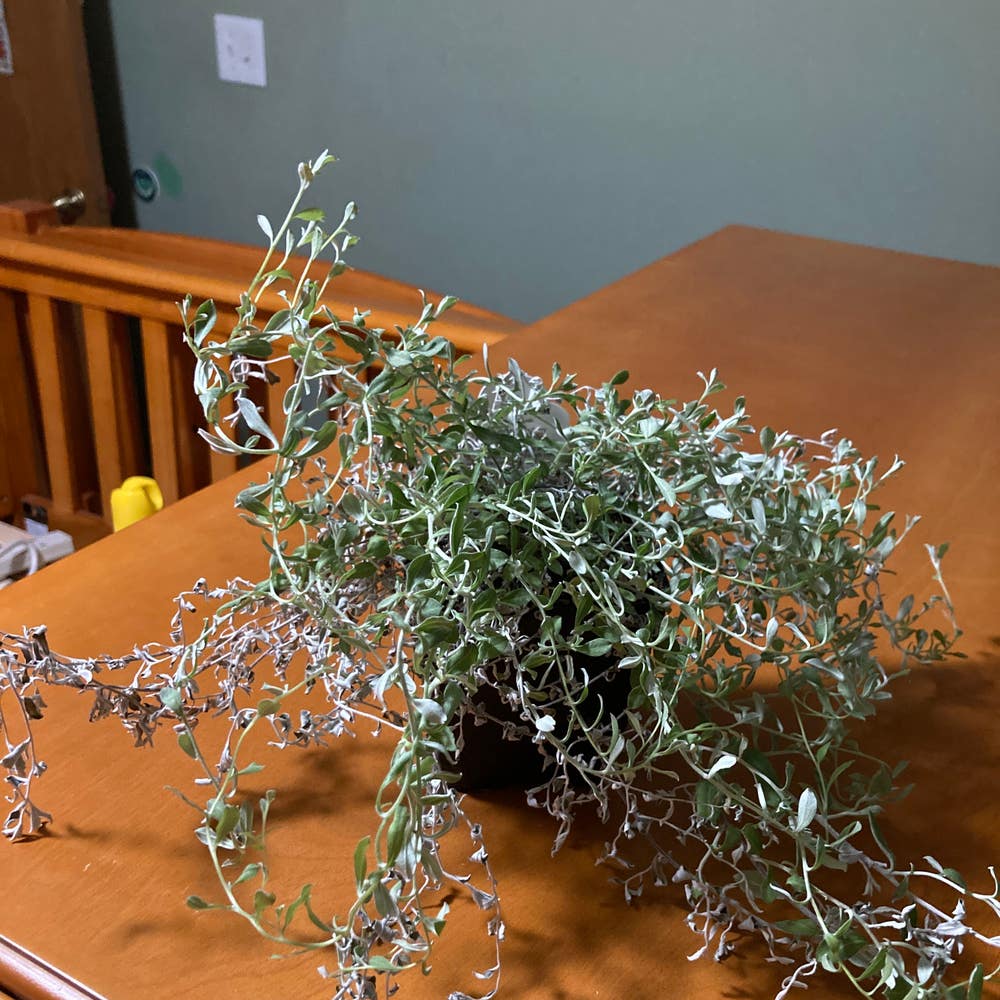
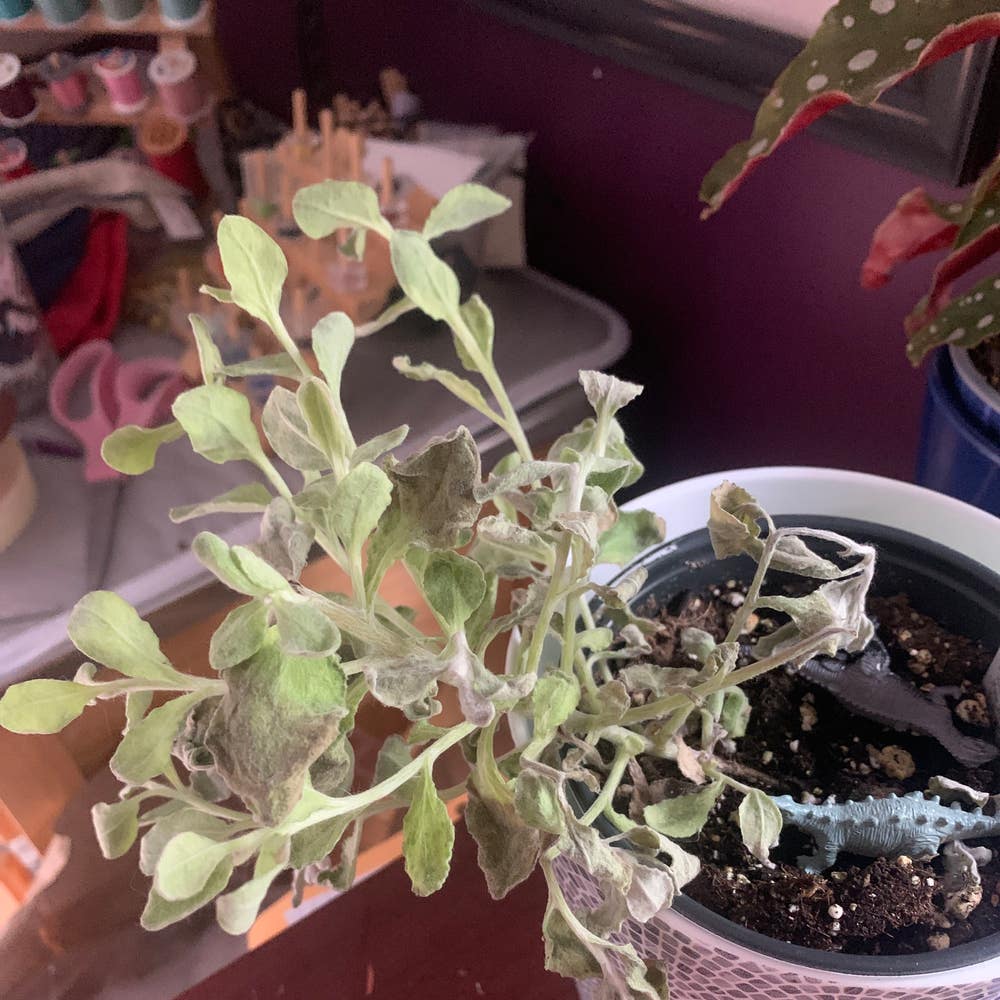
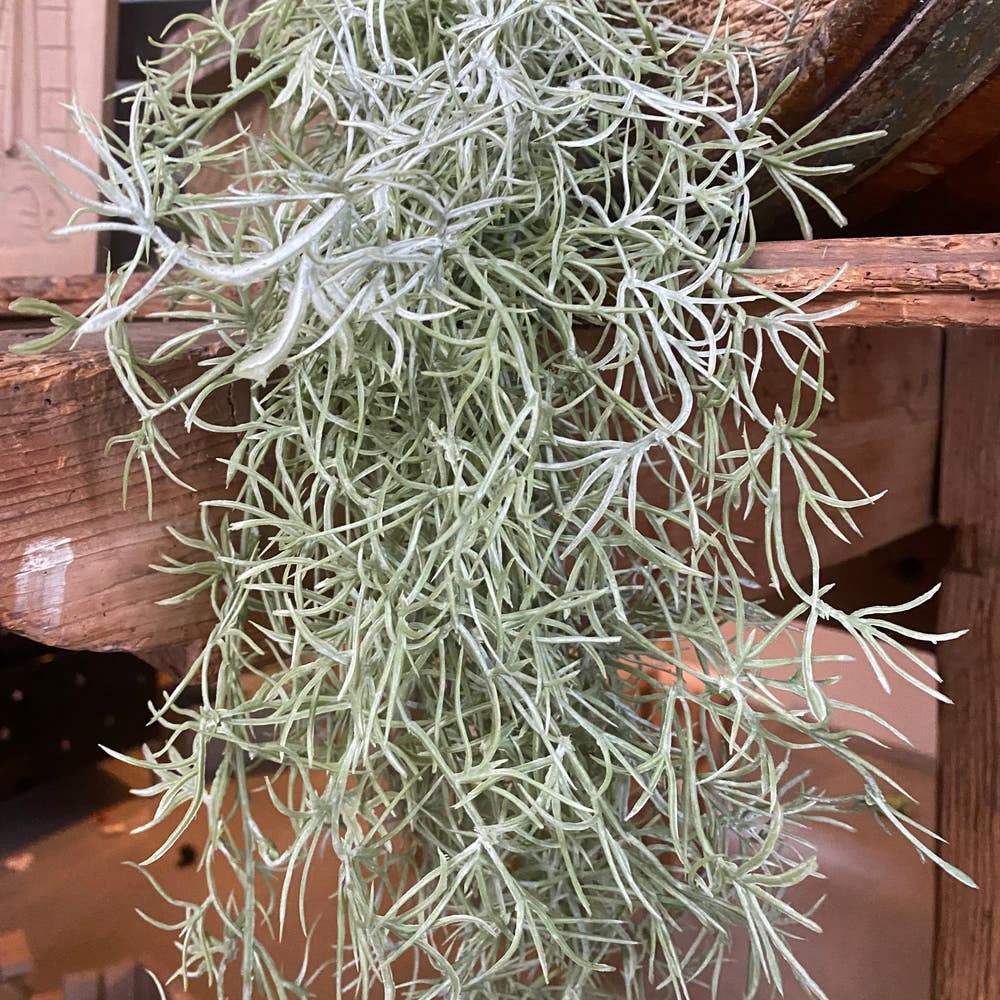
Helichrysum teretifolium
By the Greg Editorial Team
Nov 07, 2024•9 min read
This article was created with the help of AI so we can cover more plants for you. May contain errors. See one? Report it here.
Revitalize your rice flower's growth and beauty with these essential repotting tips! 🌱
- 🌱 Signs your rice flower needs repotting: root-bound, stunted growth, or poor soil.
- 🏺 Best time to repot is early spring; avoid extreme temperatures for plant health.
- 💧 Use well-draining soil and ensure proper pot size to prevent root rot.
Signs That Your Rice Flower Needs Repotting
🌱 Root Bound Indicators
One of the first signs that your rice flower needs repotting is when you notice roots growing out of the drainage holes. This indicates that the plant has outgrown its current pot and is seeking more space.
Additionally, if you see visible roots circling the surface of the soil, it's a clear signal that the plant is root-bound. This can restrict growth and nutrient absorption, making repotting essential.
🏺 Soil Condition
Next, take a look at the soil condition. If the soil feels compacted and isn't draining well, it's time for a change. Poor drainage can lead to waterlogged roots, which can be detrimental to your plant's health.
Also, keep an eye out for any presence of mold or unpleasant odors in the soil. These are signs of decay and indicate that the soil is no longer providing a healthy environment for your rice flower.
📈 Growth Patterns
Growth patterns can also reveal the need for repotting. If you notice stunted growth or reduced flowering, your rice flower may be struggling for space and nutrients. This is a common issue when plants become root-bound.
Lastly, watch for leaves turning yellow or dropping prematurely. This can be a stress response from the plant, signaling that it needs more room to thrive.
Recognizing these signs early will help you maintain a healthy and vibrant rice flower. Now that you know when to repot, let’s explore the best time of year to make this transition.
Best Time of Year to Repot
Optimal Seasons 🌱
The best time to repot your rice flower is early spring. This season is perfect for encouraging new growth as the plant emerges from dormancy.
If you live in a mild climate, fall is also a suitable time. Repotting in the fall allows your rice flower to recover before the winter chill sets in.
Timing Considerations ⏰
Avoid repotting during extreme temperatures, whether it's the heat of summer or the cold of winter. These conditions can stress the plant and hinder its recovery.
Keep an eye on your plant's growth cycles. Monitoring these cycles will help you determine the most advantageous time for repotting, ensuring your rice flower thrives in its new home.
Step-by-Step Guide to Repotting Rice Flower
Repotting your rice flower can seem daunting, but with a clear plan, it’s a straightforward process. Follow these steps to ensure your plant thrives in its new home.
🌱 Preparing the New Pot and Soil
Select the Right Pot: Choose a pot that is 1-2 inches larger in diameter than the current one. This gives the roots room to grow without overwhelming them.
Choose Quality Soil: Opt for well-draining potting soil, ideally a mix designed for native Australian plants. This ensures your rice flower gets the nutrients it needs.
Check Drainage: Make sure the new pot has adequate drainage holes. Proper drainage is crucial to prevent root rot.
🌿 Removing the Plant from Its Current Pot
Water Beforehand: Water the plant a day before repotting. This helps ease the removal process and keeps the roots hydrated.
Loosen the Soil: Gently tap the sides of the pot to loosen the soil. This makes it easier to slide the plant out without damaging the roots.
Careful Extraction: Carefully slide the plant out, supporting the base. This minimizes the risk of root damage during the transition.
🔍 Inspecting and Trimming the Root System
Examine the Roots: Check for signs of rot or damage. Healthy roots should be firm and white, while unhealthy ones may appear dark or mushy.
Trim Damaged Roots: Use sterilized scissors to trim away any dead or mushy roots. This promotes healthier growth in the new pot.
Tease Root-Bound Plants: If the roots are circling tightly, gently tease them apart. This encourages them to spread out in their new environment.
🪴 Placing the Plant in the New Pot
Add Fresh Soil: Start by adding a layer of fresh potting soil to the bottom of the new pot. This provides a solid base for your plant.
Center the Plant: Position the plant in the center, ensuring the top of the root ball is level with the pot rim. This helps maintain stability.
Fill and Firm: Fill in around the sides with potting soil, gently firming it to eliminate air pockets. This ensures good contact between the roots and soil.
💧 Watering and Settling the Plant
Thorough Watering: Water the plant thoroughly until excess drains from the bottom. This helps settle the soil and hydrates the roots.
Allow to Settle: Let the plant settle for a few hours before returning it to its light conditions. This gives it time to adjust to its new pot.
Monitor for Stress: Keep an eye on the plant for any signs of stress over the next few days. Look for wilting or yellowing leaves, which may indicate adjustment issues.
By following these steps, you can successfully repot your rice flower, giving it the best chance to flourish. Next, let’s explore the best pot materials to use for your plant’s new home.
Pot Material Options
Choosing the right pot material is crucial for the health of your rice flower. Each type of pot offers unique benefits and considerations that can impact your plant's growth.
🌱 Best Pot Materials
Terracotta Pots
Terracotta pots are a favorite among plant enthusiasts. They provide excellent drainage and breathability, allowing roots to thrive.
However, keep in mind that these pots may require more frequent watering due to evaporation. If you live in a dry climate, be prepared to check moisture levels often.
Plastic Pots
Plastic pots are lightweight and easy to handle, making them a practical choice. They retain moisture well, which can be beneficial for your rice flower.
Just ensure that your plastic pots have adequate drainage holes to prevent root rot. Without proper drainage, you risk damaging your plant.
Ceramic Pots
Ceramic pots are not only attractive but also effective at retaining moisture. They can add a decorative touch to your plant display.
Make sure to choose unglazed ceramic pots for better breathability. Glazed pots can trap moisture, leading to potential root issues.
🚫 Pot Materials to Avoid
Metal Pots
Metal pots can heat up quickly, which may stress your rice flower. They also tend to retain too much moisture, creating an environment ripe for root rot.
It's best to steer clear of metal pots if you want to maintain a healthy plant.
Non-Breathable Materials
Avoid pots made from non-breathable materials. These can lead to poor drainage and ultimately result in root rot.
Choosing the right pot material is essential for your rice flower's success. With the right pot, you set the stage for healthy growth and vibrant blooms.
As you prepare to repot, consider the next steps in ensuring your plant thrives in its new environment.
Post-Repotting Care
💧 Watering Schedule After Repotting
After repotting your rice flower, give it a thorough initial watering. This helps settle the soil and ensures the roots have adequate moisture.
For follow-up care, water only when the top inch of soil feels dry. This prevents overwatering, which can lead to root rot.
☀️ Light Requirements After Repotting
Your rice flower will thrive best in bright, indirect light after repotting. This light condition helps the plant acclimate without overwhelming it.
Avoid direct sunlight for the first week to reduce stress. Too much sun can shock the plant and hinder its recovery.
🌱 Fertilization Considerations Post-Repotting
It's crucial to delay fertilization for 4-6 weeks after repotting. This waiting period allows the roots to settle into their new environment without the added stress of nutrients.
When you do resume feeding, opt for a balanced, diluted fertilizer. This gentle approach supports healthy growth without overwhelming the plant.
With proper post-repotting care, your rice flower will bounce back beautifully, ready to flourish in its new home. Next, let’s explore common repotting mistakes to avoid for a smoother experience.
Common Repotting Mistakes
🌱 Overpotting vs. Underpotting
Choosing the right pot size is crucial for your rice flower's health. Overpotting, or selecting a pot that's too large, can trap excess moisture, leading to root rot.
On the flip side, underpotting restricts root growth and nutrient uptake. A pot that's too small can stunt your plant's development, leaving it struggling to thrive.
🚰 Not Checking Drainage
Drainage is a key factor in successful repotting. Always ensure that the drainage holes in your pot are clear and functional to prevent water from pooling at the bottom.
Poor drainage can lead to serious consequences, such as root rot and overall plant stress. A little attention here can save your rice flower from a lot of trouble.
🌿 Ignoring Root Health
Inspecting and trimming the roots during repotting is essential. Healthy roots are vital for nutrient absorption and overall plant vigor.
Neglecting root health can lead to stunted growth and decline. Make it a habit to check for any signs of damage or rot to keep your rice flower flourishing.
By avoiding these common mistakes, you can ensure a smooth repotting process and a healthier plant. Next, let’s explore how to troubleshoot any issues that may arise after repotting.
Troubleshooting Repotting Issues
Signs of Stress After Repotting 🌱
After repotting, your rice flower may show signs of stress. Look out for wilting leaves or drooping stems, which indicate that the plant is struggling to adapt.
Additionally, yellowing leaves or leaf drop can signal distress. These symptoms often arise from improper care during the transition.
Solutions for Root Rot 🚫
Root rot is a serious issue that can arise after repotting. Signs include dark, mushy roots and a foul odor emanating from the soil.
To address this, remove any affected roots immediately. Repot the plant in fresh, well-draining soil and adjust your watering practices to prevent recurrence.
Addressing Transplant Shock ⚡️
Transplant shock can occur when a plant is moved to a new pot. Symptoms include slow growth, leaf drop, and an overall decline in health.
To mitigate this, provide optimal care conditions, including appropriate light and moisture. Avoid further disturbances for several weeks to help your rice flower recover fully.
By recognizing these signs and implementing the right solutions, you can ensure your rice flower thrives after repotting. Next, let’s explore common repotting mistakes to avoid for a smoother experience.
⚠️ Safety First
This content is for general information and may contain errors, omissions, or outdated details. It is not medical, veterinary advice, or an endorsement of therapeutic claims.
Always consult a qualified healthcare professional before using any plant as food, medicine, or supplement.
Never eat any plant (or feed one to pets) without confirming its identity with at least two trusted sources.
If you suspect poisoning, call Poison Control (800) 222-1222, the Pet Poison Helpline (800) 213-6680, or your local emergency service immediately.
Spotted an error? Please report it here.
Repotting your rice flower is easy and rewarding 🌱 when you follow these steps, and with Greg's tailored care reminders, you'll ensure your plant thrives in its new pot!