10 Tips for Blooming Your Rice Flower 🌸
Helichrysum teretifolium
By the Greg Editorial Team
Nov 07, 2024•6 min read
This article was created with the help of AI so we can cover more plants for you. May contain errors. See one? Report it here.
Uncover the charm of Rice Flower, where lush foliage often steals the spotlight from its subtle blooms! 🌿
- 🌼 Rice Flower prioritizes lush foliage over blooms, enhancing garden aesthetics year-round.
- 🌱 Optimal care like watering and light boosts blooming potential in Rice Flowers.
- 🌍 Understanding its growth helps appreciate Rice Flower's ecological and cultural significance.
Flowering Status of Rice Flower
🌼 Clarification on Flower Production
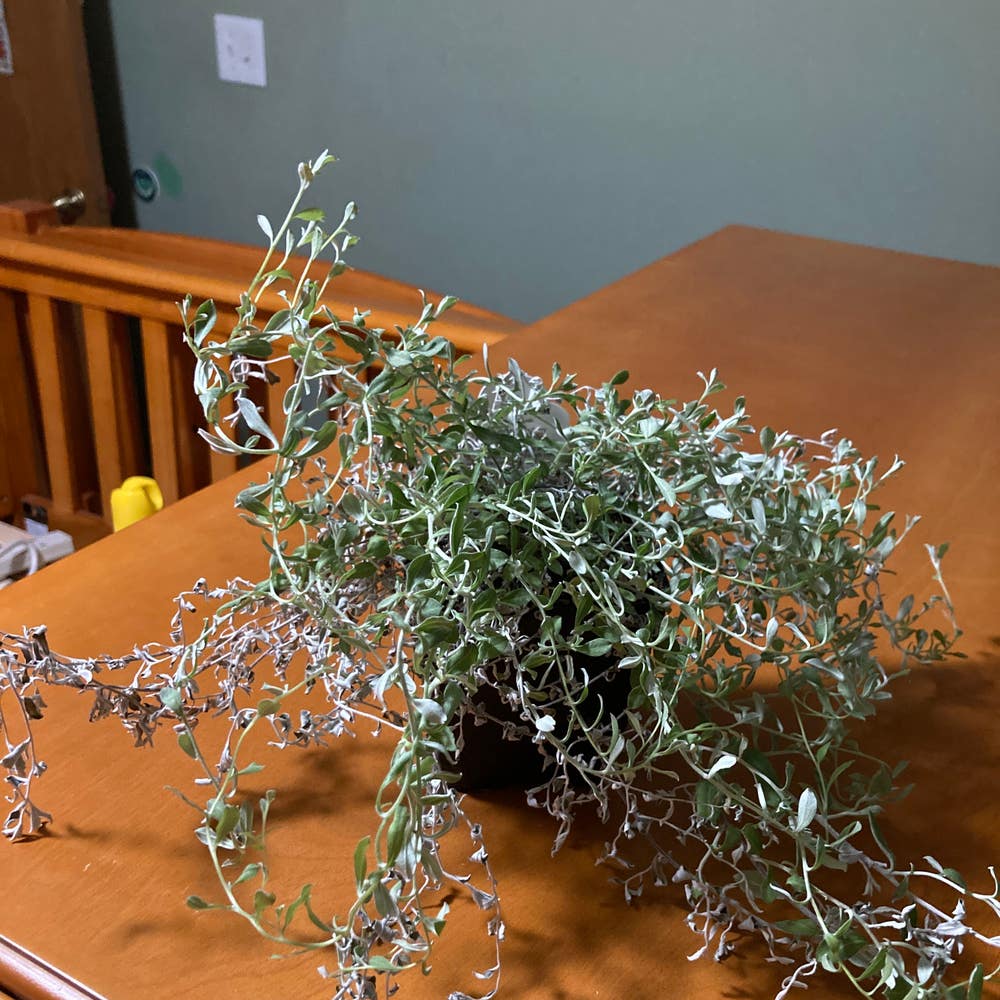
Rice Flower, known for its lush foliage, often produces small, inconspicuous flowers that can easily go unnoticed. Instead of showcasing vibrant blooms, this plant emphasizes its ornamental leaves, making it a favorite for gardeners seeking greenery over floral displays.
The minimal flowering of Rice Flower can be attributed to several environmental factors. Conditions such as soil quality, light exposure, and temperature play significant roles in whether the plant will bloom. Additionally, Rice Flower's growth habits tend to prioritize vegetative development, focusing energy on leaf production rather than flowering.
🌱 Understanding the Flowering Behavior
It's essential to recognize that Rice Flower's flowering behavior is not a flaw but rather a characteristic of its growth strategy. The plant thrives in environments where it can maximize its foliage, which in turn supports its overall health and resilience.
In many cases, the emphasis on foliage over flowers allows Rice Flower to adapt better to its surroundings. This adaptability is crucial for survival, especially in varying climates and soil conditions. Understanding this balance can help gardeners appreciate the beauty of Rice Flower beyond its blooms.
As we delve deeper into the specifics of Rice Flower's blooming process, we can uncover ways to encourage those elusive flowers to appear.
If Rice Flower Flowers
🌼 Flower Characteristics
Description of Flowers
Rice flowers are typically small and clustered, showcasing delicate hues of white or pale yellow. Their subtle beauty often goes unnoticed, as they blend seamlessly with the lush green foliage.
The structure of these flowers features a unique spike formation, where multiple blooms emerge closely together. This arrangement creates a charming yet understated display, emphasizing the plant's ornamental qualities over its floral ones.
🐝 Pollination
Rice flowers are primarily self-pollinating, meaning they can fertilize themselves without needing external assistance. This efficient process ensures that even in less-than-ideal conditions, the plant can still produce seeds.
While external pollination does occur, it is quite rare. The self-sufficiency of Rice Flower makes it a resilient choice for gardeners looking for low-maintenance plants.
🌸 Blooming Process
Blooming Stages
The blooming process begins with bud formation, which requires specific conditions such as adequate moisture and warmth. As the buds mature, they transition into full bloom, showcasing their small, clustered flowers at their peak.
During full bloom, the Rice Flower creates a soft, inviting atmosphere in any garden. The sight of these delicate flowers can be a delightful surprise for those who appreciate subtle beauty.
⏰ Timing
Typically, Rice Flowers bloom in response to seasonal patterns and environmental triggers. The exact timing can vary, but they often flower in late spring to early summer.
From bud formation to full bloom, the process generally takes a few weeks. Once in bloom, the flowers usually last for about one to two weeks before wilting, adding a brief but beautiful touch to the landscape.
🌱 Encouraging Blooms
Tips for Blooming
To encourage Rice Flowers to bloom, it's essential to provide optimal watering and nutrient conditions. Regular watering, combined with a balanced fertilizer, can significantly enhance flowering potential.
Additionally, ensuring adequate light exposure and maintaining suitable temperature levels are crucial. Rice Flowers thrive in bright, indirect sunlight, which helps promote healthy growth and vibrant blooms.
🌞 Factors Influencing Flowering
Several environmental factors influence the flowering of Rice Flowers. Soil moisture, sunlight, and temperature play vital roles in determining whether the plant will bloom.
Care practices, such as proper fertilization and strategic pruning, can also impact flowering. Regular maintenance helps ensure that the plant remains healthy and ready to produce its charming flowers.
🌿 Post-Flowering Care
After Flowering
After flowering, the Rice Flower undergoes changes in foliage and growth patterns. The plant may focus on vegetative growth, leading to lush green leaves that continue to enhance its ornamental appeal.
It's important to note that Rice Flowers do not die after flowering. Instead, they enter a phase of dormancy, allowing them to conserve energy for future growth and blooming cycles.
🌍 Pollination Methods
Rice Flowers utilize natural pollination processes, primarily through self-pollination. This method is crucial for seed production, ensuring the continuation of the plant's life cycle.
Understanding these pollination methods can help gardeners appreciate the resilience and adaptability of Rice Flowers, making them a valuable addition to any garden.
With this knowledge, you're now equipped to nurture your Rice Flowers, whether they bloom or not. Next, let’s explore what happens if your Rice Flower doesn’t flower and how to appreciate its ornamental features.
If Rice Flower Doesn't Flower
🌿 Ornamental Features
Primary Features
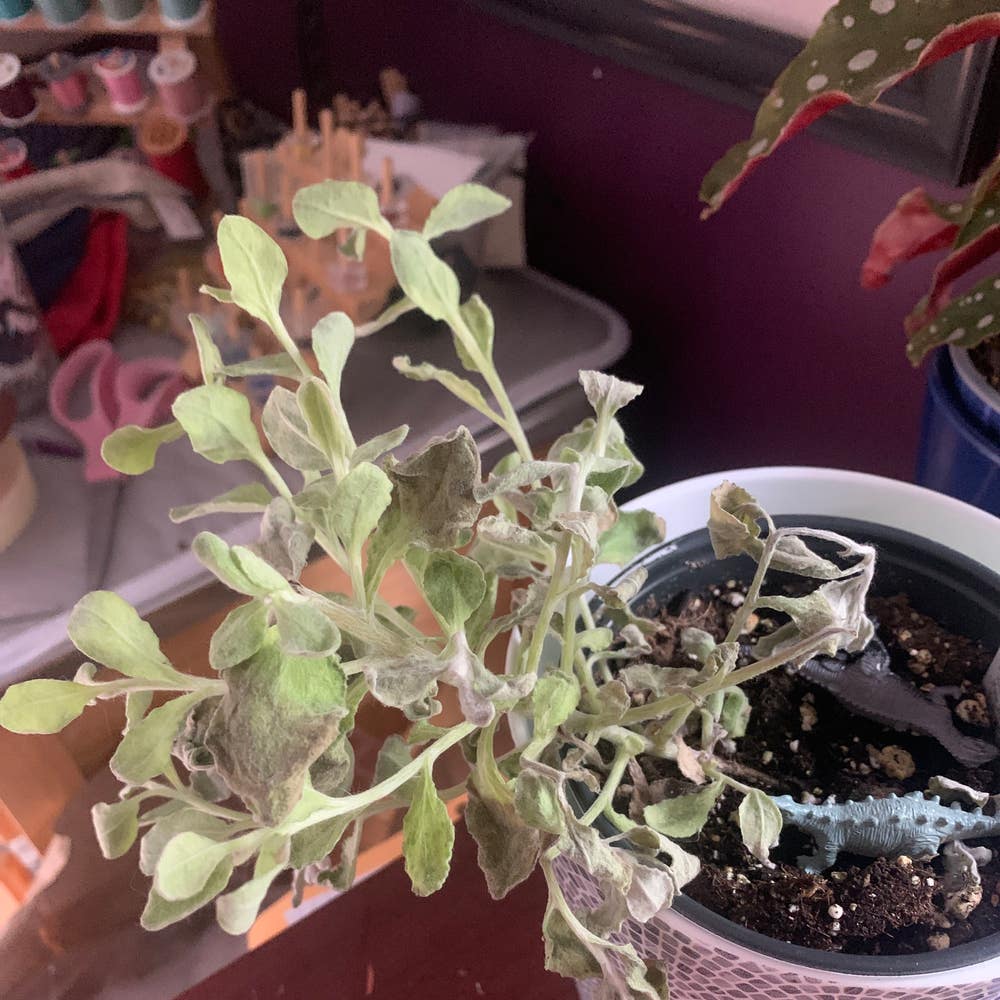
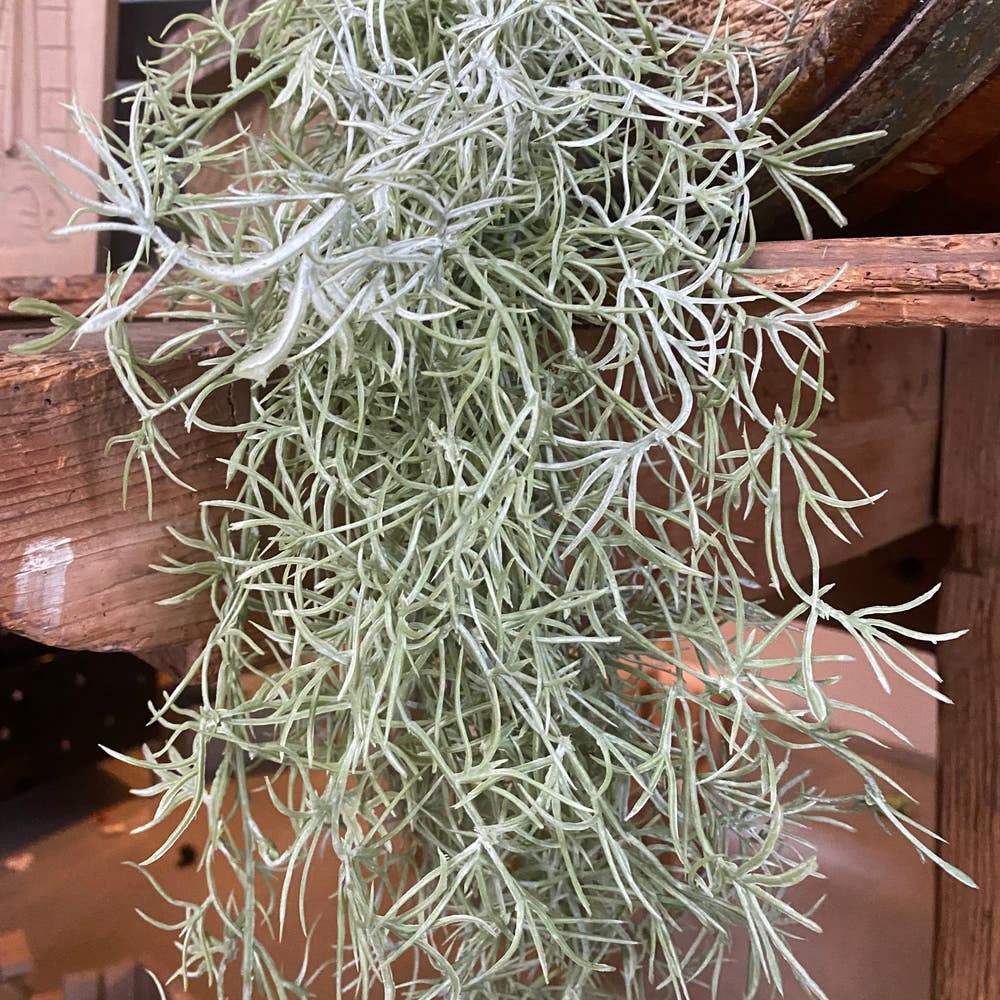
Even when the Rice Flower doesn't bloom, it still captivates with its lush green foliage. The broad, vibrant leaves create a striking visual appeal, making it a popular choice for landscaping and garden design.
This plant thrives in various settings, adding texture and depth to any garden. Its growth habit is dense and bushy, providing a beautiful backdrop for other flowering plants.
🌱 Reproduction Without Flowers
Non-Flowering Reproduction
Rice Flower has a fascinating way of reproducing without relying on flowers. It primarily uses vegetative propagation, which allows it to spread and thrive even in the absence of blooms.
One key method is through rhizomes, which are underground stems that produce new shoots. This strategy not only ensures the plant's survival but also contributes to its lush, green appearance, making it a resilient choice for any garden.
Unique Aspects of Rice Flower
🌱 Unusual Characteristics
Rice Flower exhibits fascinating adaptations that allow it to thrive in wetland environments. Its ability to grow in saturated soils is a testament to its resilience and adaptability.
Variations among different Rice Flower varieties also contribute to its unique appeal. Some may have slightly different leaf shapes or colors, enhancing their ornamental value in gardens.
🤔 Interesting Facts
Rice Flower's reproductive strategy is quite intriguing. While it may not always produce prominent flowers, it plays a significant role in local ecosystems.
Culturally, Rice Flower holds significance in various traditional practices. Its lush foliage and minimal flowering make it a popular choice for landscaping, providing beauty even when blooms are scarce.
These unique adaptations not only enhance its ornamental value but also ensure its survival in diverse environments. Understanding these aspects can deepen your appreciation for this remarkable plant.
⚠️ Safety First
This content is for general information and may contain errors, omissions, or outdated details. It is not medical, veterinary advice, or an endorsement of therapeutic claims.
Always consult a qualified healthcare professional before using any plant as food, medicine, or supplement.
Never eat any plant (or feed one to pets) without confirming its identity with at least two trusted sources.
If you suspect poisoning, call Poison Control (800) 222-1222, the Pet Poison Helpline (800) 213-6680, or your local emergency service immediately.
Spotted an error? Please report it here.
Unlock the hidden beauty of your Rice Flower 🌼 with Greg's tailored care tips that ensure optimal conditions for those charming blooms to shine!