🌊 How to Cure Root Rot in Your Rice Flower
Helichrysum teretifolium
By the Greg Editorial Team
Nov 07, 2024•5 min read
This article was created with the help of AI so we can cover more plants for you. May contain errors. See one? Report it here.
Revive your Rice Flower from root rot and watch it thrive with these essential diagnosis and treatment tips! 🌱
- 🌱 Early signs of root rot include yellowing leaves and wilting; act quickly!
- 💧 Maintain slightly moist soil; use the finger test to avoid sogginess.
- 🔍 Inspect roots regularly; healthy roots are firm and white, not dark and mushy.
Diagnosing Root Rot
👀 Visual Signs to Look For
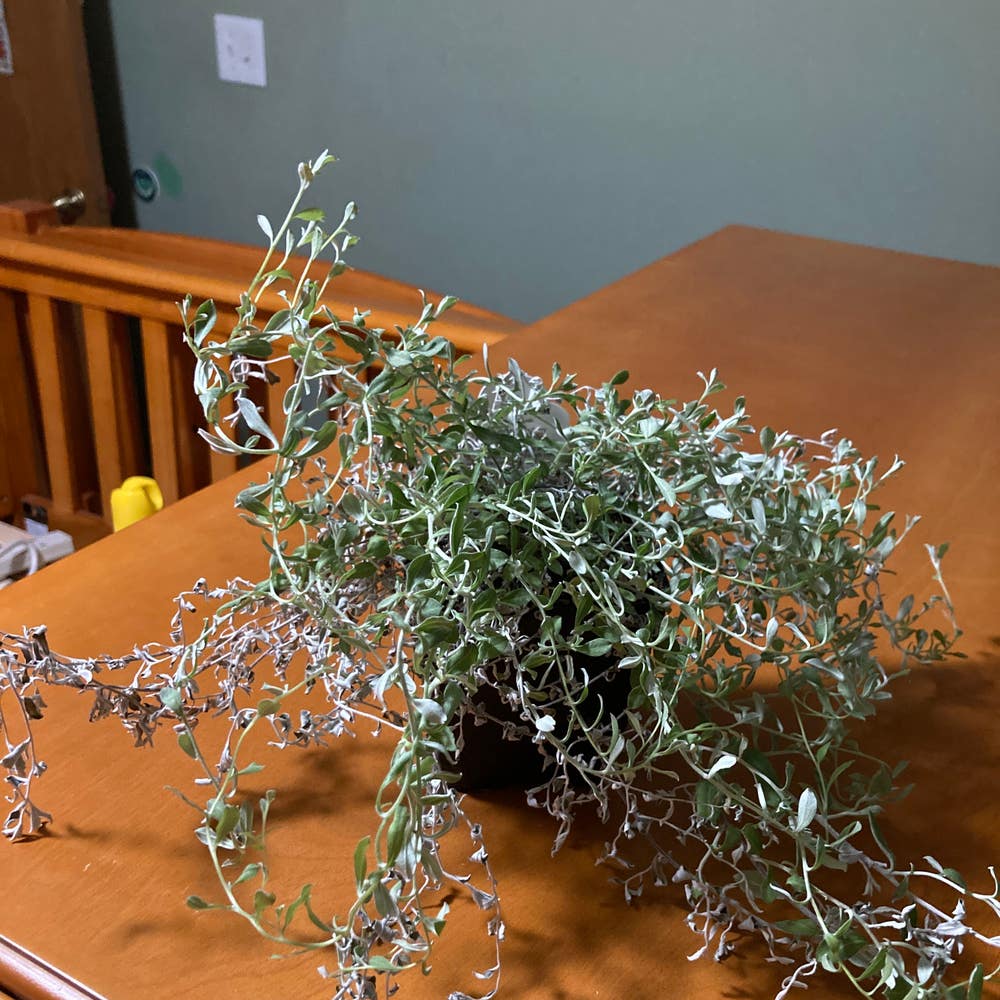
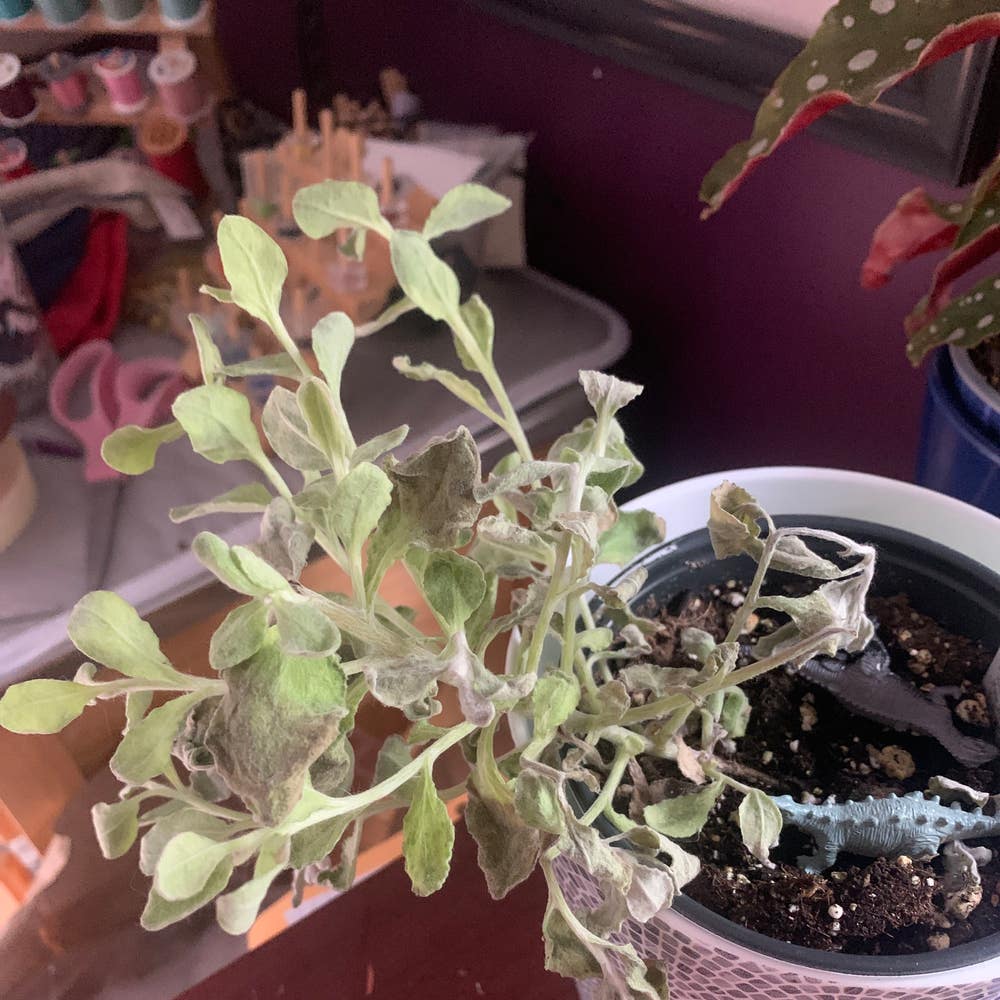
Detecting root rot early is crucial for saving your Rice Flower. Start by observing the leaves; yellowing or browning can indicate distress.
Wilting is another red flag, especially if you’ve been watering adequately. This often signals internal stress, hinting that the roots may not be functioning properly.
💧 Soil Testing for Moisture Levels
Next, assess the soil moisture. You can use simple techniques like the finger test or a moisture meter to gauge how wet the soil is.
For Rice Flowers, the ideal moisture level is slightly moist but never soggy. Regular checks, particularly after watering, will help you maintain this balance.
🔍 Root Examination Techniques
When you suspect root rot, it’s time for a closer look. Carefully remove the plant from its pot by gently loosening the soil around the edges to avoid damaging the roots.
As you examine the roots, differentiate between healthy and rotting ones. Healthy roots are firm and white, while rotting roots appear dark and mushy.
To assist in this examination, have clean scissors or pruning shears on hand for any necessary trimming. This preparation will set you up for effective treatment.
By diagnosing root rot accurately, you can take the right steps to treat your Rice Flower and promote its recovery. Next, let’s explore how to treat root rot effectively.
Treating Root Rot
🛠️ Step-by-Step Treatment Process
Treating root rot in your Rice Flower requires careful attention and a systematic approach. Start by removing the plant from its pot; do this gently to avoid causing further damage to the roots.
Next, inspect the roots thoroughly. Trim away any mushy, dark roots, ensuring you only leave behind healthy, firm ones.
After addressing the roots, it's crucial to clean the pot. Sterilize it using a bleach solution or rubbing alcohol to eliminate any lingering pathogens.
Finally, repot your Rice Flower in fresh, dry soil. Opt for a well-draining potting mix to promote healthy root growth and prevent future issues.
💊 Recommended Fungicides or Treatments
In addition to physical treatment, consider using fungicides to combat root rot effectively. There are two main types: systemic fungicides, which are absorbed by the plant, and contact fungicides, which act on the surface.
You can apply these treatments in various ways. Drench the soil or spray the foliage, depending on the product instructions.
If you prefer natural alternatives, neem oil and cinnamon are excellent antifungal options. They can help manage root rot without harsh chemicals.
🌱 Repotting Techniques for Affected Plants
When repotting your affected Rice Flower, choosing the right pot size is essential. Select a pot that is slightly larger than the previous one to allow for root expansion.
Don't overlook the importance of drainage holes. They ensure proper water flow, preventing water from pooling at the bottom of the pot.
For the soil mix, consider incorporating perlite or sand. These materials improve drainage, creating an ideal environment for your plant to thrive.
By following these steps, you can effectively treat root rot and set your Rice Flower on the path to recovery. Next, let's explore how to prevent root rot from occurring in the future.
Preventing Root Rot
🌊 Best Practices for Watering Rice Flower
Watering your Rice Flower correctly is crucial to prevent root rot. Aim to let the top inch of soil dry out between waterings to maintain a healthy moisture balance.
Be vigilant for signs of overwatering, such as yellowing leaves or a soggy feel to the soil. Adjust your watering habits accordingly, especially during cooler months when plants require less moisture.
🕳️ Importance of Soil Drainage
Soil drainage plays a vital role in preventing root rot. Well-draining soil should have a light, airy texture that promotes good aeration for the roots.
When selecting pots, choose those with adequate drainage holes to allow excess water to escape. Elevating pots using pot feet or trays can also enhance airflow, further reducing the risk of root rot.
🌱 Choosing the Right Potting Mix
The right potting mix is essential for your Rice Flower's health. Look for commercial mixes designed specifically for succulents or cacti, as they provide the drainage your plant needs.
If you prefer a DIY approach, combine peat, perlite, and coarse sand for an effective potting mix. Additionally, maintaining a soil pH between 6.0 and 7.0 is crucial for optimal plant health.
By following these preventive measures, you can significantly reduce the risk of root rot and ensure your Rice Flower thrives. Next, we’ll explore post-treatment care to help your plant recover effectively.
Post-Treatment Care
Monitoring Plant Recovery 🌱
After treating root rot, it's crucial to monitor your Rice Flower's recovery closely. Look for signs of new growth, vibrant foliage, and healthy root development as indicators that your plant is bouncing back.
Regular checks are essential during this phase. Keep an eye out for any signs of recurring issues, such as wilting or discoloration, which may suggest that the root rot problem isn't fully resolved.
Signs of Improvement or Further Issues 🌼
As your Rice Flower recovers, you'll notice indicators of improvement. Leaf color should return to a healthy green, and you may see an increase in flower production, signaling that your plant is thriving again.
However, be vigilant for signs of further problems. Persistent wilting or discoloration, even after treatment, could indicate that additional intervention is necessary.
Long-Term Care Strategies to Avoid Recurrence 🔄
To prevent root rot from returning, establish a consistent care routine. Regular watering and monitoring will help you catch any potential issues early.
Seasonal care adjustments are also vital. Modify your watering and care practices based on environmental changes, such as temperature and humidity.
Lastly, prioritize your plant's overall health. A vigorous Rice Flower is more resilient against diseases, so maintaining its well-being is key to avoiding future root rot issues.
With these strategies in place, your Rice Flower can flourish, bringing beauty and joy to your space.
⚠️ Safety First
This content is for general information and may contain errors, omissions, or outdated details. It is not medical, veterinary advice, or an endorsement of therapeutic claims.
Always consult a qualified healthcare professional before using any plant as food, medicine, or supplement.
Never eat any plant (or feed one to pets) without confirming its identity with at least two trusted sources.
If you suspect poisoning, call Poison Control (800) 222-1222, the Pet Poison Helpline (800) 213-6680, or your local emergency service immediately.
Spotted an error? Please report it here.
Detecting root rot early and maintaining a consistent care routine is essential for your Rice Flower's health, and with Greg's tailored watering alerts and expert advice, you can keep your plant thriving 🌿 and prevent future issues!