How to Grow Rice Flower: From Soil to Sun
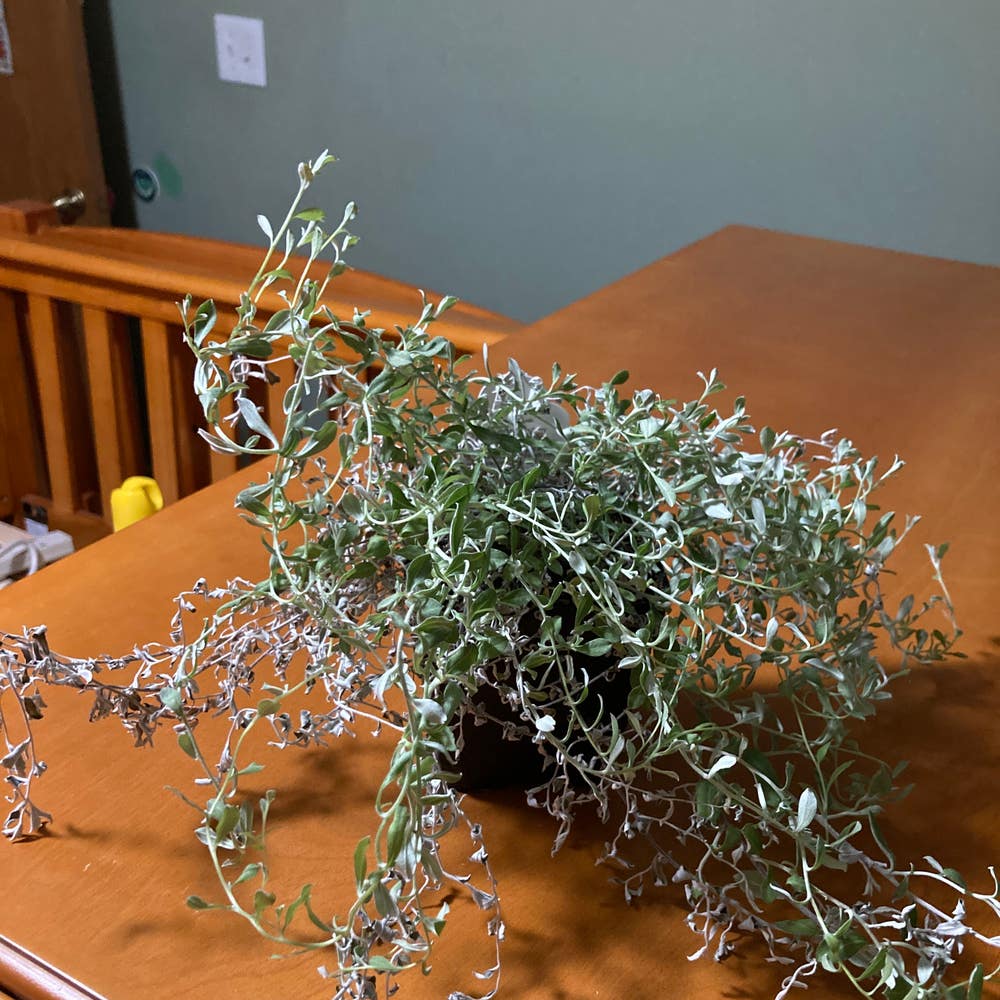
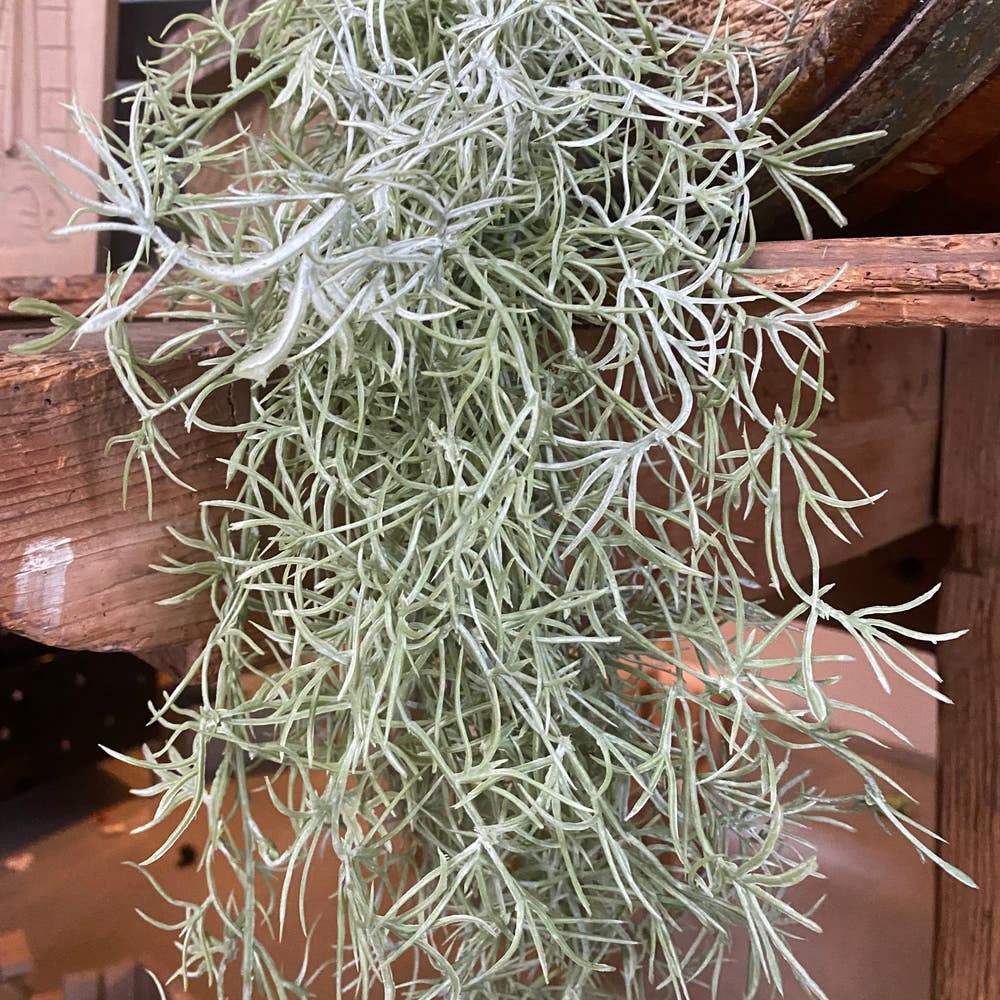
Helichrysum teretifolium
By the Greg Editorial Team
Nov 07, 2024•6 min read
This article was created with the help of AI so we can cover more plants for you. May contain errors. See one? Report it here.
Cultivate a stunning rice flower garden 🌾 with essential tips on planting, care, and overcoming common challenges!
- 🌞 Rice flowers need 6-8 hours of full sun daily for healthy growth.
- 🌱 Loamy, well-draining soil with pH 5.5-7.0 is essential for optimal growth.
- 💧 Consistently moist soil is crucial; use flooding or drip irrigation methods.
Site Selection and Soil Preparation
🌞 Choosing the Right Location
To grow rice flowers successfully, start by selecting a location that receives full sun exposure for at least 6-8 hours daily. Whether you choose outdoor beds or container gardening, ensure the site allows for ample sunlight to promote healthy growth.
🌱 Soil Type and pH Requirements
Rice flowers thrive in loamy, well-draining soil that retains moisture without becoming waterlogged. Aim for a soil pH between 5.5 and 7.0, as this range supports optimal nutrient availability.
🛠️ Soil Preparation Techniques
Proper soil preparation is crucial for robust root development. Begin by tilling the soil to loosen it, allowing roots to penetrate easily.
Amendments for Fertility
Enhance soil fertility by adding organic matter like compost or peat moss. These amendments improve soil structure and provide essential nutrients.
Soil Testing
Conduct soil tests to determine pH and nutrient levels. This step helps you make informed decisions about necessary amendments and adjustments.
By carefully selecting your site and preparing the soil, you set the stage for thriving rice flowers. Next, we’ll explore the best planting times and methods to ensure a successful growing season.
Planting Rice Flower
🌱 Best Planting Times and Methods
The best time to plant rice flowers is during late spring to early summer. This timing ensures that the plants benefit from the warm temperatures and longer days, which are crucial for their growth.
When it comes to planting methods, you have two solid options: direct sowing or transplanting seedlings. Direct sowing involves planting seeds directly into the prepared soil, while transplanting allows you to start seeds indoors and move them outside once they’re strong enough.
🌾 Seed Selection and Germination Process
Choosing quality seeds is essential for a successful rice flower garden. You can opt for traditional seeds, which are often more resilient, or hybrid options that may offer better yields.
Before planting, soak your seeds for 24 hours to kickstart the germination process. This simple step helps to soften the seed coat and encourages quicker sprouting once they’re in the ground.
📏 Spacing and Depth for Planting
For optimal growth, space your rice flowers 12 to 18 inches apart. This spacing allows each plant enough room to thrive without competing for nutrients and sunlight.
When planting, aim for a depth of 1 to 2 inches in the prepared soil. This depth ensures that the seeds are well-covered yet close enough to the surface for effective germination.
With the right timing, quality seeds, and proper planting techniques, you're well on your way to cultivating a vibrant rice flower garden. Next, let’s explore how to care for these beautiful plants through watering and fertilizing.
Watering and Fertilizing
💧 Watering Requirements and Techniques
Rice flowers thrive in consistently moist conditions. This means you need to keep the soil damp, but not waterlogged.
To achieve this, consider using the flooding method, which involves saturating the soil with water. Alternatively, drip irrigation can provide a steady moisture supply without over-saturating the roots.
Timing is crucial; adjust your watering frequency based on the weather. During hot spells, you may need to water more often, while cooler, rainy days might require less.
🌱 Fertilization Schedule and Types of Fertilizers
A solid fertilization schedule is key to healthy rice flowers. Aim to fertilize every 4-6 weeks throughout the growing season.
When it comes to fertilizers, balanced NPK options are great for overall plant health. Organic fertilizers can also be beneficial, providing nutrients while enhancing soil quality.
🚰 Signs of Overwatering or Underwatering
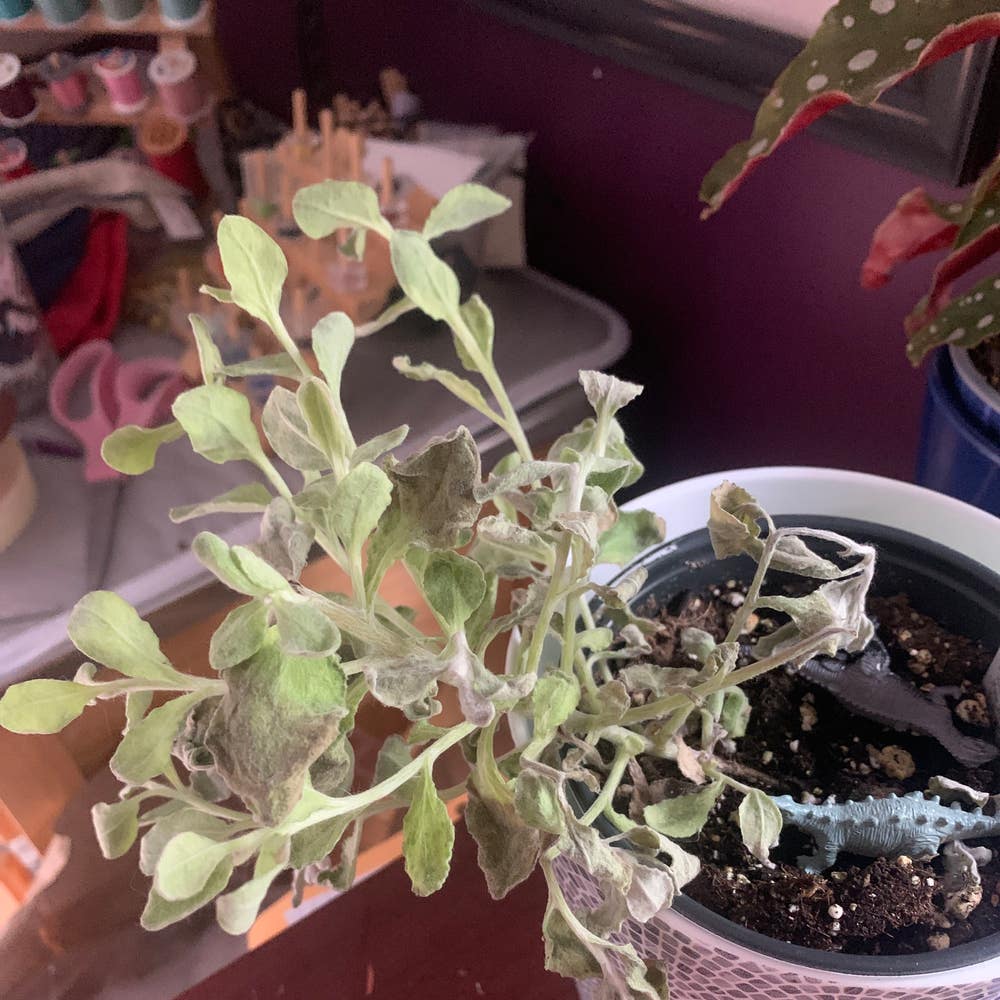
Recognizing the signs of overwatering is essential. Look for yellowing leaves or root rot, which indicate too much moisture.
On the flip side, underwatering leads to wilting and stunted growth. If you notice these symptoms, adjust your watering practices accordingly to help your plants bounce back.
With proper watering and fertilizing techniques, your rice flowers will flourish. Next, let’s explore pruning and ongoing care to keep your plants healthy and vibrant.
Pruning and Ongoing Care
🌱 Pruning Techniques for Healthy Growth
Pruning is essential for maintaining the health of your rice flower plants. The best time to prune is early spring, just before new growth begins.
During this period, focus on removing any dead or damaged leaves and stems. This not only improves the plant's appearance but also encourages better air circulation and light penetration.
🧹 Regular Maintenance Tasks
Keeping your rice flower area tidy is crucial for its overall health. Regular weeding helps eliminate competition for nutrients and water.
Additionally, applying organic mulch around your plants retains moisture and suppresses weed growth. This simple step can significantly enhance your plants' resilience.
🌦️ Seasonal Care Tips for Rice Flower
As seasons change, so should your care routine. Monitor your plants closely and adjust watering and fertilization based on the weather and growth stage.
When winter approaches, take proactive steps to protect your rice flowers in colder climates. Consider covering them with mulch or moving container plants to a sheltered location to ensure they thrive year-round.
With these ongoing care practices, your rice flowers will flourish, setting the stage for a vibrant display. Next, let’s explore common challenges and solutions to keep your plants healthy and thriving.
Challenges and Solutions
🐛 Common Pests and Diseases Affecting Rice Flower
Rice flowers can face a variety of pests and diseases that threaten their health. Common pests include aphids and rice weevils, which can be identified by their distinct signs: aphids often cluster on new growth, while rice weevils leave small holes in grains.
Diseases like rice blast and root rot can also pose significant challenges. Rice blast manifests as dark, water-soaked lesions on leaves, while root rot typically shows up as wilting plants and a foul odor from the roots.
🛠️ Troubleshooting Growth Issues
If your rice flowers are growing slowly, several factors could be at play. Insufficient sunlight, poor soil quality, or inadequate watering can all hinder growth rates.
Nutrient deficiencies are another common issue. Signs include yellowing leaves or stunted growth, which can often be corrected by adjusting your fertilization routine or adding specific nutrients to the soil.
🌱 Tips for Successful Container Growing vs. Outdoor Growing
When growing rice flowers in containers, consider size, drainage, and mobility. A larger pot with good drainage holes will help prevent waterlogging and promote healthy root development.
Outdoor growing presents its own set of challenges, such as unpredictable weather and soil management. Regularly check soil moisture and adjust your care routine based on seasonal changes.
Ultimately, whether you choose container or outdoor growing, understanding the specific needs of your rice flowers will lead to a thriving garden. Each method has its nuances, but with the right approach, you can enjoy a beautiful display of rice flowers in any setting.
As you navigate these challenges, remember that every gardener faces hurdles. Embrace the learning process, and soon you'll be well-equipped to cultivate your rice flowers successfully.
⚠️ Safety First
This content is for general information and may contain errors, omissions, or outdated details. It is not medical, veterinary advice, or an endorsement of therapeutic claims.
Always consult a qualified healthcare professional before using any plant as food, medicine, or supplement.
Never eat any plant (or feed one to pets) without confirming its identity with at least two trusted sources.
If you suspect poisoning, call Poison Control (800) 222-1222, the Pet Poison Helpline (800) 213-6680, or your local emergency service immediately.
Spotted an error? Please report it here.
Cultivating rice flowers is a fulfilling adventure that leads to blooming success 🌱, and with Greg's tailored care reminders and expert tips, you’ll have everything you need to help your plants flourish!