🌸 Rice Flower: Not an Invasive Plant
Helichrysum teretifolium
By the Greg Editorial Team
Nov 07, 2024•6 min read
This article was created with the help of AI so we can cover more plants for you. May contain errors. See one? Report it here.
Transform your garden with Rice Flower 🌼—a stunning, non-invasive plant that nurtures local ecosystems!
- 🌼 Rice Flower is non-invasive, enhancing gardens without disrupting local ecosystems.
- 🐝 Attracts pollinators like bees and butterflies, boosting biodiversity in your garden.
- 🌱 Drought-tolerant and low maintenance, Rice Flower thrives in various conditions effortlessly.
Plant Classification
Definition of Invasive Species 🌱
Invasive species are plants or animals that thrive in new environments, often leading to significant ecological disruption. They typically exhibit rapid growth and spread, displacing native flora and negatively impacting local ecosystems.
Characteristics of Invasive Species 🌍
- Rapid Growth and Spread: Invasive species can quickly dominate an area, outcompeting local plants for resources.
- Displacement of Native Flora: They often push out native species, leading to a loss of biodiversity.
- Negative Impact on Local Ecosystems: Their presence can alter habitats, affecting wildlife and overall ecosystem health.
Why Rice Flower is Non-Invasive 🌾
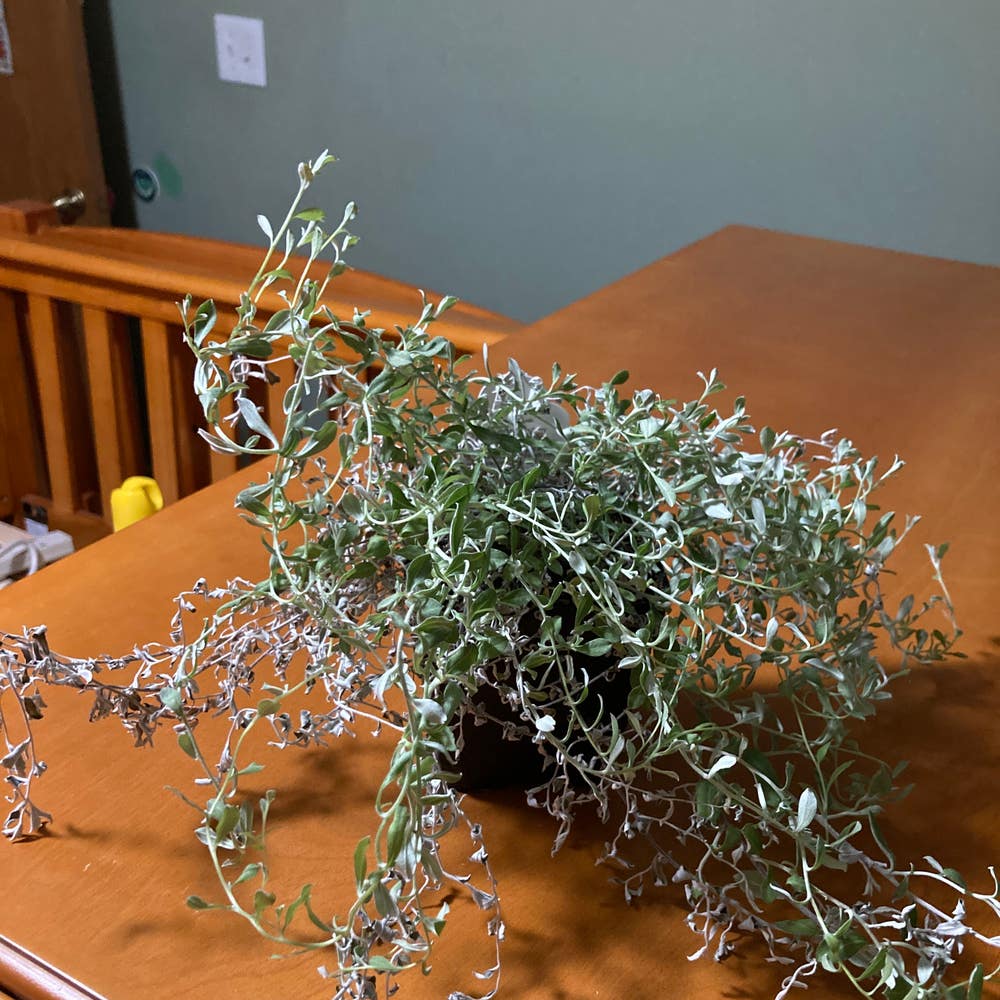
Rice Flower stands out as a non-invasive plant, primarily due to its growth patterns. It typically grows in clumps, maintaining a moderate spread that is easily manageable.
Growth Patterns 🌿
- Clumping Habit: This plant's growth form allows it to thrive without overwhelming its surroundings.
- Moderate Spread: Regular maintenance ensures that Rice Flower does not become a nuisance in gardens.
Ecological Impact 🌼
Rice Flower does not outcompete native plants, allowing local ecosystems to flourish. Its presence enhances biodiversity without disrupting the balance of existing flora.
Cultural Significance 🎉
Beyond its ornamental appeal, Rice Flower is valued in traditional medicine. This cultural significance adds depth to its role in gardens, making it more than just a pretty face in the landscape.
In summary, Rice Flower's non-invasive nature, manageable growth, and cultural importance make it a fantastic choice for gardens. As we explore its growth habits next, we'll see how these traits translate into practical gardening applications.
Growth Habits
Typical Growth Patterns in Gardens 🌼
Rice Flower exhibits a charming clumping habit, typically reaching heights of 1-2 meters (3-6 feet). This growth form makes it an attractive choice for various garden designs.
The blooming season for Rice Flower is a delightful spectacle, occurring from late spring to early summer. During this time, the garden bursts into life with its vibrant flowers.
Rice Flower thrives in a range of soil types and conditions, showcasing its versatility. It prefers full sun to partial shade, making it adaptable to different garden environments.
Natural Limits to Growth and Spread Potential 🌱
When it comes to spread potential, Rice Flower demonstrates a moderate growth rate. This characteristic allows for easy management through regular maintenance.
Additionally, Rice Flower is drought-tolerant, which enhances its suitability for diverse garden settings. This resilience means it can flourish even in less-than-ideal conditions, making it a reliable choice for gardeners.
Incorporating Rice Flower into your garden not only adds beauty but also ensures a manageable and sustainable growth pattern. Its adaptability and moderate spread make it a perfect fit for both novice and experienced gardeners alike.
As we explore the ecological role of Rice Flower, we’ll uncover its benefits to local ecosystems and wildlife.
Ecological Role
Benefits in Ecosystems 🌼
Rice Flower plays a vital role in enhancing local ecosystems. It attracts pollinators, providing essential nectar for bees and butterflies, which boosts biodiversity in the area.
Additionally, its robust root systems contribute to soil health and stability. This not only supports the plant itself but also benefits surrounding flora by preventing erosion and improving soil structure.
Positive Interactions with Local Wildlife 🦋
Beyond its beauty, Rice Flower offers significant habitat provision. It creates shelter and food sources for various wildlife species, fostering a thriving ecosystem.
Moreover, Rice Flower engages in symbiotic relationships with native plants. This interaction promotes a balanced ecosystem, ensuring that both the Rice Flower and its neighbors can flourish together.
Incorporating Rice Flower into your garden not only enhances its aesthetic appeal but also supports the local wildlife and ecosystem. This makes it a fantastic choice for environmentally conscious gardeners.
Garden Management
Incorporating Rice Flower into Garden Designs 🌾
Rice Flower is a versatile addition to any garden. Its clumping growth habit makes it ideal for borders, mass plantings, or as a striking focal point in landscape design.
When planning your garden, consider pairing Rice Flower with native plants. This not only enhances biodiversity but also creates a visually appealing and harmonious environment.
Controlling Growth for Aesthetics ✂️
To keep your Rice Flower looking its best, regular pruning is essential. This helps maintain the desired shape and size, ensuring it complements your garden design.
Additionally, monitoring its spread is crucial. By keeping an eye on growth patterns, you can prevent any unwanted expansion and maintain a tidy garden space.
Incorporating Rice Flower into your garden not only beautifies your space but also supports local ecosystems. Next, we will explore the ecological role of Rice Flower and its benefits in nurturing biodiversity.
Comparison to Other Plants
🌱 Similar Non-Invasive Plants
When considering non-invasive ornamental plants, several options share characteristics with Rice Flower. For instance, Blue Fescue (Festuca glauca) offers a clumping growth habit and thrives in similar conditions, making it an excellent companion in gardens.
Another great choice is Black-eyed Susan (Rudbeckia hirta), known for its vibrant yellow blooms and ability to attract pollinators. Both plants enhance garden aesthetics without posing a threat to local ecosystems.
🌼 Unique Qualities and Benefits
Rice Flower stands out due to its fragrant blooms and drought tolerance. These qualities not only add beauty but also make it a low-maintenance option for gardeners.
Additionally, Rice Flower supports local wildlife by providing essential nectar for pollinators like bees and butterflies. By incorporating this plant into your garden, you promote sustainable gardening practices while enhancing biodiversity.
In summary, Rice Flower's unique attributes and ecological benefits make it a valuable addition to any garden, especially when compared to other non-invasive plants. As you explore your gardening options, consider how Rice Flower can contribute to a thriving, balanced ecosystem.
Legal and Environmental Considerations
🌱 Classifications and Guidelines
When it comes to planting Rice Flower, it's essential to understand its classification. This plant is officially recognized as a non-invasive species, meaning it poses no threat to local ecosystems.
Guidelines for growing Rice Flower often emphasize its benefits. Gardeners are encouraged to incorporate it into their landscapes, knowing it won't outcompete native flora or disrupt the environment.
♻️ Role in Sustainable Gardening Practices
Rice Flower shines in sustainable gardening due to its drought tolerance and low maintenance needs. This makes it an excellent choice for eco-friendly gardens, allowing you to conserve water while enjoying vibrant blooms.
Moreover, by promoting the use of Rice Flower alongside native plants, you support local ecosystems. This not only enhances biodiversity but also creates a thriving habitat for wildlife, making your garden a sanctuary for nature.
Incorporating Rice Flower into your garden design is not just a choice for aesthetics; it’s a step towards sustainable gardening practices that benefit both you and the environment.
As we explore the next section, let's delve into how Rice Flower compares to other plants in terms of its unique qualities and benefits.
⚠️ Safety First
This content is for general information and may contain errors, omissions, or outdated details. It is not medical, veterinary advice, or an endorsement of therapeutic claims.
Always consult a qualified healthcare professional before using any plant as food, medicine, or supplement.
Never eat any plant (or feed one to pets) without confirming its identity with at least two trusted sources.
If you suspect poisoning, call Poison Control (800) 222-1222, the Pet Poison Helpline (800) 213-6680, or your local emergency service immediately.
Spotted an error? Please report it here.
Discover the vibrant charm of Rice Flower 🌸 in your garden while Greg provides personalized care reminders to help you cultivate a thriving, eco-friendly space!