🌼 Rice Flower's Best Friends: Top Companion Plants
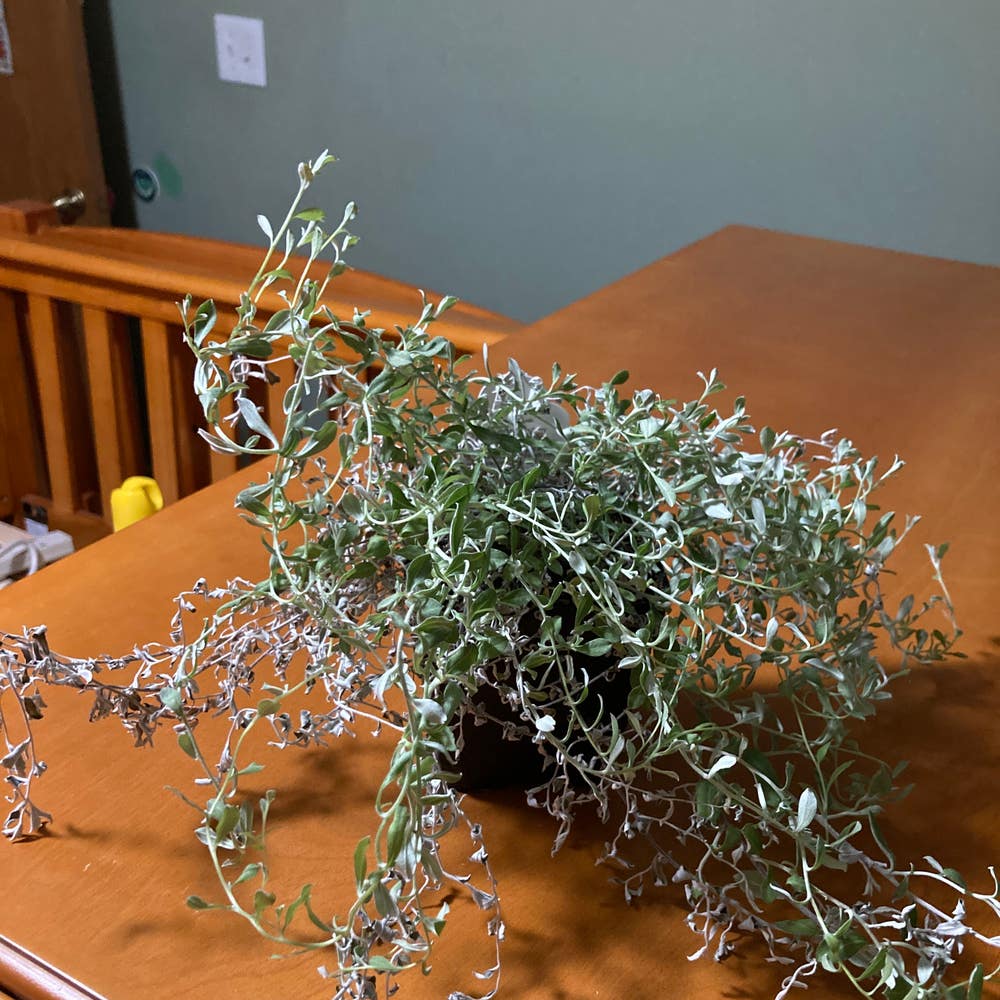
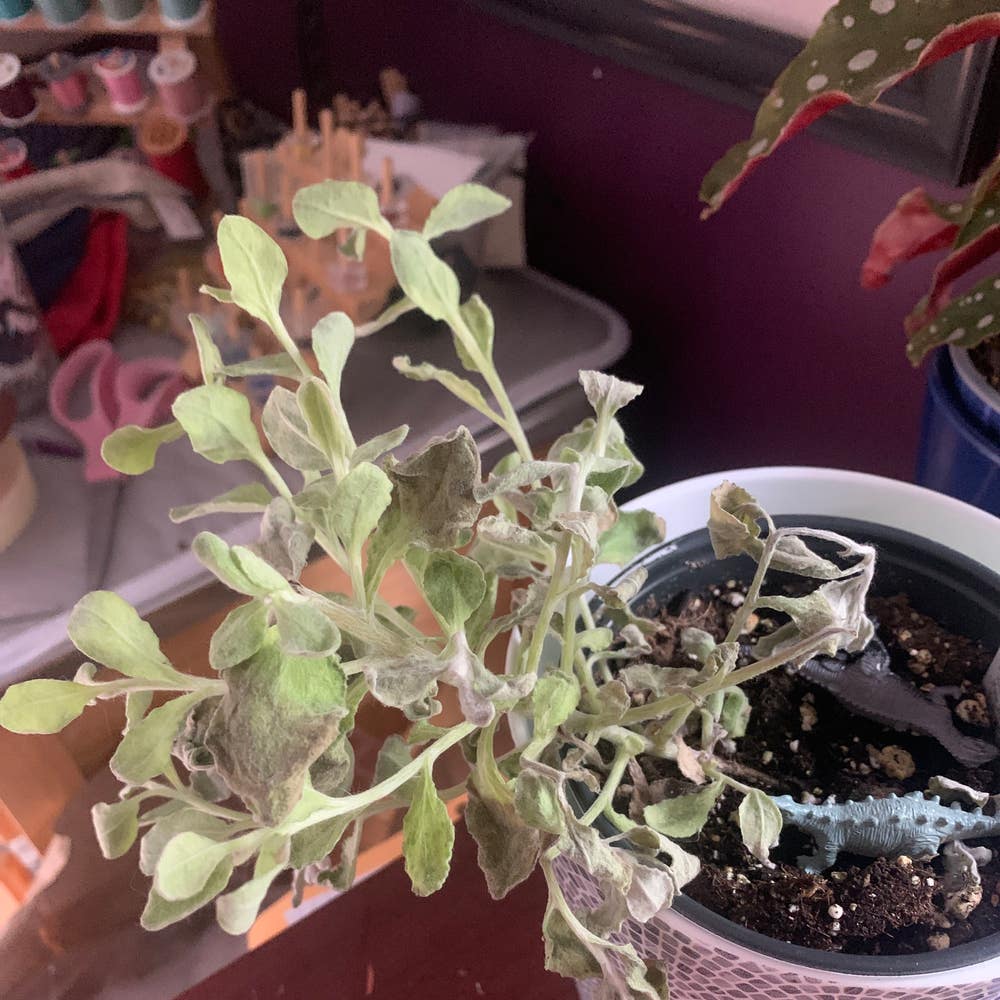
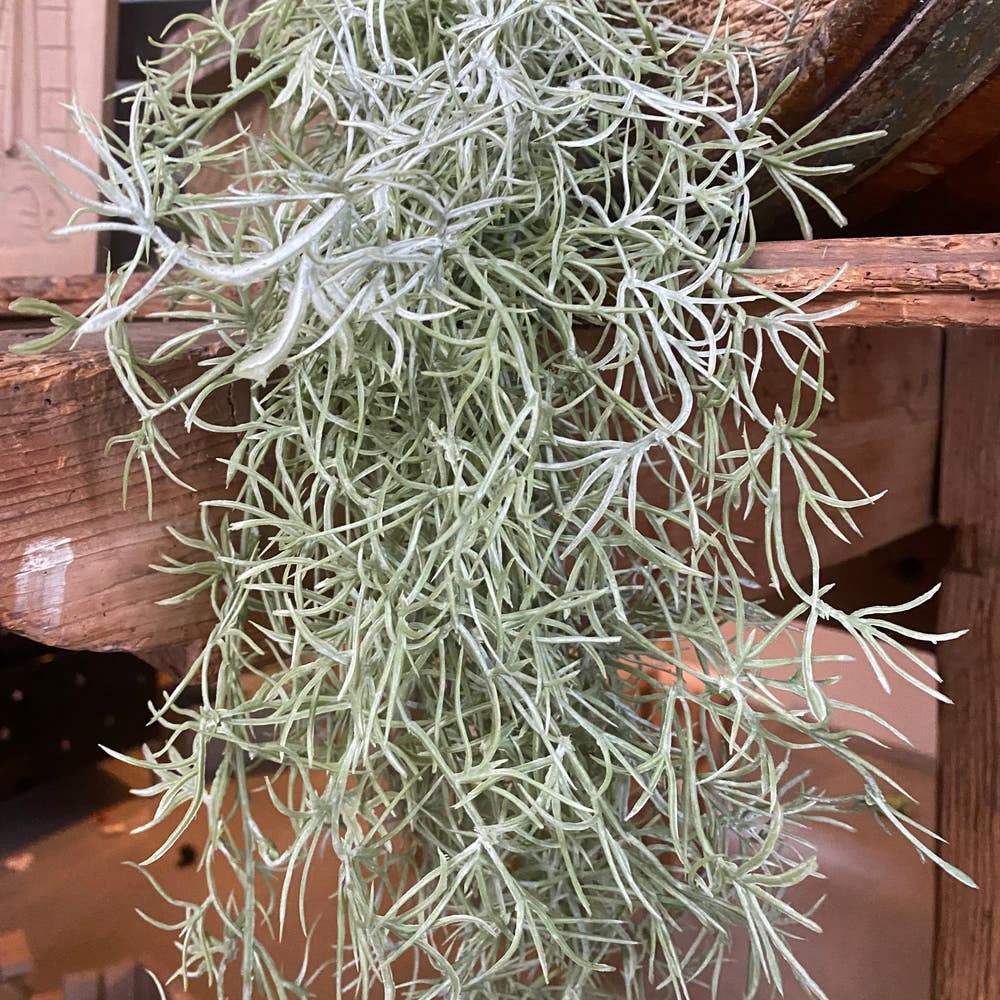
Helichrysum teretifolium
By the Greg Editorial Team
Nov 07, 2024•4 min read
This article was created with the help of AI so we can cover more plants for you. May contain errors. See one? Report it here.
Boost your garden's health 🌱 by pairing Rice Flower with these vibrant companion plants for a thriving ecosystem!
- 🌼 Companion planting with Rice Flower enhances aesthetics and garden health.
- 🐞 Lavender and marigolds repel pests, supporting Rice Flower's growth and vitality.
- 🌱 Promoting biodiversity through companion plants improves soil health and reduces pests.
Top Companion Plants for Rice Flower
1. Lavender 🌸
Lavender is an aromatic flowering plant celebrated for its stunning purple blooms. This companion thrives in well-drained soil and full sun, making it a perfect match for Rice Flower.
Lavender not only shares similar care needs but also boasts pest-repelling properties. It effectively deters aphids and other pests, while its contrasting colors enhance the overall aesthetics of your garden.
2. Marigold 🌼
Marigolds are bright, cheerful flowers known for their vibrant colors. These plants are effective at repelling pests, particularly nematodes and whiteflies.
In addition to their pest-repelling abilities, marigolds attract beneficial insects. They draw in pollinators and predatory insects, adding a splash of color and life to your garden.
3. Echinacea 🌺
Echinacea, or coneflower, is a tall perennial featuring daisy-like flowers. This plant is a magnet for pollinators, supporting bees and butterflies in your garden.
Like Rice Flower, Echinacea prefers full sun and well-drained soil. Its height and structure provide visual interest, making it a valuable companion.
4. Native Grasses 🌾
Native grasses, particularly Australian varieties, are characterized by their bushy growth habit. These grasses are drought-tolerant, complementing Rice Flower's water needs beautifully.
Moreover, they provide essential habitat for local wildlife and beneficial insects. Their texture and movement add a dynamic element to your garden landscape.
5. Rosemary 🌿
Rosemary is a woody perennial herb known for its fragrant leaves. It thrives in full sun and well-drained soil, aligning perfectly with the care requirements of Rice Flower.
This herb also serves as a natural pest repellent, deterring pests like cabbage moths. With its evergreen foliage, rosemary offers year-round visual interest, enhancing your garden's appeal.
These companion plants not only support the health and growth of Rice Flower but also create a vibrant, diverse garden ecosystem. By carefully selecting companions, you can cultivate a flourishing environment that benefits all your plants.
Plants to Avoid Near Rice Flower
1. Heavy Feeders 🌱
Heavy feeders can be detrimental to Rice Flower's growth. These plants compete for nutrients and water, often leading to stunted growth and poor health for your Rice Flower.
2. Fennel 🚫
Fennel is another plant to steer clear of. Its allelopathic properties can inhibit the growth of nearby plants, and it tends to attract pests that may harm your Rice Flower.
3. Cabbage Family 🥬
The cabbage family also poses a risk to Rice Flower. These plants attract pests like aphids and caterpillars, which can cause significant damage. Additionally, they share similar nutrient needs, creating competition that can hinder Rice Flower's development.
Avoiding these incompatible plants will help ensure your Rice Flower thrives in a healthy garden environment. Next, let’s explore how companion planting can effectively manage pests and enhance your garden's overall health.
Pest Management through Companion Planting
🌱 How Companion Plants Can Deter Pests
Companion planting is a powerful strategy for pest management, especially when it comes to Rice Flower. Aromatic plants like lavender and marigold play a crucial role by masking the scents that attract unwanted pests.
These fragrant companions not only confuse pests but also attract beneficial insects. These helpful allies prey on harmful pests, creating a natural balance in your garden.
🌼 Specific Pest Management Strategies Using Companion Plants with Rice Flower
One effective strategy is planting marigolds alongside Rice Flower. These vibrant blooms are known to reduce nematode populations, protecting your plants from potential damage.
Incorporating echinacea is another smart move. This beautiful perennial attracts pollinators, which enhances the overall health of your garden. By fostering a diverse ecosystem, you can significantly improve the resilience of your Rice Flower and its companions.
With these strategies, you can create a thriving garden that not only looks great but also naturally manages pests. This approach not only benefits your Rice Flower but also contributes to a healthier garden environment overall.
Enhancing Garden Diversity
🌱 The Role of Companion Plants in Promoting Biodiversity
Companion planting is a fantastic way to encourage a variety of species in your garden. This practice not only enhances ecosystem resilience but also creates a vibrant environment where plants can thrive together.
Diverse plantings attract a wider range of beneficial insects and wildlife. These creatures play crucial roles in pollination and pest control, contributing to a healthier garden overall.
🌼 Benefits of a Diverse Garden Ecosystem for Rice Flower and Other Plants
A diverse garden ecosystem significantly improves soil health. Varied root structures and the addition of organic matter enrich the soil, making it more fertile and supportive for all plants.
Moreover, a balanced ecosystem reduces pest pressure and disease incidence. By fostering a community of plants and beneficial organisms, you create a natural defense system that protects your Rice Flower and other plants from potential threats.
Incorporating companion plants not only beautifies your garden but also cultivates a thriving, resilient environment. This approach ensures that your garden remains a sanctuary for both plants and wildlife, enhancing the overall gardening experience.
⚠️ Safety First
This content is for general information and may contain errors, omissions, or outdated details. It is not medical, veterinary advice, or an endorsement of therapeutic claims.
Always consult a qualified healthcare professional before using any plant as food, medicine, or supplement.
Never eat any plant (or feed one to pets) without confirming its identity with at least two trusted sources.
If you suspect poisoning, call Poison Control (800) 222-1222, the Pet Poison Helpline (800) 213-6680, or your local emergency service immediately.
Spotted an error? Please report it here.
Boost your garden's beauty and health with perfect companion plants 🌱 like lavender and marigolds, and let Greg guide you with tailored care tips for a flourishing ecosystem!