🌡 Good Temperature Range for Your Rice Flower
Helichrysum teretifolium
By the Greg Editorial Team
Nov 07, 2024•5 min read
This article was created with the help of AI so we can cover more plants for you. May contain errors. See one? Report it here.
Ensure your rice flowers thrive 🌱 by mastering temperature management techniques to combat extreme weather challenges!
- 🌡️ Rice flowers thrive between 50°F and 85°F; extremes cause stress and damage.
- 🌼 Symptoms of temperature stress include wilting, discoloration, and reduced flowering.
- 🛠️ Monitor temperatures and adjust care to ensure healthy rice flowers year-round.
Effects of Temperature Extremes
❄️ Cold Temperatures
Cold temperatures can be a real challenge for rice flowers. These plants have a limited ability to withstand frost, making them vulnerable when temperatures dip.
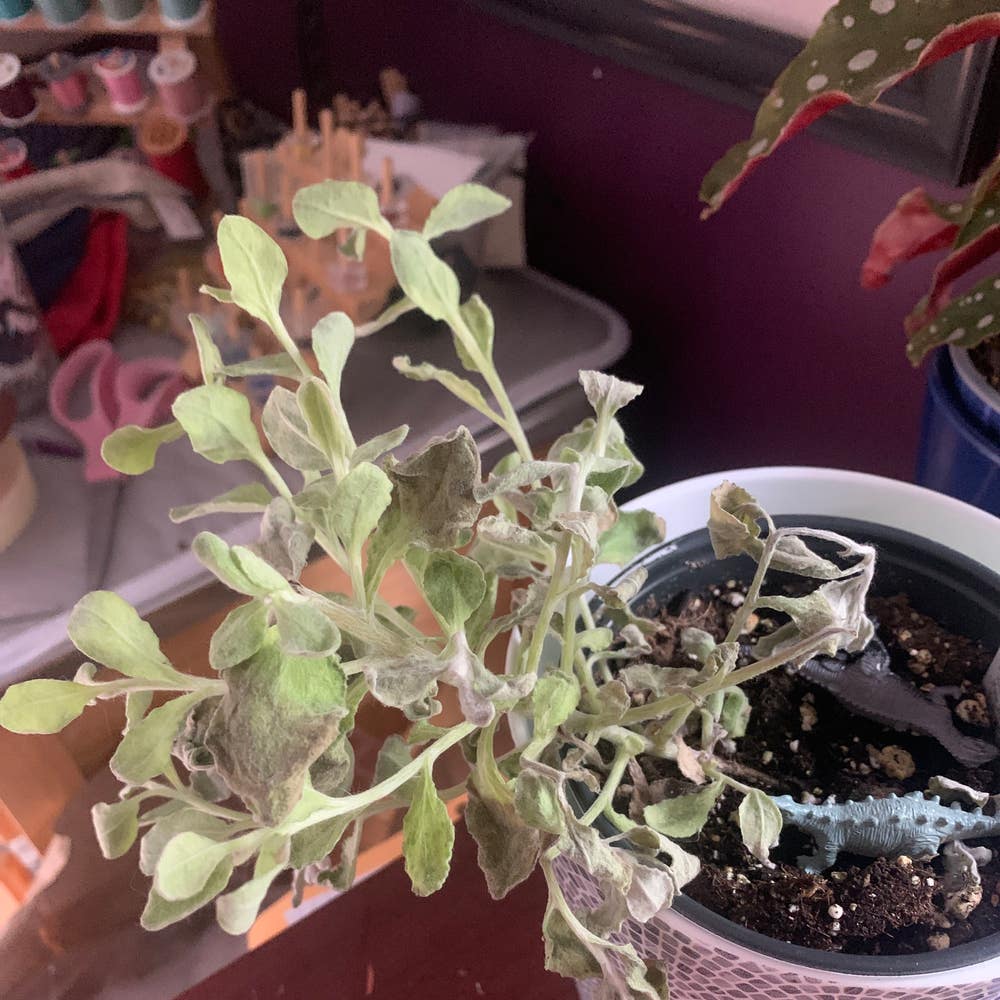
When exposed to cold stress, you might notice symptoms like wilting, leaf discoloration, and stunted growth. If the temperature falls below 50°F (10°C), your rice flowers may start to experience significant stress.
🔥 Heat Temperatures
On the flip side, heat can also wreak havoc on your rice flowers. Prolonged exposure to high temperatures can lead to serious heat stress.
Symptoms of heat stress include leaf curling, wilting, and reduced flowering. If temperatures soar above 85°F (29°C), your plants could face significant challenges, impacting their overall health and productivity.
Understanding these temperature extremes is crucial for maintaining the vitality of your rice flowers. Next, let’s explore the signs of temperature stress that can help you identify when your plants need attention.
Signs of Temperature Stress
👀 Visual and Behavioral Indicators
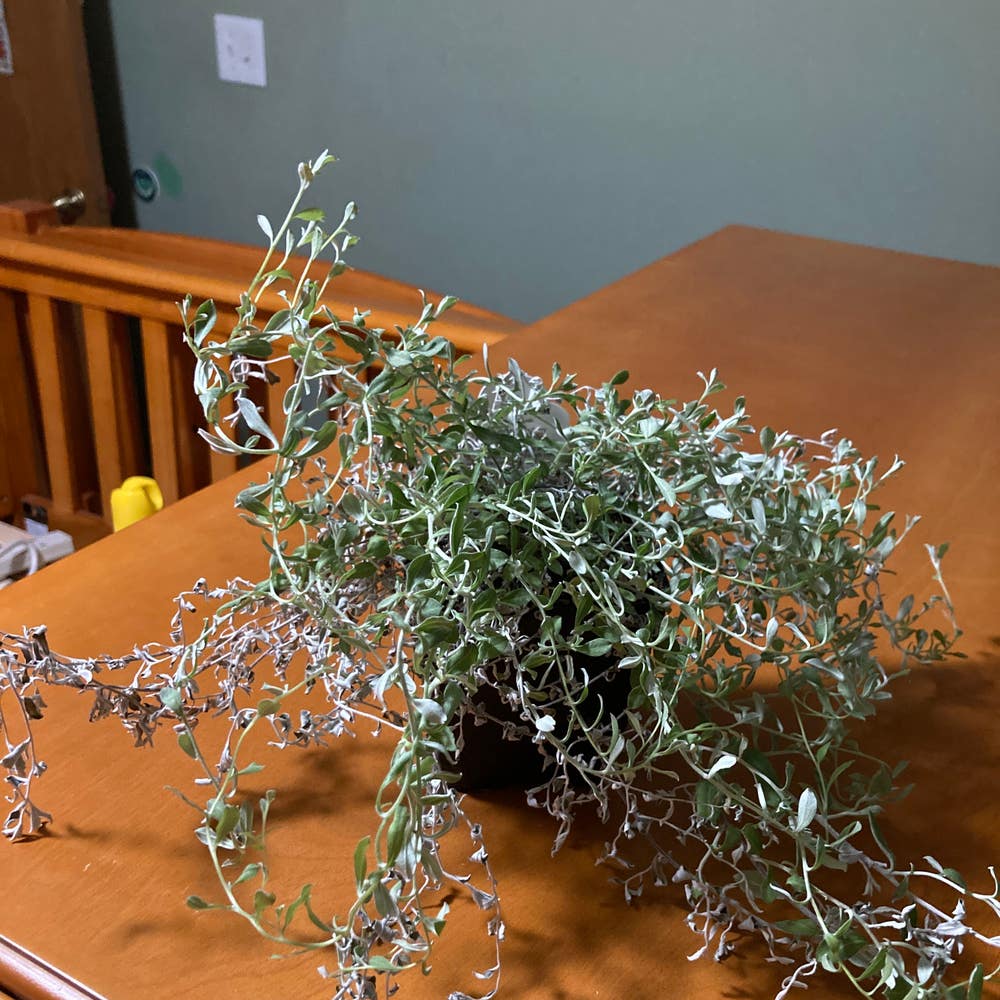
Temperature stress can manifest in several noticeable ways. Look out for wilting leaves, which often signal that your rice flower is struggling to cope with its environment.
Another common symptom is leaf discoloration. This can range from yellowing to browning, indicating that the plant is not thriving.
📉 Growth Rate Changes
You might also notice reduced flowering. A healthy rice flower should produce vibrant blooms, so a lack of flowers can be a red flag.
Additionally, slower growth rates can indicate that your plant is under stress. When growth stalls, it may become more susceptible to pests and diseases, compounding the problem.
Recognizing these signs early can help you take action to restore your rice flower's health. By monitoring your plants closely, you can ensure they thrive in the right temperature range.
Causes of Temperature Stress
❄️ Cold Stress Factors
Cold stress can hit your rice flower hard, especially when temperatures drop suddenly or linger at low levels. Prolonged exposure to cold can lead to significant damage, making it crucial to monitor temperature changes closely.
🔥 Heat Stress Factors
On the flip side, heat stress is a major concern during scorching summer days. High daytime temperatures, particularly above 85°F (29°C), can wreak havoc, especially if your plants aren't getting enough water to cope with the heat.
🌡️ Temperature Fluctuations
Temperature fluctuations play a pivotal role in how your rice flower responds to stress. Rapid changes can shock the plant, leading to wilting and stunted growth, so keeping an eye on the weather is essential for maintaining plant health.
Understanding these causes is the first step in ensuring your rice flower thrives, regardless of the temperature extremes it faces. Next, let’s explore the signs that indicate your plants are experiencing temperature stress.
Recovery Strategies
Immediate Actions 🌡️
When your rice flower is struggling with temperature stress, quick adjustments can make a world of difference. Start by modifying your watering practices; ensure the soil remains consistently moist but not soggy.
Providing shade is another effective immediate action. Use shade cloths or even natural barriers like taller plants to shield your rice flowers from harsh sunlight.
Long-term Strategies 🌱
For lasting resilience, consider selecting heat-tolerant or cold-resistant varieties of rice flowers. These plants are bred to thrive under specific temperature conditions, reducing the risk of stress in the future.
Regular monitoring of temperature conditions is crucial. Keep an eye on local weather patterns and be proactive in adjusting your care routine as needed.
Importance of Monitoring 👀
Consistent observation allows you to catch temperature fluctuations early. This vigilance not only helps in preventing stress but also promotes healthier growth overall.
By implementing these recovery strategies, you can ensure your rice flowers flourish despite the challenges posed by temperature extremes. Next, let’s explore the signs of temperature stress to better understand how to identify issues early on.
Temperature Management Techniques
Regulating Temperature 🌡️
Managing temperature is crucial for the health of your rice flower. One effective method is using shade cloths during peak summer temperatures to protect your plants from intense sunlight.
Mulching is another excellent technique. It helps maintain soil temperature by insulating the ground, keeping roots cooler during hot spells.
Watering practices also play a vital role. Regularly watering your plants can help cool them down, especially during heat stress, ensuring they stay hydrated and healthy.
Protection from Cold ❄️
Providing shade during extreme heat is essential for preventing stress in your rice flowers. This simple action can significantly improve their resilience against high temperatures.
When it comes to cold protection, consider using frost cloths and windbreaks. These tools create a barrier against harsh weather, helping to shield your plants from frost damage.
Timing is key for implementing these protective measures. Be proactive and adjust your strategies based on seasonal changes to ensure your rice flowers thrive year-round.
By mastering these temperature management techniques, you can create a nurturing environment for your rice flowers, allowing them to flourish despite the challenges posed by temperature extremes.
⚠️ Safety First
This content is for general information and may contain errors, omissions, or outdated details. It is not medical, veterinary advice, or an endorsement of therapeutic claims.
Always consult a qualified healthcare professional before using any plant as food, medicine, or supplement.
Never eat any plant (or feed one to pets) without confirming its identity with at least two trusted sources.
If you suspect poisoning, call Poison Control (800) 222-1222, the Pet Poison Helpline (800) 213-6680, or your local emergency service immediately.
Spotted an error? Please report it here.
Keep your rice flowers thriving 🌼 by using Greg's tailored reminders to monitor temperature and take action against stress for a flourishing garden!