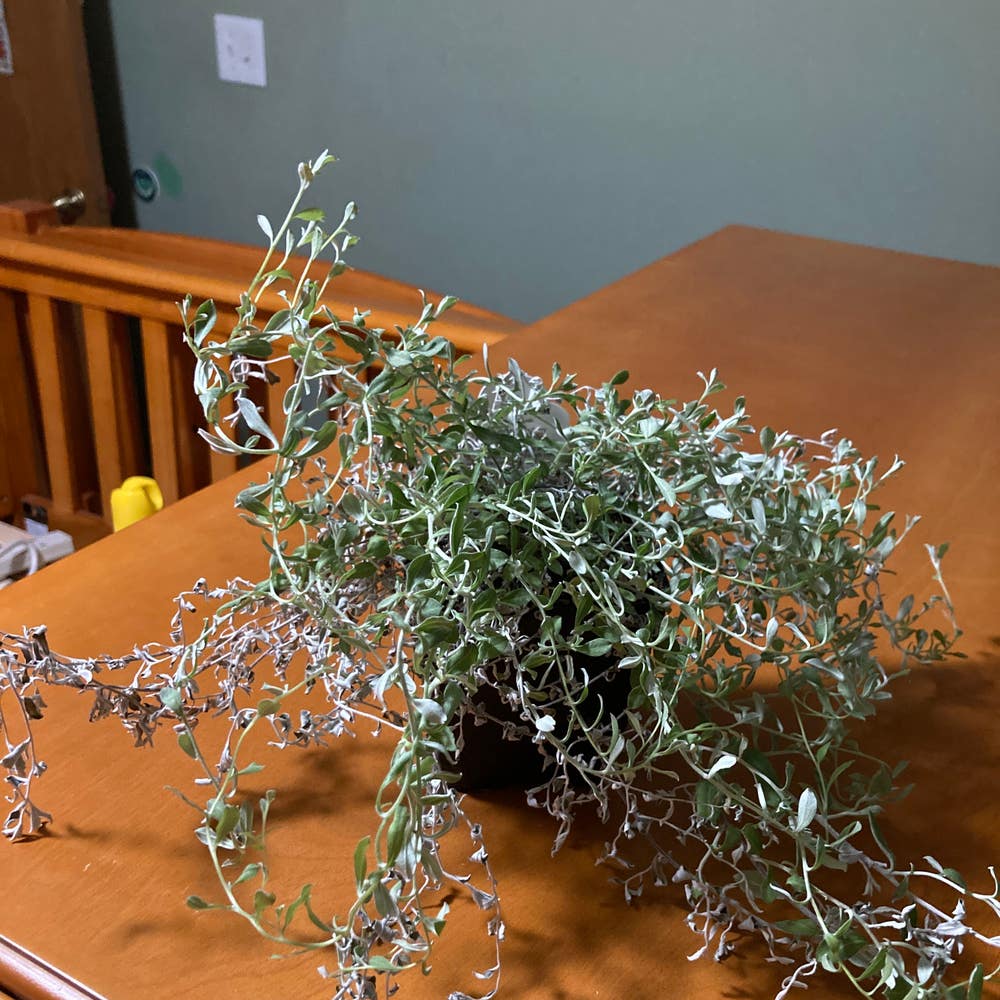
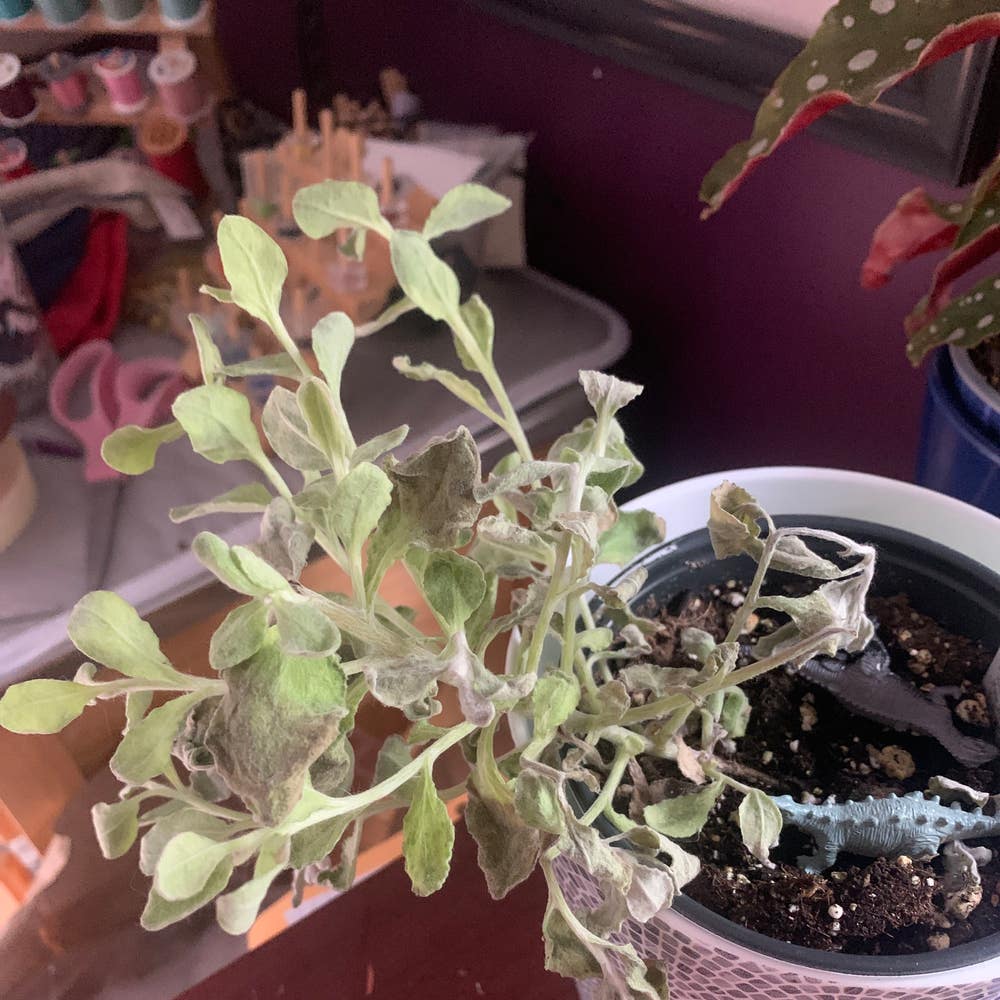
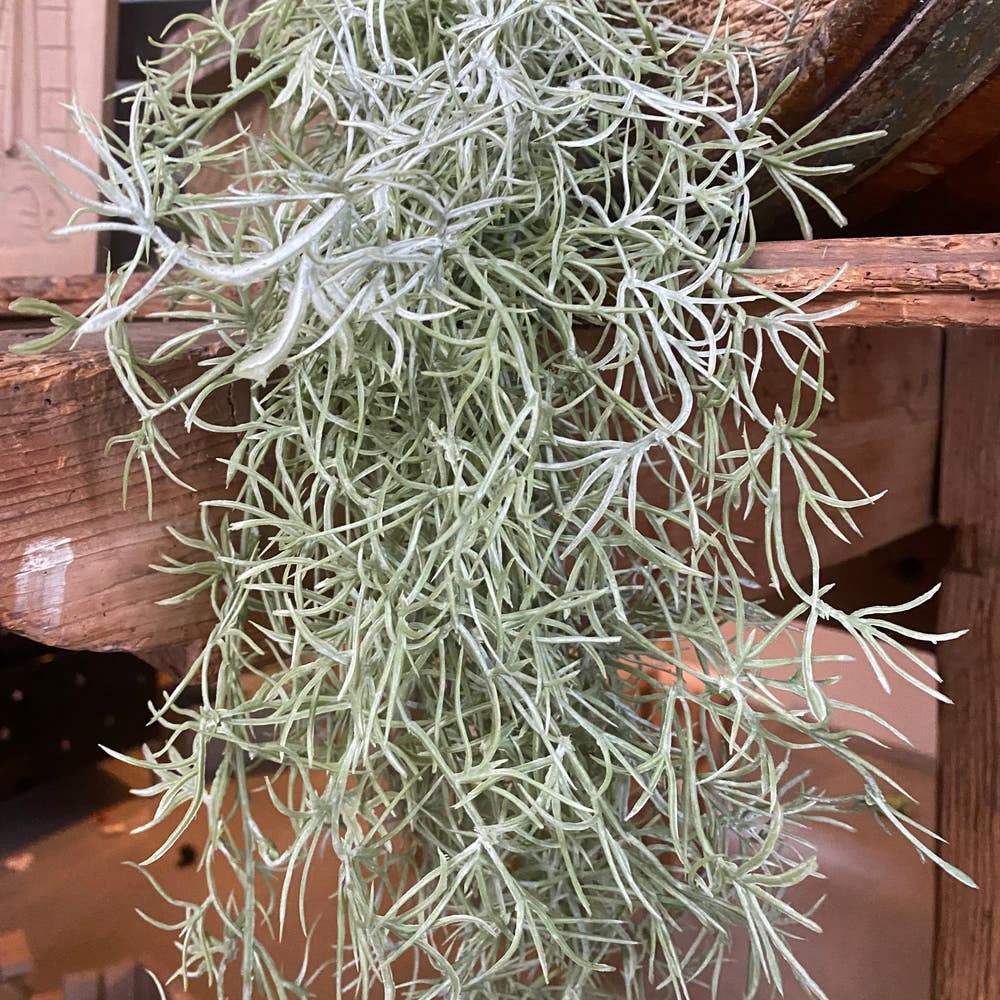
10 Outdoor Care Hacks for Rice Flower 🌸
Helichrysum teretifolium
By the Greg Editorial Team
Nov 07, 2024•4 min read
This article was created with the help of AI so we can cover more plants for you. May contain errors. See one? Report it here.
Master the art of growing vibrant rice flowers 🌸 with essential tips on sunlight, watering, and soil care for stunning blooms! 🌱
- 🌞 Rice flowers need 6-8 hours of sunlight daily for vibrant blooms.
- 💧 Water weekly during dry spells; check soil moisture to prevent overwatering.
- 🌱 Fertilize every 4-6 weeks with balanced NPK for optimal growth.
Sunlight Requirements
Ideal Sunlight Exposure ☀️
Rice flowers thrive in full sun, requiring 6-8 hours of direct sunlight daily. While they can tolerate some partial shade, this may hinder their flowering potential.
Importance of Sunlight for Growth 🌱
Sunlight is crucial for promoting healthy growth and vibrant blooms. Without sufficient sunlight, you might notice leggy growth and fewer flowers, which can be disappointing for any gardener.
Understanding these sunlight needs will help you create the perfect environment for your rice flowers, ensuring they flourish beautifully. Next, let’s explore their watering needs and how to keep them hydrated effectively.
Watering Needs and Frequency
💧 General Watering Guidelines
Watering your rice flower is crucial for its health. Aim to water weekly during dry spells, but always adjust based on rainfall.
Before you water, check the soil moisture. Ensure the top 1-2 inches are dry to avoid overwatering.
🚰 Signs of Overwatering and Underwatering
Recognizing the signs of overwatering is essential. Look for yellowing leaves and root rot as indicators that your plant is getting too much water.
On the flip side, underwatering manifests as wilting, dry leaves, and stunted growth. Keep an eye on your plant to ensure it thrives!
With proper watering practices, your rice flower will flourish beautifully. Next, let’s explore the ideal soil preferences and fertilization techniques to keep your plant healthy and vibrant.
Soil Preferences and Fertilization
Ideal Soil Conditions 🌱
Rice flowers thrive in well-drained, sandy or loamy soil that allows for good aeration. This type of soil not only supports healthy root development but also prevents waterlogging, which can be detrimental to the plant.
The ideal soil pH for rice flowers ranges from slightly acidic to neutral, specifically between 6.0 and 7.0. Testing your soil pH can help you create the perfect environment for vibrant blooms.
Recommended Fertilization Practices 🌼
To ensure your rice flowers flourish, fertilize them every 4-6 weeks during the growing season. This regular feeding provides essential nutrients that promote robust growth and abundant flowering.
When choosing fertilizers, opt for a balanced NPK fertilizer, such as a 10-10-10 blend, or consider slow-release organic options. These choices will nourish your plants effectively while supporting sustainable gardening practices.
With the right soil and fertilization, your rice flowers will not only survive but thrive, setting the stage for a stunning outdoor display. Next, let’s explore the best planting options and how to protect your plants from the elements.
Planting Options and Protection
🌱 Container vs. Ground Planting
Container Planting
Container planting offers fantastic mobility, allowing you to reposition your rice flower as needed. However, it comes with the downside of limited root space, which can necessitate more frequent watering.
Ground Planting
On the other hand, ground planting provides ample space for root development, reducing the need for constant watering. The trade-off is that soil quality can vary, and you have less control over environmental factors.
☔️ Weather Protection and Pest Management
Strategies for Weather Protection
To protect your rice flower from harsh weather, consider mulching. Organic mulch helps retain soil moisture and keeps temperatures stable.
Windbreaks are another effective strategy. Using fencing or taller plants can shield your rice flower from strong winds, ensuring it thrives.
🐞 Common Outdoor Pests and Control Methods
Watch out for aphids, which can cause curled leaves and leave a sticky residue. Spider mites are another concern; look for fine webbing and stippled leaves as signs of their presence.
For control, neem oil and insecticidal soap work wonders against aphids. To deter spider mites, simply increase humidity around your plants.
With these planting options and protection strategies, your rice flower will be well-equipped to flourish in its outdoor environment. Next, let’s explore the seasonal care and climate considerations essential for maintaining its health year-round.
Seasonal Care and Climate Considerations
🌸 Seasonal Changes and Care Tips
Caring for rice flowers throughout the seasons is essential for their health and vibrancy.
Spring is the time for rejuvenation. Prune any dead or damaged branches and apply fertilizer to kickstart new growth.
As temperatures rise in summer, increase your watering frequency. Stay vigilant for pests that may take advantage of the warm weather.
In fall, it's time to prepare for winter. Apply mulch to protect the roots and perform light pruning to maintain shape.
During winter, your focus shifts to protection. Shield your plants from frost and reduce watering to prevent root rot.
🌍 Climate Zone Considerations
Rice flowers thrive in USDA zones 9-11, where the climate is warm and welcoming.
In hot, dry climates, increase your watering to keep the soil moist. Conversely, in humid areas, ensure good air circulation to prevent fungal issues.
By adjusting your care based on seasonal changes and climate conditions, you can ensure your rice flowers flourish year-round.
Next, let’s explore the essential watering needs and frequency for optimal growth.
⚠️ Safety First
This content is for general information and may contain errors, omissions, or outdated details. It is not medical, veterinary advice, or an endorsement of therapeutic claims.
Always consult a qualified healthcare professional before using any plant as food, medicine, or supplement.
Never eat any plant (or feed one to pets) without confirming its identity with at least two trusted sources.
If you suspect poisoning, call Poison Control (800) 222-1222, the Pet Poison Helpline (800) 213-6680, or your local emergency service immediately.
Spotted an error? Please report it here.
Keep your rice flowers blooming beautifully 🌼 with Greg's tailored watering alerts and sunlight tracking, ensuring they thrive all year round with these essential care hacks!