☀️ Your Rice Flower's Light Requirements
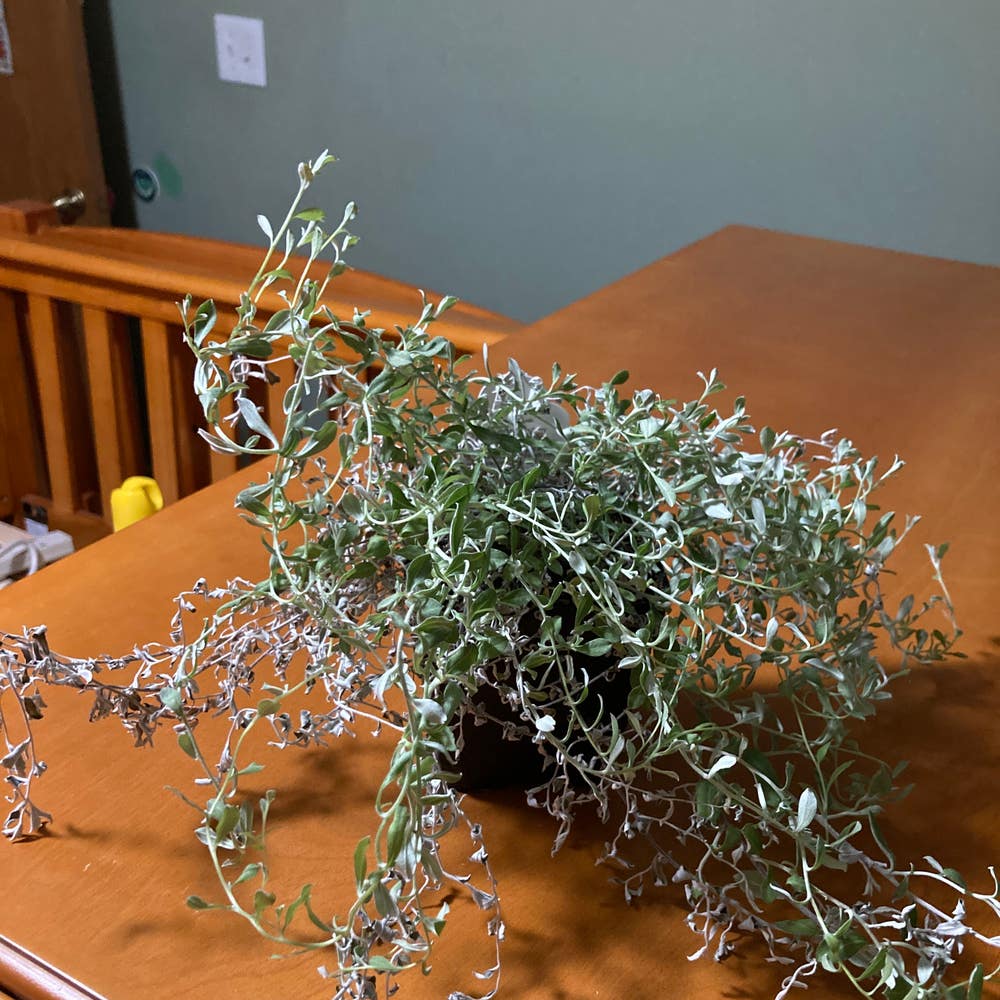
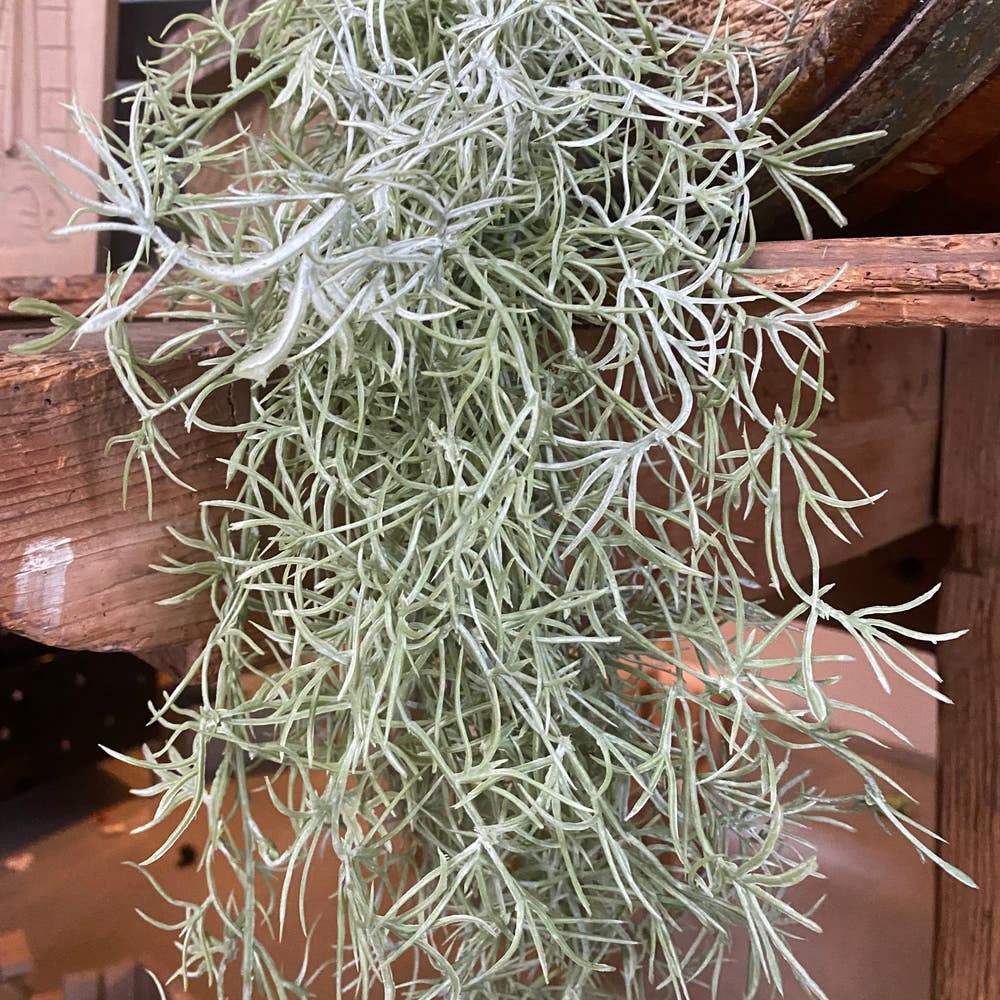
Helichrysum teretifolium
By the Greg Editorial Team
Nov 07, 2024•5 min read
This article was created with the help of AI so we can cover more plants for you. May contain errors. See one? Report it here.
Unlock your rice flower's potential 🌼 with the right light exposure for vibrant growth and stunning blooms!
- 🌞 Rice flowers need 6-8 hours of light daily for optimal growth and health.
- 💡 Bright, indirect light indoors and full sun outdoors ensures vigorous plants.
- 🌈 Light quality matters: blue for growth, red for flowering in rice flowers.
Importance of Light for Growth
🌱 Role of Light in Plant Health
Light is essential for photosynthesis, the process by which plants convert light energy into chemical energy. This energy fuels growth and supports vital functions, making light a cornerstone of plant health.
Moreover, adequate light exposure enhances overall plant vigor and resilience. Plants that receive the right amount of light are better equipped to withstand stressors like pests and diseases.
💡 Optimal Light Conditions for Indoor Growth
For indoor growth, bright, indirect light is ideal. Position your rice flower near south or west-facing windows to maximize exposure.
Aim for a minimum of 6-8 hours of light daily. As seasons change, remember to rotate your plants to ensure they receive even light distribution.
☀️ Optimal Light Conditions for Outdoor Growth
When growing outdoors, full sun is the best option, requiring 6-8 hours of direct sunlight. However, rice flowers can tolerate partial shade, which can still support their growth.
Be mindful of your outdoor placement. Avoid areas overly shaded by trees or structures to ensure your plants thrive.
With the right light conditions, your rice flowers will flourish, setting the stage for the next section on light intensity and duration.
Light Intensity and Duration
Light Intensity 🌟
Light intensity is crucial for your rice flower's growth. It refers to the measurement of light levels, typically expressed in lux or foot-candles.
For optimal growth indoors, aim for a light intensity of 2000-3000 lux. This range ensures your plant receives enough energy to thrive and flourish.
Duration of Light Exposure ⏳
Consistent light exposure is vital for healthy growth. Daily light duration should ideally be maintained at a minimum of 6-8 hours.
As seasons change, adjust the duration of light exposure accordingly. This flexibility helps accommodate variations in natural light availability, ensuring your rice flower remains vibrant year-round.
With a solid understanding of light intensity and duration, you can create the perfect environment for your rice flower to thrive. Next, let's explore the effects of insufficient light on plant health.
Effects of Insufficient Light
Symptoms of Low Light Conditions 🌑
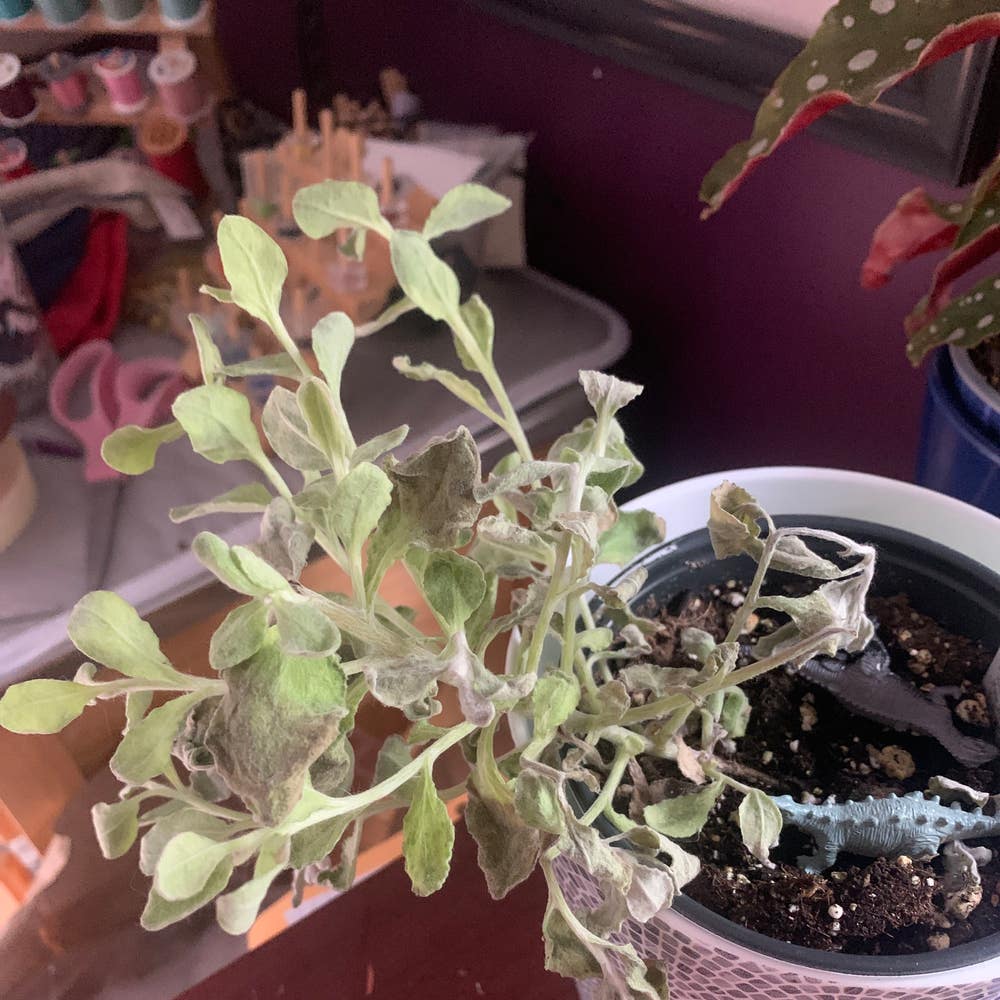
When your rice flower doesn't get enough light, it shows clear signs of distress. You might notice stunted growth, where the plant lacks vigor and fails to develop properly.
Another common symptom is poor flowering. If your plant is not blooming as it should, or if flowers are absent altogether, low light could be the culprit.
Additionally, keep an eye on the leaves. Yellowing or dropping leaves often indicates that your plant is struggling due to insufficient light.
Long-term Consequences ⏳
The repercussions of inadequate light extend beyond immediate symptoms. Over time, your plant's overall health will decline, making it more susceptible to pests and diseases.
Moreover, insufficient light can impact the aesthetic appeal of your rice flower. A lack of vibrant blooms and healthy foliage makes it less desirable for floral arrangements, diminishing its beauty in your space.
Understanding these effects can help you take proactive steps to ensure your rice flower thrives. Next, we’ll explore the crucial role of light in flowering and how to optimize conditions for your plants.
Role of Light in Flowering
How Light Affects Flowering 🌼
Light plays a crucial role in the flowering process of plants, primarily through a phenomenon known as photoperiodism. This term refers to how the duration of light exposure influences when a plant will bloom, with many species requiring specific light cycles to trigger flowering.
Understanding the importance of light quality is equally vital. The spectrum of light—ranging from blue to red wavelengths—affects bloom development. For instance, blue light promotes vegetative growth, while red light is essential for flowering.
Importance of Light Quality 🌈
The quality of light can significantly impact the health and vibrancy of your flowers. Plants exposed to the right light spectrum tend to produce more robust blooms, enhancing their aesthetic appeal.
Inadequate light quality can lead to poor flowering, resulting in fewer blooms or even complete failure to flower. Therefore, ensuring your plants receive the appropriate light spectrum is essential for achieving a flourishing garden.
As you consider your plant's light needs, remember that both duration and quality are key. This understanding will help you create the ideal environment for your rice flower to thrive and bloom beautifully.
Next, we will explore the benefits of using grow lights to supplement natural light, ensuring your plants receive the optimal conditions they need year-round.
Using Grow Lights
🌱 Benefits of Grow Lights for Indoor Growth
Grow lights are essential for indoor gardening, especially when natural light is limited. They supplement sunlight, ensuring your plants receive adequate light levels throughout the year.
Consistent exposure to grow lights enhances both growth and flowering potential. This means healthier plants and more vibrant blooms, even in less-than-ideal lighting conditions.
💡 Types of Grow Lights Suitable
When it comes to grow lights, there are several effective options to consider.
LED grow lights are a top choice due to their energy efficiency and effectiveness. They produce less heat, making them safe for close placement to plants.
Fluorescent lights work well for seedlings and young plants, providing a gentle light that encourages early growth.
HID lights (High-Intensity Discharge) offer maximum light output, making them suitable for larger setups or more demanding plants.
📏 Placement and Duration of Grow Light Exposure
Proper placement of grow lights is crucial for optimal plant health. Aim to position them 12-24 inches above the plant canopy to ensure even light distribution.
For the best results, keep the lights on for 12-16 hours daily. This duration mimics natural sunlight and supports robust growth.
Finally, always monitor your plants' responses to the light. Adjust the duration and placement as needed to cater to their specific needs, ensuring they thrive under your care.
With the right grow lights and careful attention, your indoor garden can flourish beautifully, setting the stage for a vibrant display of greenery and blooms.
⚠️ Safety First
This content is for general information and may contain errors, omissions, or outdated details. It is not medical, veterinary advice, or an endorsement of therapeutic claims.
Always consult a qualified healthcare professional before using any plant as food, medicine, or supplement.
Never eat any plant (or feed one to pets) without confirming its identity with at least two trusted sources.
If you suspect poisoning, call Poison Control (800) 222-1222, the Pet Poison Helpline (800) 213-6680, or your local emergency service immediately.
Spotted an error? Please report it here.
Ensure your rice flower gets the ideal light exposure 🌞 it craves by using Greg's tailored care tips for vibrant blooms and robust growth!