Why Rice Flower Is A Perennial Plant
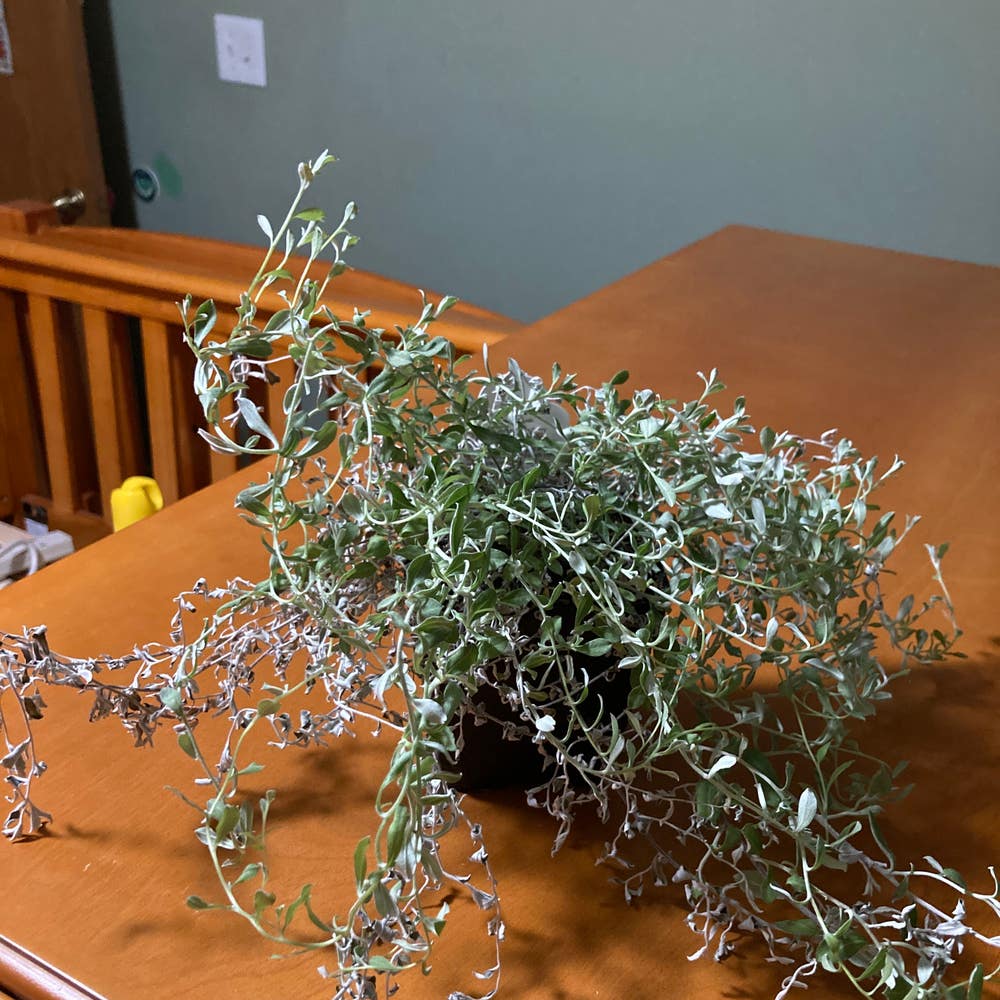
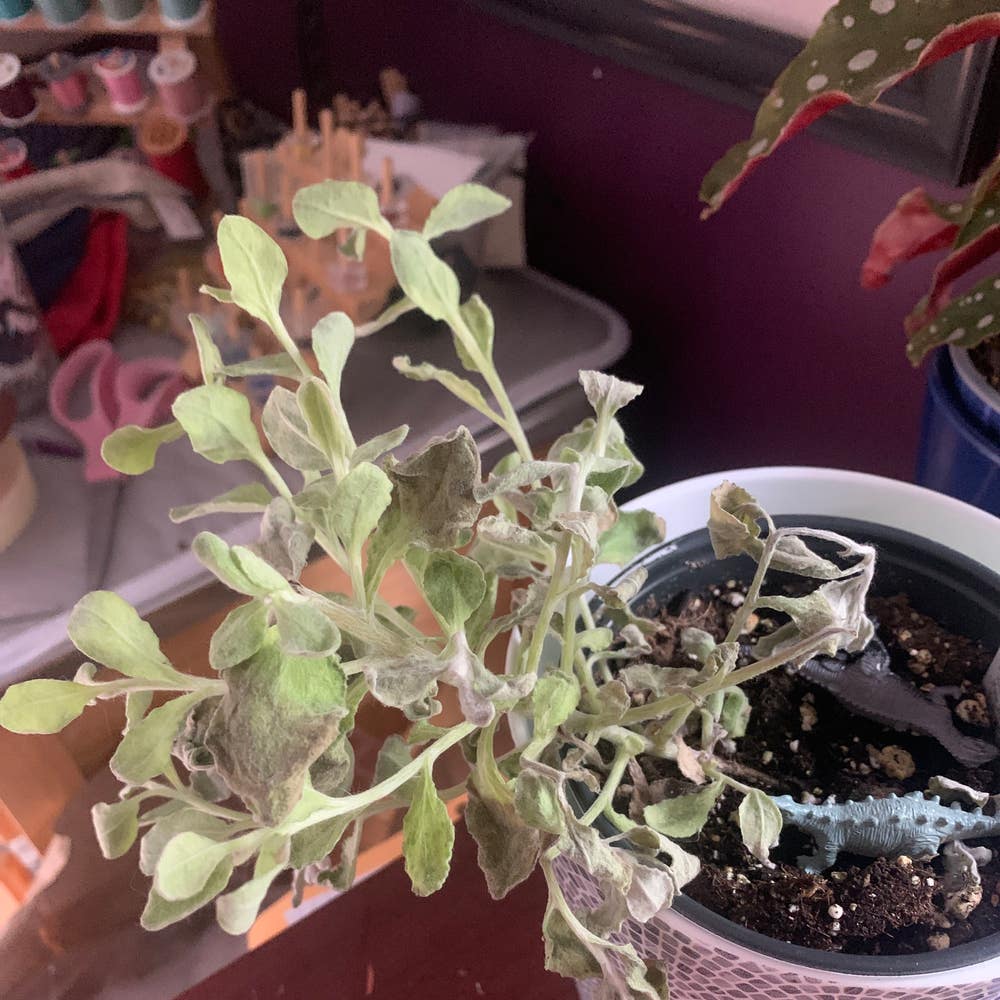
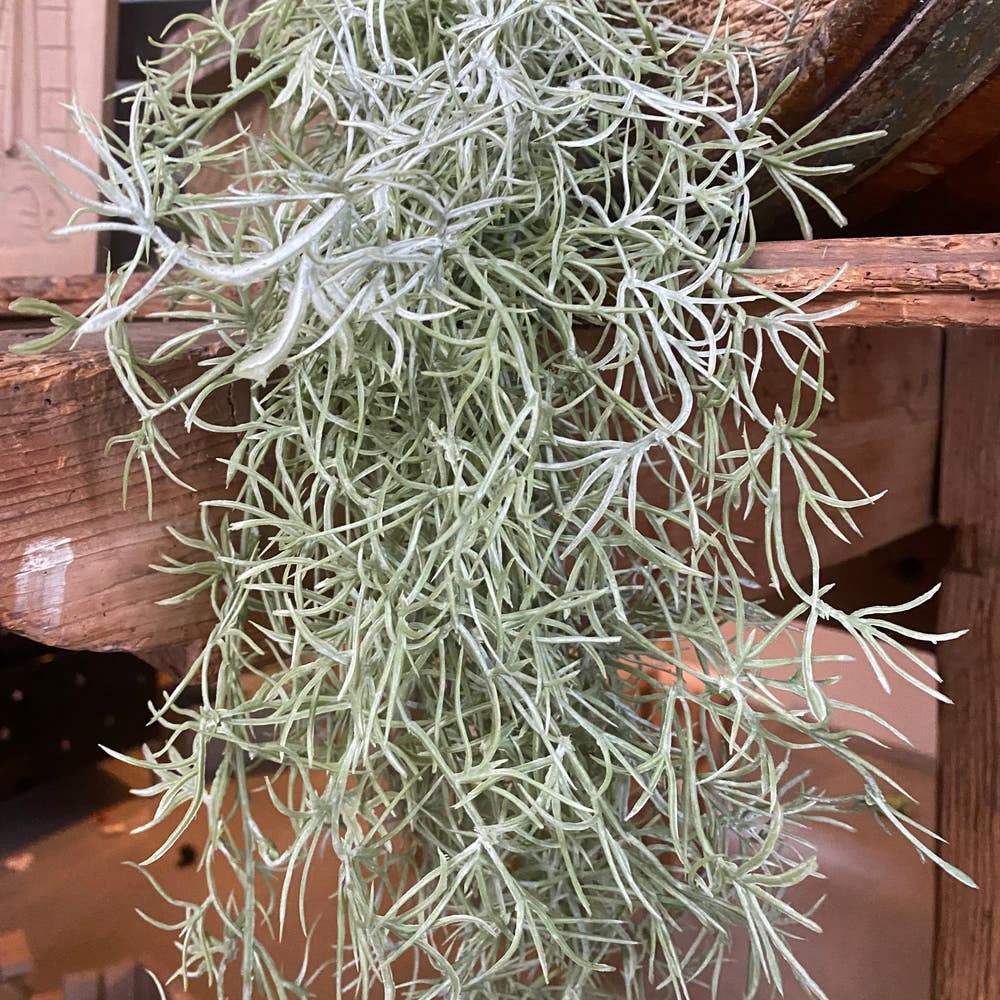
Helichrysum teretifolium
By the Greg Editorial Team
Nov 07, 2024•6 min read
This article was created with the help of AI so we can cover more plants for you. May contain errors. See one? Report it here.
Unlock your garden's potential with Rice Flower's resilience and beauty for year-round blooms! 🌼
- 🌼 Rice Flower is a perennial, thriving for years with minimal replanting needed.
- 🌱 Healthy root systems ensure resilience, enabling growth through seasonal changes.
- 🌞 Optimal conditions enhance blooming, making Rice Flower a reliable garden choice.
Characteristics of Rice Flower as a Perennial
🌱 Multi-Year Lifecycle
Rice Flower is a remarkable perennial, thriving through continuous growth and flowering over multiple years. Unlike annuals that complete their life cycle in one season or biennials that take two, perennials like Rice Flower establish themselves for the long haul, offering beauty year after year.
This longevity not only enriches gardens but also provides a sense of stability. Gardeners can enjoy the same vibrant blooms season after season, fostering a deeper connection with their plants.
🌿 Growth Patterns and Regrowth from Roots
One of the standout features of Rice Flower is its ability to regrow from established root systems each year. This resilience allows the plant to bounce back after seasonal changes, ensuring a robust display of flowers.
Healthy roots are crucial for this regrowth. A strong root system not only supports the plant's stability but also enhances its nutrient uptake, making Rice Flower a hardy choice for any garden enthusiast.
In summary, the characteristics of Rice Flower as a perennial highlight its longevity and resilience, making it an excellent addition to gardens. As we explore further, we'll delve into the seasonal changes and dormancy that affect this fascinating plant.
Seasonal Changes and Dormancy
🌱 Dormancy Periods in Rice Flower
Rice Flower experiences distinct dormancy periods, typically occurring during the colder months. This dormancy is a natural response to environmental stressors, allowing the plant to conserve energy and resources.
During dormancy, Rice Flower's growth slows significantly, but this phase is crucial for its overall health. It helps the plant prepare for the next growing season, ensuring it emerges stronger and more vibrant.
🌦️ Seasonal Changes Affecting Growth and Flowering
Seasonal changes play a vital role in the flowering cycles of Rice Flower. Temperature and light levels directly influence when and how the plant blooms, making these factors essential for successful growth.
Rice Flower has developed several adaptations to cope with these variations. For instance, it may alter its blooming schedule based on the length of daylight, ensuring it thrives in different climates and conditions.
Understanding these seasonal dynamics can help gardeners optimize their care for Rice Flower, leading to a more flourishing garden. As we explore the advantages of this perennial plant, we’ll see how its unique characteristics benefit both the plant and the gardener.
Advantages of Perennial Nature
🌱 Benefits for Gardeners
Rice Flower's perennial nature offers significant advantages for gardeners. One of the most notable benefits is the reduced need for replanting, which saves both time and effort.
This longevity means you can enjoy the beauty of Rice Flower year after year without the hassle of starting from scratch. Additionally, planting perennials like Rice Flower is cost-effective, as they provide long-term savings by eliminating the need for annual purchases.
🌳 Established Root Systems and Their Advantages
The established root systems of Rice Flower contribute greatly to its resilience. These robust roots enhance drought resistance, allowing the plant to thrive even in challenging conditions.
Moreover, a strong root system improves nutrient access and stability, supporting overall plant health. Over time, these roots play a crucial role in sustaining growth and ensuring the plant flourishes season after season.
With these advantages, Rice Flower stands out as a fantastic choice for any garden, making it easier to cultivate a vibrant and sustainable landscape.
As we explore further, let’s delve into the expected lifespan of Rice Flower and the factors that influence its longevity.
Lifespan and Longevity Factors
🌱 Expected Lifespan of Rice Flower
Rice Flower is known for its impressive longevity as a perennial plant. In optimal conditions, it can thrive for several years, often exceeding a decade, making it a reliable choice for gardeners.
When compared to other perennials, Rice Flower stands out for its resilience and ability to adapt. Many perennial plants may have shorter lifespans, but Rice Flower consistently demonstrates its hardiness and endurance.
⏳ Factors Influencing Longevity
Several environmental factors play a crucial role in determining the lifespan of Rice Flower. Soil quality, for instance, directly affects its growth; nutrient-rich, well-draining soil promotes healthier plants.
Water availability is another key factor. Consistent moisture, without waterlogging, supports the plant's development and longevity. Additionally, climate conditions, such as temperature and sunlight, can impact how well Rice Flower thrives over the years.
Care practices are equally important in extending the life of Rice Flower. Regular maintenance, including proper pruning and pest management, ensures the plant remains healthy and vigorous.
By understanding these factors, gardeners can take proactive steps to maximize the lifespan of their Rice Flower, ensuring it continues to beautify their gardens for years to come.
As we explore the next section on climate zone variations, we'll see how these factors influence Rice Flower's adaptability across different environments.
Climate Zone Variations
🌍 Variations in Perennial Behavior Across Climates
Rice Flower is a resilient perennial that showcases remarkable adaptability across various climate zones. Whether thriving in warm, humid areas or cooler, temperate regions, this plant adjusts its growth patterns to suit its environment.
In warmer climates, Rice Flower often experiences longer growing seasons, leading to more frequent flowering cycles. Conversely, in cooler regions, the plant may enter dormancy earlier, allowing it to conserve energy during harsh winters.
🌱 Adaptations to Different Growing Conditions
Rice Flower modifies its growth strategies based on the climate it inhabits. For instance, in arid environments, it may develop deeper root systems to access moisture, while in wetter climates, it focuses on maximizing leaf growth to capture sunlight.
Selecting the right variety of Rice Flower for your specific climate is crucial for optimal growth. By choosing a type that thrives in your local conditions, you can enhance its resilience and flowering potential, ensuring a vibrant garden year after year.
As you plan your garden, consider how these climate adaptations can influence your choices. Understanding these factors will help you create a flourishing environment for your Rice Flowers, setting the stage for their long-term success.
Maximizing Benefits in Garden Planning
🌱 Tips for Long-Term Cultivation
To ensure healthy growth and longevity of Rice Flower, start by selecting a well-draining location with ample sunlight. Regular watering, especially during dry spells, will help establish strong roots.
Soil health is crucial for perennials like Rice Flower. Incorporate organic matter and maintain nutrient levels to support robust growth throughout the seasons.
🌼 Strategies for Incorporating Rice Flower in Garden Design
Companion planting can enhance the beauty and functionality of your garden. Pair Rice Flower with other perennials or annuals that thrive in similar conditions to create a vibrant, diverse landscape.
When designing your garden, consider the seasonal changes that affect Rice Flower's growth cycles. Plan for its dormancy periods by incorporating plants that bloom at different times, ensuring your garden remains lively year-round.
⚠️ Safety First
This content is for general information and may contain errors, omissions, or outdated details. It is not medical, veterinary advice, or an endorsement of therapeutic claims.
Always consult a qualified healthcare professional before using any plant as food, medicine, or supplement.
Never eat any plant (or feed one to pets) without confirming its identity with at least two trusted sources.
If you suspect poisoning, call Poison Control (800) 222-1222, the Pet Poison Helpline (800) 213-6680, or your local emergency service immediately.
Spotted an error? Please report it here.
Celebrate the enduring beauty of Rice Flower 🌾 by using Greg's tailored care tips to help your garden flourish year after year!