5 Key Aspects of Rice Flower Size
Helichrysum teretifolium
By the Greg Editorial Team
Nov 07, 2024•4 min read
This article was created with the help of AI so we can cover more plants for you. May contain errors. See one? Report it here.
Master rice flower growth 🌱 and size control techniques for a vibrant, thriving garden! 🌼
- 🌱 Rice flowers grow 3-6 feet tall, influenced by soil, moisture, and sunlight.
- 🌞 Full sun exposure (6-8 hours) is crucial for optimal rice flower growth.
- 🌼 Dwarf and giant varieties offer diverse options for garden design and space management.
Mature Height and Spread
Height 🌱
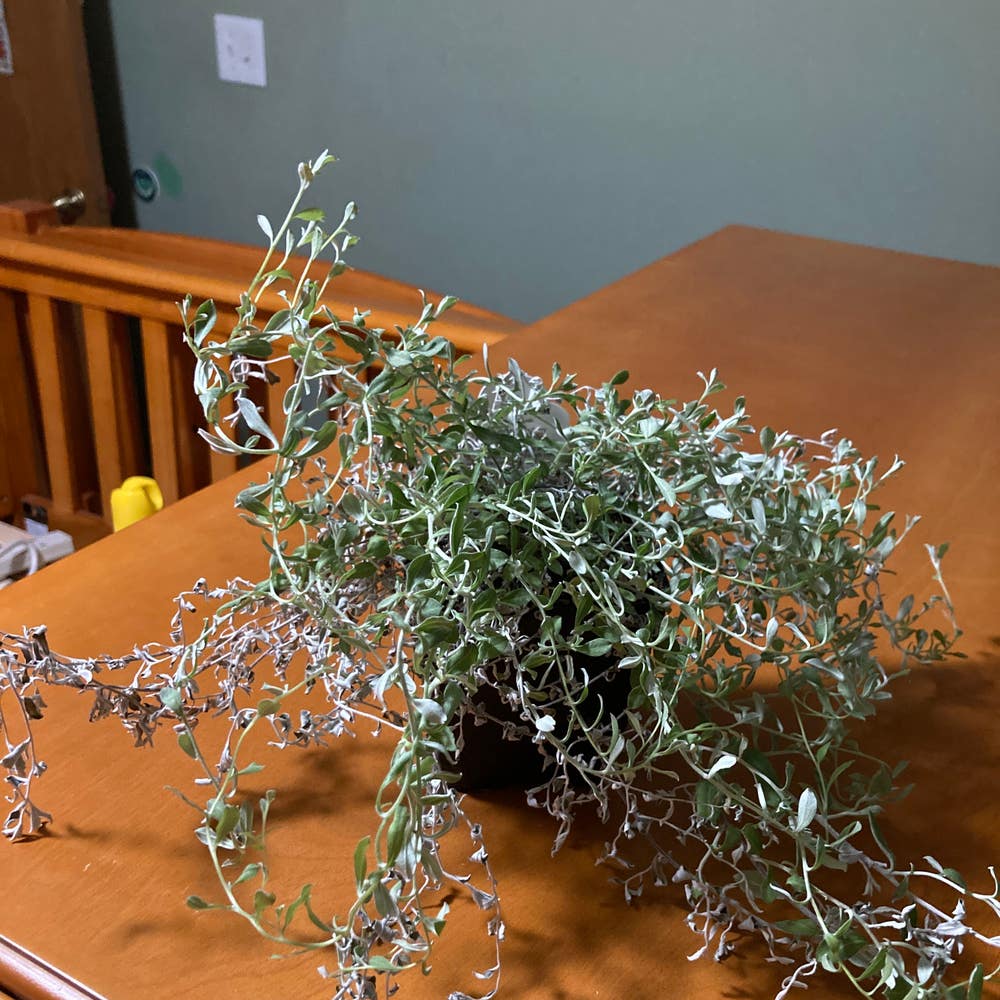
Rice flowers typically reach a height range of 3 to 6 feet (0.9 to 1.8 meters). This growth can vary significantly based on several factors, including soil quality, moisture levels, and sunlight exposure.
Spread 🌼
The average spread of rice flowers is between 2 to 4 feet (0.6 to 1.2 meters). Adequate spacing is crucial for promoting air circulation and healthy growth, preventing overcrowding that can lead to disease.
Environmental conditions can also influence the spread of rice flowers, making it essential to consider local climate and soil characteristics when planning your garden layout.
Growth Rate
Rate of Growth 🌱
Rice flowers exhibit a moderate growth rate, typically reaching about 1 to 2 feet (0.3 to 0.6 meters) per year under optimal conditions. This growth can be influenced by several factors, including soil fertility, watering practices, and climate.
Time to Reach Full Size ⏳
Generally, rice flowers take around 3 to 5 years to reach their full size. However, this timeframe can vary significantly based on environmental conditions, such as temperature and moisture levels.
Understanding these growth dynamics is crucial for gardeners aiming to cultivate rice flowers successfully. By optimizing soil quality and maintaining consistent watering, you can enhance their growth potential.
Next, we will explore how various growing conditions influence the size of rice flowers, ensuring you have all the tools needed for a thriving garden.
Size Variability
🌱 Dwarf Varieties
Dwarf rice flower varieties typically reach heights of 1 to 2 feet (0.3 to 0.6 meters). These compact plants are perfect for smaller gardens or container planting, allowing you to enjoy their beauty without overwhelming your space.
🌳 Giant Varieties
On the other end of the spectrum, giant rice flower varieties can exceed heights of 6 feet (1.8 meters). They serve as stunning focal points in larger landscapes, making a bold statement in any garden design.
📏 Comparison of Size
The size differences between dwarf and giant varieties are significant. Understanding these variations is crucial for effective garden planning and design, ensuring you select the right type for your space and aesthetic goals.
Incorporating both dwarf and giant varieties can create a dynamic garden landscape. This approach allows for visual interest and diversity, catering to different gardening needs and preferences.
Influence of Growing Conditions on Size
🌱 Soil Type
Rice flowers thrive in well-draining sandy or loamy soils. Poor soil quality can stunt growth and lead to smaller dimensions, so choosing the right soil is crucial for optimal development.
☀️ Sunlight Requirements
For the best results, rice flowers need full sun, ideally 6 to 8 hours daily. Insufficient sunlight can hinder their growth rate and overall size, making it essential to plant them in bright, open areas.
💧 Watering Practices
Consistent moisture is vital for rice flowers. Aim to water them weekly during dry periods, ensuring you avoid both overwatering and underwatering to promote healthy growth.
🌤️ Climate Considerations
Rice flowers flourish in mild coastal climates. Extreme temperatures can negatively impact their growth and size variability, so consider your local climate when planning your garden.
Understanding these growing conditions can significantly influence the size and health of your rice flowers, setting the stage for a vibrant garden. Next, we’ll explore effective size control techniques to help you manage their growth.
Size Control Techniques
Controlling the size of rice flowers can enhance your garden's aesthetics and functionality. Here are some effective techniques to manage their growth.
✂️ Pruning Methods
Pruning is a key technique for size control. You can pinch back the tips of the stems or selectively prune older stems to encourage bushier growth.
This method not only helps maintain a desired height but also promotes a fuller appearance. Regular pruning can significantly enhance the overall health of your rice flowers.
⏰ Timing and Techniques for Effective Pruning
Timing is crucial for effective pruning. The best time to prune rice flowers is late winter or early spring, just before new growth begins.
Using sharp pruning shears ensures clean cuts, which helps prevent damage to the plant. This practice minimizes stress and encourages robust growth.
🌱 Other Methods to Control Growth
Container gardening is another effective strategy. By planting rice flowers in containers, you can limit root growth and, consequently, the overall size of the plants.
Additionally, professional growers may use growth regulators. These chemical options can help manage size more precisely, especially in larger operations.
Incorporating these size control techniques will not only enhance your garden's appearance but also ensure your rice flowers thrive in their environment. Next, let’s explore how growing conditions influence the size of these beautiful plants.
⚠️ Safety First
This content is for general information and may contain errors, omissions, or outdated details. It is not medical, veterinary advice, or an endorsement of therapeutic claims.
Always consult a qualified healthcare professional before using any plant as food, medicine, or supplement.
Never eat any plant (or feed one to pets) without confirming its identity with at least two trusted sources.
If you suspect poisoning, call Poison Control (800) 222-1222, the Pet Poison Helpline (800) 213-6680, or your local emergency service immediately.
Spotted an error? Please report it here.
Unlock the full potential of your rice flowers 🌼 with Greg's tailored watering reminders and soil tips to create a vibrant garden that flourishes beautifully!