🌸 Ultimate Guide to Fixing Dropping Leaves on Rice Flower
Helichrysum teretifolium
By the Greg Editorial Team
Nov 07, 2024•6 min read
This article was created with the help of AI so we can cover more plants for you. May contain errors. See one? Report it here.
Transform your Rice Flower's health and stop leaf drop with these vital care tips! 🌿
- 🌡️ Maintain temperatures between 15°C to 25°C to prevent leaf drop in Rice Flowers.
- 💧 Monitor humidity levels; low humidity causes brown tips and crispy edges.
- 🌱 Check for pests and nutrient deficiencies to avoid leaf drop and promote growth.
Causes of Dropping Leaves
🌡️ Environmental Stress Factors
Temperature extremes can severely affect your Rice Flower. The ideal temperature range is between 15°C to 25°C (59°F to 77°F). When temperatures stray too far from this range, you might notice symptoms like leaf curling and discoloration.
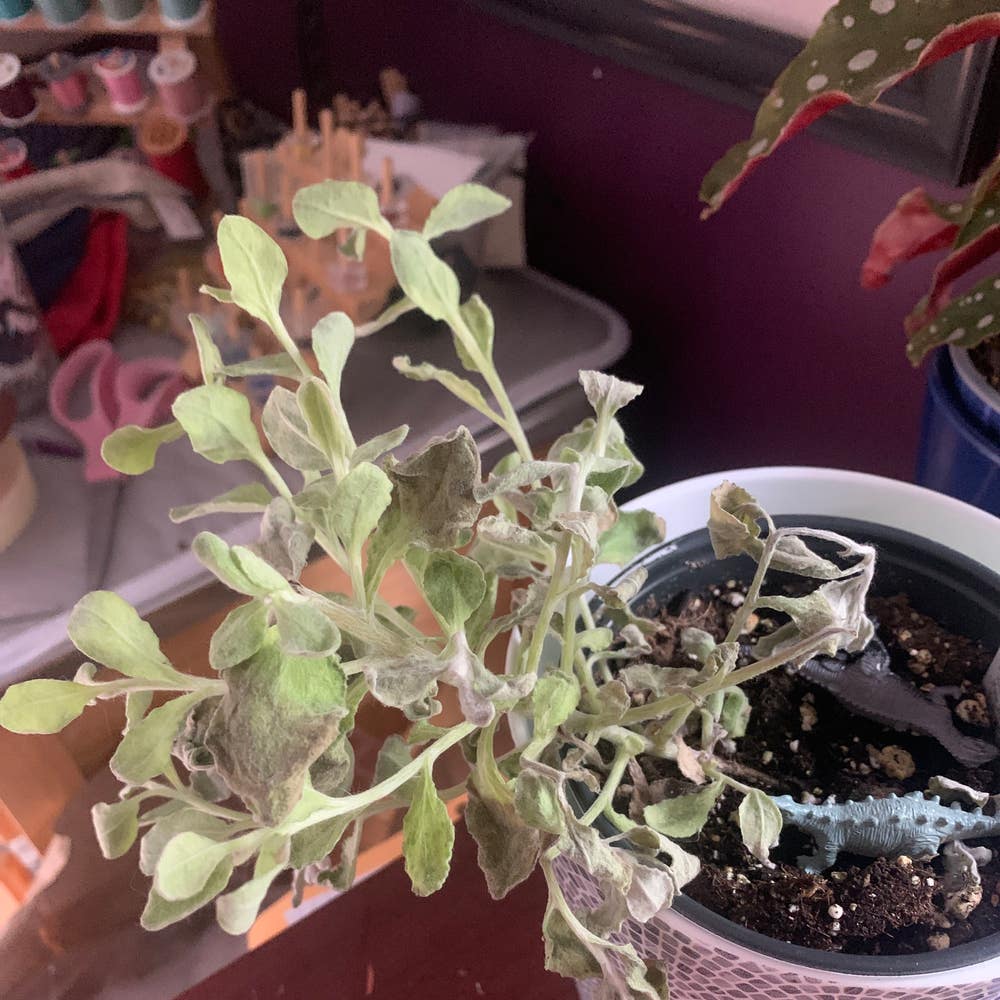
Humidity levels also play a crucial role. Rice Flowers thrive in moderate humidity; too low humidity can lead to leaf drop. Signs of low humidity include brown leaf tips and crispy edges, indicating your plant is struggling.
💧 Soil Moisture Issues
Soil moisture is another critical factor. Overwatering can cause yellowing leaves, mushy stems, and even root rot. Ensuring well-drained soil is essential to prevent waterlogging, which can suffocate your plant's roots.
On the flip side, underwatering can lead to wilting leaves and dry soil. If you notice crispy leaves, it’s a sign of drought stress, and your Rice Flower may be in need of a drink.
🥦 Nutrient Deficiencies
Nutrient deficiencies can also contribute to leaf drop. A nitrogen deficiency often manifests as yellowing of older leaves and stunted growth. Nitrogen is vital for leaf health, so keeping your plant well-fed is crucial.
Potassium deficiency presents differently, showing marginal leaf burn and weak stems. Potassium is essential for overall plant vigor, so make sure your Rice Flower gets enough of this nutrient.
🐜 Pest Infestations
Pests can wreak havoc on your Rice Flower. Aphids are common culprits, leaving a sticky residue and causing curled leaves. Their presence weakens the plant, leading to further leaf drop.
Spider mites are another threat, identifiable by fine webbing and stippled leaves. These pests reduce photosynthesis, which can significantly contribute to leaf drop if not addressed promptly.
🍄 Fungal Diseases
Fungal diseases can also cause leaf drop. Root rot is a serious issue, often showing symptoms like wilting and yellowing leaves, even when you’re watering adequately. To prevent this, ensure your soil drains well and adopt proper watering techniques.
Leaf spot is another fungal concern, characterized by dark spots on leaves and premature leaf drop. Treatment involves removing affected leaves and improving air circulation around your plant to promote health.
Understanding these causes is the first step in addressing the issue of dropping leaves on your Rice Flower. Next, we’ll explore how to diagnose the specific problems affecting your plant.
Diagnosing Leaf Drop
🌿 Identifying Symptoms of Leaf Drop
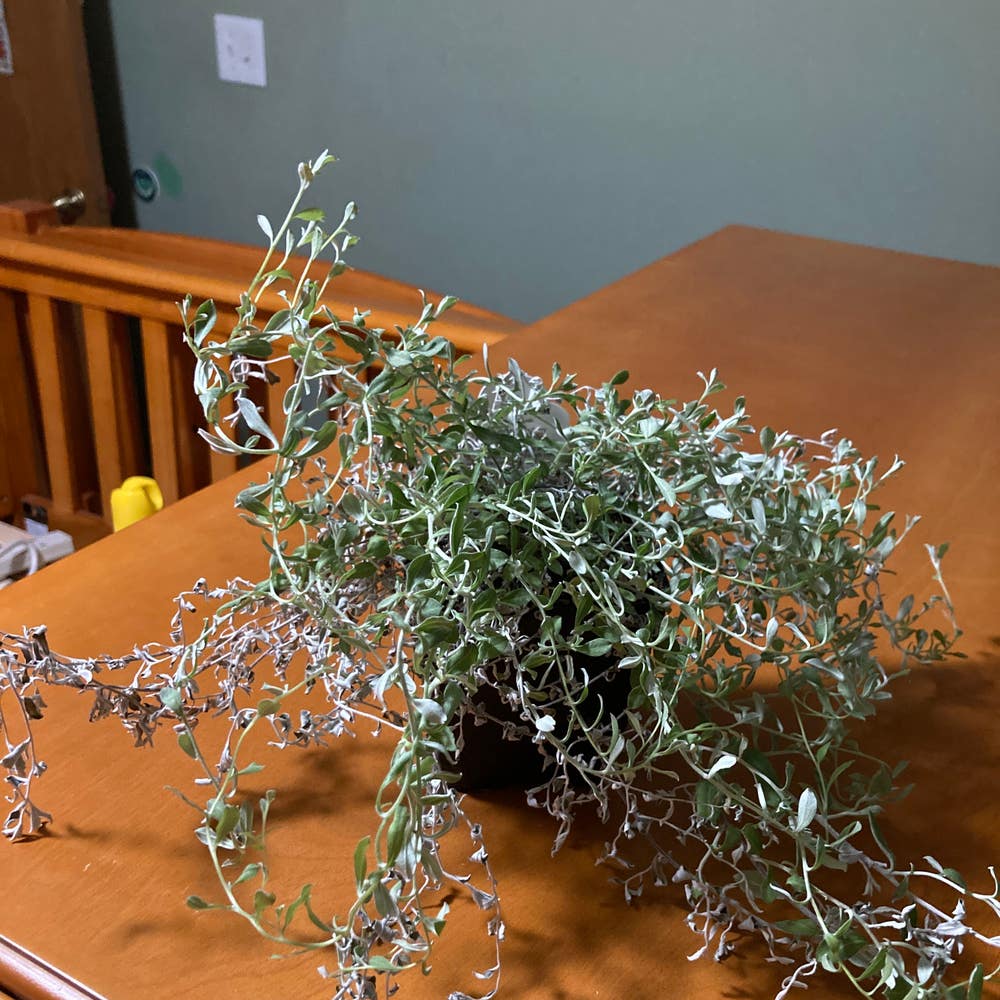
Dropping leaves on your Rice Flower can be alarming. Common signs include yellowing, wilting, and premature leaf fall, which can indicate underlying issues.
To effectively address the problem, it's crucial to differentiate between environmental stressors and biological causes. Understanding these distinctions will guide your next steps.
🌡️ Assessing Environmental Conditions
Start by checking the temperature and humidity levels around your plant. Ideal conditions are vital for healthy growth, so ensure they fall within the recommended ranges.
Next, evaluate the light exposure your Rice Flower receives. If it's not getting enough sunlight, consider adjusting its location to promote better growth.
💧 Checking Soil Moisture Levels
Soil moisture is a key factor in plant health. Use the finger test: insert your finger into the soil; if it feels dry an inch down, it's time to water.
Alternatively, a soil moisture meter can provide accurate readings. This tool helps you avoid both overwatering and underwatering, ensuring your plant thrives.
🐛 Inspecting for Pests and Diseases
Regular visual inspections of leaves and stems are essential. Look for signs of pests, such as sticky residue or webbing, which can indicate an infestation.
Additionally, watch for signs of disease, like discoloration, dark spots, or unusual growth patterns. Early detection is crucial for effective treatment and prevention of further damage.
By systematically diagnosing these factors, you can pinpoint the cause of leaf drop and take appropriate action. This proactive approach will help your Rice Flower flourish, setting the stage for the next steps in care and maintenance.
Solutions for Leaf Drop
🌊 Adjusting Watering Practices
Establishing a consistent watering schedule is crucial for your Rice Flower's health. Water when the top inch of soil feels dry to the touch, ensuring you don’t overwater or underwater your plant.
Deep watering is a technique that encourages robust root growth. This method allows water to penetrate deeper into the soil, promoting a strong and healthy root system.
🌱 Fertilizing for Nutrient Balance
To maintain nutrient balance, consider using balanced NPK fertilizers. Applying these every 4-6 weeks during the growing season will provide essential nutrients for your Rice Flower.
For those who prefer organic options, compost or well-rotted manure can be excellent alternatives. These not only nourish the plant but also improve soil structure.
☀️ Improving Environmental Conditions
Light adjustments can significantly impact your plant's health. If your Rice Flower isn’t thriving, consider moving it to a brighter location to ensure it receives adequate sunlight.
Enhancing humidity is another effective strategy. Using a humidifier or placing pebble trays filled with water near your plant can help create a more favorable environment.
🐛 Treating Pests and Diseases
For pest control, organic methods like neem oil or insecticidal soap can effectively tackle aphids and spider mites. These solutions are gentle on your plant while still being tough on pests.
In cases of severe infestations, systemic insecticides may be necessary. Always follow the manufacturer's instructions to ensure safe application.
Fungal diseases like root rot and leaf spot require specific treatments. Fungicides can be effective in managing these issues, helping your Rice Flower recover and thrive.
By implementing these solutions, you can address the causes of leaf drop and foster a healthier, more vibrant Rice Flower. Next, let’s explore preventative measures to keep your plant thriving year-round.
Preventative Measures
Best Practices for Rice Flower Care 🌱
To keep your Rice Flower thriving, establish a consistent watering and fertilization schedule. Regular attention to these basics ensures your plant receives the nutrients it needs to flourish.
Proper soil drainage and aeration are crucial as well. Well-draining soil prevents waterlogging, which can lead to root rot and other issues.
Seasonal Care Tips to Prevent Leaf Drop 🌸
In spring, it's time to fertilize and inspect for pests. This proactive approach sets the stage for healthy growth as the weather warms.
During summer, keep a close eye on water levels. The heat can quickly dry out the soil, so adjust your watering routine accordingly.
As fall approaches, prepare your Rice Flower for cooler temperatures by reducing watering. This helps the plant acclimate and prevents stress.
Regular Monitoring and Maintenance Routines 🔍
Establish a routine of weekly checks for pests and environmental conditions. Staying vigilant can help you catch potential problems early.
Monthly soil moisture assessments and fertilization will keep your plant in peak condition. This consistent care fosters resilience against leaf drop and other stressors.
By following these preventative measures, you can ensure your Rice Flower remains healthy and vibrant throughout the year. Next, we’ll explore how to diagnose leaf drop effectively, so you can tackle any issues head-on.
⚠️ Safety First
This content is for general information and may contain errors, omissions, or outdated details. It is not medical, veterinary advice, or an endorsement of therapeutic claims.
Always consult a qualified healthcare professional before using any plant as food, medicine, or supplement.
Never eat any plant (or feed one to pets) without confirming its identity with at least two trusted sources.
If you suspect poisoning, call Poison Control (800) 222-1222, the Pet Poison Helpline (800) 213-6680, or your local emergency service immediately.
Spotted an error? Please report it here.
Keep your Rice Flower vibrant and healthy 🌿 by using Greg's personalized reminders for watering and humidity checks to prevent those frustrating leaf drops!