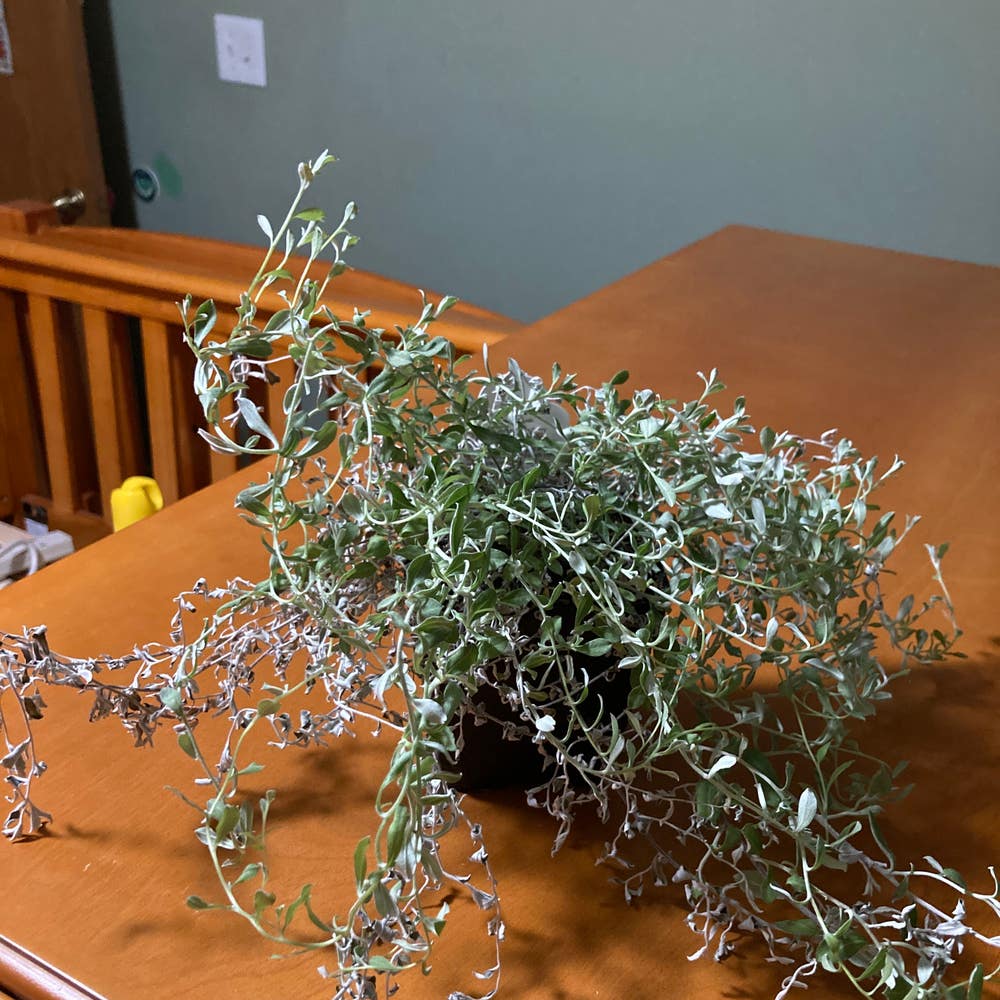
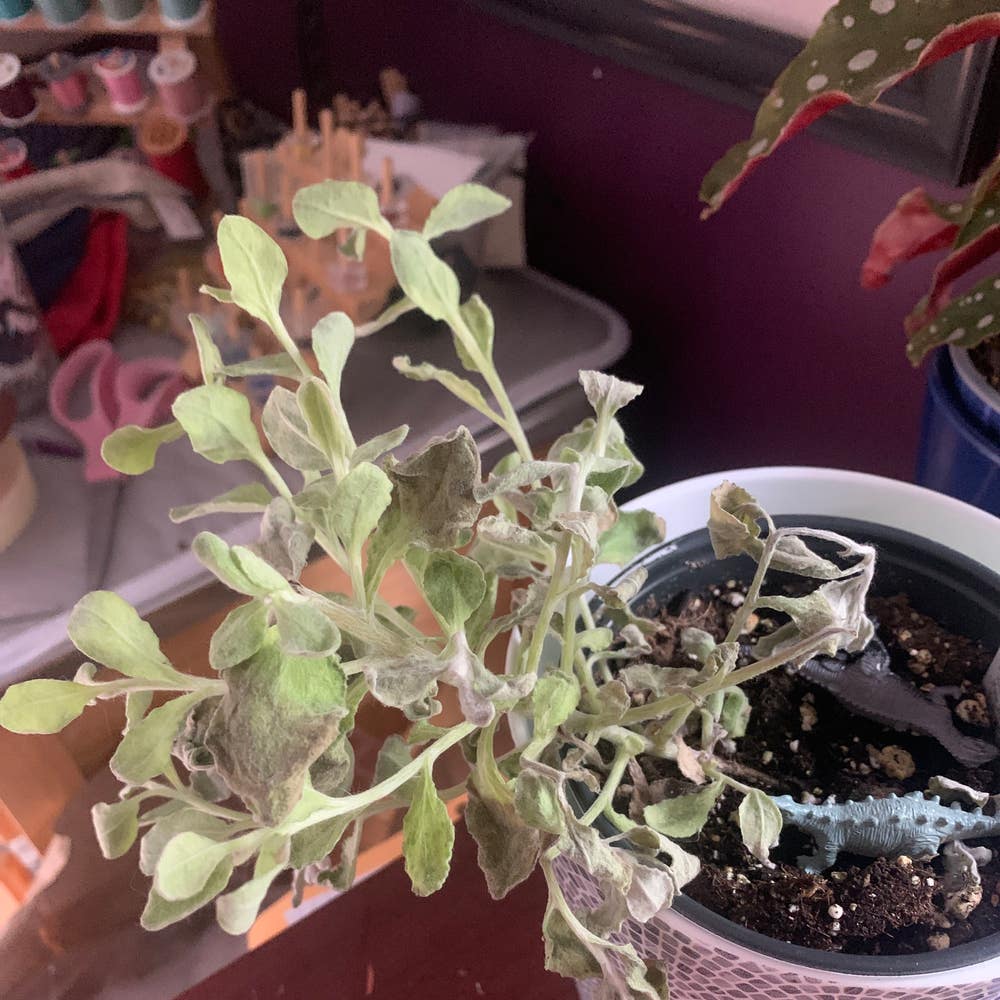
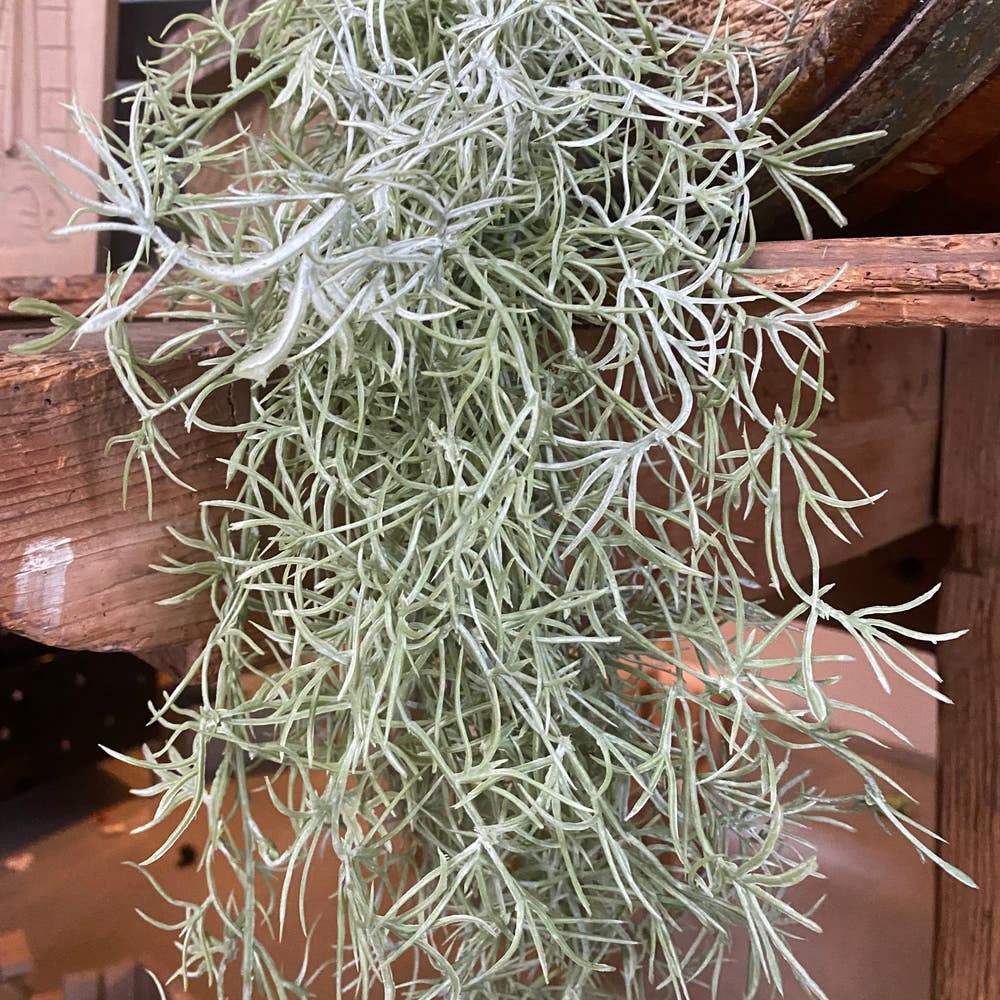
🌸 Ultimate Guide to Fixing Leaves Falling Over on Rice Flower
Helichrysum teretifolium
By the Greg Editorial Team
Nov 07, 2024•4 min read
This article was created with the help of AI so we can cover more plants for you. May contain errors. See one? Report it here.
Revitalize your Rice Flower care 🌼 with expert tips to prevent leaf droop and promote lush, vibrant growth!
- 🌱 Check soil moisture regularly to keep your Rice Flower hydrated and healthy.
- ☀️ Provide 6-8 hours of sunlight daily for optimal growth and vibrant leaves.
- 🐛 Inspect for pests like aphids to prevent damage and maintain foliage health.
Diagnosing the Problem
🌱 Assessing Soil Moisture Levels
To keep your Rice Flower thriving, start by checking the soil moisture. You can use the finger test—simply stick your finger into the soil about an inch deep. If it feels dry, it’s time to water. Alternatively, a moisture meter can provide a more precise reading.
Aim to keep the soil consistently moist but not soggy. Overwatering can lead to root rot, while underwatering can cause stress to the plant.
🥦 Checking for Nutrient Deficiencies
Nutrient deficiencies can manifest in various ways. Look for yellowing leaves or stunted growth, which are common signs that your plant isn’t getting what it needs.
Focus on key nutrients: nitrogen, phosphorus, and potassium. These elements are crucial for healthy growth and vibrant foliage.
☀️ Evaluating Light Exposure and Temperature Conditions
Rice Flowers thrive in full sun, requiring 6 to 8 hours of direct sunlight daily. Insufficient light can lead to weak, drooping leaves.
Temperature also plays a vital role. The optimal range for growth is between 20°C to 30°C (68°F to 86°F). Extreme temperatures can stress the plant and contribute to leaf droop.
🐛 Identifying Pest Infestations
Pests can wreak havoc on your Rice Flower. Common culprits include aphids and spider mites, which can cause significant damage if left unchecked.
Watch for signs of infestation, such as sticky residue, webbing, or discolored leaves. Regular inspections, especially on the undersides of leaves and stems, can help catch these pests early.
By diagnosing these issues, you can take proactive steps to ensure your Rice Flower remains healthy and vibrant. Next, let’s explore effective solutions for leaf droop.
Solutions for Leaf Droop
🌊 Adjusting Watering Practices
To tackle leaf droop, start by determining your current watering schedule. Assess how often and how much water you give your Rice Flower.
Next, adjust your watering based on soil moisture readings. If the soil feels too dry or too wet, increase or decrease your watering accordingly.
For best results, employ deep watering techniques. This method encourages robust root growth, helping your plant thrive.
🌱 Fertilizing for Optimal Growth
Choosing the right fertilizer is crucial for healthy growth. Opt for balanced NPK fertilizers that provide essential nutrients.
Stick to a fertilization schedule of every 4-6 weeks during the growing season. Watch for signs of over-fertilization, such as leaf burn or excessive growth, which can indicate too much of a good thing.
☀️ Modifying Light Conditions
Assess your Rice Flower's current light exposure. If it’s not getting enough sunlight, consider moving it to a sunnier location.
During intense heat waves, using shade cloth can protect your plant from harsh afternoon sun. This simple adjustment can make a significant difference in its health.
✂️ Pruning Techniques to Promote Healthy Growth
Identify areas that need pruning by looking for dead or damaged leaves. Removing these can help redirect energy to healthier parts of the plant.
The best time to prune is early spring, just before new growth begins. Ensure you have clean, sharp pruning shears on hand to make precise cuts.
By implementing these solutions, you can effectively address leaf droop in your Rice Flower. Next, let’s explore preventative measures to keep your plant healthy year-round.
Preventative Measures
Best Practices for Rice Flower Care 🌱
Maintaining a regular watering schedule is crucial for Rice Flower health. Aim for consistent moisture management to keep your plants thriving.
Fertilization is equally important. Adhere to a routine that meets the nutrient needs of your plants, ensuring they receive the right balance of nutrients.
Don't forget to check your soil regularly. Ensuring well-drained conditions can prevent root rot and other moisture-related issues.
Seasonal Care Tips to Prevent Leaf Droop 🌼
Spring is the perfect time for preparation. Fertilize and prune your Rice Flowers before the growth season kicks in to promote robust development.
During summer, keep a close eye on water needs. Hot weather can quickly dry out the soil, so adjust your watering accordingly.
As fall approaches, reduce watering as temperatures drop. This helps your plants transition smoothly into the cooler months.
Regular Monitoring for Pests and Diseases 🐛
Make it a habit to inspect your plants weekly. Early detection of pests can save your Rice Flowers from serious damage.
Consider using preventative treatments like neem oil or insecticidal soap. These can help keep pests at bay and maintain the health of your plants.
By following these preventative measures, you can ensure your Rice Flowers remain vibrant and healthy, setting the stage for successful growth. Next, let’s explore solutions for leaf droop to further enhance your plant care strategy.
⚠️ Safety First
This content is for general information and may contain errors, omissions, or outdated details. It is not medical, veterinary advice, or an endorsement of therapeutic claims.
Always consult a qualified healthcare professional before using any plant as food, medicine, or supplement.
Never eat any plant (or feed one to pets) without confirming its identity with at least two trusted sources.
If you suspect poisoning, call Poison Control (800) 222-1222, the Pet Poison Helpline (800) 213-6680, or your local emergency service immediately.
Spotted an error? Please report it here.
Keep your Rice Flower vibrant 🌼 by using Greg's personalized care reminders to monitor soil moisture and sunlight, ensuring it thrives all year round!