🐞 What's Eating Your Queen Victoria Agave
Agave victoriae-reginae
By the Greg Editorial Team
Sep 30, 2024•6 min read
This article was created with the help of AI so we can cover more plants for you. May contain errors. See one? Report it here.
- 🦌 Deer, rabbits, and squirrels are the main threats to Queen Victoria Agave.
- 🔍 Signs of damage include bite marks, hoof prints, and burrows. Monitor regularly!
- 🌼 Pollinators like bees help your agave thrive; maintain a diverse garden ecosystem.
Common Herbivores Affecting Queen Victoria Agave
🦌 Deer
Signs of presence and damage caused
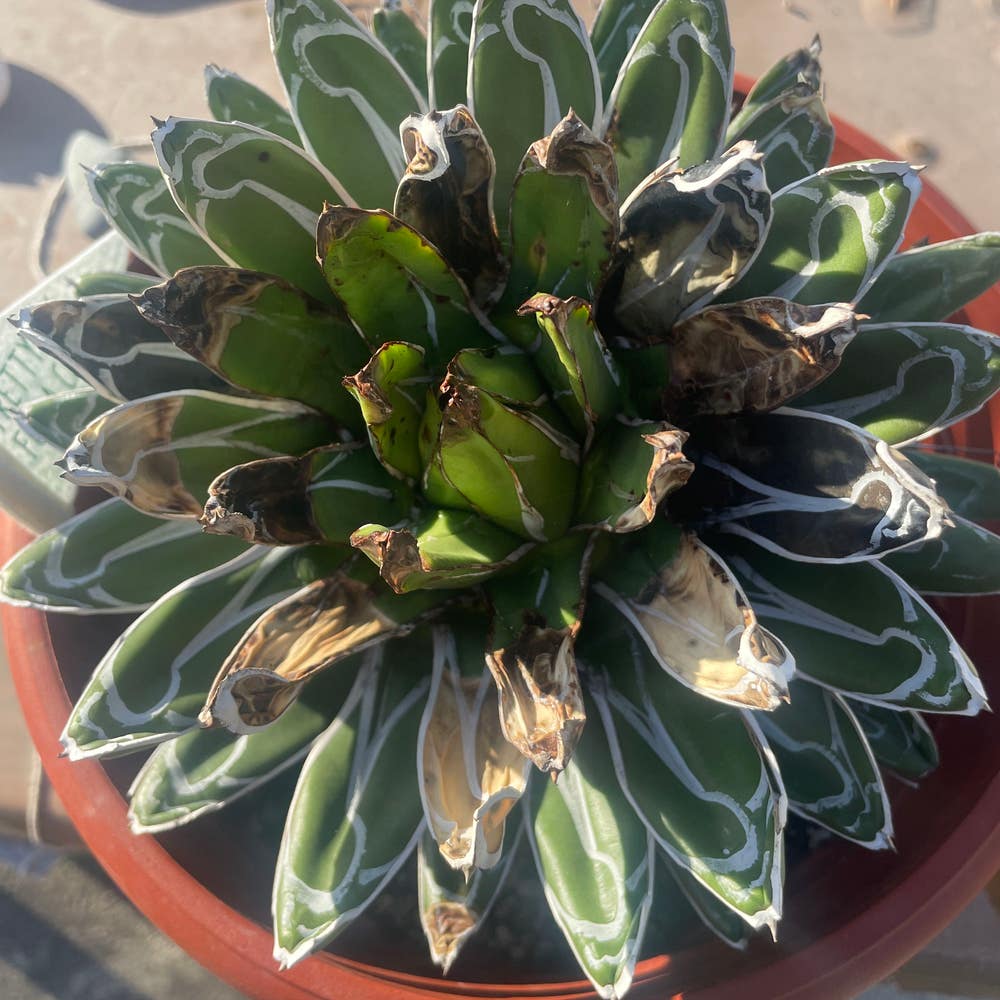
Look for hoof prints in the soil, which indicate deer have visited your garden. You may also notice leaves stripped from the lower parts of the plant, a clear sign of their browsing habits.
Beneficial vs. harmful interaction
Deer interactions are generally harmful. They can decimate young plants and significantly hinder their growth.
Deterrent methods
To keep deer at bay, consider using commercial deer repellents. Alternatively, planting deer-resistant plants nearby or using human hair and soap shavings can also deter them.
🐇 Rabbits
Signs of presence and damage caused
Rabbits leave behind clean cuts on leaves and stems, showcasing their chewing habits. Additionally, small, round pellets near the plant signal their presence.
Beneficial vs. harmful interaction
Rabbits are generally harmful to Queen Victoria Agave. They can severely damage young shoots, impacting the plant's health.
Deterrent methods
Bitter-tasting sprays can act as effective chemical deterrents against rabbits. For an organic approach, erecting a fence at least 2 feet high or using cayenne pepper as a repellent can help.
🐿️ Squirrels
Signs of presence and damage caused
Squirrels create irregular bite marks on leaves and stems. You might also find twigs and leaves taken from the plant, indicating nesting behavior.
Beneficial vs. harmful interaction
Squirrels are generally harmful as they can weaken the plant and cause stress. Their activities can lead to long-term damage.
Deterrent methods
Commercial squirrel repellents can be effective in keeping these critters away. Scare tactics, such as reflective tape or noise makers, can also help deter them.
🦡 Groundhogs/Woodchucks
Signs of presence and damage caused
Look for burrows near the base of the plant, which indicate groundhog activity. Large sections of leaves missing are another clear sign of grazing.
Beneficial vs. harmful interaction
Groundhogs are generally harmful and can cause significant damage to your agave. Their feeding habits can lead to severe plant stress.
Deterrent methods
For groundhogs, consider using commercial repellents specifically designed for them. Organic methods include erecting a fence at least 3 feet high and planting deterrent plants like marigolds.
🐭 Rodents (mice, voles, etc.)
Signs of presence and damage caused
Rodents often leave small holes in the soil around the plant, indicating tunneling activity. Chewed roots and stems are signs of gnawing at the base.
Beneficial vs. harmful interaction
Rodents are generally harmful, as they can lead to root damage and even plant death. Their presence can be detrimental to your agave's health.
Deterrent methods
Rodent bait stations can serve as effective chemical deterrents. For an organic solution, traps and planting mint or other deterrent herbs nearby can help keep them away.
🐦 Birds
Signs of presence and damage caused
Look for small holes in leaves or flowers, which indicate peck marks from birds. You may also find twigs and debris around the base of the plant from nesting activities.
Beneficial vs. harmful interaction
Bird interactions are mixed. While some birds help control insect populations, others can cause damage to the plant.
Deterrent methods
Bird netting can act as a chemical deterrent to protect your agave. Alternatively, scare devices like reflective objects or wind chimes can help keep them at bay.
Understanding these common herbivores and their interactions with Queen Victoria Agave is crucial for maintaining a healthy garden. Next, we’ll explore the beneficial animals that can enhance your garden ecosystem.
Beneficial Animals and Ecosystem Roles
🐝 Pollinators: The Unsung Heroes
Queen Victoria Agave isn't just a feast for herbivores; it also attracts vital pollinators like bees and butterflies. These creatures play a crucial role in the flowering process, ensuring that your agave thrives and produces vibrant blooms.
🐞 Predatory Insects: Nature's Pest Control
In addition to pollinators, beneficial predatory insects such as ladybugs and lacewings are drawn to the agave. These insects help keep pest populations in check, reducing the need for chemical interventions in your garden.
🌱 Positive Impacts on the Garden Ecosystem
Enhanced Pollination
The presence of pollinators leads to enhanced flowering and fruiting. This not only beautifies your garden but also contributes to a more robust ecosystem.
Natural Pest Control
With predatory insects around, you'll notice fewer pests munching on your plants. This natural form of pest control fosters a healthier garden environment, allowing your Queen Victoria Agave to flourish without the over-reliance on chemicals.
Understanding the roles of these beneficial animals can transform your gardening approach. By fostering a welcoming environment for them, you can create a thriving ecosystem that supports both your plants and local wildlife.
Next, let’s explore general strategies for protecting your Queen Victoria Agave from potential threats.
General Strategies for Protection
🛡️ Preventive Measures for Protecting Queen Victoria Agave
Regular monitoring is essential for safeguarding your Queen Victoria Agave. Keep an eye out for any signs of animal damage, as early detection can make a significant difference.
Creating a diverse garden ecosystem can also be beneficial. By attracting beneficial insects, you can enhance the natural defenses of your plants.
⚠️ Reactive Solutions for Managing Animal Interactions
If you notice damage, act quickly. Immediate removal of affected parts can prevent further attraction of herbivores.
Using barriers and repellents is another effective strategy. These can deter animals from returning and help maintain the health of your agave.
🌱 Balancing Plant Protection with Ecosystem Health
Understanding the role of herbivores in the ecosystem is crucial. While they can be harmful, they also play a part in maintaining balance.
Implementing integrated pest management strategies can help you protect your plants while promoting a healthy garden environment. This approach allows for coexistence, benefiting both your agave and the surrounding ecosystem.
By adopting these strategies, you can ensure your Queen Victoria Agave thrives while supporting the broader garden community. Next, let’s explore the seasonal considerations and toxicity related to these plants.
Seasonal Considerations and Toxicity
Seasonal Variations in Animal Attraction 🐾
Animal interactions with Queen Victoria Agave fluctuate with the seasons. In spring and early summer, herbivores are particularly active, drawn to the tender young shoots that are easy to munch on.
As fall approaches, feeding behavior shifts. Animals begin to prepare for winter, often seeking out more substantial food sources, which can lead to decreased activity around your agave.
Toxic Effects of Queen Victoria Agave ⚠️
Interestingly, Queen Victoria Agave contains sap that can act as a deterrent for some herbivores. This sap may irritate their mouths or digestive systems, making them think twice before indulging.
While this toxicity can protect your plant, it’s not a foolproof solution. Some animals may still brave the discomfort for a taste of those succulent leaves.
Implications for Animal Interactions and Garden Management 🌱
Understanding the seasonal patterns of animal attraction is crucial for effective garden management. By recognizing which animals are likely to visit during specific times, you can adjust your protective strategies accordingly.
For instance, proactive measures in spring can help safeguard your agave from hungry herbivores. Meanwhile, being aware of the potential irritants in the sap can inform your approach to managing animal interactions, ensuring a balanced ecosystem in your garden.
With these insights, you can cultivate a thriving environment for your Queen Victoria Agave while minimizing unwanted damage.
⚠️ Safety First
This content is for general information and may contain errors, omissions, or outdated details. It is not medical, veterinary advice, or an endorsement of therapeutic claims.
Always consult a qualified healthcare professional before using any plant as food, medicine, or supplement.
Never eat any plant (or feed one to pets) without confirming its identity with at least two trusted sources.
If you suspect poisoning, call Poison Control (800) 222-1222, the Pet Poison Helpline (800) 213-6680, or your local emergency service immediately.
Spotted an error? Please report it here.
Safeguard your Queen Victoria Agave from herbivores with Greg's tailored care tips 🌿, ensuring your plant thrives while you enjoy a flourishing garden ecosystem!