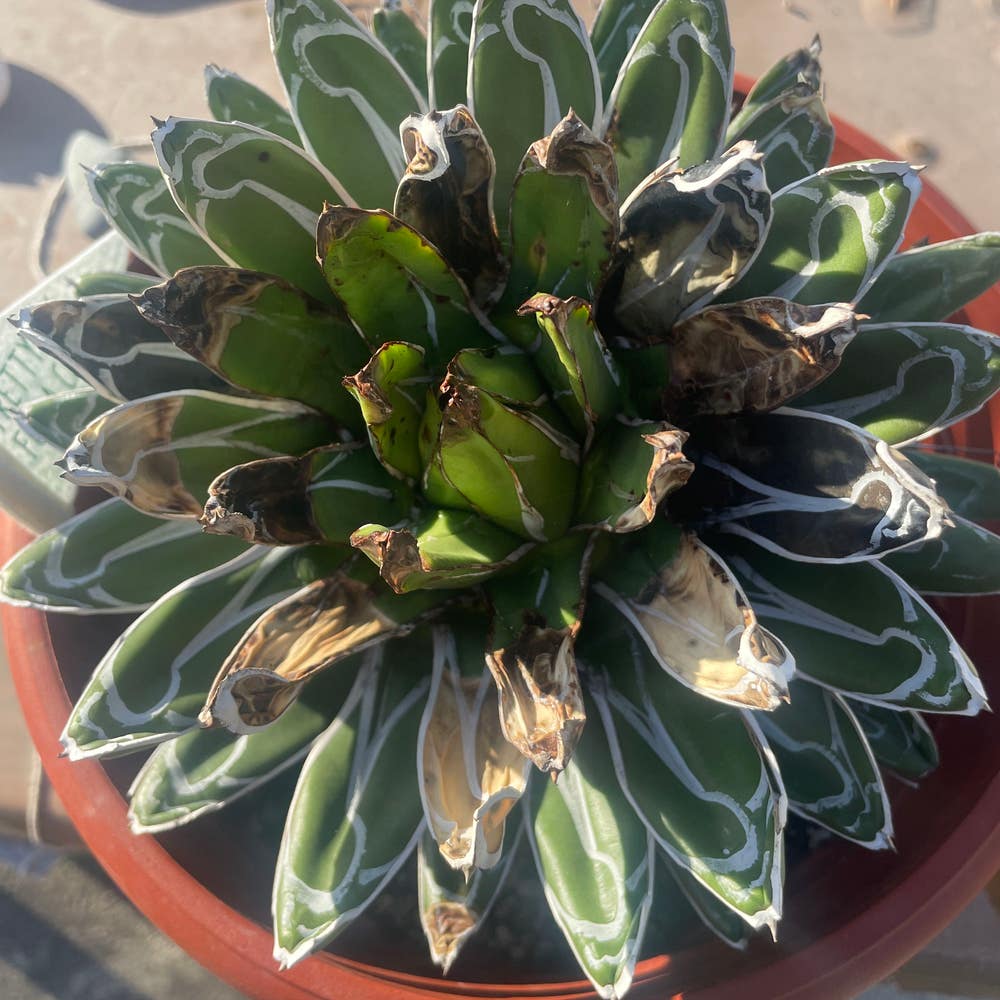
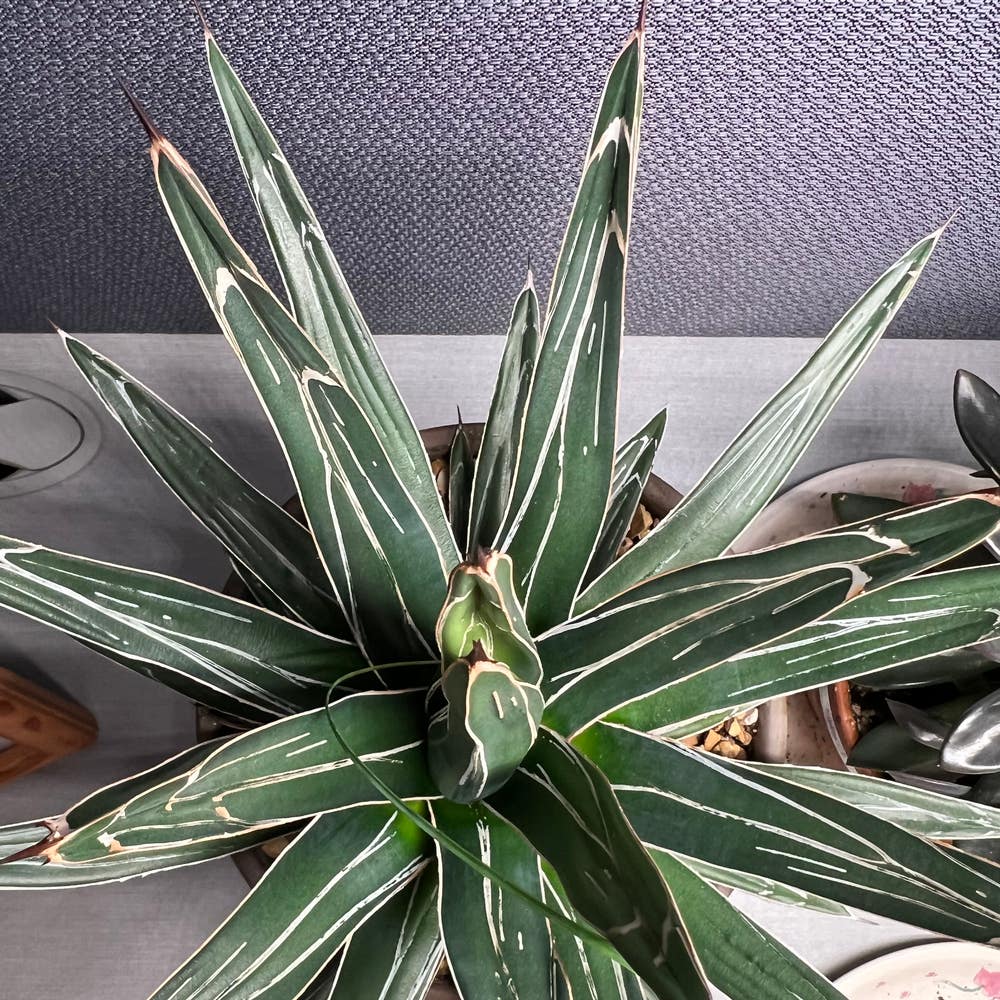
What Are The Bugs on My Queen Victoria Agave? 🐛
Agave victoriae-reginae
By the Greg Editorial Team
Jun 18, 2024•3 min read
This article was created with the help of AI so we can cover more plants for you. May contain errors. See one? Report it here.
- Combat spider mites with insecticidal soap or neem oil; mist to deter them.
- Remove scale with alcohol or oil; inspect regularly to prevent return.
- Dry soil and sticky traps control gnats and flies; cleanliness deters pests.
Meet the Unwanted Guests: Common Pests on Queen Victoria Agave
🕷️ Spider Mites: The Sneaky Sap-Suckers
Webbing on leaves and stippled foliage are the hallmarks of a spider mite invasion. To combat these pests, a thorough spray-down with insecticidal soap or neem oil is often effective. Regularly misting your Agave can deter future mite meetups, as these critters despise humidity.
🛡️ Scale: The Sticky Freeloaders
Scale insects are masters of disguise, often resembling tiny bumps on your plant. To evict these freeloaders, dab them with rubbing alcohol or apply horticultural oil. Keep your Agave in top shape with routine inspections to prevent scale from settling in again.
🦟 Fungus Gnats and Fruit Flies: The Soil Snoopers
If you spot tiny insects flitting above the soil, you've got fungus gnats or fruit flies. Overwatering is usually the culprit, so let the soil dry out between waterings. Sticky traps and soil drenches can help control the adult population, while drying out the soil tackles the larvae.
🐛 Mealybugs: The Fluffy Fiends
A mealybug infestation is like a bad cotton candy machine explosion—white, fluffy, and everywhere. To clean up the mess, apply isopropyl alcohol directly to the pests using a cotton swab. Preventative measures include isolating new plants and keeping a keen eye on those cozy nooks and crannies.
🐜 Other Pests to Watch Out For
Aphids, thrips, and whiteflies might not be your main Agave agitators, but they're still worth a mention. Each requires a specific strategy, from sticky traps for whiteflies to a strong blast of water for aphids. Thrips demand a more aggressive approach, often requiring systemic insecticides.
Remember, the best offense against these pests is a good defense—regular care and vigilance are your best allies in keeping your Queen Victoria Agave pest-free.

Proactive Pest Prevention: A Queen Victoria Agave Shield
Vigilance is key when it comes to keeping your Queen Victoria Agave pest-free. Let's dive into the proactive measures that can serve as your plant's armor against the tiny invaders.
🛡️ The Best Defense is a Good Offense
Regularly inspect your Agave, especially after introducing new plants to your space. Isolating newcomers for a couple of weeks can prevent pest transfer. It's like a bouncer checking IDs before letting anyone into the club.
🧼 The Clean Regime
Hygiene is your Agave's best friend. Wipe down leaves with a soft cloth to remove dust—a favorite hiding spot for pests. Ensure pots have adequate drainage to discourage soggy, bug-attracting soil. Overwatering is a no-go; think of it as creating a swamp where pests throw their rave parties.
🕵️ The Inspection Ritual
During check-ups, look for the slightest signs of trouble—discoloration, sticky residues, or webbing. Early detection can mean the difference between a quick fix and a full-blown infestation. Remember, pests are like squatters; the longer they stay, the harder they are to evict.
Rotate your Agave occasionally to get a 360-degree view of its health. It's not just about aesthetics; it's about not letting pests get too cozy in any one spot. Keep the area around your plant clear of debris and fallen leaves—pests love clutter.
📚 Stay Informed
Keep abreast of your Agave's specific needs and potential threats. Knowledge is power, and in this case, it's the power to keep your spiky companion thriving without the company of freeloaders.


⚠️ Safety First
This content is for general information and may contain errors, omissions, or outdated details. It is not medical, veterinary advice, or an endorsement of therapeutic claims.
Always consult a qualified healthcare professional before using any plant as food, medicine, or supplement.
Never eat any plant (or feed one to pets) without confirming its identity with at least two trusted sources.
If you suspect poisoning, call Poison Control (800) 222-1222, the Pet Poison Helpline (800) 213-6680, or your local emergency service immediately.
Spotted an error? Please report it here.
Banish pests from your Queen Victoria Agave with vigilant care 🛡️ - let Greg remind you when to inspect, clean, and treat your plant to keep it thriving.