👑 Queen Victoria Agave Is Not an Annual
Agave victoriae-reginae
By the Greg Editorial Team
Sep 30, 2024•4 min read
This article was created with the help of AI so we can cover more plants for you. May contain errors. See one? Report it here.
- 🌵 Queen Victoria Agave is a perennial, thriving for over 30 years in arid climates.
- 💧 Drought-resistant adaptations make it ideal for low-water gardens and sustainable landscaping.
- 🌞 Full sun and well-drained soil are crucial for optimal growth and longevity.
Queen Victoria Agave as a Perennial
🌱 Genetic Characteristics
The Queen Victoria Agave, scientifically known as Agave victoria-reginae, showcases remarkable genetic adaptations. These traits enable it to thrive in arid environments, ensuring its survival even in challenging conditions.
Its resilience is noteworthy; this plant can endure prolonged droughts, making it an excellent choice for low-water gardens.
🌿 Physiological Traits Supporting Perennial Classification
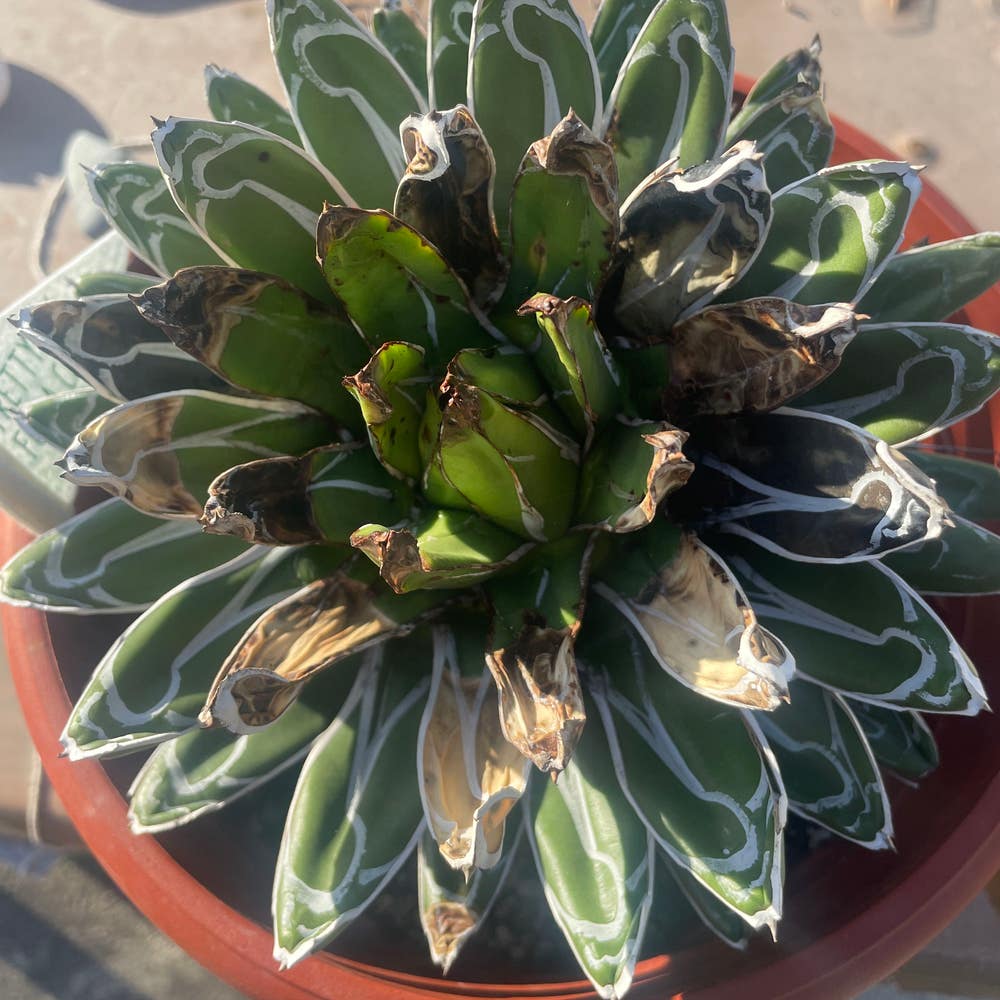
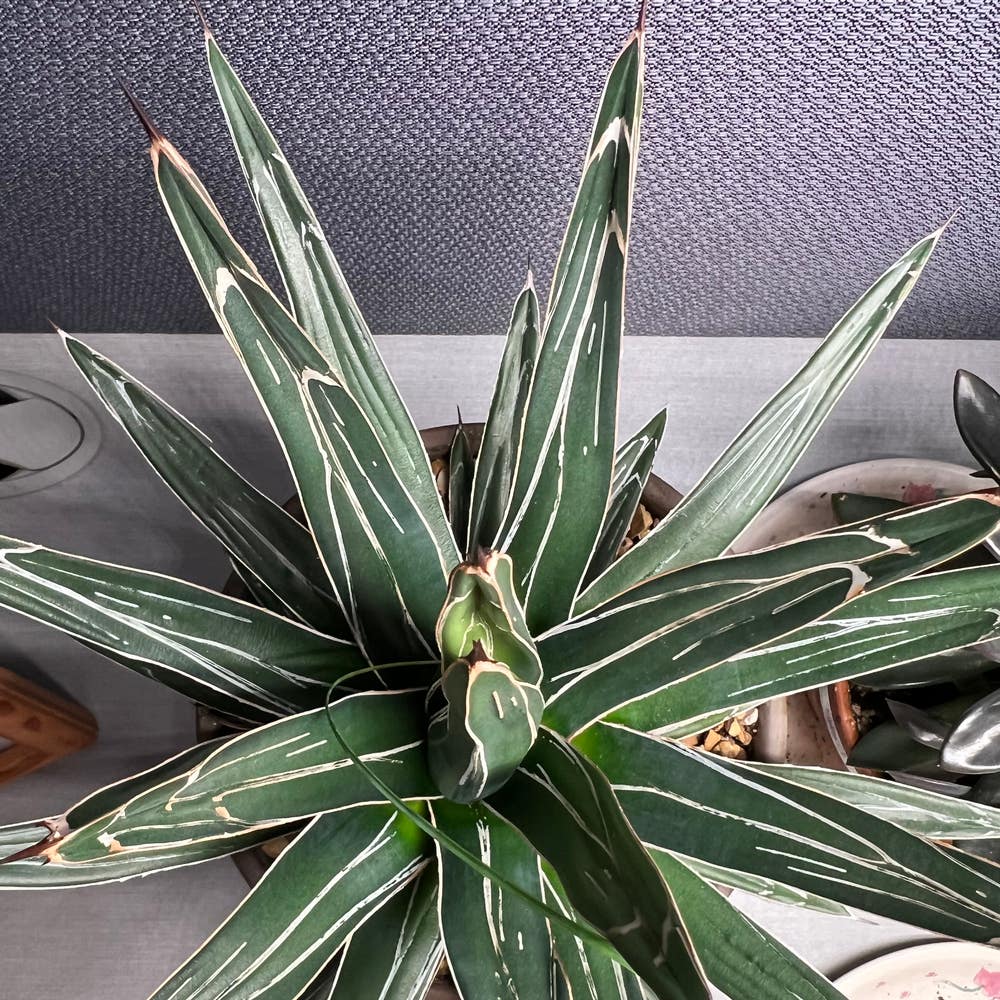
One of the most distinctive features of the Queen Victoria Agave is its rosette shape. This structure is not just for aesthetics; it plays a crucial role in water retention.
The thick, fleshy leaves adorned with white markings serve dual purposes: they protect the plant and help conserve moisture. Additionally, its slow growth rate allows for efficient energy allocation and resource management.
⏳ Long-Term Lifecycle and Growth Patterns
The lifespan of the Queen Victoria Agave can exceed 30 years, underscoring its perennial classification.
Initially, it exhibits slow growth, but this is followed by periods of rapid development, particularly as it matures. After several years, it produces a tall flower spike that can reach up to 6 feet, adding to its dramatic presence in any garden.
📊 Lifecycle Comparison with True Annuals
When comparing lifecycles, the Queen Victoria Agave stands out with its multi-year lifespan. In contrast, true annuals complete their lifecycle in a single season.
This difference highlights the unique growth stages of the Queen Victoria Agave, which include both slow and rapid phases, unlike the quick turnover of annuals.
❓ Misconceptions and Exceptions
Despite its perennial nature, there are conditions where the Queen Victoria Agave might be mistaken for an annual. Environmental stress or mismanagement can lead to premature decline.
Regional variations also play a role in its classification. Factors like climate and local gardening practices can significantly impact how this plant is perceived and cared for.
Understanding these nuances is essential for gardeners looking to incorporate this stunning agave into their landscapes.
Garden Design Implications
🌵 Advantages of Using Queen Victoria Agave
Planting Queen Victoria Agave is a smart long-term investment. This perennial not only thrives in arid conditions but also offers cost-effectiveness over time.
Its unique rosette shape and striking appearance make it a standout feature in any garden. The bold, architectural form adds visual interest, creating a focal point that draws the eye.
🏡 Strategies for Incorporating into Garden Design
When incorporating Queen Victoria Agave into your garden, consider companion planting. Pairing it with drought-tolerant plants like lavender or succulents enhances both visual appeal and ecological balance.
Design considerations are crucial for optimal growth. Ensure the agave is placed in full sun and well-drained soil to maximize its health and longevity. This setup allows the plant to flourish while minimizing the risk of rot.
By thoughtfully integrating Queen Victoria Agave into your garden, you can create a stunning landscape that thrives with minimal maintenance. This approach not only beautifies your space but also aligns with sustainable gardening practices.
As you plan your garden, keep in mind the next steps for maximizing the longevity of your plants.
Maximizing Longevity
Tips for Managing as a Perennial 🌱
Watering Practices
Queen Victoria Agave thrives in well-drained soil, making proper watering essential. This plant is drought-tolerant, so it's better to underwater than overwater.
Fertilization
This agave has minimal nutrient requirements. A light application of fertilizer in the spring can boost growth, but avoid over-fertilizing to prevent damage.
Best Practices for Ensuring Long-Term Health 🌿
Pest Management
Common pests like mealybugs and aphids can affect Queen Victoria Agave. Regular inspections and using insecticidal soap can help keep these pests at bay.
Seasonal Care
Adjust your care practices based on the seasons. In winter, reduce watering and protect the plant from frost, while in summer, ensure it gets plenty of sunlight and warmth.
By following these tips and best practices, you can ensure that your Queen Victoria Agave remains healthy and vibrant for years to come. This perennial beauty not only enhances your garden but also offers a long-term investment in your landscape design.
Next, let's explore the advantages of incorporating Queen Victoria Agave into your garden design.
⚠️ Safety First
This content is for general information and may contain errors, omissions, or outdated details. It is not medical, veterinary advice, or an endorsement of therapeutic claims.
Always consult a qualified healthcare professional before using any plant as food, medicine, or supplement.
Never eat any plant (or feed one to pets) without confirming its identity with at least two trusted sources.
If you suspect poisoning, call Poison Control (800) 222-1222, the Pet Poison Helpline (800) 213-6680, or your local emergency service immediately.
Spotted an error? Please report it here.
Transform your garden with the stunning Queen Victoria Agave 🌵—let Greg guide you with tailored watering reminders and expert care tips to help this resilient perennial thrive for years to come!