👑 7 Quick Fixes for Queen Victoria Agave Bloom Problems
Agave victoriae-reginae
By the Greg Editorial Team
Sep 30, 2024•4 min read
This article was created with the help of AI so we can cover more plants for you. May contain errors. See one? Report it here.
- 🌱 Queen Victoria Agave blooms after 5-10 years; patience is key!
- ☀️ Full sun for 6-8 hours daily promotes healthy growth and flowering.
- 🌿 Nutrient-rich, well-draining soil is vital for blooming potential and overall health.
Common Causes of Failure to Bloom
🌸 Identifying Failure to Bloom
If your Queen Victoria Agave isn't blooming, look for signs like a lack of flower spike development or a prolonged vegetative state. These indicators suggest your plant may be struggling to reach its blooming potential.
🧐 Potential Causes
One primary reason for failure to bloom is the age of the plant. Typically, Queen Victoria Agave blooms once it reaches maturity, which can take anywhere from 5 to 10 years.
Environmental stress also plays a significant role. Overwatering, poor drainage, or extreme temperatures can hinder blooming. Additionally, insufficient light conditions can lead to weak growth, further delaying the flowering process.
🌱 Solutions for Encouraging Blooming
To encourage blooming, ensure your plant is of optimal age. Patience and proper care are essential until it matures.
Adjusting your watering practices is crucial. Allow the soil to dry out between waterings to prevent overwatering issues.
Lastly, provide adequate light. Aim for full sun exposure, ideally 6 to 8 hours daily, to promote healthy growth and flowering.
By addressing these common causes, you can set your Queen Victoria Agave on the path to a stunning bloom. Next, let’s explore premature flower drop and how to tackle it effectively.
Premature Flower Drop
🌼 Identifying Signs of Premature Flower Drop
Premature flower drop can be disheartening. Look for signs like buds falling off before they bloom or flowers wilting unexpectedly.
🚨 Potential Causes
Environmental stress is a major culprit. Sudden temperature changes or drought conditions can shock your plant, leading to flower drop.
Nutritional deficiencies also play a role. A lack of essential nutrients can weaken flower health, making them more prone to dropping.
🛠️ Remedies
To combat these issues, stabilize environmental conditions. Gradually acclimatize your plant to temperature changes to minimize stress.
Nutrient supplementation is equally important. Use a balanced fertilizer during the growing season to ensure your Queen Victoria Agave has the nutrients it needs to thrive.
By addressing these factors, you can help your plant maintain its blooms and enjoy a vibrant display. Next, let’s explore how abnormal flower development can affect your agave.
Abnormal Flower Development
🌼 Identifying Abnormal Flower Characteristics
Abnormal flower development in Queen Victoria Agave can be alarming. Look for signs like deformed flowers or stunted growth of flower spikes, which indicate something is off.
🔍 Factors Leading to Abnormal Development
Several factors can contribute to these issues. Genetic variability often plays a role, as some plants may naturally exhibit different blooming characteristics.
Environmental stress is another culprit. Poor soil conditions or pest infestations can significantly impact flower health and development.
🛠️ Solutions
To combat these problems, regular monitoring of plant health is essential. Conduct inspections for pests and diseases to catch issues early.
Improving soil quality is also crucial. Use well-draining, nutrient-rich soil to provide the best environment for your agave to thrive.
By addressing these factors, you can encourage healthier blooms and a more vibrant plant. Next, let’s explore how light conditions can further influence flowering in your Queen Victoria Agave.
Impact of Light on Flowering
Optimal Light Conditions for Blooming 🌞
For Queen Victoria Agave to thrive, it needs full sun exposure for at least six hours daily. This optimal light condition not only promotes healthy growth but also encourages vibrant blooming.
Effects of Insufficient or Excessive Light ⚖️
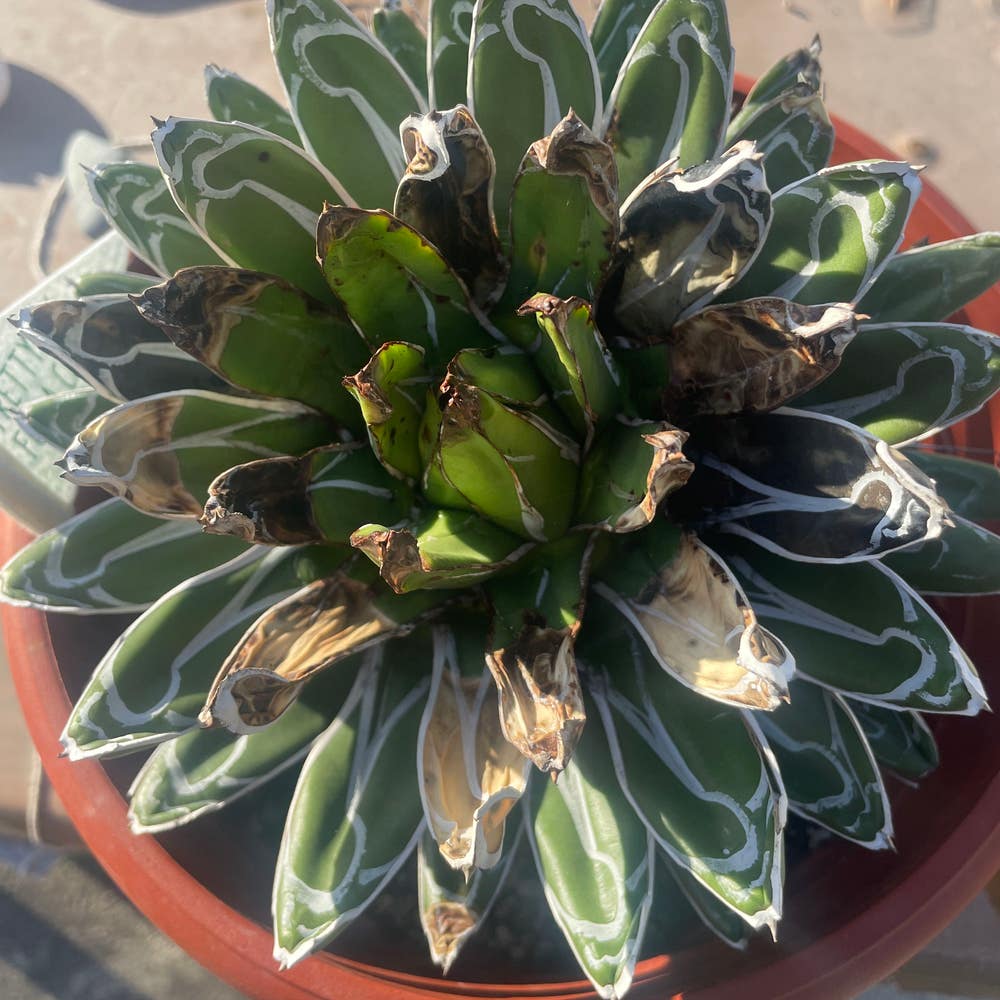
When the plant doesn't receive enough light, it can lead to weak growth and delayed blooming. Conversely, excessive light can cause leaf burn and stress, resulting in bud drop.
Adjusting Light Conditions 🛠️
To ensure your agave gets the right amount of light, position it in a south-facing window or an outdoor spot that receives ample sunlight. If the afternoon sun is too harsh, consider using shade cloth to protect your plant from potential damage.
By understanding and adjusting light conditions, you can significantly enhance the blooming potential of your Queen Victoria Agave. Next, let’s explore how nutritional factors play a crucial role in flowering.
Nutritional Factors Affecting Blooming
🌱 Essential Nutrients for Flowering
To thrive, Queen Victoria Agave requires a balanced intake of essential nutrients. The key players are nitrogen, phosphorus, and potassium, commonly referred to as the NPK ratio.
Micronutrients like calcium and magnesium also play a crucial role in maintaining overall plant health. These nutrients support strong cellular structure and enhance flowering potential.
🌼 Fertilization Tips for Queen Victoria Agave
Establishing a proper fertilization schedule is vital for encouraging blooms. Aim to fertilize monthly during the growing season to provide consistent nourishment.
Opt for balanced, slow-release fertilizers to ensure your agave receives nutrients over time. This approach minimizes the risk of nutrient burn, which can hinder flowering.
Be cautious with over-fertilization; signs include yellowing leaves and stunted growth. Recognizing these symptoms early can help you adjust your care routine effectively.
By focusing on the right nutrients and fertilization practices, you can significantly enhance your Queen Victoria Agave's blooming potential. Next, let’s explore how light conditions impact flowering.
⚠️ Safety First
This content is for general information and may contain errors, omissions, or outdated details. It is not medical, veterinary advice, or an endorsement of therapeutic claims.
Always consult a qualified healthcare professional before using any plant as food, medicine, or supplement.
Never eat any plant (or feed one to pets) without confirming its identity with at least two trusted sources.
If you suspect poisoning, call Poison Control (800) 222-1222, the Pet Poison Helpline (800) 213-6680, or your local emergency service immediately.
Spotted an error? Please report it here.
Encourage your Queen Victoria Agave to bloom with patience and care 🌱—let Greg guide you with tailored watering and fertilization reminders for a thriving, flowering masterpiece!