👑 3 Key Aspects of Queen Victoria Agave Size
Agave victoriae-reginae
By the Greg Editorial Team
Sep 30, 2024•5 min read
This article was created with the help of AI so we can cover more plants for you. May contain errors. See one? Report it here.
- 🌱 Queen Victoria Agave grows 12-24 inches tall and spreads 24-36 inches wide.
- 🌞 Full sun promotes larger growth, while shade may limit size.
- ⏳ Expect slow growth; it takes 5-10 years to reach full size.
Mature Height and Spread
Typical Dimensions 🌱
Queen Victoria Agave typically reaches a mature height of 12 to 24 inches. Its spread can extend from 24 to 36 inches, making it a striking addition to any garden.
Growth Habits 🌿
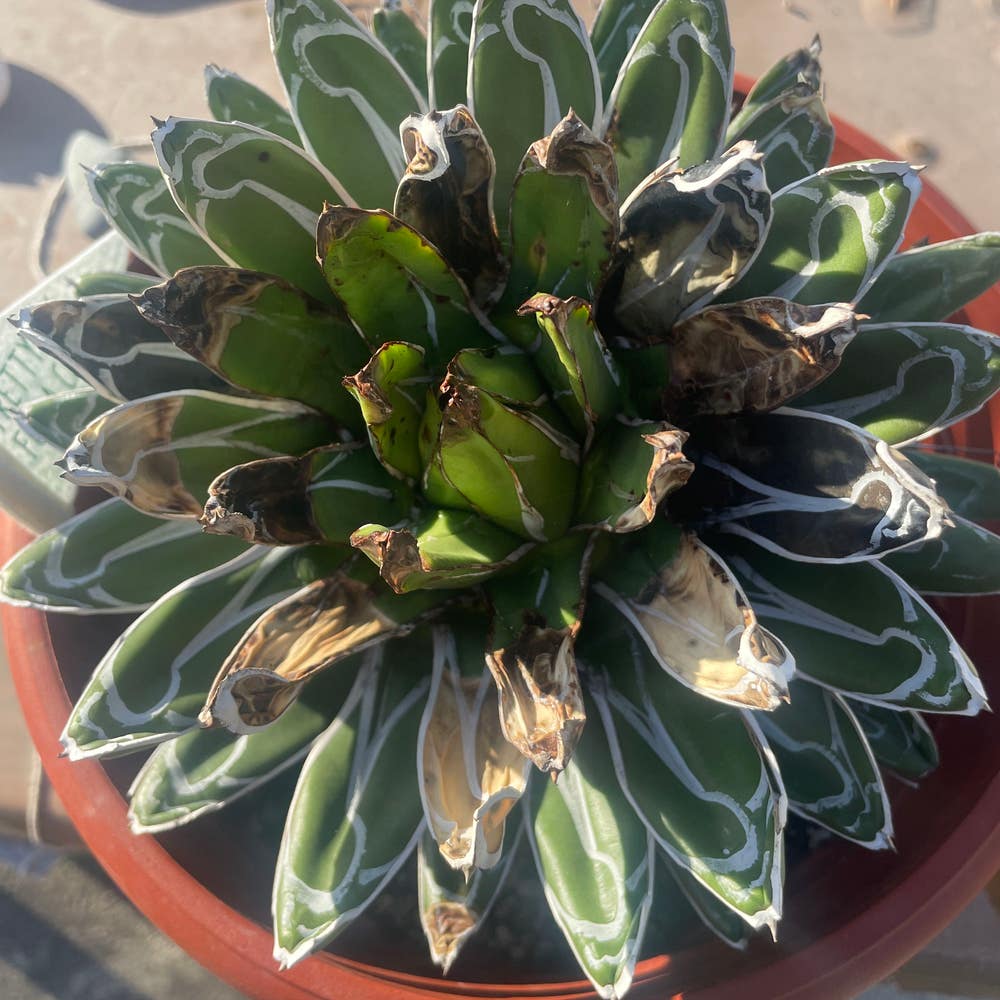
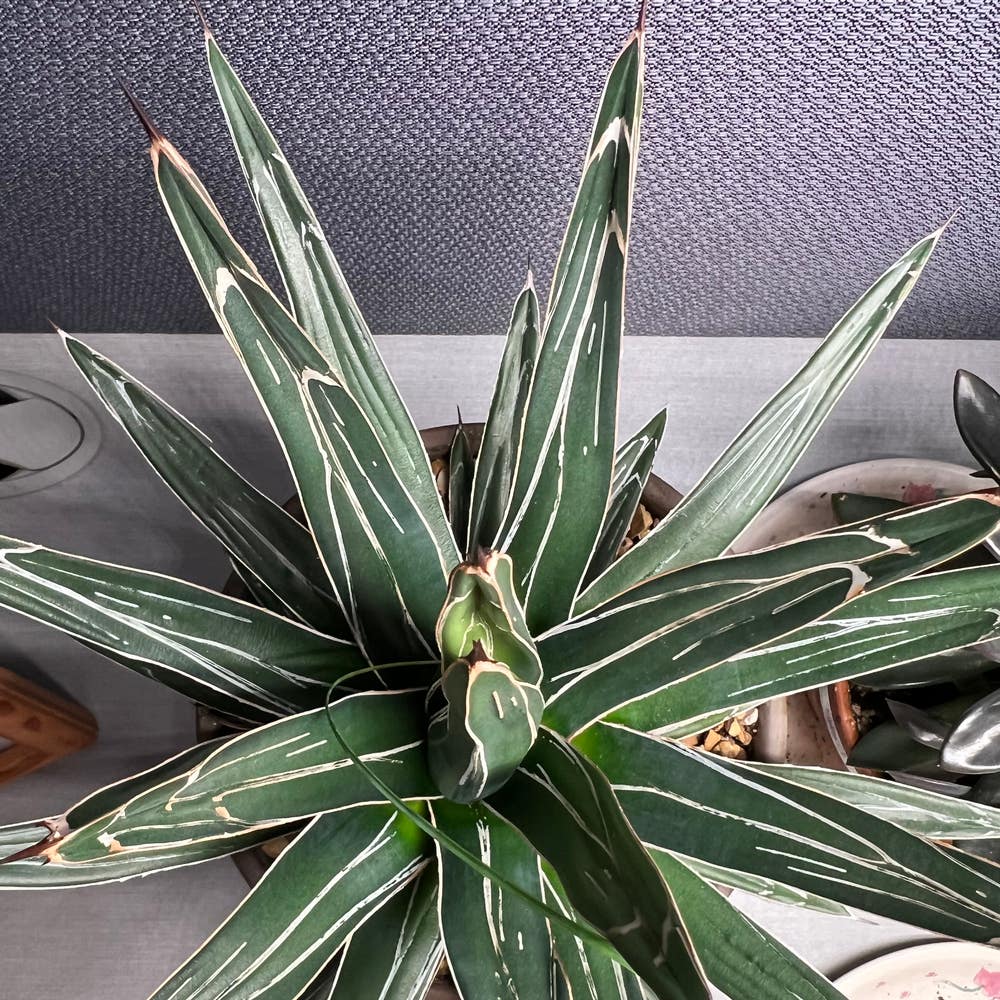
This agave forms a stunning rosette shape, characterized by tightly packed, fleshy leaves. Compared to other agave species, Queen Victoria Agave maintains a compact size, making it ideal for smaller spaces or container gardening.
The unique growth habit not only enhances its aesthetic appeal but also contributes to its resilience in various environments. Understanding these dimensions and growth patterns is essential for anyone looking to cultivate this beautiful plant.
As we delve deeper into its growth rate and time to maturity, you'll discover how patience pays off with this remarkable species.
Growth Rate and Time to Maturity
🌱 Growth Rate Characteristics
Queen Victoria Agave is known for its slow growth rate. Typically, it takes about 5 to 10 years to reach its full size, which can be a test of patience for gardeners.
⚖️ Factors Influencing Growth Rate
Several factors can significantly impact the growth rate of this agave.
🌿 Soil Quality and Drainage
The quality of soil plays a crucial role. Well-drained soil promotes healthier growth, while heavy, compacted soils can stunt development.
💧 Watering Frequency and Sunlight Exposure
Watering practices also matter. Consistent, moderate watering combined with ample sunlight will encourage optimal growth. Too much water or insufficient light can lead to slower growth or even damage the plant.
Understanding these factors can help you create the ideal environment for your Queen Victoria Agave, ensuring it thrives and reaches its full potential. Next, we’ll explore how different conditions can affect the size of this unique plant.
Size Variability in Different Conditions
🌍 Environmental Impact on Size
The size of Queen Victoria Agave can significantly vary based on its growing conditions. Key factors include soil type, sunlight exposure, and watering practices.
Soil Type
Well-drained soils promote healthy growth, allowing the roots to thrive. In contrast, heavy soils can lead to root rot, stunting the plant's size.
Sunlight
Full sun typically encourages larger growth, while partial shade may result in smaller dimensions. The right balance of light is crucial for optimal development.
Watering Practices
Overwatering can drown the roots, leading to reduced size and health. Conversely, drought conditions can stress the plant, but moderate drought can sometimes enhance its compactness.
🌱 Size Variability Among Cultivars
Different cultivars of Queen Victoria Agave exhibit notable size differences. Some are bred specifically for smaller spaces, while others can grow impressively large.
Dwarf Varieties
These smaller cultivars are perfect for limited spaces, typically reaching heights of 6-12 inches. Their compact nature makes them ideal for container gardening.
Giant Varieties
On the other hand, giant hybrids can soar to impressive heights, often exceeding 36 inches. These varieties are striking and can become focal points in any garden.
Understanding these size variabilities helps in selecting the right agave for your space and conditions. With the right care, you can enjoy the unique beauty of Queen Victoria Agave in various forms.
Next, we’ll explore the fascinating world of dwarf and giant varieties, diving deeper into their unique characteristics and growth habits.
Dwarf and Giant Varieties
🌱 Dwarf Varieties
Dwarf varieties of Queen Victoria Agave are perfect for compact spaces. These smaller cultivars typically reach a height of 6 to 12 inches and spread about 12 to 18 inches.
Their growth habits are characterized by tight rosettes, making them ideal for container gardening or small garden beds. Despite their size, they still showcase the striking architectural form that agaves are known for.
🦙 Giant Varieties
On the other end of the spectrum, giant varieties of Queen Victoria Agave can be quite impressive. These larger hybrids can grow up to 36 inches tall and spread nearly 48 inches wide.
When compared to standard varieties, giants offer a more dramatic presence in the landscape. They can serve as stunning focal points, especially in larger gardens or landscapes where their size can truly shine.
Understanding the differences between dwarf and giant varieties allows gardeners to choose the right fit for their space and aesthetic preferences. Whether you're looking to fill a small nook or make a bold statement, there's a Queen Victoria Agave variety for you.
Next, let's explore pruning and size control techniques to help manage your agave's growth effectively.
Pruning and Size Control Techniques
Pruning Techniques for Size Management 🌿
Pruning Queen Victoria Agave is essential for maintaining its size and health. The best time to prune is during the spring or early summer when the plant is actively growing.
Use sharp, clean tools like pruning shears or a knife for effective cuts. This helps prevent disease and ensures a clean edge, promoting faster healing.
Size Control Methods 📏
To manage the size of your Queen Victoria Agave, regular pruning is key. Remove dead or damaged leaves to encourage new growth and maintain a tidy appearance.
Additionally, consider the pot size. A smaller pot can restrict growth, while soil amendments can improve drainage and nutrient availability, influencing overall size.
By understanding these techniques, you can cultivate a healthy, well-sized Queen Victoria Agave that fits perfectly in your garden or home. Next, let’s explore the fascinating world of dwarf and giant varieties of this stunning plant.
⚠️ Safety First
This content is for general information and may contain errors, omissions, or outdated details. It is not medical, veterinary advice, or an endorsement of therapeutic claims.
Always consult a qualified healthcare professional before using any plant as food, medicine, or supplement.
Never eat any plant (or feed one to pets) without confirming its identity with at least two trusted sources.
If you suspect poisoning, call Poison Control (800) 222-1222, the Pet Poison Helpline (800) 213-6680, or your local emergency service immediately.
Spotted an error? Please report it here.
Master the art of growing Queen Victoria Agave with Greg's tailored care tips 🌱, ensuring your plant thrives beautifully in any space!