Best Climate for Queen Victoria Agave: Zones 7b-10b 🌵
Agave victoriae-reginae
By the Greg Editorial Team
Sep 30, 2024•4 min read
This article was created with the help of AI so we can cover more plants for you. May contain errors. See one? Report it here.
- 🌞 Queen Victoria Agave thrives in zones 7b-10b, ideal for warmer climates.
- ❄️ Cold stress signs include discoloration and wilting; protect from prolonged frost.
- 🌵 Well-drained, rocky soil and full sun are essential for optimal growth.
Temperature Tolerance
❄️ Cold Tolerance
Queen Victoria Agave thrives in a temperature range of 20°F to 30°F (-6°C to -1°C). While it can endure brief frost periods, prolonged exposure can lead to significant stress.
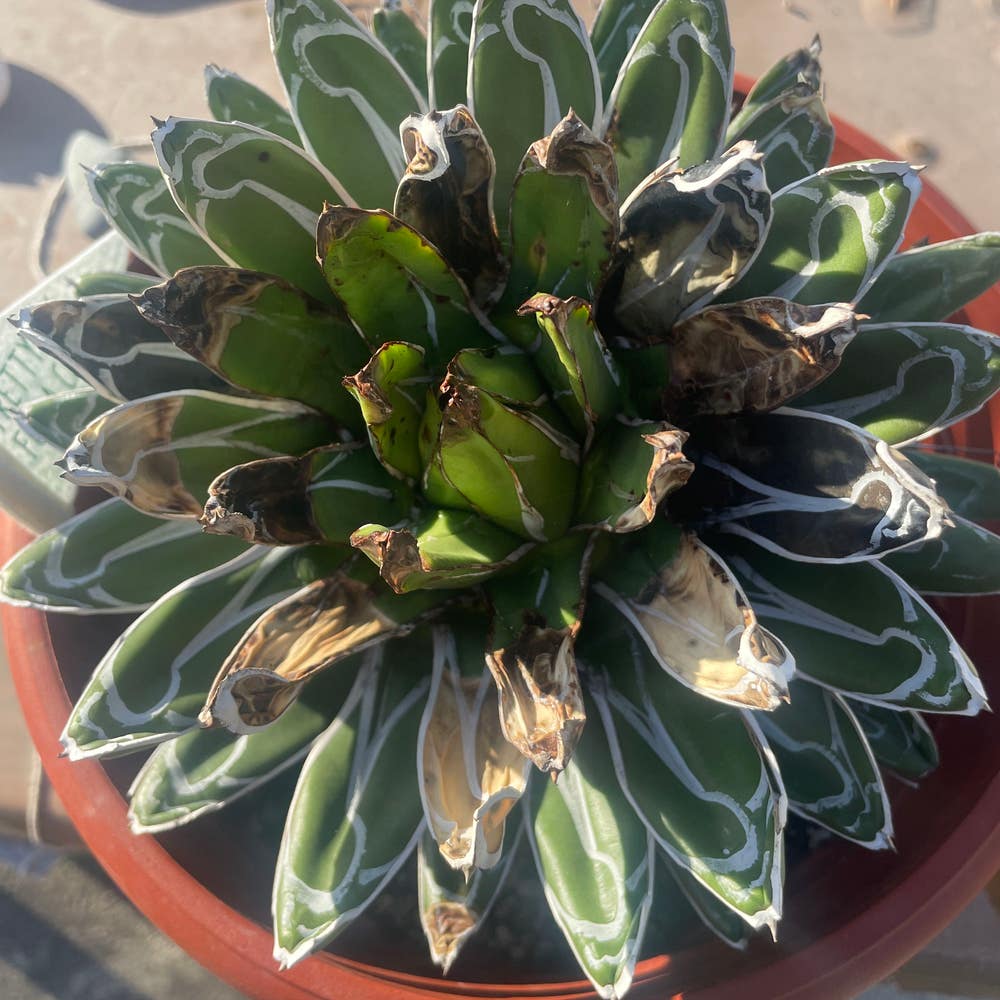
Look for signs of cold stress, such as discoloration or wilting leaves. These indicators signal that your agave may need protection from harsh winter conditions.
☀️ Heat Tolerance
For optimal growth, Queen Victoria Agave prefers temperatures between 70°F and 100°F (21°C to 38°C). However, extreme heat can negatively impact its health and growth.
To combat this, ensure your agave is planted in well-drained soil. This is crucial to prevent root rot, especially during those scorching summer months.
Understanding these temperature tolerances will help you create the ideal environment for your Queen Victoria Agave. Next, let’s explore the ideal growing conditions to maximize its potential.
Ideal Growing Conditions
🌞 Suitable US States
Queen Victoria Agave thrives in several states across the U.S., particularly in warmer climates. The best states for cultivating this stunning succulent include:
- California: Especially in Southern California, where the climate is dry and sunny.
- Texas: The western regions offer ideal conditions with plenty of sunlight.
- Arizona: Known for its arid climate, perfect for this drought-tolerant plant.
- New Mexico: The high desert areas provide the right mix of heat and low humidity.
- Louisiana: Coastal regions can support growth, given the right care.
- Florida: While humid, certain areas can mimic the agave's native environment.
Each of these states has specific regions that exemplify the ideal conditions for Queen Victoria Agave, making them prime spots for cultivation.
🔑 Contributing Factors
To ensure your Queen Victoria Agave flourishes, pay attention to several key factors:
Soil Requirements
This plant prefers well-drained, rocky soil that is low in organic matter. Such conditions mimic its natural habitat, preventing water retention that can lead to root rot.
Sunlight Exposure
Full sun is ideal, but partial shade can also work. Aim for at least six hours of direct sunlight daily to promote healthy growth.
Rainfall Considerations
Queen Victoria Agave thrives in low to moderate rainfall. Mimicking its native arid conditions helps maintain its health and vigor.
By understanding these ideal growing conditions, you can create a thriving environment for your Queen Victoria Agave. Next, let’s explore how microclimates can further enhance your growing experience.
Microclimates and Their Impact
🌱 Extending Growing Range
Microclimates can significantly expand the growing range for Queen Victoria Agave, allowing it to thrive even outside its typical hardiness zones. These localized climate variations create conditions that can be more favorable than the surrounding areas.
For instance, a south-facing slope may capture more sunlight, providing warmth that encourages growth. Similarly, areas shielded from harsh winds can maintain a more stable temperature, reducing stress on the plant.
🌍 Examples of Beneficial Microclimates
Urban environments often create heat islands, where buildings and pavement absorb and retain heat. This added warmth can be a boon for Queen Victoria Agave, allowing it to flourish in otherwise marginal conditions.
Coastal areas also offer moderated temperatures, thanks to the ocean's influence. The consistent climate can help prevent the extremes of heat and cold that might otherwise hinder growth.
Additionally, regions with natural windbreaks, like hills or dense vegetation, can reduce frost risk. These features create a more stable environment, making it easier for the agave to survive chilly nights.
Understanding these microclimates can empower gardeners to cultivate Queen Victoria Agave in diverse settings. By recognizing and utilizing these unique conditions, you can enhance your gardening success and enjoy the beauty of this striking plant.
As we explore state-level suitability next, consider how these microclimates might influence your local growing conditions.
State-Level Suitability Analysis
🌞 Suitable States
Queen Victoria Agave thrives in specific states within USDA hardiness zones 7b to 10b. The ideal states include:
- California
- Texas
- Arizona
- New Mexico
- Louisiana
- Florida
These regions offer warm temperatures, well-drained soils, and plenty of sunlight, creating perfect conditions for this striking succulent.
🚫 Unsuitable States
Conversely, some states fall outside the ideal range for Queen Victoria Agave. Notable examples include:
- Minnesota
- Wisconsin
These states experience prolonged frost, extreme cold, and high humidity, making them unsuitable for successful cultivation. The harsh winters and damp conditions can severely stress or kill the plant.
🌍 Regional Climate Variations
Local climate variations can significantly impact the suitability of Queen Victoria Agave. Factors such as elevation and proximity to water sources play crucial roles.
For instance, areas at higher elevations may experience cooler temperatures, while those near large bodies of water might have increased humidity. Understanding these nuances helps gardeners make informed decisions about planting locations.
As you explore the best spots for your Queen Victoria Agave, consider these factors to ensure a thriving plant. Next, we’ll delve into how microclimates can extend the growing range for this beautiful succulent.
⚠️ Safety First
This content is for general information and may contain errors, omissions, or outdated details. It is not medical, veterinary advice, or an endorsement of therapeutic claims.
Always consult a qualified healthcare professional before using any plant as food, medicine, or supplement.
Never eat any plant (or feed one to pets) without confirming its identity with at least two trusted sources.
If you suspect poisoning, call Poison Control (800) 222-1222, the Pet Poison Helpline (800) 213-6680, or your local emergency service immediately.
Spotted an error? Please report it here.
Unlock the secret to a thriving Queen Victoria Agave 🌵 by using Greg's tailored care reminders to keep your plant in its perfect climate and soil conditions!