👑 Top 5 Signs Your Queen Victoria Agave is Stressed in Winter
Agave victoriae-reginae
By the Greg Editorial Team
Sep 30, 2024•5 min read
This article was created with the help of AI so we can cover more plants for you. May contain errors. See one? Report it here.
- 🌱 Yellowing leaves signal overwatering or low light, indicating root issues needing attention.
- ❄️ Wilting leaves mean dehydration or cold stress; protect your agave from extreme temperatures.
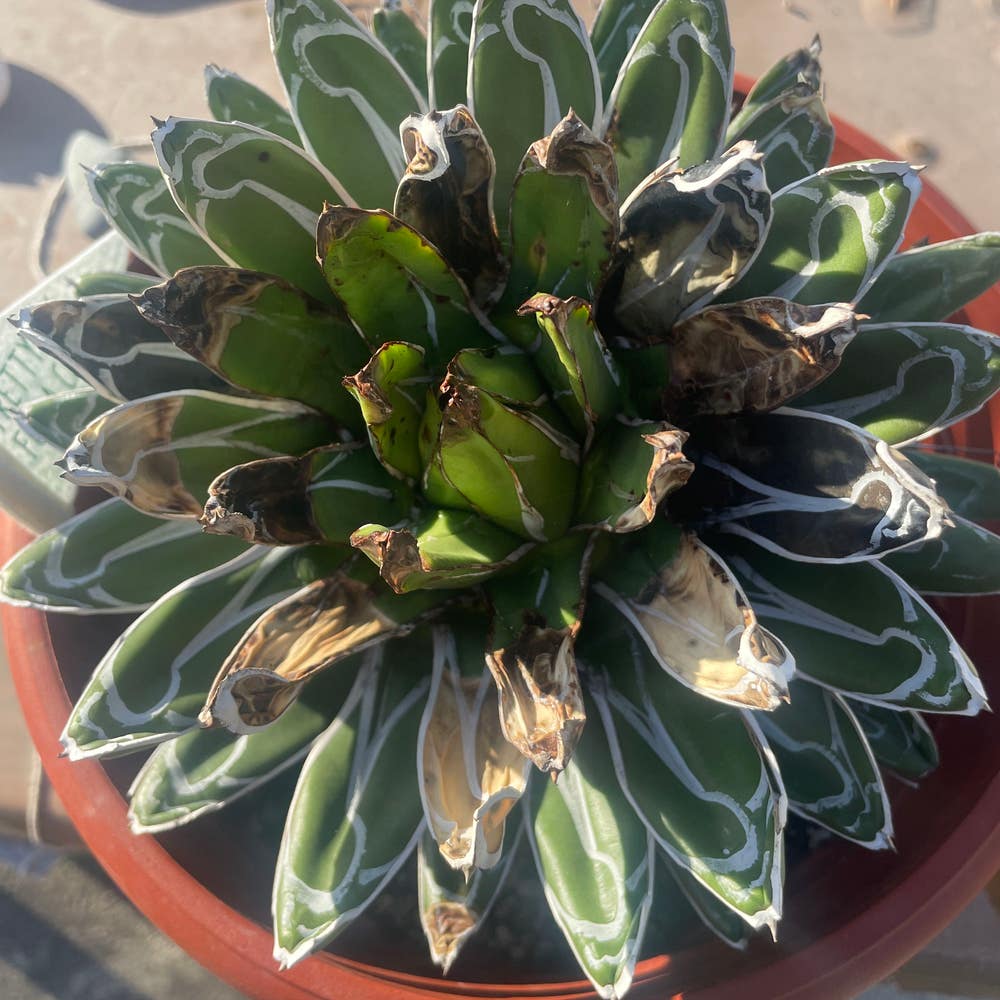
- 🌬️ Browning tips suggest low humidity or drafts, indicating potential frost damage or nutrient imbalance.
Signs of Stress in Winter
Yellowing Leaves 🌼
Yellowing leaves on your Queen Victoria Agave can signal trouble. This often stems from overwatering or inadequate light, indicating potential root issues or nutrient deficiencies.
Wilting or Shriveling 😢
If you notice wilting or shriveling, it’s a cry for help. This usually results from insufficient water or extreme cold exposure, suggesting dehydration or stress from frost.
Leaf Tip Browning 🍂
Leaf tip browning is another red flag. It typically arises from low humidity or cold drafts, hinting at potential frost damage or a nutrient imbalance.
Root Rot Symptoms 🦠
Root rot is a serious concern for your agave. Look for soft, mushy roots and a foul odor, which are signs of overwatering during dormancy. Early detection is crucial to prevent plant loss and ensure your agave thrives.
Recognizing these signs of stress is essential for maintaining the health of your Queen Victoria Agave during winter. With proper care, you can help your plant bounce back and flourish in the coming seasons.
Winter Care Requirements
❄️ Frost Protection Methods
To keep your Queen Victoria Agave safe during winter, consider covering it with frost cloths or blankets when cold snaps hit. This simple step can shield your plant from harsh temperatures.
Moving pots to sheltered areas or indoors is another effective strategy. If you can, find a cozy spot away from the elements to give your agave a fighting chance.
Mulching is also beneficial. Applying a layer of mulch around the base helps insulate the roots, keeping them warm and protected.
💧 Adjusting Watering Schedules for Winter
As winter sets in, it's crucial to adjust your watering routine. Reduce the frequency to once every 4-6 weeks to prevent overwatering.
Allow the soil to dry out completely between waterings. This practice is essential for maintaining healthy roots and preventing stress.
Keep an eye on soil moisture levels and your plant's response. These signs will guide you in fine-tuning your watering schedule.
🌱 Fertilizing Considerations During Dormancy
During dormancy, the general rule is to avoid fertilizing your agave. This helps prevent unnecessary stress on the plant.
However, if you feel it's necessary, you can use a diluted, low-nitrogen fertilizer in early spring. This should be done cautiously to avoid nutrient buildup.
Maintaining a balanced nutrient profile is vital. It ensures your dormant plants stay healthy without overwhelming them with excess nutrients.
With these winter care tips, your Queen Victoria Agave will be better equipped to handle the cold months. Next, let’s explore how to provide the best indoor conditions for your plant.
Indoor Winter Care
🌡️ Best Indoor Conditions for Queen Victoria Agave
To keep your Queen Victoria Agave thriving indoors during winter, aim for a temperature range of 60°F to 75°F (15°C to 24°C). This temperature balance helps prevent stress and ensures your plant remains healthy.
Avoid placing your agave near cold drafts, such as windows and doors. These areas can expose your plant to chilling winds, which can lead to stress and damage.
☀️ Light Requirements for Indoor Placement
Your agave craves bright, indirect sunlight or several hours of full sun each day. This light is crucial for maintaining its vibrant color and overall health.
Watch for signs of inadequate light, such as stretching or leaning towards light sources. These behaviors indicate your plant is searching for more sunlight, signaling a need for a better location.
💧 Monitoring Humidity Levels Indoors
The ideal humidity level for your Queen Victoria Agave is low to moderate, around 30-50%. Maintaining this range helps prevent issues like leaf browning and promotes healthy growth.
To achieve the right humidity, consider using a humidity tray or a room humidifier if necessary. These tools can help create a more suitable environment for your agave during the dry winter months.
As you care for your indoor Queen Victoria Agave, remember that consistent monitoring and adjustments are key. With the right conditions, your plant will not only survive but thrive, setting the stage for a vibrant spring.
Spring Preparation and Recovery
🌱 Signs of Recovery from Winter Stress
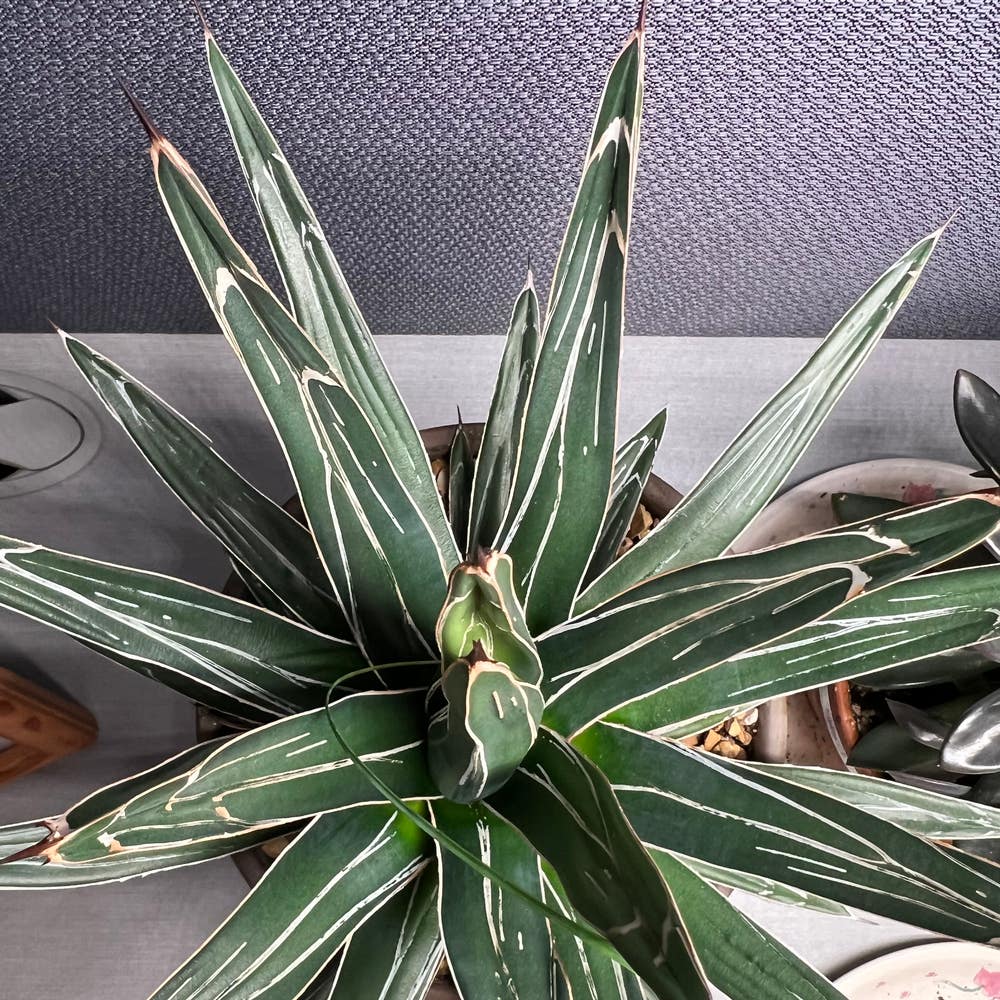
As winter fades, your Queen Victoria Agave will start showing signs of recovery. Look for fresh leaves or rosettes emerging from the center, signaling that your plant is bouncing back.
Another positive indicator is the restoration of vibrant green hues. If you notice the color returning, it's a clear sign that your agave is regaining its health.
🌼 Preparing for Spring Growth
To help your agave thrive, gradually reintroduce it to outdoor conditions. Acclimatize your plant over 1-2 weeks, allowing it to adjust to the changing temperatures.
As the weather warms, adjust your watering and fertilizing schedules accordingly. This ensures your agave gets the nutrients it needs to support new growth.
✂️ Pruning Damaged Leaves and Roots
Timing is crucial when it comes to pruning. Aim to prune in early spring, just before new growth begins, to promote a healthy start.
Use clean, sharp tools for pruning to avoid any risk of infection. This simple step can make a big difference in your plant's recovery.
Pruning not only encourages healthy growth but also removes any potential disease sources. It's an essential part of preparing your agave for a vibrant spring.
With these steps, your Queen Victoria Agave will be well on its way to thriving in the warmer months ahead. Next, let's explore the best indoor conditions to keep your agave happy during the chilly season.
⚠️ Safety First
This content is for general information and may contain errors, omissions, or outdated details. It is not medical, veterinary advice, or an endorsement of therapeutic claims.
Always consult a qualified healthcare professional before using any plant as food, medicine, or supplement.
Never eat any plant (or feed one to pets) without confirming its identity with at least two trusted sources.
If you suspect poisoning, call Poison Control (800) 222-1222, the Pet Poison Helpline (800) 213-6680, or your local emergency service immediately.
Spotted an error? Please report it here.
Keep your Queen Victoria Agave thriving this winter ❄️ by using Greg's tailored care tips and watering reminders to combat stress and ensure vibrant growth!