🌞 Is Direct Sunlight Good for My Queen Victoria Agave?
Agave victoriae-reginae
By the Greg Editorial Team
Jun 18, 2024•4 min read
This article was created with the help of AI so we can cover more plants for you. May contain errors. See one? Report it here.
- Six hours of indirect sunlight keeps Queen Victoria Agave healthy.
- 🌞 Avoid sunburn by shielding from intense afternoon sun.
- South-facing windows best, but adjust based on hemisphere and season.
When the Sun Hits Just Right
🌞 Queen Victoria Agave's Sunbathing Preferences
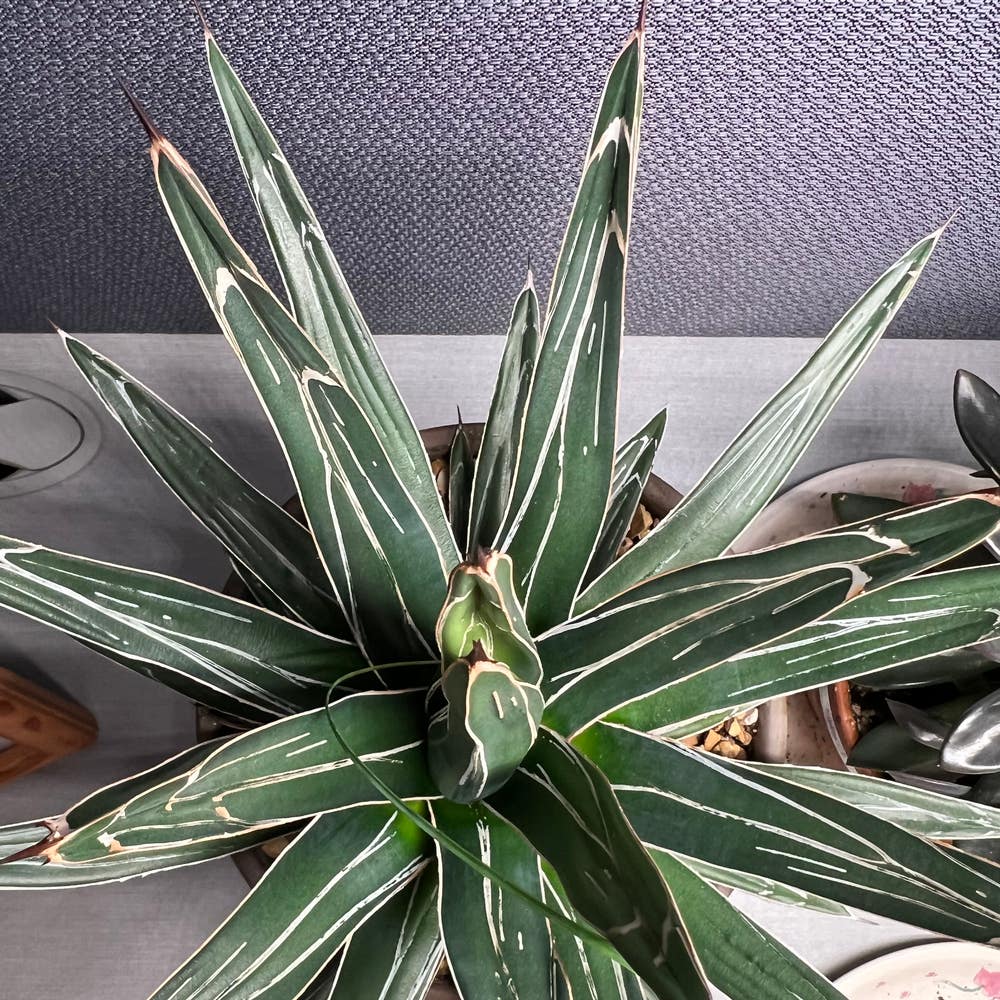
The Queen Victoria Agave craves sunlight like a cat seeks a warm lap—six hours of bright, indirect rays hit the sweet spot. This plant doesn't need a sheer curtain to thrive, but it wouldn't snub one either. Signs of a well-tanned agave include a vibrant color and robust growth, without the crispy edges that scream "I've had too much!"
🌞 Too Much of a Good Thing?
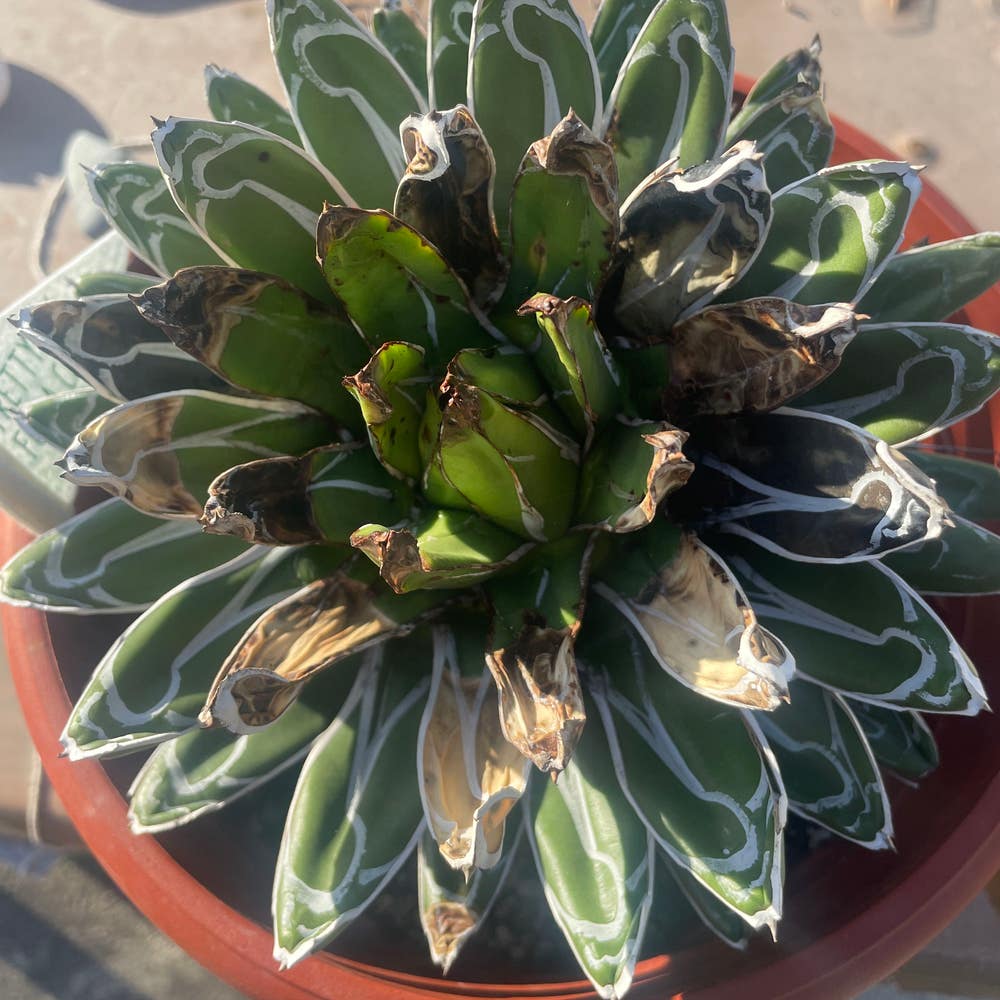
Sunburn on an agave looks as bad as it does on your shoulders after a day at the beach—faded and crispy leaves are the telltale signs. If your agave is throwing shade with brown spots or bleached areas, it's time for an intervention. Move it to a less intense spot and consider a shade cloth to filter those harsh solar vibes. Recovery might be slow, but with patience, your agave can bounce back from its sunbathing misadventure.

Windows: The Natural Sunglasses for Your Agave
🌞 Direction Matters: Which Windows Offer the Best Light?
South-facing windows are your Queen Victoria Agave's best friend, offering a full day of sunshine. This is the go-to spot for maximum light exposure, ensuring your agave gets the energy it craves.
East-facing windows provide a gentler morning light that's perfect for easing your plant into the day without overwhelming it. It's like a soft wake-up call for your agave.
West-facing windows deliver intense afternoon light. While your agave loves the sun, this might be a bit much, especially in the heat of summer. Keep an eye out for signs of stress.
North-facing windows are the low-light lounges. They won't cut it for your sun-loving agave, as these windows offer minimal light that will leave your plant yearning for more.
🌍 Hemisphere Hints: Adjusting Care by Location
In the Northern Hemisphere, the intensity of sunlight varies significantly from north to south. Your agave will bask in the glory of a south-facing window, but as you move north, you'll need to compensate for lower light levels.
Seasonal shifts play a role too. Your agave's window preference might change as the Earth tilts on its axis. Be prepared to shuffle your plant around to catch those precious rays, whether it's chasing the summer sun or soaking up the weaker winter light.
Remember, your Queen Victoria Agave's happiness hinges on striking the right balance between too much and too little sun. It's all about finding that sweet spot where your plant can thrive without getting a sunburn.

Protecting Your Agave from the Scorching Sun
⏰ Timing is Everything: When to Soak Up the Sun
Morning sunlight is your agave's best friend. It's like a gentle wake-up call rather than a blaring alarm. Aim to position your Queen Victoria Agave where it can bask in the early rays without getting hit by the intense afternoon sun. This can prevent the dreaded sunburn that agaves can suffer from during peak hours.
🛡️ Creating a Sun Shield
Shade cloth can be your go-to for protecting your agave from harsh sunlight. Think of it as a parasol that filters out the sun's aggression while still letting through that golden glow your plant craves. If you're not into DIY, sheer curtains or blinds can also do the trick. They're like sunglasses for your plant, offering protection without compromising on style.
When the sun's at its zenith and your agave starts to sweat, consider it a sign to relocate. A spot that gets indirect light during the hottest part of the day can be a safe haven. Remember, it's not about coddling your agave—it's about giving it the right conditions to thrive, like a plant spa that's all about tough love.

⚠️ Safety First
This content is for general information and may contain errors, omissions, or outdated details. It is not medical, veterinary advice, or an endorsement of therapeutic claims.
Always consult a qualified healthcare professional before using any plant as food, medicine, or supplement.
Never eat any plant (or feed one to pets) without confirming its identity with at least two trusted sources.
If you suspect poisoning, call Poison Control (800) 222-1222, the Pet Poison Helpline (800) 213-6680, or your local emergency service immediately.
Spotted an error? Please report it here.
Let your Queen Victoria Agave thrive ☀️ with Greg's PlantVision, pinpointing the ideal sunlight in your home to avoid those crispy leaves.