Why Are My Queen Victoria Agave Leaves Dropping?
Agave victoriae-reginae
By the Greg Editorial Team
Jun 18, 2024•5 min read
This article was created with the help of AI so we can cover more plants for you. May contain errors. See one? Report it here.
- Brown tips and wilting indicate your Agave is stressed.
- 🌡️ Avoid temperature extremes to prevent heat or cold stress.
- Inspect and respond quickly to signs of pests or improper watering.
Spotting the Signs of Trouble
🚨 Visual Cues: Recognizing When Your Agave is Unhappy
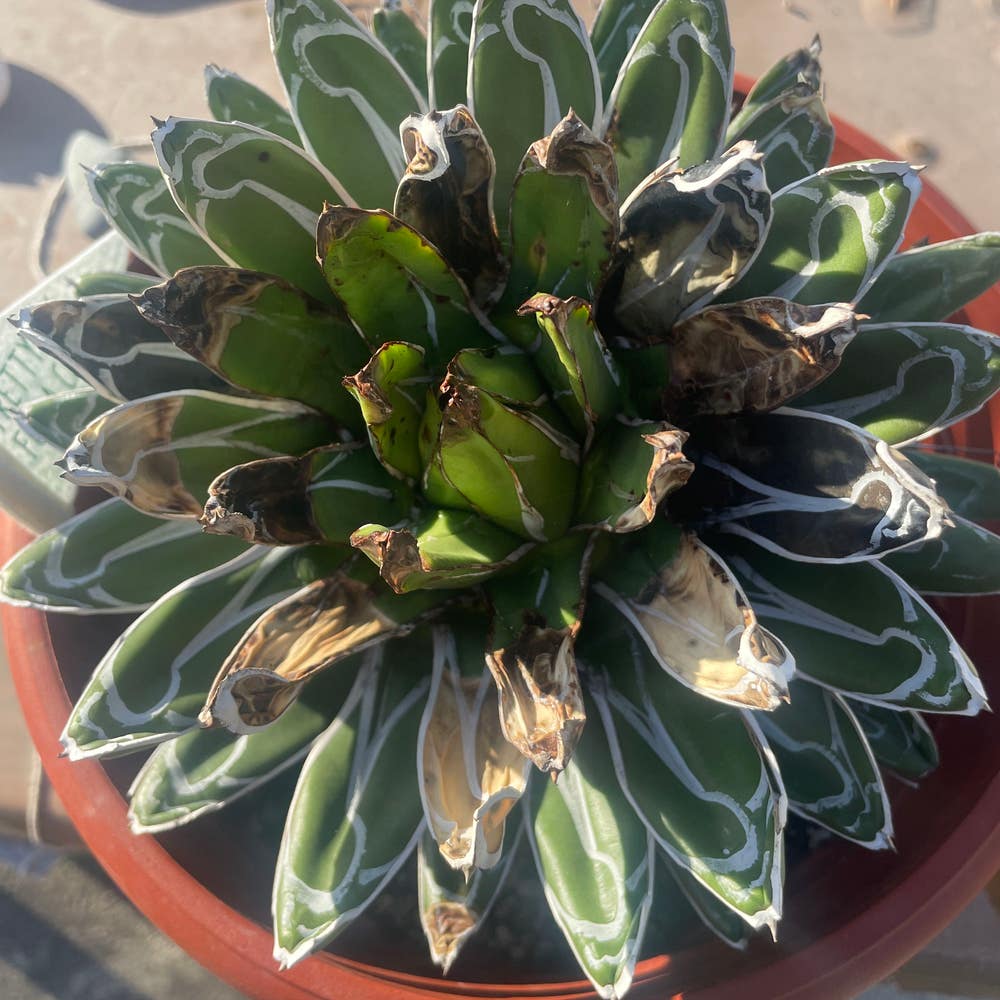
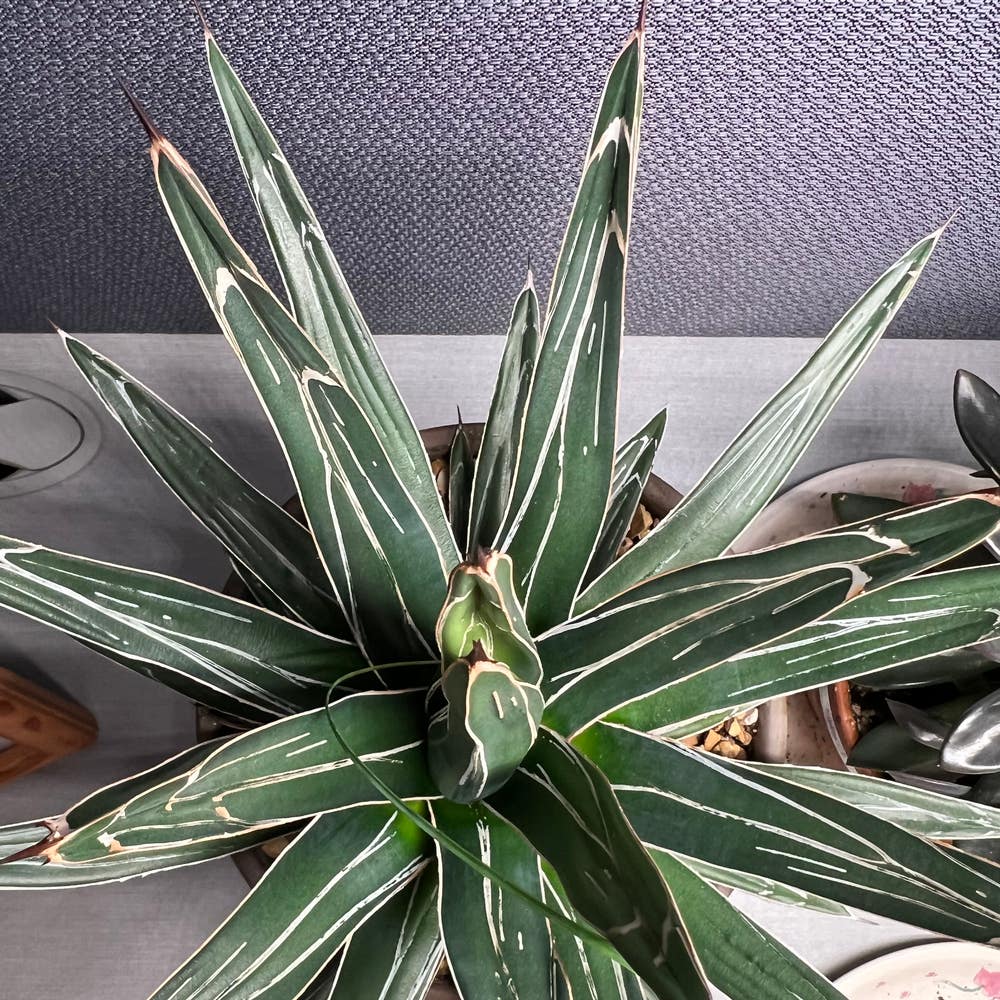
Wilting leaves are the first hint that your Queen Victoria Agave is sending an SOS. When leaves lose their rigidity, appearing limp and lifeless, it's time to pay attention. Brown tips on leaves are the plant's red flag, indicating it's in distress.
🩺 Quick Health Check: Assessing the Severity of Leaf Drop
A quick health check involves looking beyond the leaves. Dark spots may suggest cold damage, while a dry, parched appearance could signal dehydration. If you notice a sticky substance or speckled leaves, it's likely pests have made themselves at home. Mushy, yellowing leaves are a classic sign of overwatering, inviting root rot to the party. Regular inspections are crucial, as is a swift response to any signs of trouble.

Unraveling the Root Causes
💧 Water Woes: Too Much or Too Little
Overwatering turns your Queen Victoria Agave's pot into an unwanted swamp. You'll notice leaves turning yellow or translucent, and they might feel mushy. In contrast, underwatering leaves the soil bone-dry, with leaves feeling brittle and looking wilted. To strike the perfect balance, aim for moist soil—think of a wrung-out sponge, not a soaked one.
🌡 Feeling the Heat: Temperature and Environmental Stress
Agaves can throw a fit if the temperature isn't just right. Signs of heat stress include leaves curling up as if trying to escape the sun's wrath. Cold drafts can cause similar tantrums, with leaves possibly spotting brown as if scorched by an invisible flame. To create a cozy environment, keep your plant in a spot that mimics its natural habitat—warm but not scorching, cool but not freezing.
🐜 Unwanted Guests: Pest Infestations
Mealybugs and spider mites are like the worst party crashers for your Agave. Mealybugs appear as woolly white clusters, while spider mites are tiny brown dots that suck the life out of your plant. Evict these pests with a spritz of insecticidal soap or neem oil. Remember, cleanliness is next to Agave happiness.

Turning Over a New Leaf: Solutions and Care
💧 Fine-Tuning Watering Habits
Watering is less about sticking to a schedule and more about understanding your plant's needs. Here's how to get it right:
- Check the soil moisture before watering—your Agave prefers being on the dry side.
- Water deeply but infrequently, allowing the soil to dry out completely between sessions.
- During winter, reduce watering to a bare minimum; think hibernation mode for your plant's roots.
🌡️ Creating a Comfort Zone
Your Agave doesn't need a tropical paradise, but it does crave stability.
- Keep temperatures consistent, ideally between 65-75°F (18-24°C).
- Protect from extreme heat and cold; sudden changes can send your Agave into shock.
- Ensure good airflow around the plant to prevent a stale, pest-friendly environment.
🛡️ Fortifying Against Pests
Pests are like uninvited guests at a party—they show up, and suddenly your plant's health is plummeting.
- Regularly inspect your Agave for signs of mealybugs or spider mites.
- If pests are spotted, isolate your plant and remove the critters manually or with a gentle insecticide.
- Embrace preventative measures: keep new plants quarantined and maintain cleanliness.

Keeping Your Agave Thriving: Prevention Strategies
💧 The Essentials of Drainage and Aeration
Drainage is non-negotiable. Your Queen Victoria Agave's roots despise waterlogged soil more than a cat hates baths. Ensure your potting mix is gritty and loose, allowing water to flow through like a sieve. If your pot's drainage holes are more decorative than functional, it's time for an intervention. Either drill more holes or elevate the pot for gravity to do its thing.
Aeration is equally crucial. Think of the soil like a pair of lungs for the roots; it needs to breathe. Occasionally loosen the soil to prevent compaction. Your plant's roots need that airy touch to flourish, not a tight squeeze.
👀 Regular Monitoring and Maintenance Tips
Visual checks should be as routine as scrolling through your social feeds. Look for signs of distress: yellowing leaves, a mushy base, or an unhappy aura. Catching issues early can save you from a full-blown plant melodrama.
Watering wisdom is key. Water your agave like a stealthy ninja—only when the soil is dry. And when you do, it's not a splash-and-dash; water thoroughly, allowing excess to drain. Overwatering is the express lane to root rot city.
Pest patrols are mandatory. Mealybugs and spider mites are not welcome guests. Inspect regularly and if you spot these party crashers, show them the door with a swift eviction notice—be it a blast of water or an insecticidal soap.
Soil health is a silent guardian. Refresh the topsoil occasionally and consider repotting every few years to prevent the buildup of salts and toxins. It's like changing the oil in your car; maintenance matters.
Seasonal savvy means adjusting care with the calendar. Less water in winter, more shade in scorching summers. Your agave's needs change with the seasons, and so should your care strategy.
By staying vigilant and responsive, you're not just growing a plant; you're cultivating resilience. Your Queen Victoria Agave will stand tall, a testament to your green-thumbed dedication.
⚠️ Safety First
This content is for general information and may contain errors, omissions, or outdated details. It is not medical, veterinary advice, or an endorsement of therapeutic claims.
Always consult a qualified healthcare professional before using any plant as food, medicine, or supplement.
Never eat any plant (or feed one to pets) without confirming its identity with at least two trusted sources.
If you suspect poisoning, call Poison Control (800) 222-1222, the Pet Poison Helpline (800) 213-6680, or your local emergency service immediately.
Spotted an error? Please report it here.
Combat leaf drop and ensure your Queen Victoria Agave thrives by using Greg to tailor 🌟 your care routine with precise watering, temperature monitoring, and pest management advice.