👑 3 Ways to Boost Your Indoor Queen Victoria Agave
Agave victoriae-reginae
By the Greg Editorial Team
Sep 30, 2024•4 min read
This article was created with the help of AI so we can cover more plants for you. May contain errors. See one? Report it here.
- 🌞 Queen Victoria Agave needs 6-8 hours of bright, indirect sunlight daily for optimal growth.
- 💧 Water only when top 2-3 inches of soil are dry to prevent root rot.
- 🌱 Use well-draining soil and fertilize every 4-6 weeks for healthy development.
Light Requirements
Optimal Indoor Light Levels 🌞
For your Queen Victoria Agave to thrive, it needs bright, indirect sunlight for about 6-8 hours each day. If you notice stretched growth, pale leaves, or a loss of color, it’s a sign that your plant isn’t getting enough light.
Role of Grow Lights 💡
In situations where natural light is lacking, grow lights become essential. They not only supplement sunlight but also promote healthy growth and vibrant coloration, ensuring your agave remains stunning.
Choosing the Best Grow Light 🛍️
When selecting grow lights, you have options like LED and fluorescent. Aim for full-spectrum lights with a color temperature between 5000K and 6500K for optimal results.
Placement Tips
Position your grow lights 12-24 inches above the plant to maximize effectiveness. This distance helps mimic natural sunlight and supports robust growth.
With the right light conditions established, your Queen Victoria Agave will flourish beautifully. Next, let’s dive into its watering needs to keep it hydrated and healthy.
Watering Needs
Frequency and Method of Watering 🌊
To keep your Queen Victoria Agave thriving, establish a consistent watering schedule. Allow the top 2-3 inches of soil to dry out completely between waterings.
When it's time to water, do so thoroughly until you see it draining from the bottom. This ensures the roots get the moisture they need without sitting in water.
Signs of Overwatering and Underwatering 🚨
Recognizing the signs of overwatering is crucial for your plant's health. Look for yellowing leaves, a mushy texture, and even root rot as indicators that you might be giving it too much water.
On the flip side, underwatering can lead to wilting, browning leaf tips, and dry soil. Keeping an eye on these symptoms will help you maintain the perfect balance for your indoor agave.
With proper watering techniques, your Queen Victoria Agave will flourish, setting the stage for the next essential care aspect: humidity and temperature.
Humidity and Temperature
Ideal Humidity Levels 🌬️
For your Queen Victoria Agave, the optimal humidity level is low to moderate, ideally between 30-50% relative humidity. To maintain this balance, consider using a humidity meter and steer clear of overly humid environments, which can lead to issues.
Temperature Range for Indoor Growth 🌡️
The ideal temperature for indoor growth ranges from 65°F to 80°F (18°C to 27°C). Be mindful of seasonal changes; protecting your plant from cold drafts and extreme temperature fluctuations is crucial for its health.
By keeping these humidity and temperature guidelines in check, you'll set the stage for a thriving indoor Queen Victoria Agave. Next, let’s explore the best soil and fertilization practices to further boost its growth.
Soil and Fertilization
🌱 Best Soil Type
To keep your Queen Victoria Agave thriving, start with a well-draining cactus or succulent mix. This type of soil allows excess moisture to escape, preventing root rot.
Consider enhancing drainage further by adding perlite or sand. These amendments create air pockets, ensuring your plant's roots stay healthy and happy.
🗓️ Fertilization Schedule and Types
Fertilizing your agave is essential for robust growth. Aim to fertilize every 4-6 weeks during the growing season, which spans spring and summer.
For the best results, use a balanced, diluted liquid fertilizer with an NPK ratio of 10-10-10. This ensures your plant receives the nutrients it needs without overwhelming it.
With the right soil and fertilization routine, your Queen Victoria Agave will flourish. Next, let’s explore how to maintain optimal humidity and temperature for your indoor plant.
Placement and Maintenance
🌞 Best Locations in the Home
For your Queen Victoria Agave, the best spots are south or west-facing windows. These locations provide maximum light exposure, essential for vibrant growth.
Avoid placing your agave in dark corners or areas with cold drafts. Such environments can hinder its development and lead to unhealthy growth.
🌱 Seasonal Adjustments for Indoor Placement
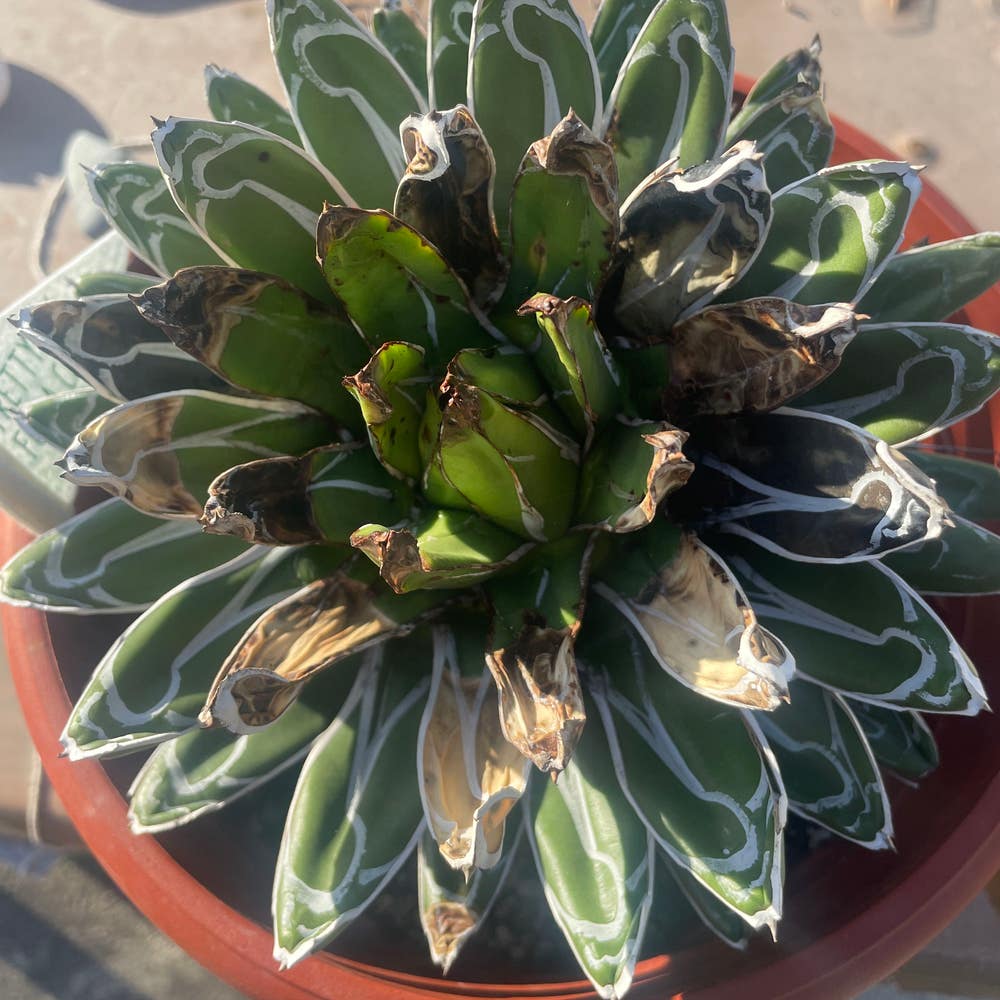
In summer, consider moving your agave to slightly shaded areas. This helps prevent sunburn from intense sunlight.
During winter, ensure your plant receives adequate light exposure. Days are shorter, so adjusting its position can make a significant difference.
✂️ Appearance Maintenance
Pruning and Grooming Tips
Prune your agave as needed to remove any dead or damaged leaves. This keeps the plant looking its best and encourages healthy growth.
Use clean, sharp pruning shears for this task. Proper tools ensure a clean cut, minimizing stress on the plant.
How to Maintain Healthy Leaves
To keep your leaves looking fresh, wipe them with a damp cloth to remove dust. This simple step enhances their appearance and allows for better light absorption.
Handle your agave with care to avoid cuts or tears. Gentle treatment goes a long way in maintaining its health and beauty.
With these placement and maintenance tips, your Queen Victoria Agave will thrive indoors. Next, let’s explore the soil and fertilization needs to keep your plant flourishing.
⚠️ Safety First
This content is for general information and may contain errors, omissions, or outdated details. It is not medical, veterinary advice, or an endorsement of therapeutic claims.
Always consult a qualified healthcare professional before using any plant as food, medicine, or supplement.
Never eat any plant (or feed one to pets) without confirming its identity with at least two trusted sources.
If you suspect poisoning, call Poison Control (800) 222-1222, the Pet Poison Helpline (800) 213-6680, or your local emergency service immediately.
Spotted an error? Please report it here.
Elevate your Queen Victoria Agave's health with tailored care tips 🌱 from Greg, ensuring it gets the perfect light and watering schedule for stunning growth!