Why Are My Queen Victoria Agave Leaves Curling?
Agave victoriae-reginae
By the Greg Editorial Team
Jun 18, 2024•5 min read
This article was created with the help of AI so we can cover more plants for you. May contain errors. See one? Report it here.
- 🌵 Early detection of curling prevents further damage to Queen Victoria Agave.
- 💧 Balance watering and ensure drainage to combat leaf curl.
- 🐜 Control pests and nutrients to maintain healthy, uncurled leaves.
Spotting the Signs: When Your Agave Needs Help
🔍 Identifying Leaf Curling
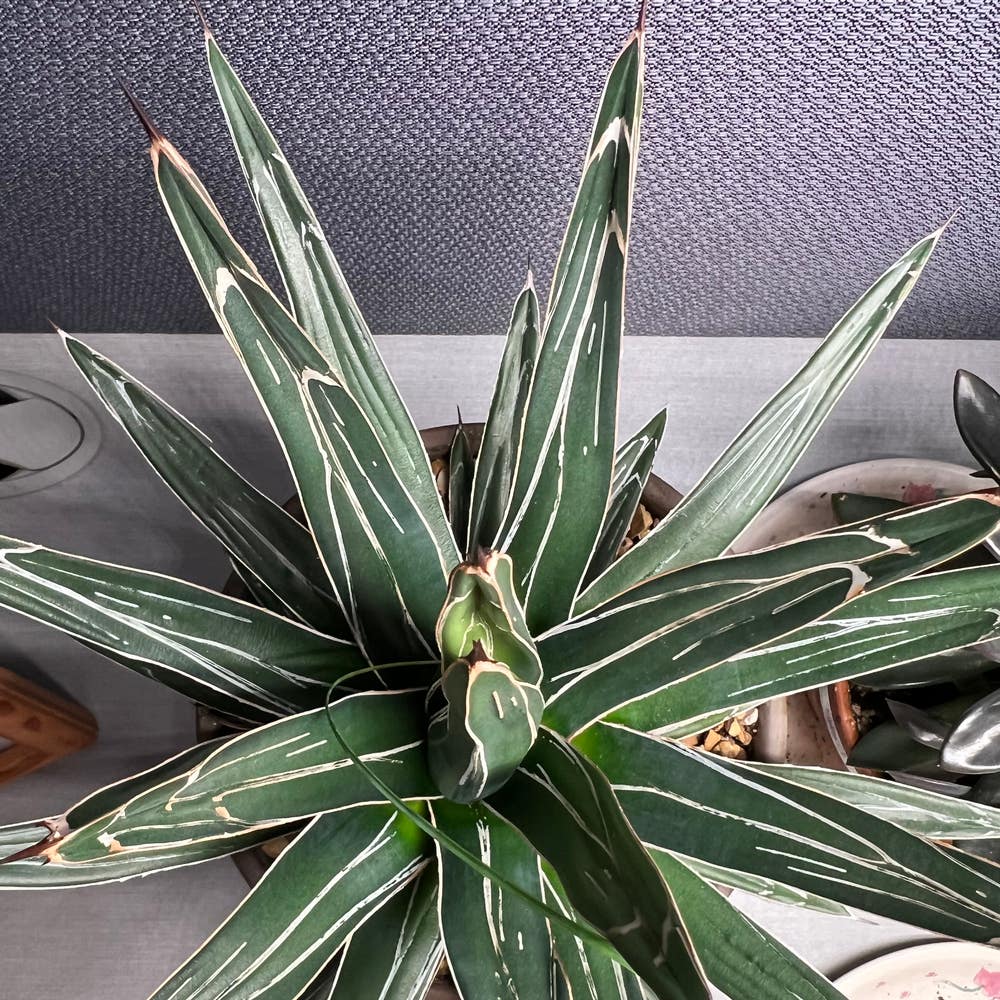
Recognizing the early signs of leaf curling in Queen Victoria Agave is key to preventing further damage. Look for leaves that no longer stand proud but instead start to twist or bend unnaturally. This could be a quiet cry for help from your succulent companion.
🕵️ Common Culprits Behind the Curl
🌍 Environmental Stress
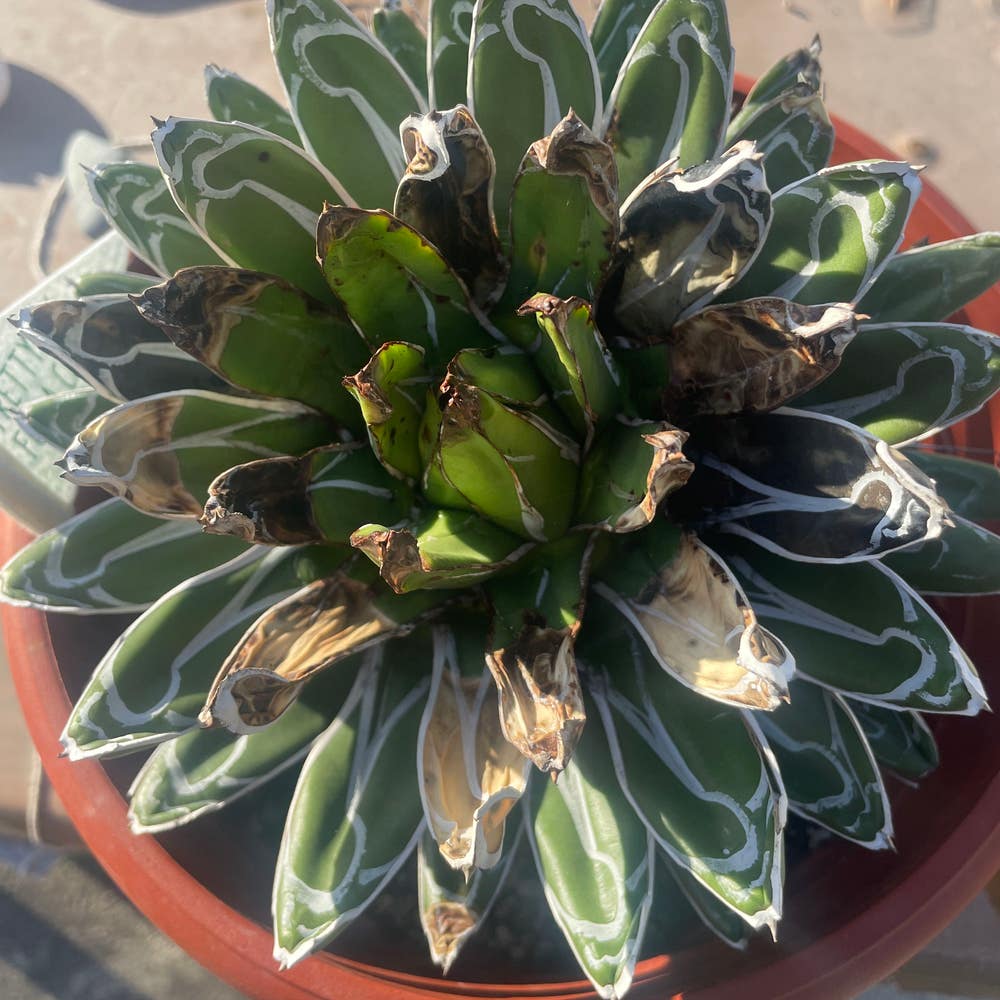
Excessive sunlight can make your Agave's leaves curl up tighter than a roll of quarters. Conversely, too little light can cause them to reach out desperately for more. Temperature swings can also stress your plant, leading to leaf curling. Keep your Agave in a spot where it feels like it's always springtime.
💧 Watering Mishaps
The leaves of your Queen Victoria Agave can become as brittle as stale crackers if underwatered. Overwatering, on the other hand, can leave them limp and lifeless. Brown tips or yellowing are tell-tale signs that your watering routine needs tweaking.
🐜 Pest Attacks
Pests can turn your Agave into a free buffet. Mealybugs, spider mites, and the dreaded agave snout weevil are common villains. Look for tiny holes, webbing, or a cotton-like residue on your plant. These are red flags that it's time to show those pests the door.

H2O Hiccups: Watering Woes and Fixes
🌱 The Balancing Act of Watering
Finding the sweet spot for watering your Queen Victoria Agave is crucial. Overwatering can lead to a soggy demise, while underwatering leaves your plant thirsting for more. Gauge the soil's moisture by feeling it an inch below the surface; only water when it's dry to the touch. Remember, your plant's hydration needs can change with the seasons, so stay observant and adaptable.
🚰 Drainage Drama
Proper drainage is non-negotiable to prevent root rot and the dreaded leaf curl. Ensure your pot has drainage holes and consider adding a layer of gravel to facilitate water flow. If you're dealing with a waterlogged plant, it might be time for a repotting intervention. Use a well-draining soil mix to give your Queen Victoria Agave the dry feet it craves.

Bug Battles: Keeping Pests at Bay
🐜 Common Agave Adversaries
Queen Victoria Agave might seem tough, but it's got a soft spot for certain pests. Mealybugs, spider mites, and scale insects are the usual suspects, each with a knack for turning your agave's leaves into their personal diners. Vigilance is key; these critters are sneaky and can cause significant damage before you even notice.
💣 Winning the War on Bugs
When it comes to pest control, think swift and strategic. Start with a blast of water to knock off the easy riders. If the situation calls for heavier artillery, insecticidal soap or neem oil can be your go-to. They're effective yet gentle on the environment. For a more hands-off approach, introduce natural predators like ladybugs to handle your aphid issues. Remember, the best offense is a good defense: maintain plant hygiene and quarantine new plants to prevent infestations. Stay informed about the latest in pest control to keep your Queen Victoria Agave in fighting form.

Feeding Your Agave: Nutrient Know-How
💡 Spotting Nutritional Shortfalls
Yellowing leaves on your Queen Victoria Agave might be shouting for nitrogen, while crispy edges could be whispering for potassium. It's like your plant's sending you an SOS for nutrients. To avoid the drama of leaf curling, keep an eye out for these telltale signs of nutritional deficiencies.
🍽️ The Menu for a Mighty Agave
Balanced fertilization is like a multivitamin for your Agave, providing a full suite of macro and micro-nutrients. A water-soluble fertilizer with an even NPK ratio is your best bet. But remember, moderation is key—think of it as a diet plan for your plant, where too much can lead to nutrient burn. Apply according to package instructions, and only during the growing season to avoid overwhelming your Agave with love.
Prevention: The Best Cure for Curling Leaves
🌱 Crafting the Ideal Agave Environment
Adjusting light, temperature, and humidity is crucial to prevent leaf curling in Queen Victoria Agave.
⛅️ Light: The Sweet Spot
Too much sun can scorch, too little can weaken. Aim for bright, indirect light where your Agave can thrive without the threat of a sunburn.
🌡️ Temperature: Consistency is Key
Keep temperatures steady, ideally between 60-75°F (15-24°C). Avoid placing your Agave near drafts or heat sources that could cause temperature swings.
💧 Humidity: Just Enough
While not as fussy about humidity, maintaining moderate levels will help deter leaf curl. Think comfortable, not tropical.
👩🌾 The Long Game: Ongoing Care for Your Agave
Long-term health and prevention of leaf curling come down to routine and vigilance.
🚰 Watering Wisdom
Check soil moisture before watering—aim for moist, not soggy. Overwatering is a no-go, as is letting the soil go bone dry.
🍽️ Soil and Drainage: The Foundation
Ensure your soil is well-draining and aerated. If it's clumping or waterlogged, it's time for a soil intervention.
🛡️ Pest Patrol
Regularly inspect for pests. Spot an intruder? Insecticidal soap or neem oil are your go-to defenders.
🌱 Nutrient Nudges
Feed your Agave with a balanced fertilizer, but don't overdo it. Too much love can be just as harmful as neglect.
By creating a stable environment and sticking to a care routine, you're setting your Queen Victoria Agave up for a life free of the dreaded curl.
⚠️ Safety First
This content is for general information and may contain errors, omissions, or outdated details. It is not medical, veterinary advice, or an endorsement of therapeutic claims.
Always consult a qualified healthcare professional before using any plant as food, medicine, or supplement.
Never eat any plant (or feed one to pets) without confirming its identity with at least two trusted sources.
If you suspect poisoning, call Poison Control (800) 222-1222, the Pet Poison Helpline (800) 213-6680, or your local emergency service immediately.
Spotted an error? Please report it here.
Keep your Queen Victoria Agave thriving 🌵 with Greg's custom watering schedules and expert pest management advice, ensuring every leaf stays splendidly spread.