Why Are My Queen Victoria Agave Leaves Droopy?
Agave victoriae-reginae
By the Greg Editorial Team
Jun 18, 2024•4 min read
This article was created with the help of AI so we can cover more plants for you. May contain errors. See one? Report it here.
- Droopy leaves signal distress, often due to water or sunlight imbalances.
- Soil health is key: Ensure proper drainage and nutrient content.
- Adjust care routines based on plant's response to water, light, and soil.
Spotting the Signs of Distress
🌵 Recognizing Droopy Leaves
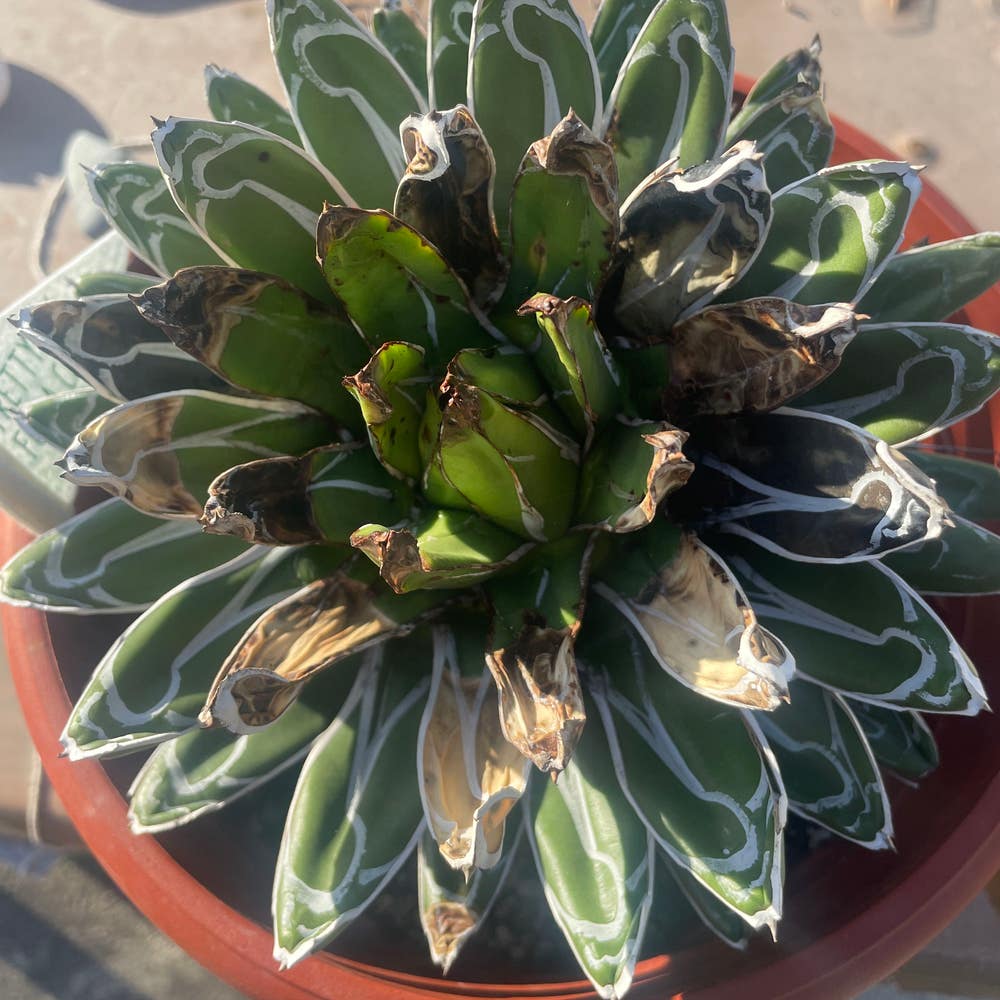
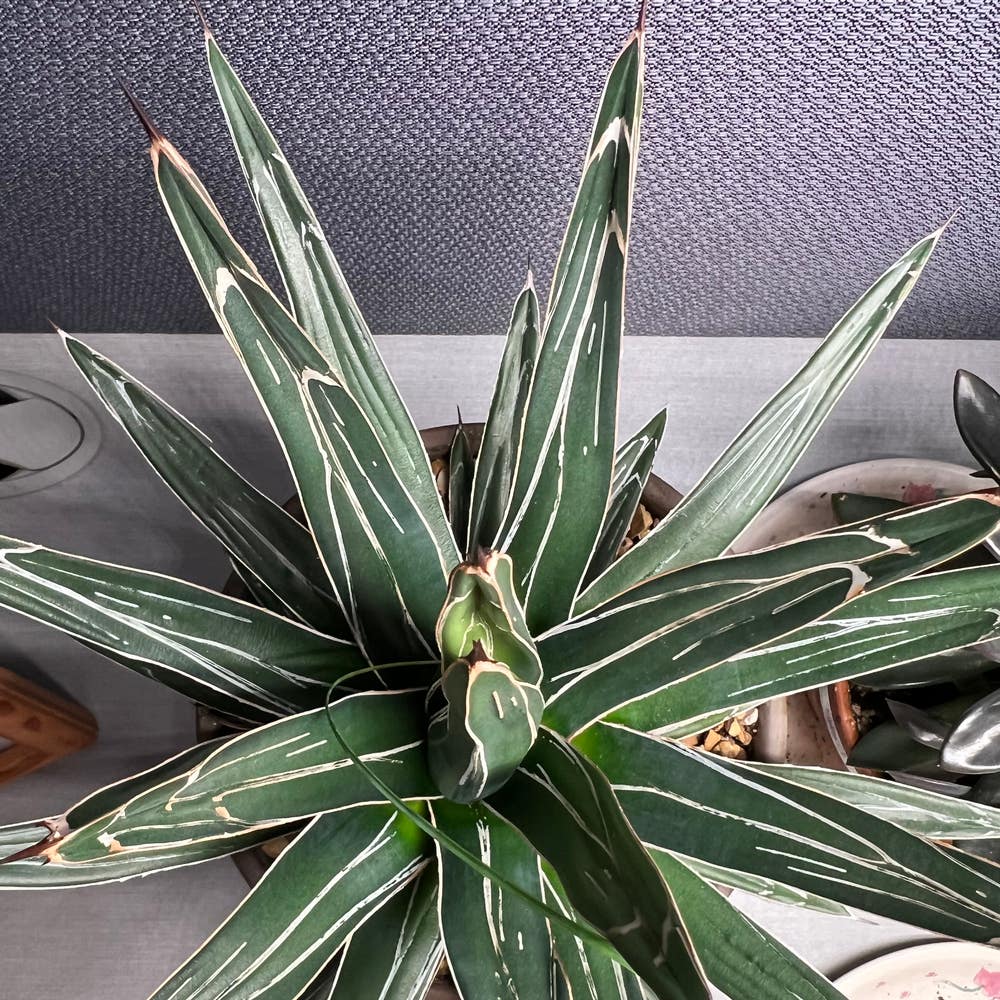
In the realm of Queen Victoria Agave, droopy leaves are the equivalent of a plant's frown. Look for leaves that sag or bend more than your average slouch, especially if they're softer at the base. A once rigid leaf that now resembles a limp handshake is a telltale sign of trouble.
Other Symptoms to Watch For
But droopiness is rarely a solo act. Yellowing, browning, or the presence of soft spots often join the party uninvited. If your agave's leaves are starting to look like they've seen better days, it's time to play detective. Keep pests, soil moisture, and light conditions on your radar. Remember, your plant's not trying to win a limbo contest; these symptoms mean it's time for some TLC.

Rooting Out the Causes
💧 Thirsty or Drowning? Understanding Water Needs
Queen Victoria Agave's droopy demeanor could be a watering misstep. To check for underwatering, feel the soil a couple of inches down; if it's dry, it's time to hydrate. Conversely, overwatering symptoms include swollen, mushy leaves that may burst or spot. The key is to water deeply when needed, not by the calendar.
☀️ The Sun Factor: Too Much or Not Enough?
Sunlight is non-negotiable for your agave. Too little, and the leaves may droop from lack of energy; too much, and they might get sunburned. Aim for a spot that offers bright, indirect light or some direct sun without turning your plant into a crispy critter.
🌱 Soil Situations: Drainage and Nutrient Issues
Soil that's too compact or too loose is a no-go. It needs to be the Goldilocks of soils—just right for drainage and aeration. If the soil is staging a silent protest, it's time for an intervention. Consider a mix that's well-draining but still holds onto the necessary nutrients.

Turning the Tide: Immediate Actions
💧 Adjusting Your Watering Habits
Watering should be responsive, not robotic. If the soil's dry an inch down, it's time to water. If it's damp, back off. Overwatering? Let the soil dry out before giving it another drink. Underwatering? Soak it thoroughly, ensuring water drains out the bottom.
🌞 Shifting Sunlight and Shade
Your agave's leaves are solar panels, but they can't handle a 24/7 sun fest. Bright, indirect sunlight is their jam. Too much sun and they'll fry; too little and they'll flop. Find that sweet spot where your plant can bask without baking.
🌱 Amending Your Soil
Soil should be a cozy bed, not a swamp or desert. Ensure it's well-draining—think sandy loam—to avoid waterlogged roots. If your soil's too heavy, mix in some perlite or coarse sand. Too acidic? A sprinkle of lime can sweeten things up.

Keeping Leaves Perky: Long-Term Strategies
💧 Establishing a Watering Rhythm
Finding the Goldilocks zone for watering your Queen Victoria Agave is crucial. It's about hitting that sweet spot where the soil is neither Sahara-dry nor swamp-wet. Consistency is your new best friend. Set a schedule based on the plant's response and the dryness of the soil, and stick to it like glue. Remember, the finger test doesn't lie—if the top inch is dry, it's time to hydrate.
🌞 Monitoring and Modifying Sunlight Exposure
Your agave's relationship with the sun should be a long-term romance, not a summer fling. It craves bright, indirect light with a side of shade to avoid sunburn. Observe how the light shifts in your space across seasons and adjust the plant's position accordingly. It's like a slow dance with the daylight, ensuring your agave always has the best seat in the house.
🌱 Regular Soil Checks and Maintenance
Soil is the unsung hero in the plant world. Make it a habit to check that your agave's soil is well-draining and nutrient-rich. Think of fertilizer as your plant's multivitamin—apply a balanced mix sparingly to avoid overfeeding. And don't ignore the pot; a terracotta home with drainage holes is the equivalent of a five-star hotel for your agave's roots.
⚠️ Safety First
This content is for general information and may contain errors, omissions, or outdated details. It is not medical, veterinary advice, or an endorsement of therapeutic claims.
Always consult a qualified healthcare professional before using any plant as food, medicine, or supplement.
Never eat any plant (or feed one to pets) without confirming its identity with at least two trusted sources.
If you suspect poisoning, call Poison Control (800) 222-1222, the Pet Poison Helpline (800) 213-6680, or your local emergency service immediately.
Spotted an error? Please report it here.
Revive your droopy Queen Victoria Agave with Greg's custom care plan 🌵, tailored to perfect your watering and sunlight schedule for a perky and healthy plant.