🌵 Queen Victoria Agave Wilting? Here's What to Do
Agave victoriae-reginae
By the Greg Editorial Team
Sep 30, 2024•6 min read
This article was created with the help of AI so we can cover more plants for you. May contain errors. See one? Report it here.
- 💧 Wilting in Queen Victoria Agave often signals water stress from over or under-watering.
- ☀️ Heat stress causes wilting; relocate to shade during peak sun hours for relief.
- 🌱 Monitor leaf health and soil moisture to diagnose and prevent wilting effectively.
Common Causes of Wilting Leaves
💧 Water Stress
Wilting leaves can often signal water stress in your Queen Victoria Agave. Look for signs like shriveled or limp leaves and soil that appears dry and cracked.
Water stress can stem from two main issues: infrequent watering during drought conditions or overwatering, which can lead to root rot. Both extremes can be detrimental, so finding a balance is key.
🔥 Heat Stress
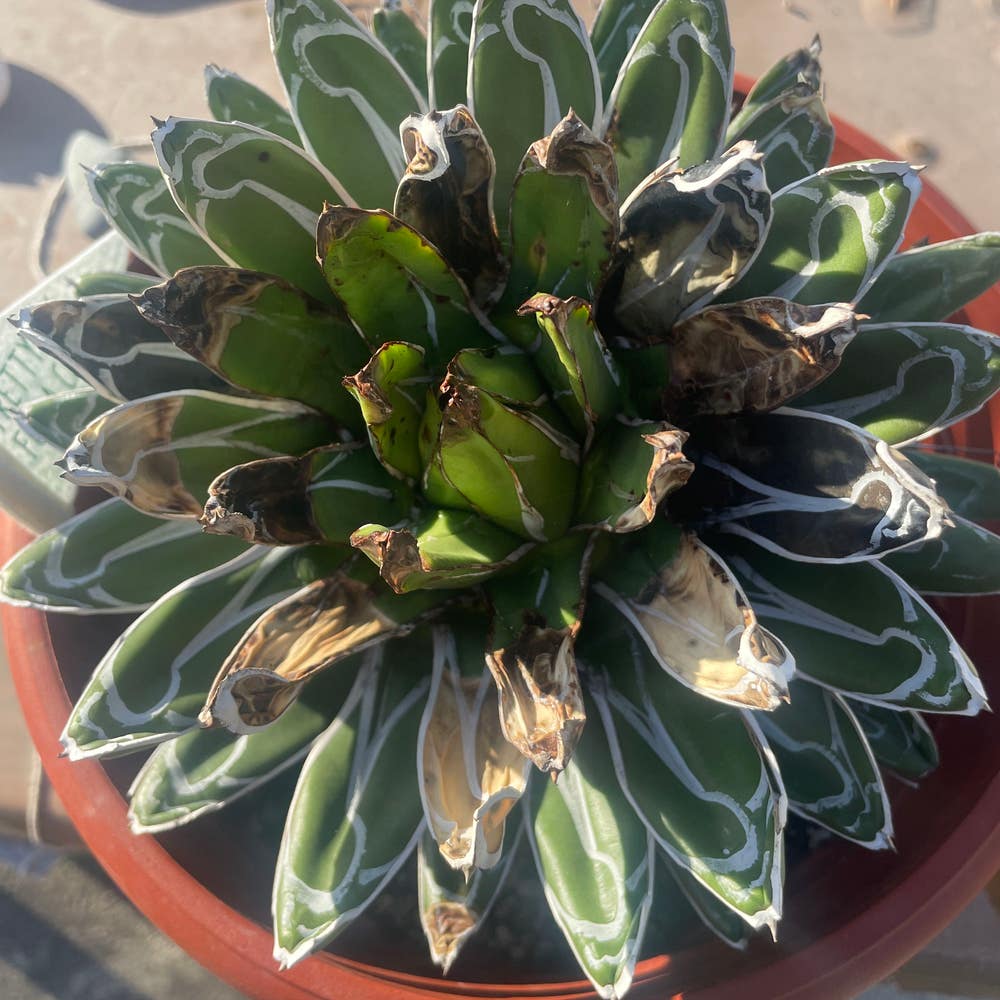
Heat stress is another common culprit behind wilting. Signs include leaves curling or browning at the tips, along with discoloration that resembles sunburn.
This condition usually arises from prolonged exposure to direct sunlight or high ambient temperatures without adequate airflow. Keeping your plant in a suitable environment can help mitigate these effects.
🦠 Disease-Related Wilting
While less common, disease-related wilting can occur. Look for dark spots or lesions on the leaves, and be alert for any foul odors from the soil, which may indicate root rot.
It's important to note that pathogenic wilt is unlikely to be the primary cause of wilting in your agave. However, being vigilant about your plant's health can prevent potential issues down the line.
Understanding these common causes of wilting leaves is essential for effective plant care. With this knowledge, you can take proactive steps to ensure your agave thrives. Next, we’ll explore how to diagnose wilting in your plant effectively.
Diagnosing Wilting
🕵️♂️ Step-by-Step Guide
Diagnosing wilting in your Queen Victoria Agave starts with assessing the soil moisture level. Use a moisture meter or simply stick your finger into the soil to check for dampness.
Next, examine the leaves closely. Look for signs of discoloration, curling, or any visible damage that could indicate stress.
🌤️ Evaluate Environmental Conditions
It's crucial to evaluate the environmental conditions surrounding your plant. Check the temperature and light exposure to ensure they align with the agave's needs.
Finally, inspect for pests or diseases. Look for any visible pests or signs of fungal infections that could be affecting your plant's health.
🍃 Signs to Look for in Leaves and Soil
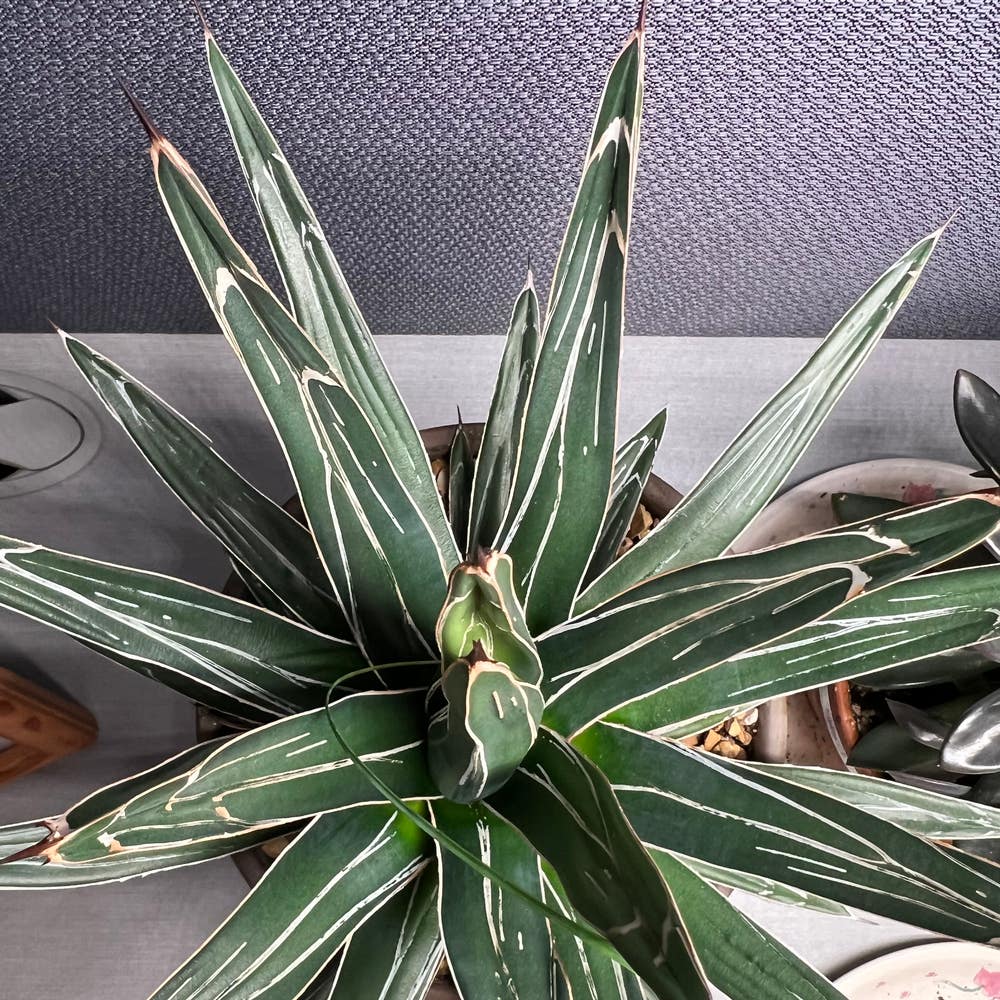
Understanding healthy leaf characteristics can help you identify wilting symptoms. Healthy leaves are typically firm and vibrant, while wilting leaves may appear limp or discolored.
Soil texture and moisture indicators are equally important. Soil should feel crumbly and slightly moist, not overly dry or soggy, to support your agave's growth.
By following these steps, you can effectively diagnose the cause of wilting in your Queen Victoria Agave. This proactive approach will set you on the path to restoring your plant's health and vitality.
Next, let’s explore solutions for addressing wilting leaves effectively.
Solutions for Wilting Leaves
🌊 Addressing Water Stress
Water stress is a common issue for Queen Victoria Agave. To correct this, start by adjusting your watering schedule based on the soil's moisture level.
Consider implementing bottom watering. This technique encourages deeper root absorption, ensuring your plant gets the hydration it needs.
☀️ Managing Heat Stress
Heat stress can also lead to wilting. If you notice your agave struggling, try relocating it to a shadier area during peak sun hours.
Using shade cloth or screens can further reduce direct sunlight exposure. This simple adjustment can make a significant difference in your plant's health.
🦠 Solutions for Disease-Related Wilting
If you suspect disease-related wilting, it’s crucial to act quickly. Begin by removing any affected leaves to prevent the spread of pathogens.
Improving airflow around the plant is essential. If necessary, treat the plant with fungicides to combat any fungal infections.
🌱 Techniques for Reviving a Wilted Agave
Reviving a wilted agave requires a systematic approach. First, assess the extent of wilting and damage to understand what you're dealing with.
Next, prune any damaged leaves to encourage new growth. Adjust your watering practices and environmental conditions accordingly.
Finally, monitor the recovery progress over the following weeks. This ongoing observation will help you gauge the effectiveness of your interventions.
By following these steps, you can help your Queen Victoria Agave bounce back and thrive. With the right care, your plant will flourish, bringing beauty to your space.
As you implement these solutions, keep an eye on the environmental conditions to ensure your agave remains healthy and vibrant.
Preventive Measures
🌱 Best Practices to Minimize Wilting Risk
To keep your Queen Victoria Agave thriving, establish a consistent watering routine. Adjust your schedule based on seasonal changes to ensure your plant gets the right amount of moisture.
Using well-draining soil is crucial. This prevents water accumulation, which can lead to root rot and other issues.
🌡️ Environmental Conditions to Monitor
Regularly check temperature and humidity levels around your plant. This helps you catch any unfavorable conditions before they lead to wilting.
Adjust light exposure based on seasonal variations. Your agave will appreciate a little shade during the hottest months, ensuring it stays healthy and vibrant.
By following these preventive measures, you can create a stable environment that minimizes the risk of wilting. This proactive approach sets the stage for a flourishing agave, making it easier to enjoy its unique beauty.
Next, let’s explore how to diagnose wilting effectively.
Unique Characteristics
Sensitivity to Environmental Changes 🌡️
Queen Victoria Agave is particularly sensitive to fluctuations in its environment. Even minor changes in temperature or humidity can lead to wilting, making it crucial to maintain stable conditions.
This plant thrives in consistent environments, where temperature and light levels remain steady. Sudden shifts can stress the agave, leading to visible signs of distress like wilting or discoloration.
Importance of Stable Conditions for Optimal Growth 🌱
For optimal growth, aim for a controlled environment. Regularly monitor temperature and humidity to ensure they stay within the ideal range for your agave.
Creating a stable habitat not only promotes healthy growth but also minimizes the risk of wilting. By paying attention to these factors, you can help your Queen Victoria Agave flourish and avoid unnecessary stress.
In the next section, we’ll explore when it’s time to seek expert help for your wilting agave.
When to Seek Help
🆘 Signs That Indicate the Need for Expert Assistance
If your Queen Victoria Agave is wilting persistently, despite your best efforts, it may be time to seek help. Look for signs of severe disease or pest infestation, such as dark spots on leaves or visible bugs.
📚 Resources for Assistance
Local nurseries can be invaluable for hands-on guidance. They often have knowledgeable staff who can assess your plant's condition and offer tailored advice.
Online communities, like Greg, provide a platform for sharing experiences and solutions. Engaging with fellow plant enthusiasts can yield fresh insights and support for your wilting agave.
If your plant continues to struggle, don’t hesitate to reach out. Getting expert assistance can make all the difference in reviving your beloved agave.
⚠️ Safety First
This content is for general information and may contain errors, omissions, or outdated details. It is not medical, veterinary advice, or an endorsement of therapeutic claims.
Always consult a qualified healthcare professional before using any plant as food, medicine, or supplement.
Never eat any plant (or feed one to pets) without confirming its identity with at least two trusted sources.
If you suspect poisoning, call Poison Control (800) 222-1222, the Pet Poison Helpline (800) 213-6680, or your local emergency service immediately.
Spotted an error? Please report it here.
Revive your wilting Queen Victoria Agave with a consistent care routine, and let Greg guide you with personalized watering reminders and expert community tips for thriving plants! 🌿